Can I Do Jump Rope Instead of Running

Yes, you can absolutely do jump rope instead of running! Jump rope is a low-impact, high-intensity cardio exercise that burns calories fast and improves coordination and endurance. It’s a perfect running alternative for people who want a home workout that’s easier on the joints while still delivering serious fitness results.
Have you ever wondered if you can swap your daily run for a jump rope session? Maybe the weather is bad, your knees are bothering you, or you just want something different. The good news is that jump rope can absolutely replace running as your go-to cardio exercise. In fact, many athletes and fitness enthusiasts prefer rope jumping over jogging for several powerful reasons.
Jump rope is one of the most efficient workout tools you can own. It is affordable, portable, and incredibly effective. Whether you are trying to lose weight, build endurance, or just stay active, this simple piece of equipment delivers big results. Let us explore exactly how jump rope compares to running and why it might become your new favorite fitness routine.
Key Takeaways
- Jump rope burns comparable calories to running: A 155-pound person burns roughly 300 calories in 30 minutes of jumping rope, similar to a moderate run.
- It is much easier on your joints: Unlike running, which slams your knees and ankles with every stride, jump rope is a low-impact exercise that reduces injury risk.
- You need minimal equipment and space: A jump rope costs under $20 and fits in a small room, making it the ultimate home workout tool.
- It builds coordination and agility: Rope jumping trains your brain and body to work together, which running simply does not do.
- You can customize the intensity: Whether you want a gentle warm-up or a brutal HIIT workout, jump rope adapts to your fitness goals.
- It saves time: A 15-minute jump rope session can match the benefits of a 30-minute run.
📑 Table of Contents
- Can You Really Replace Running With Jump Rope?
- Benefits of Jump Rope Over Running
- How Jump Rope Compares to Running for Weight Loss
- Potential Drawbacks of Jump Rope vs. Running
- How to Get Started With Jump Rope as Your Running Replacement
- Common Mistakes to Avoid When Switching From Running to Jump Rope
- Expert Insights on Jump Rope as a Running Alternative
- Final Thoughts
Can You Really Replace Running With Jump Rope?
The short answer is yes. Jump rope can fully replace running as your primary cardiovascular exercise. Both activities raise your heart rate, burn calories, and improve your aerobic fitness. However, they do so in different ways, and each has its own strengths.
Running is a weight-bearing exercise that involves repetitive impact on your joints. Every time your foot strikes the ground, your knees, hips, and ankles absorb the force. Over time, this can lead to injuries like shin splints, runner’s knee, and stress fractures. Jump rope, on the other hand, is much gentler on your body. The balls of your feet absorb the impact, and the rope itself helps regulate your rhythm and timing.
If you are dealing with joint pain or recovering from an injury, jump rope offers a safer path to cardiovascular fitness. Many physical therapists recommend rope jumping as a rehabilitation exercise because it strengthens the muscles around the joints without pounding them. This makes it an ideal running alternative for people of all fitness levels.
Calorie Burn Comparison
One of the biggest reasons people switch from running to jump rope is the calorie burn. Rope jumping is a high-intensity exercise that torches calories at an impressive rate. According to the American College of Sports Medicine, a 155-pound person burns approximately 300 calories in just 30 minutes of moderate jump rope. The same person would burn about 295 calories in 30 minutes of running at 6 miles per hour.
But here is the real advantage. You can burn even more calories with jump rope by increasing your speed or adding intervals. A HIIT workout with jump rope can elevate your metabolism for hours after you finish exercising. This is called the afterburn effect, and it means your body continues to burn calories long after you stop jumping.
Running also burns calories effectively, but it typically requires more time to match the output of a jump rope session. If you are short on time, jump rope gives you more bang for your buck. You can get an excellent cardio workout in just 15 to 20 minutes.
Benefits of Jump Rope Over Running
There are many reasons to choose jump rope over running. Let us break down the key benefits that make rope jumping a superior choice for many people.
Lower Impact on Joints
This is the number one reason people switch from running to jump rope. Running creates a jarring impact with every step. Over months and years, this repetitive stress can damage your joints. Jump rope is classified as a low-impact exercise because both feet leave the ground at the same time, and the balls of your feet cushion the landing. Your knees and ankles experience significantly less force during rope jumping compared to running.
If you are overweight, older, or have existing joint issues, jump rope lets you get a great cardio workout without the pain. Many people who thought they could never exercise again have found that rope jumping is comfortable and enjoyable.
Better Coordination and Balance
Running is a linear movement. You go forward in a straight line, and your body does very little coordination work beyond maintaining balance. Jump rope is a completely different story. It requires your brain, eyes, hands, and feet to work together in perfect harmony.
When you jump rope, you must time the rope’s rotation with your jumps. You need to keep your wrists relaxed, your posture upright, and your rhythm consistent. This coordination training improves your agility, reaction time, and overall body awareness. These skills carry over into sports, daily activities, and fall prevention as you age.
Space and Portability
You need a treadmill or a long stretch of road to run. You need good weather, safe routes, and proper shoes. Jump rope needs none of that. A jump rope fits in a drawer, a backpack, or even a large coat pocket. You can do a jump rope workout in your living room, bedroom, garage, or even a hotel room.
This makes jump rope the ultimate home workout solution. No gym membership. No expensive equipment. No excuses. Just grab your rope and start jumping. A 10-foot rope is usually all you need for a comfortable workout in a standard-sized room.
Time Efficiency
In today’s busy world, time is precious. Most people do not have an hour to spend on a treadmill. Jump rope delivers incredible results in a fraction of the time. A 15-minute jump rope session can provide the same cardiovascular benefits as a 30-minute jog.
This is because rope jumping engages your entire body. Your legs power the jumps, your arms turn the rope, your core stabilizes your torso, and your lungs work overtime to supply oxygen. This full-body engagement means your heart works harder and you burn more calories per minute than many other exercises.
How Jump Rope Compares to Running for Weight Loss
If your main fitness goal is weight loss, you might be wondering which activity wins. Both jump rope and running are effective for burning fat, but they work differently.
Running burns a lot of calories during the activity itself. A 30-minute run can burn 300 to 400 calories depending on your weight and pace. Jump rope can match or exceed that in the same timeframe. But the real winner for weight loss is the exercise you enjoy and can stick with consistently.
If you hate running but love jumping rope, you will do rope jumping more often. Consistency is the most important factor in any weight loss journey. A jump rope that sits in the closet does nothing for you. A rope you enjoy using every day will transform your body over time.
For those who want structured guidance, check out how much jump rope you should do daily to maximize your results. And if you are curious about the specific calorie burn, you can find detailed breakdowns of jump rope calories burned to help plan your routine.
Potential Drawbacks of Jump Rope vs. Running
No exercise is perfect for everyone. While jump rope has many advantages, there are a few things to consider before making the switch from running.
Learning Curve
Running is something most people learned as children. It is natural and intuitive. Jump rope has a slight learning curve. You need to coordinate your wrist movements with your jumps, find the right rhythm, and learn to keep the rope at the correct length. The first few sessions might feel frustrating, but most people pick it up within a few days.
If you are a complete beginner, start with basic two-foot jumps. Once you feel comfortable, you can try alternating feet, high knees, or double unders. The key is to be patient and give yourself time to improve.
Wrist and Shoulder Fatigue
Because jump rope involves your arms and shoulders, you might experience fatigue in those areas, especially at first. Running does not engage your upper body nearly as much. To avoid strain, keep your wrists relaxed and use your forearms to turn the rope, not your shoulders.
Using a properly weighted rope can also help. A rope that is too light or too heavy can cause unnecessary strain. Most beginners do well with a standard speed rope that weighs just a few ounces.
Floor Surface Matters
Jumping on concrete or hardwood floors can be uncomfortable over time. You should ideally jump on a rubber mat, gym flooring, or a wooden surface with some give. This is another area where jump rope has an edge over running, because you need even less space than a treadmill or a running path.
How to Get Started With Jump Rope as Your Running Replacement
Ready to make the switch? Here is a simple plan to help you transition from running to jump rope without feeling overwhelmed.
Step 1: Choose the Right Rope
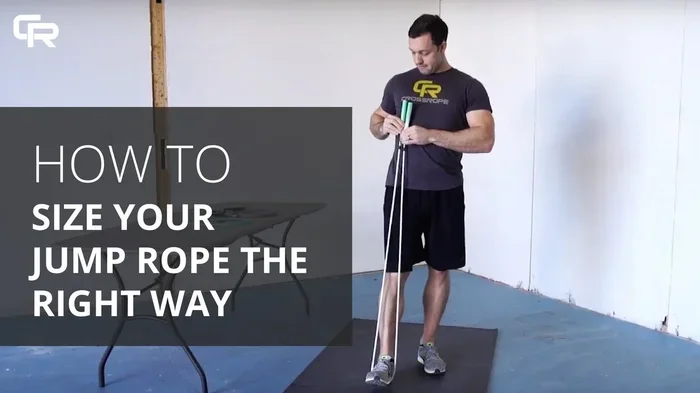
Not all jump ropes are created equal. A basic speed rope with lightweight handles is perfect for beginners. Make sure the rope length is correct for your height. When you step on the middle of the rope, the handles should reach your armpits.
Step 2: Start Short
Do not try to jump for 30 minutes on day one. Start with just 2 to 3 minutes of continuous jumping. Rest for 30 seconds, then repeat. Over the next few weeks, gradually increase your jumping time and reduce your rest periods.
Step 3: Build a Routine
Treat your jump rope workout like you would treat a run. Set a schedule, warm up first, and cool down afterward. A typical session might include 5 minutes of warm-up jumping, 10 to 15 minutes of main work, and 5 minutes of cool-down. This structure keeps your workouts safe and effective.
Step 4: Track Your Progress
Keep a log of how long you jump, how many rounds you complete, and how you feel. Tracking your progress keeps you motivated and helps you see improvements over time. You can also monitor your heart rate to ensure you are working in the right training zone for your goals.
Common Mistakes to Avoid When Switching From Running to Jump Rope
Making the switch to jump rope can be exciting, but there are a few common mistakes that trip up beginners. Avoid these pitfalls to get the most out of your workout.
- Using the wrong rope length: A rope that is too long will drag on the ground, and one that is too short will constantly hit your head. Always size your rope correctly.
- Jumping too high: You only need one to two inches of clearance off the ground. Jumping higher than necessary wastes energy and stresses your calves.
- Ignoring proper footwear: Even though jump rope is low impact, you still need supportive shoes to cushion your feet and protect your ankles.
- Skipping warm-ups: Jumping rope cold can strain your calves and Achilles tendons. Always do a few minutes of light movement before you start.
- Overtraining: Your calves and shins need time to adapt to rope jumping. Start slowly and increase your volume gradually to avoid soreness or injury.
Expert Insights on Jump Rope as a Running Alternative
Many fitness professionals and coaches now recommend jump rope as a primary cardio exercise instead of running. The reasons are clear and well-supported by science.
Jump rope improves your aerobic capacity just as effectively as running, but with less joint stress. It also develops explosive power, agility, and quickness that running simply cannot provide. For athletes training for sports like boxing, basketball, and tennis, rope jumping is often preferred over jogging because it mimics the quick, rhythmic movements used in those sports.
Some elite runners even incorporate jump rope into their training routines. It helps them build calf strength, improve foot speed, and maintain cardiovascular fitness during recovery periods when running would be too taxing on their bodies. This cross-training benefit makes jump rope a valuable tool for any serious athlete.
If you are curious about how much jump rope you should include in your weekly routine, experts generally recommend 3 to 5 sessions per week, with each session lasting 15 to 30 minutes. This frequency provides excellent cardiovascular conditioning while allowing your body adequate rest and recovery.
Final Thoughts
So, can you do jump rope instead of running? Absolutely. Jump rope is a fantastic running alternative that offers equal or better calorie burn, less joint stress, better coordination, and incredible convenience. Whether you are a complete beginner or a seasoned athlete, rope jumping can fit into your fitness routine and help you reach your goals.
The best exercise is the one you will actually do consistently. If jump rope gets you moving more often and keeps you motivated, then it is the right choice for you. Grab a rope, find some space, and start jumping your way to better fitness today.
For more guidance on building a complete jump rope routine, explore our other resources on daily jump rope amounts and calorie burn estimates to help you plan your workout schedule effectively.
Frequently Asked Questions
Is jump rope better than running for weight loss?
Both exercises are effective for weight loss, but jump rope burns more calories per minute and requires less time. A 15-minute jump rope session can match a 30-minute run in calorie burn. The best exercise for weight loss is the one you enjoy and can do consistently.
Can jump rope replace running for cardiovascular health?
Yes, jump rope improves cardiovascular fitness just as effectively as running. It raises your heart rate, strengthens your heart, and improves your aerobic capacity. Many doctors and trainers recommend rope jumping as a safe and effective alternative to running for heart health.
How long should I jump rope to get the same benefits as a 30-minute run?
A 15 to 20-minute jump rope session at moderate intensity provides similar cardiovascular benefits to a 30-minute run. If you increase the intensity with intervals, you can get even better results in less time. Start with 15 minutes and gradually increase as your fitness improves.
Is jump rope safe for people with knee problems?
Jump rope is generally much safer for knees than running because it is a low-impact exercise. The balls of your feet absorb the shock, and there is no repetitive pounding on your joints. However, if you have serious knee issues, consult your doctor before starting any new exercise program.
What kind of jump rope should beginners use?
Beginners should start with a basic speed rope that has lightweight handles and a thin cable. These ropes are easy to spin, affordable, and perfect for learning the basics. Once you are comfortable, you can explore weighted ropes or beaded ropes for different training effects.
Can I do jump rope every day instead of running?
Yes, you can do jump rope every day, but it is wise to start with 3 to 5 sessions per week and let your body adapt. Daily jumping can lead to calf and shin soreness if you increase too quickly. Listen to your body and take rest days when needed to prevent overuse injuries.