Will a Rowing Machine Get Me in Shape
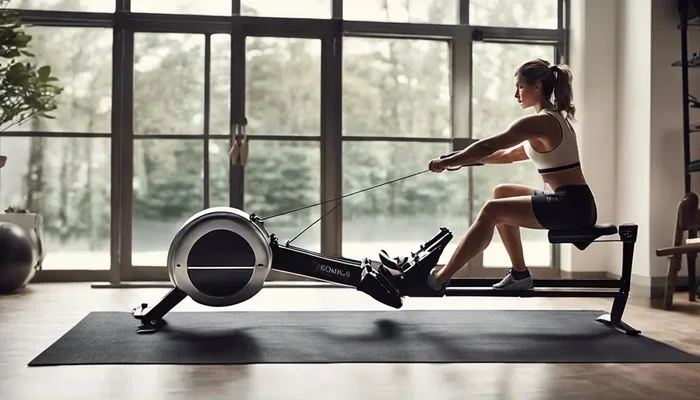
Will a rowing machine get me in shape? Absolutely. A rowing machine delivers a powerful full-body workout that targets your legs, arms, back, and core while boosting cardiovascular fitness. It burns serious calories, improves endurance, and helps you lose weight effectively — all with low impact on your joints. Whether you are a beginner or a fitness pro, rowing can help you reach your fitness goals faster than you think.
Key Takeaways
- Full-Body Workout: Rowing engages over 80% of your muscles, including legs, back, arms, and core.
- Effective for Weight Loss: A single session can burn 400-800 calories depending on intensity and duration.
- Low Impact, High Reward: Gentle on joints while still delivering serious cardiovascular benefits.
- Suitable for All Fitness Levels: You can adjust resistance and pace to match your current ability.
- Boosts Heart Health: Regular rowing strengthens your heart and improves circulation over time.
- Quick Results: Consistent rowing sessions combined with proper form yield visible changes in weeks.
📑 Table of Contents
- Will A Rowing Machine Get Me In Shape?
- How a Rowing Machine Transforms Your Body
- How to Use a Rowing Machine Effectively
- Rowing for Weight Loss and Fat Burning
- Rowing Machine vs Other Equipment
- How Often Should You Row to Get in Shape?
- Realistic Expectations: What Results Can You Expect?
- Final Thoughts
Will A Rowing Machine Get Me In Shape?
If you have been wondering whether a rowing machine can actually transform your body, the short answer is yes. Rowing is one of the most efficient exercises you can do. It works your entire body, torches calories, and builds real functional strength. Unlike machines that isolate one muscle group, a rowing machine pulls everything into the movement.
People often think rowing is just an arm workout. That is a myth. Every stroke engages your legs, core, back, shoulders, and arms. This makes it a full-body exercise that delivers results fast. Whether you want to shed pounds, build muscle, or improve your heart health, rowing checks every box.
The beauty of indoor rowing is its simplicity. You do not need fancy equipment or a gym membership to start. A basic machine at home is all you need. And the best part? You can see real progress within just a few weeks of consistent training.
Why Rowing Works So Well for Getting in Shape
Rowing combines strength and cardio into one movement. This is called a compound exercise. When you row, you are not just burning calories during the workout. Your body keeps burning calories after you finish. This is known as the afterburn effect. It means your metabolism stays elevated for hours after your session ends.
Rowing also builds lean muscle. More muscle means your body burns more calories at rest. This is a huge advantage for anyone trying to lose weight or get toned. You are essentially training your body to become a calorie-burning machine even when you are sitting on the couch.
The cardiovascular fitness benefits are equally impressive. Rowing raises your heart rate quickly and keeps it there. Over time, your heart gets stronger. Your lungs become more efficient. Your body delivers oxygen to your muscles more effectively. All of these changes translate into better endurance and more energy throughout your day.
How a Rowing Machine Transforms Your Body
Let us talk about what actually happens to your body when you start rowing regularly. Understanding the science behind the workout helps you stay motivated.
Muscle Groups Targeted by Rowing
Rowing is famous for being a full-body workout. Here is a breakdown of the muscles you engage with every stroke:
- Legs: Your quads, hamstrings, and calves power the drive phase of each stroke. Your legs generate the most force.
- Core: Your abs and lower back stabilize your torso throughout the movement. A strong core is essential for proper rowing technique.
- Back: Your lats and rhomboids pull the handle toward your torso. This builds a stronger, more defined back.
- Arms and Shoulders: Your biceps, triceps, and deltoids finish the stroke by pulling the handle to your chest.
Because so many muscles work together, rowing burns more calories than isolation exercises. A 30-minute moderate rowing session can burn between 300 and 500 calories. Push the intensity higher, and you can burn even more. Compare that to a stationary bike, which mainly targets your legs.
Cardiovascular and Heart Health Benefits
Your heart is a muscle. Like any muscle, it gets stronger with exercise. Rowing is excellent for heart health because it raises your heart rate to a moderate or vigorous level. This improves your cardiovascular endurance over time.
Studies show that regular cardiovascular exercise reduces the risk of heart disease, stroke, and high blood pressure. Rowing gives you all of these benefits in a single, efficient workout. You do not need to spend hours on the machine to see results. Even 20 to 30 minutes a few times a week can make a big difference.
If you are new to exercise, rowing is a great place to start. It is low impact, meaning it is gentle on your knees, hips, and ankles. You get the benefits of cardio without the stress that running puts on your joints.
How to Use a Rowing Machine Effectively
Proper form is the key to getting the most out of your rowing sessions. Bad form leads to injuries and poor results. Learning the correct technique early saves you time and frustration.
The Rowing Stroke: A Simple Breakdown
The rowing stroke has four phases. Think of it as a smooth, continuous motion:
- The Catch: You start with your knees bent, shins vertical, and arms extended forward. This is the starting position.
- The Drive: Push with your legs first, then lean back slightly, and finally pull the handle to your lower chest. The power comes from your legs.
- The Recovery: Extend your arms forward, lean your torso slightly forward, and then bend your knees to slide back to the catch position.
- Repeat: Maintain a smooth, rhythmic flow between these phases. Do not rush.
Getting this sequence right takes practice. Start slow and focus on technique before increasing intensity. Once the movement feels natural, you can push harder and go faster.
Common Mistakes to Avoid
Many beginners make the same errors. Here are a few to watch out for:
- Overusing your arms: Your arms should finish the stroke, not power it. The legs do the heavy lifting.
- Rounding your back: Keep your spine neutral and core engaged throughout the stroke. A rounded back leads to pain and injury.
- Sliding too fast: Rushing the recovery phase throws off your rhythm. Control the movement on the way back.
- Setting resistance too high: Especially as a beginner, start with moderate resistance. High resistance too soon can strain your muscles and joints.
Rowing for Weight Loss and Fat Burning
If your goal is to lose weight, rowing is one of the best tools you can use. It combines high calorie burn with muscle building. This dual action makes it far more effective than cardio-only exercises like jogging on a treadmill.
To maximize weight loss, try mixing up your rowing sessions. Here is a simple weekly plan:
- Steady State Rowing: Row at a moderate pace for 30 to 45 minutes. This builds endurance and burns fat.
- Interval Training: Alternate between 1 minute of hard rowing and 1 minute of easy rowing. Repeat for 20 minutes. This boosts your calorie burn and keeps your metabolism elevated after the workout.
- Long Slow Distance: Row for 60 minutes at a comfortable pace. This is great for active recovery days.
For best results, pair your rowing routine with a healthy diet. Exercise alone is not enough. But when you combine consistent rowing with balanced nutrition, the results speak for themselves. Many people start seeing changes in their body composition within four to six weeks.
Rowing also helps reduce belly fat specifically. While spot reduction is a myth, rowing burns overall body fat, including the stubborn fat around your midsection. The intense core engagement during every stroke helps tone your abdominal muscles too.
Rowing Machine vs Other Equipment
How does a rowing machine compare to other popular workout equipment? Let us look at the differences.
| Feature | Rowing Machine | Treadmill | Exercise Bike |
|---|---|---|---|
| Muscles Worked | Full body (80%+) | Lower body | Lower body |
| Calorie Burn (30 min) | 300-800 | 250-400 | 200-400 |
| Impact Level | Low | High | Low |
| Joint Friendly | Yes | No | Yes |
| Upper Body Engagement | Yes | No | No |
| Space Required | Medium | Large | Small |
As you can see, the rowing machine offers a unique advantage. It is one of the few machines that works your upper and lower body simultaneously. This makes every minute of your workout more efficient. If you are short on time but want maximum results, rowing is hard to beat.
Compared to a treadmill, rowing is much gentler on your joints. Running puts repeated stress on your knees and ankles. Rowing uses a smooth gliding motion that is easy on your body. This makes it an excellent option for people who are overweight, older, or recovering from injuries.
How Often Should You Row to Get in Shape?
Consistency is the secret to any fitness transformation. How often should you row? Here is a realistic breakdown:
- Beginners: Start with 3 sessions per week, 20 to 30 minutes each. Focus on learning proper form and building a habit.
- Intermediate: Increase to 4 to 5 sessions per week, 30 to 45 minutes. Mix steady state and interval training.
- Advanced: Aim for 5 to 6 sessions per week, 45 to 60 minutes. Include challenging interval workouts and longer endurance rows.
Your body needs rest to recover and grow stronger. Do not row every single day when you are just starting out. Give yourself at least one or two rest days per week. On rest days, you can do light stretching, walking, or yoga to stay active.
Track your progress to stay motivated. Note your distance, time, and stroke rate after each session. Watching your numbers improve over weeks and months is incredibly rewarding. It keeps you coming back to the machine.
Realistic Expectations: What Results Can You Expect?
Setting realistic goals keeps you from getting discouraged. Here is what you can expect from a consistent rowing routine:
- Weeks 1-2: You will feel stronger and more energized. Your muscles will be sore at first, but this fades quickly as your body adapts.
- Weeks 3-4: Your endurance improves. You can row longer and harder without feeling exhausted. You may notice better posture and less back pain.
- Weeks 5-8: Visible changes start to appear. Your clothes fit differently. Your body looks more toned. Your cardiovascular fitness has improved noticeably.
- Months 3 and beyond: Significant body composition changes. You have lost fat and gained muscle. Your overall fitness level has transformed.
Remember, everyone is different. Your results depend on factors like your starting fitness level, diet, sleep quality, and consistency. But one thing is certain — rowing delivers real, measurable results when you stick with it.
If you want to learn more about how long it takes to see results from rowing, check out our guide on how long on a rowing machine to lose weight. And if you are curious about whether rowing alone can get you in shape, read our article on can you get fit just using a rowing machine.
Final Thoughts
Will a rowing machine get me in shape? Without a doubt. Rowing is one of the most effective, efficient, and accessible exercises available. It works your entire body, burns massive calories, and improves your heart health. It is gentle on your joints and suitable for every fitness level.
The key to success is consistency and proper form. Show up regularly, focus on your technique, and gradually increase your intensity. Pair your rowing workouts with a balanced diet, and you will be amazed at the transformations your body can achieve.
Whether you are looking to lose weight, build muscle, improve endurance, or simply feel better in your own skin, a rowing machine can help you get there. Start today, stay committed, and enjoy the journey to a fitter, stronger you.
For more tips on using a rowing machine effectively, visit our guide on how to use a rowing machine to lose weight. And to explore all the amazing benefits of a rowing machine, check out our comprehensive benefits article.
Frequently Asked Questions
Can a rowing machine get me in shape quickly?
Yes, a rowing machine can help you get in shape relatively quickly. With consistent sessions of 3 to 5 times per week, most people start seeing noticeable improvements in strength, endurance, and body composition within 4 to 8 weeks. The speed of your results depends on your diet, intensity level, and overall consistency.
Is rowing better than running for getting in shape?
Rowing and running each have their strengths. Rowing is a full-body workout that burns more muscles and is easier on your joints. Running primarily works your lower body and can be hard on your knees. For many people, rowing is a better choice because it delivers a complete workout with less risk of injury.
How long should I row each session to see results?
For beginners, 20 to 30 minutes per session is a great starting point. As you build endurance, you can increase to 45 to 60 minutes. The key is consistency. Three to five sessions per week at a moderate to high intensity will produce real results over time.
Can rowing help me lose belly fat specifically?
Rowing helps you burn overall body fat, including belly fat. While you cannot target fat loss in just one area, rowing’s intense full-body engagement burns calories effectively and tones your core muscles. Combined with a healthy diet, regular rowing can significantly reduce belly fat over time.
Do I need to be fit to start using a rowing machine?
Not at all. Rowing machines are suitable for all fitness levels. You can adjust the resistance and pace to match your current ability. Beginners should start with low resistance and shorter sessions, then gradually increase as their fitness improves. The beauty of rowing is that it adapts to you.
What is the best rowing workout for beginners?
A great beginner workout is 20 minutes of steady-state rowing at a moderate pace. Focus on mastering your technique first. Keep your strokes smooth and controlled. As you get comfortable, you can add short intervals of higher intensity. Consistency matters more than intensity when you are just starting out.