What Part of Your Body Does Rowing Work
Rowing is one of the most effective full-body workouts you can do. It targets your legs, back, arms, and core all at once. Whether you use a machine or row on water, you will build strength and boost cardio fitness. This guide breaks down exactly what part of your body does rowing work and how to get the most from every stroke.
Have you ever wondered what part of your body does rowing work? The answer might surprise you. Rowing is not just an arm exercise. It is a full-body movement that engages almost every major muscle group. From your legs to your back, arms, and core, rowing delivers a complete workout in one motion.
Whether you are using a rowing machine at the gym or hitting a lake for outdoor rowing, the benefits are enormous. People choose rowing because it builds muscle, burns calories, and improves heart health all at the same time. It is also easy on your joints, which makes it a great option for beginners and seasoned athletes alike.
In this guide, we will break down exactly which muscles rowing targets, how each part of the stroke works, and why it might become your favorite exercise. You will also learn about proper form, common mistakes, and tips to get the most out of every session.
Key Takeaways
- Rowing works over 80% of your body’s muscles, making it one of the most efficient full-body exercises available.
- Your legs are the primary power source during each rowing stroke, generating about 60% of the force.
- Your back, arms, and core all play key roles in pulling and stabilizing throughout the movement.
- Rowing is low impact, which makes it gentle on your joints while still delivering intense results.
- Proper form is essential to avoid injury and maximize muscle engagement.
- Rowing boosts both strength and cardiovascular fitness at the same time.
- Beginners can start with short sessions and gradually build up intensity and duration.
📑 Table of Contents
- What Part Of Your Body Does Rowing Work?
- How the Rowing Stroke Targets Different Muscles
- Benefits of Rowing for Your Body
- Proper Rowing Form to Maximize Results
- Rowing for Beginners: How to Get Started
- Rowing vs. Other Cardio Machines
- How Often Should You Row?
- Common Mistakes to Avoid
- Final Thoughts
What Part Of Your Body Does Rowing Work?
Rowing is famous for being a full-body workout. Unlike machines that isolate one muscle, rowing trains multiple muscle groups at the same time. Let us look at the main areas it targets.
Legs and Lower Body
Your legs do the heavy lifting during rowing. The quadriceps, hamstrings, glutes, and calves all fire up during the drive phase of each stroke. This is where you push off the footplate and extend your legs. Your lower body generates the most power in the entire movement.
Think of it like a squat combined with a push. Your glutes and quads work together to propel you forward. Over time, rowing builds lean muscle in your legs and improves lower body endurance.
Back and Upper Body
After your legs push, your back takes over. The latissimus dorsi, rhomboids, and trapezius muscles all engage during the pull phase. These are the big muscles across your upper and mid-back. They help you pull the handle toward your torso.
Your biceps, forearms, and shoulders also join in. They control the handle and guide the movement. This is why many people notice improved upper body strength after consistent rowing sessions.
Core Muscles
Your core is the bridge between your upper and lower body during rowing. The abdominals, obliques, and lower back all work to stabilize your torso. Without a strong core, your power leaks out and your form breaks down.
Rowing actually trains your core in a functional way. You are not just crunching or holding a static position. Your core rotates and stabilizes with every single stroke. This builds real-world strength that carries over to other activities.
How the Rowing Stroke Targets Different Muscles
Understanding the rowing stroke helps you see why it works so many muscles. The stroke has four main phases, and each one activates different muscle groups.
The Catch
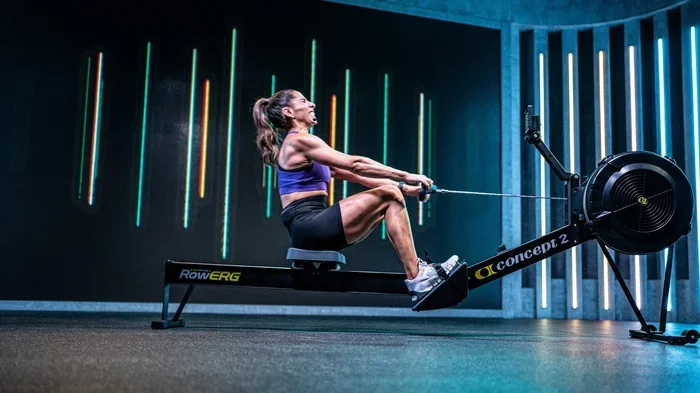
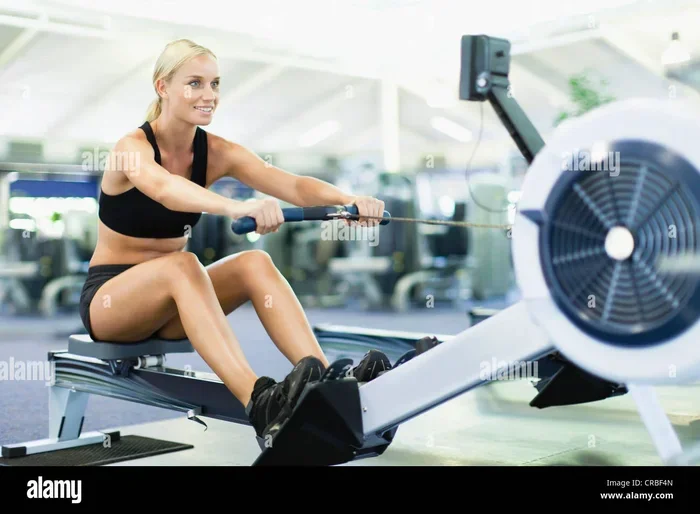
This is the starting position. You are leaned forward with your knees bent and arms extended. Your hamstrings, calves, and core are engaged and ready to drive the movement.
The Drive
This is the power phase. Your legs push first, then your torso swings back, and finally your arms pull the handle. This sequence fires up your quads, glutes, hamstrings, back, biceps, and shoulders in one smooth motion.
The Recovery
This is the return phase. Your arms extend, your torso leans forward, and your knees bend. Your core and hamstrings control the movement as you reset for the next stroke.
The Finish
At the end of the drive, your legs are extended, your torso is slightly leaned back, and the handle is pulled to your lower chest. Your abs and back hold this position briefly before the recovery begins.
For a deeper dive into how each muscle group is activated, check out our guide on what part of the body does rowing machine work 2 for more detailed breakdowns.
Benefits of Rowing for Your Body
Rowing offers so many benefits beyond just building muscle. Here is why it is worth adding to your routine.
Full-Body Strength
Because rowing works so many muscles at once, you get a balanced strength workout. You are not skipping leg day or ignoring your back. Every stroke builds strength across your entire body.
Cardiovascular Health
Rowing raises your heart rate quickly. It is a fantastic cardio exercise that improves heart and lung function. Regular rowing can lower blood pressure, improve circulation, and boost your overall endurance.
Low Impact on Joints
Unlike running or jumping, rowing is gentle on your knees, hips, and ankles. The seated position removes impact stress. This makes it a great option for people recovering from injuries or those with joint concerns.
Calorie Burning
Rowing burns a significant number of calories. Because it engages so many muscle groups, your body works hard to fuel the movement. A vigorous rowing session can burn as many calories as running, but with less stress on your body.
Improved Posture
Rowing strengthens the muscles that support good posture. Your back extensors, rhomboids, and core all get stronger. Over time, you may notice you stand taller and feel less slouchy during the day.
Want to learn more about how rowing shapes your body? Visit our article on what part of the body does rowing machine tone to explore the toning benefits in detail.
Proper Rowing Form to Maximize Results
Good form is the key to getting the most out of rowing and staying injury-free. Here are the key points to remember.
Start with the Correct Setup
Sit on the seat with your feet secured in the straps. Your knees should be over your ankles when you are at the catch. Keep your back straight and your shoulders relaxed. Grip the handle lightly but firmly.
Follow the Sequence
The most important rule in rowing is the sequence: legs, torso, arms. During the drive, push with your legs first. Then swing your torso back. Finally, pull the handle to your chest. On the recovery, reverse the order: arms, torso, legs.
Keep Your Core Engaged
Your core should stay tight throughout the entire stroke. This protects your lower back and transfers power efficiently. If you feel your lower back rounding, slow down and focus on bracing your abs.
Avoid Common Mistakes
Many beginners make a few common errors. Do not pull with your arms too early. Do not lean too far back at the finish. Do not rush the recovery. Smooth, controlled movements are always better than fast, jerky ones.
For more insight into how rowing affects your body from head to toe, check out what does a rowing machine work on your body for a comprehensive look at the physiological effects.
Rowing for Beginners: How to Get Started
If you are new to rowing, starting the right way matters. Here is a simple plan to ease into it.
Start with Short Sessions
Begin with 10 to 15 minute sessions. Focus on learning the stroke sequence rather than going fast or hard. Form first, speed second.
Use a Low Resistance Setting
Most rowing machines have adjustable resistance. Start at a low or moderate level. This lets you focus on technique without exhausting your muscles too quickly.
Build Up Gradually
After a week or two, increase your session length by a few minutes. You can also raise the resistance slightly. The goal is steady progress, not instant intensity.
Mix Rowing with Other Exercises
Rowing pairs well with strength training, yoga, and stretching. A balanced routine keeps your body moving in different ways and prevents boredom.
Track Your Progress
Most machines display strokes per minute, distance, and calories burned. Use these numbers to see how you improve over time. Watching your numbers go up is a great motivator.
Rowing vs. Other Cardio Machines
How does rowing compare to other popular cardio machines? Let us look at a quick comparison.
| Machine | Muscles Worked | Impact Level | Cardio Benefit |
|---|---|---|---|
| Rowing Machine | Full body (80%+ muscles) | Low | Excellent |
| Treadmill | Legs, core | High | Excellent |
| Elliptical | Legs, arms | Low | Good |
| Stationary Bike | Legs | Low | Good |
Rowing stands out because it works your upper and lower body together. Treadmills mainly target your legs. Bikes focus almost entirely on your lower body. The elliptical offers some upper body involvement but does not match the full-body engagement of rowing.
If you want a workout that saves time and delivers results, rowing is hard to beat. It gives you strength, cardio, and flexibility training all in one efficient session.
How Often Should You Row?
The frequency of your rowing sessions depends on your goals and fitness level. Here are some general guidelines.
- Beginners: 2 to 3 sessions per week, 15 to 20 minutes each.
- Intermediate: 3 to 4 sessions per week, 20 to 30 minutes each.
- Advanced: 4 to 6 sessions per week, 30 to 45 minutes or more.
Always listen to your body. Rest days are important for muscle recovery and injury prevention. Mix rowing with other forms of exercise for the best overall results.
Common Mistakes to Avoid
Even experienced rowers sometimes fall into bad habits. Here are the mistakes to watch out for.
- Rushing the stroke: Speed without control leads to poor form and less power.
- Rounding your back: This puts unnecessary strain on your lower back and spine.
- Overgripping the handle: A tight grip wastes energy and can cause forearm fatigue.
- Using only your arms: Your arms should finish the stroke, not start it.
- Skipping the warm-up: Cold muscles are more prone to injury. Always warm up before rowing.
Focusing on these areas will help you row safer and more effectively. Small adjustments in technique can make a big difference in your results.
Final Thoughts
So, what part of your body does rowing work? The honest answer is almost all of it. From your legs and glutes to your back, arms, and core, rowing is one of the most efficient exercises you can do. It builds strength, improves heart health, burns calories, and does it all with low impact on your joints.
Whether you are a complete beginner or a fitness veteran, rowing has something to offer. Start with proper form, build up gradually, and enjoy the journey. Your entire body will thank you.
Rowing is more than just a workout. It is a path to better health, stronger muscles, and more energy every day. Grab that handle, push off, and let every stroke take you closer to your fitness goals.
Frequently Asked Questions
Does rowing work your abs?
Yes, rowing actively engages your abdominal muscles throughout every stroke. Your core stabilizes your torso during the drive and recovery phases. Over time, this can help strengthen and define your abs.
Is rowing good for weight loss?
Absolutely. Rowing burns a high number of calories because it works so many muscle groups at once. Combined with a healthy diet, regular rowing can support steady and sustainable weight loss.
Can rowing replace running for cardio?
Rowing can be a great replacement for running, especially if you want a low-impact option. It provides excellent cardiovascular benefits without the joint stress that running can cause.
How long should a rowing session last?
For beginners, 15 to 20 minutes is a great starting point. As you build endurance, you can gradually increase to 30 minutes or more per session.
Will rowing make my legs bulky?
No, rowing tends to build lean, toned muscle rather than bulky muscle. It strengthens your legs while also burning calories, which helps create a slim and defined look.
What is the best time of day to row?
The best time to row is whenever you can be consistent. Some people prefer morning rowing to energize their day, while others enjoy it as an evening stress reliever. Choose what fits your schedule best.
=== CONCLUSION ===
Rowing is a powerful, full-body exercise that delivers real results. It targets your legs, back, arms, and core with every single stroke. The beauty of rowing is that it combines strength training and cardio into one smooth, efficient movement. Whether you are looking to build muscle, lose weight, or improve your heart health, rowing checks every box.
Start slow, focus on form, and let your body adapt. Over time, you will notice stronger muscles, better endurance, and improved posture. The rowing machine is one of the most versatile pieces of equipment you can use, and now you know exactly what part of your body does rowing work.
So get out there, hop on that rower, and start your journey toward a stronger, healthier body. Every stroke counts, and every session brings you one step closer to your goals.