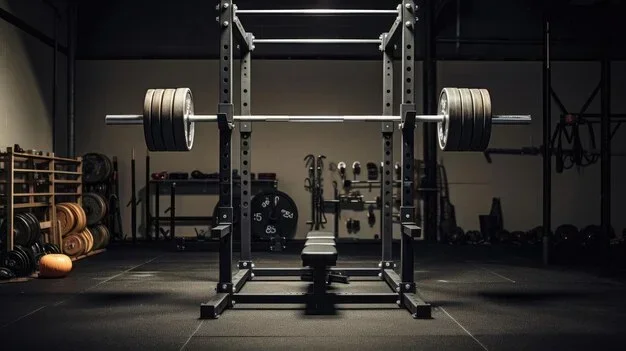
Which Is Better Barbell or Dumbbell Chest Press

The barbell chest press lets you lift heavier and build raw strength, while the dumbbell chest press offers a greater range of motion and targets stabilizer muscles. Both exercises work your pectorals, shoulders, and triceps, but they hit your muscles in different ways. Choosing the right chest press depends on your fitness goals, experience level, and any joint concerns you may have.
When it comes to building a strong, well-developed chest, the barbell or dumbbell chest press is where most lifters start. These two classic chest exercises are staples in almost every gym program. But which one actually delivers better results? That depends on what you are trying to achieve.
The truth is that neither exercise is “better” in a vacuum. Each has unique strengths that serve different goals. A barbell bench press lets you load up more weight and push your limits. A dumbbell bench press gives you freedom of movement and works smaller stabilizing muscles. Let us dive deep into both so you can make the best choice for your chest workout.
Also read: Is It Better to Do Dumbbell Bench or Barbell?
## Why Chest Presses Matter for Your Upper Body
The chest press is one of the most effective compound movements you can do. It targets your pectoral muscles, front deltoids, and triceps all at once. Whether you want to build mass, increase strength, or improve overall upper body function, this exercise should be in your program.
Strength training relies on compound lifts because they work multiple muscle groups simultaneously. The chest press is a perfect example. It also helps with everyday pushing movements, like pushing a door open or carrying heavy objects. This makes it a practical exercise, not just an aesthetic one.
Also read: Can I Do Dumbbell Bench Press Instead of Barbell?
### The Science Behind Chest Hypertrophy
Muscle growth, or hypertrophy, happens when you challenge your muscles with enough tension and volume. Both barbell and dumbbell presses provide this stimulus. The key difference lies in how each variation distributes the load and activates your muscles.
Research shows that the dumbbell chest press allows for greater muscle activation at the bottom of the movement. The barbell chest press lets you handle more total weight, which builds raw strength. Understanding these differences helps you program each exercise correctly.
## Barbell Chest Press: Benefits and Drawbacks
The barbell bench press is often called the king of upper body exercises. It has been a cornerstone of strength training for decades. Let us look at why so many lifters rely on it.
### Muscles Worked with the Barbell Press
The barbell press primarily targets the pectoralis major, which is the large chest muscle. It also works your anterior deltoids (front shoulders) and triceps brachii. Because the barbell locks your hands into a fixed position, the movement is more stable and controlled.
Also read: Should I Do Both Dumbbell and Barbell Bench Press?
### Who Should Use the Barbell Press
The barbell press is ideal for lifters who want to build maximum strength. It is also great for those who want to lift heavier loads over time. If you are training for powerlifting or general strength, this is your go-to chest exercise.
### Benefits of the Barbell Chest Press
– Allows you to lift heavier weights safely
– Builds raw upper body strength effectively
– Easier to track progress with added plates
– Works well for progressive overload
– Great for building mass in the chest
### Drawbacks of the Barbell Chest Press
– Fixed movement pattern limits range of motion
– Can put extra stress on the shoulders
– Less engagement of stabilizer muscles
– Harder to correct muscle imbalances
– May feel uncomfortable for some lifters with shoulder issues
## Dumbbell Chest Press: Benefits and Drawbacks
The dumbbell chest press offers a completely different training experience. It gives you more freedom and flexibility in how you move. Let us explore what makes it special.
### Muscles Worked with the Dumbbell Press
Like the barbell press, the dumbbell version targets your pectorals, shoulders, and triceps. But here is the key difference: dumbbells force your stabilizer muscles to work harder. Each arm works independently, which means your core and smaller shoulder muscles stay engaged throughout the set.
### Who Should Use the Dumbbell Press
The dumbbell press is perfect for those who want a full range of motion. It is also better for lifters recovering from injuries or dealing with joint pain. If you are focused on muscle definition and balanced development, dumbbells are your friend.
### Benefits of the Dumbbell Chest Press
– Greater range of motion for deeper stretch and contraction
– Engages stabilizer muscles more effectively
– Reduces risk of shoulder injuries
– Allows each arm to work independently
– Easier to adjust angles for different chest fibers
### Drawbacks of the Dumbbell Chest Press
– Limits how much weight you can load
– Requires more coordination and balance
– Harder to measure exact progress
– Can tire stabilizer muscles faster
– May not build raw strength as quickly
## Barbell vs Dumbbell Chest Press: Head-to-Head Comparison
So how do these two chest exercises stack up against each other? Let us break it down by key factors.
### Comparison Table
Also read: Is It Better to Do Dumbbell Bench or Barbell?
| Factor | Barbell Chest Press | Dumbbell Chest Press |
|—|—|—|
| Weight Capacity | Higher | Lower |
| Range of Motion | Limited | Greater |
| Stabilizer Activation | Lower | Higher |
| Injury Risk | Moderate | Lower |
| Strength Building | Excellent | Good |
| Muscle Hypertrophy | Very Good | Very Good |
| Ease of Progressive Overload | Easy | Moderate |
| Joint Friendliness | Moderate | Better |
| Fixing Muscle Imbalances | Difficult | Easy |
### Which One Builds More Strength?
If your goal is to get stronger, the barbell press wins. The fixed bar allows you to load more weight and push your limits safely. Powerlifters and strength athletes almost always favor the barbell version for this reason.
### Which One Builds More Muscle?
For pure muscle growth, both exercises are effective. The barbell lets you use heavier loads, which is great for building mass. The dumbbell press provides a deeper stretch and better muscle activation. Many bodybuilders use both to get the best of both worlds.
## Which One Is Better for Your Goals?
Your fitness goals should guide your choice. Here is a simple way to think about it.
### Choose the Barbell Press If:
– You want to build maximum upper body strength
– You are following a powerlifting or strength-focused program
– You want to lift heavier weights over time
– You have healthy shoulders and no joint pain
– You prefer a stable, fixed movement pattern
### Choose the Dumbbell Press If:
– You want a fuller range of motion
– You are dealing with shoulder or wrist issues
– You want balanced chest development
– You are a beginner learning proper form
– You want to engage more stabilizer muscles
Also read: Which Is Better Incline Dumbbell Press or Barbell Press?
## Expert Tips for Choosing the Right Press
Fitness professionals often recommend using both exercises in your routine. Here are some tips from experienced coaches.
Start with the barbell press when you are fresh. Your strength levels are highest at the beginning of a workout. This is when you can handle the heaviest loads safely. Follow it up with dumbbell presses to target stabilizers and finish the chest muscles.
Focus on form over weight. Whether you use a barbell or dumbbells, proper technique matters most. Keep your feet flat on the floor, maintain a natural arch in your lower back, and lower the weight under control. A sloppy rep on a heavy barbell can lead to serious injury.
Vary your grip width. A wider grip targets the outer chest more. A narrower grip shifts the work to your triceps and inner chest. Experiment with different hand positions to find what works best for your body.
Use both tools for progressive overload. You can increase weight on the barbell or add more reps and sets with dumbbells. Both methods stimulate muscle growth and strength gains over time.
## Common Mistakes to Avoid
Even experienced lifters make mistakes with their chest press form. Here are the most common ones to watch out for.
- Bouncing the bar off your chest. This reduces muscle tension and increases injury risk. Lower the bar with control and pause briefly at the bottom.
- Flaring your elbows too wide. This puts unnecessary stress on your shoulder joints. Keep your elbows at about a 45-degree angle from your body.
- Lifting your shoulders off the bench. This shifts the work away from your chest. Keep your shoulder blades squeezed together and pressed into the bench.
- Using too much weight. Lifting beyond your ability leads to poor form and potential injury. Choose a weight that challenges you without sacrificing technique.
- Neglecting the negative phase. Lowering the weight slowly is just as important as pushing it up. Control the descent to maximize muscle activation.
## Key Takeaways for Your Training
The debate between barbell vs dumbbell chest press is not about picking a winner. It is about understanding what each tool offers and using them strategically. The barbell press builds raw strength and lets you lift heavy. The dumbbell press improves muscle activation, range of motion, and joint health.
Most people get the best results by including both exercises in their chest workout routine. Use the barbell for your heavy working sets. Use the dumbbells for accessory work, high-rep sets, and muscle-building focus.
Also read: What Is a Better Workout Treadmill or Rowing Machine?
Your upper body strength and chest development will improve when you train smart and stay consistent. Pick the tools that match your goals, focus on proper form, and progressively challenge yourself over time.
Key Takeaways
- Barbell press: Better for lifting heavy and building maximum strength.
- Dumbbell press: Offers more range of motion and reduces injury risk.
- Both work the chest: But they activate muscles differently.
- Stabilizer muscles: Dumbbells engage more of them than a barbell does.
- Joint health: Dumbbells are often easier on shoulders and wrists.
- Progressive overload: Both tools allow you to increase resistance over time.
- Best approach: Use both in your routine for balanced chest development.
Frequently Asked Questions
Can I replace the barbell chest press with a dumbbell press entirely?
Yes, you can. Many lifters train exclusively with dumbbells and build strong, well-developed chests. However, you may miss out on the heavy loading benefits that the barbell provides for raw strength gains.
Which chest press is better for beginners?
The dumbbell chest press is often better for beginners. It is easier to learn proper form, and it reduces the risk of injury. The fixed position of a barbell can feel intimidating and may cause shoulder strain if form is poor.
How often should I do chest presses in my weekly routine?
Most lifters benefit from training their chest 1 to 2 times per week. This allows enough volume for muscle growth while giving your muscles time to recover between sessions.
Can the barbell chest press cause shoulder injuries?
It can, especially if you use too much weight or flare your elbows excessively. The fixed bar path does not allow your shoulders to move naturally, which can strain the joint over time.
Should I do both barbell and dumbbell chest presses in the same workout?
Yes, this is a great strategy. Start with the barbell press for heavy strength work, then move to dumbbell presses for higher reps and better muscle activation. This combination covers all your bases.
What weight should I start with for the dumbbell chest press?
Begin with a weight you can comfortably press for 10 to 12 reps with good form. Focus on controlling the movement. You can always increase the weight once the exercise feels easy and your form stays solid.
=== CONCLUSION ===
The barbell or dumbbell chest press debate does not have a single right answer. Each exercise brings something valuable to your chest workout. The barbell press builds strength and handles heavy loads. The dumbbell press improves range of motion and muscle activation.
Use both in your routine and you will build a strong, balanced, and well-developed chest. Focus on proper form, progressive overload, and consistency. That is the real formula for chest gains that last.