Where to Do Barbell Rows in the Gym
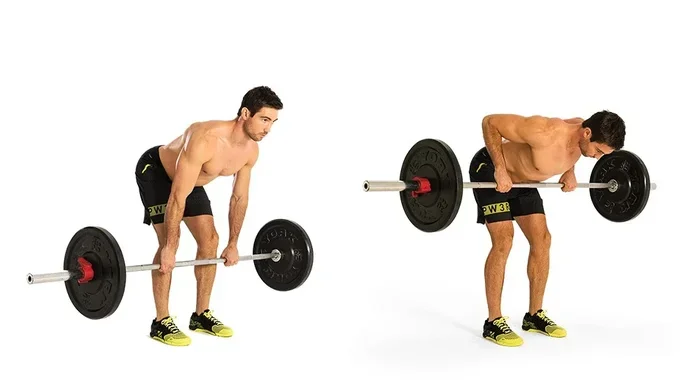
Finding the right spot for your barbell rows in the gym can make or break your workout. You need enough space, the right equipment, and a setup that keeps your form tight. This guide covers the best locations, setup steps, and common mistakes so you can train your back safely and effectively every time you hit the gym.
So you want to add barbell rows to your gym routine. Great choice. This exercise is one of the best ways to build a strong, thick back. But here is the thing most people overlook: where you do barbell rows in the gym matters just as much as how you do them.
Think about it. You are grabbing a heavy barbell, hinging forward, and pulling with your entire upper body. If you are crammed into a corner, too close to other lifters, or standing on a slippery floor, your workout suffers. Worse, your risk of injury goes up. In this guide, we will walk you through the best spots in the gym, how to set up properly, and the mistakes to avoid. By the end, you will know exactly where to set up for your next back workout.
Key Takeaways
- Choose the right area: The free weight section or a squat rack are the best spots for barbell rows in the gym.
- Space matters: You need at least 6-8 feet of clearance behind you to perform barbell rows safely.
- Setup is key: Proper barbell positioning, grip choice, and stance setup directly impact your back muscle engagement.
- Avoid common mistakes: Rounding your back, using too much weight, and poor positioning can lead to injury.
- Multiple variations work: You can do barbell rows with different grips and angles to target different parts of your back.
- Form over weight: Focus on controlled movements and proper barbell row form rather than lifting heavy too soon.
📑 Table of Contents
Why Location Matters for Barbell Rows
The barbell row is a compound movement. That means it works multiple muscle groups at once. Your lats, rhomboids, traps, and rear delts all fire hard during this exercise. But to get the most out of it, you need room to move freely and a stable surface under your feet.
Here is why your location in the gym makes a difference:
- Safety: You need clearance behind you. If you are too close to a wall or other equipment, you cannot hinge properly without hitting something.
- Space for heavy loads: When you are using a heavy barbell weight, you may need to drop it or reset. You need room for that.
- Focus and form: A crowded or distracting area breaks your concentration. Good form requires mental focus.
- Floor stability: Some gym floors are rubber coated and provide grip. Others are smooth and slippery. Your footing matters a lot during rows.
The Best Spots in the Gym for Barbell Rows
Not all areas of the gym are created equal for this exercise. Let us break down the top options so you can pick the right one every time.
1. The Free Weight Section
This is the gold standard for doing barbell rows. Most gyms have a dedicated free weight area with plenty of open floor space. You will find squat racks, benches, and barbells all within reach. The best part? You can set up your barbell positioning exactly how you need it without worrying about bumping into machines.
Look for an area near the racks where you have at least 8 feet of space behind you. Stand with your feet shoulder-width apart, hinge at the hips, and you have room to pull the barbell all the way through the movement. If the gym is busy, try going during off-peak hours for a quieter setup.
2. The Squat Rack
Many lifters prefer to do barbell rows inside a squat rack. It gives you a built-in safety setup. You can set the barbell on the pins at the right height, step back, and begin your set. This is especially helpful if you are training alone and want a quick way to unrack the weight.
However, squat racks can be tight. Make sure you have enough room to step back and perform a full bent over row without the barbell crashing into the rack uprights. If the rack is too small, move to the free weight section instead.
3. The Corner of the Gym Floor
If your gym does not have a dedicated free weight section, the corner of the main gym floor can work. Just make sure the corner is open and not blocked by other equipment. A corner gives you a natural wall behind you, which can feel more stable during the movement.
The downside is that corners often collect dumbbells, kettlebells, and other gear. Clear your space before you start. A cluttered area leads to distractions and potential accidents. Keep your area clean and focused.
How to Set Up Your Barbell Row Station
Once you have picked your spot, the next step is setting up your station properly. A good setup makes the exercise safer and more effective. Here is exactly how to do it.
Step 1: Place the Barbell on the Floor
Start by setting the barbell on the ground. Make sure it is on a flat, stable surface. If your gym has rubber mats, place the barbell on top of them. This prevents the plates from sliding and gives you a solid base. The barbell should be centered under your feet, about midfoot.
Step 2: Choose Your Grip
Your grip affects which muscles you target. An overhand grip (palms facing down) works your upper back and rear delts more. An underhand grip (palms facing up) puts more emphasis on your lats and biceps. Most people use an overhand grip for standard barbell rows. Keep your hands just slightly wider than shoulder-width apart.
Step 3: Set Your Stance
Stand with your feet about hip-width apart. Your knees should be slightly bent. This is your stable base. If your stance is too wide, you limit your range of motion. Too narrow, and you lose balance. Find a comfortable middle ground and lock it in.
Step 4: Hinge at the Hips
Now hinge forward at the hips until your torso is at about a 45-degree angle. Keep your back straight and your core tight. Your chest should be up and proud. This is your starting position. From here, you pull the barbell toward your lower chest or belly button, depending on your preference.
Common Mistakes When Choosing a Spot
Even experienced lifters make mistakes when setting up their barbell row station. Here are the most common ones and how to fix them.
- Standing too close to equipment: This limits your range of motion and can cause you to hit something mid-rep. Always check your clearance first.
- Choosing a slippery floor: Smooth gym floors without mats can cause your feet to slide during the pull. Look for rubber mats or use a non-slip surface.
- Ignoring other gym-goers: Do not set up in a walking path or right next to someone doing a different exercise. Be aware of your surroundings.
- Using a spotter area that is too small: If you are using a squat rack, make sure the rack pins are at the right height and you have room to step back fully.
One thing that trips up a lot of people is thinking they need a bench for barbell rows. You do not. The bent over barbell row is done standing. However, if you prefer a supported version, you can use an incline bench. This takes the pressure off your lower back and lets you focus entirely on pulling. Just make sure the bench is positioned in a spot with enough room behind it for your legs.
Barbell Row Variations You Can Try
Once you have found your perfect spot, you can experiment with different variations. Each one targets your back muscles slightly differently and keeps your workouts fresh.
Pendlay Row
The Pendlay row starts with the barbell on the floor every rep. You reset completely between each pull. This builds explosive strength and teaches you to pull from a dead stop. It is a favorite among powerlifters and competitive athletes.
Yates Row
The Yates row uses an underhand grip and a more upright torso position. This puts more focus on the lower lats and biceps. It is a great variation if you want to add some thickness to the lower part of your back.
Wide-Grip Barbell Row
A wider grip shifts the work more toward your upper back and rear delts. This is a solid choice if you want to build broader shoulders and a thicker upper back. Keep your elbows out wide as you pull.
Quick Tips for a Perfect Barbell Row
Here are some fast tips to keep in mind every time you set up for barbell rows:
- Brace your core before every rep. This protects your lower back and keeps your torso stable.
- Pull with your elbows, not your hands. Think about squeezing your shoulder blades together.
- Control the eccentric (lowering) phase. Do not just drop the barbell. Lower it slowly for better muscle activation.
- Use lifting straps if your grip gives out before your back does. This lets you keep pulling with heavy weight.
- Film yourself occasionally. A quick video check can reveal form issues you cannot feel in the moment.
Expert Insight: How Often Should You Do Barbell Rows
Most fitness experts recommend performing barbell rows 2 to 3 times per week. This gives your back muscles enough stimulus to grow while allowing proper recovery between sessions. If you are new to this exercise, start with 3 sets of 8 to 10 reps. As you get stronger, you can increase the volume or add weight gradually.
For more guidance on how many sets to do, check out our detailed breakdown on how many sets of barbell rows you should do. It is a great resource for planning your back training volume effectively.
Also, if you want to learn more about the muscles this exercise targets, our article on what part of the back barbell rows work goes deep into the anatomy. Understanding the muscles involved helps you train smarter and feel the burn in the right places.
Final Thoughts
So where should you do barbell rows in the gym? The answer is simple: find a spot with enough space, a stable floor, and minimal distractions. Whether you choose the free weight section, a squat rack, or an open corner, what matters most is that you can perform the movement with proper form and full range of motion.
The barbell row is a powerhouse exercise for building a strong, muscular back. But its effectiveness depends heavily on your setup and positioning. Take the time to find the right spot, dial in your form, and avoid the common mistakes we covered. Your back will thank you.
Next time you walk into the gym, do not just grab a barbell and start pulling. Pause for a moment. Look around. Find the right spot. Set up properly. Then go to work. That small shift in habit can lead to bigger gains, fewer injuries, and a much better overall gym experience.
Remember, the best workout is the one you can do safely and consistently. Make barbell rows a regular part of your routine, and you will see real results in your back strength and size over time.
Frequently Asked Questions
Can I do barbell rows anywhere in the gym?
Not really. You need enough space behind you to hinge forward and pull the barbell. The free weight section or a squat rack is best. Avoid tight spots where you might hit equipment or other people during the movement.
Do I need a bench to do barbell rows?
No. The standard barbell row is done standing with no bench. However, you can use an incline bench for a supported version if you want to reduce lower back strain and focus more on the pulling movement.
What is the best floor surface for barbell rows?
Rubber gym floors or rubber mats are ideal. They provide grip for your feet and prevent the barbell plates from sliding. Avoid smooth or wet surfaces that could cause you to slip during the lift.
How do I know if I am doing barbell rows with proper form?
Your back should stay straight, your core should be braced, and you should pull the barbell toward your lower chest or belly. If you feel the work in your back muscles and not your lower back, your form is on point.
Can beginners do barbell rows in the gym?
Yes, beginners can absolutely do barbell rows. Start with a lighter weight and focus on learning the movement pattern. Over time, you can increase the weight as your form improves and your back gets stronger.
How is a barbell row different from a dumbbell row?
A barbell row uses a single barbell with both hands, which allows you to lift heavier total weight. A dumbbell row uses one dumbbell at a time per hand, which can help address muscle imbalances. Both are excellent for building a strong back.