How Do You Clean Your Yoga Mat 2
Keeping your yoga mat clean is essential for hygiene, grip, and longevity. This guide covers everything you need to know about how do you clean your yoga mat, from everyday wiping to deep cleaning methods using safe household products like vinegar, Dawn, and Clorox wipes.
Your yoga mat touches your skin, your sweat, and your feet every single time you practice. Over time, bacteria, dead skin cells, and body oils build up on the surface. This can lead to odors, slippery spots, and even skin irritation. That is why learning how do you clean your yoga mat properly is so important.
A clean mat is more than just a hygiene issue. It directly affects your grip, your comfort, and how long your mat lasts. A well-maintained mat feels better under your hands and feet, which means a better practice overall. Whether you use your mat daily or just a few times a week, regular cleaning should be part of your routine.
In this guide, we walk you through every method you need. We cover what supplies to use, step-by-step cleaning instructions, how often to clean, and common mistakes to avoid. By the end, you will know exactly how to keep your mat fresh and safe for every session.
Key Takeaways
- Regular cleaning prevents bacteria buildup and keeps your mat smelling fresh after every workout.
- Mild soap and water work best for everyday yoga mat cleaning without damaging the material.
- Avoid harsh chemicals like bleach that can break down the foam and reduce grip.
- DIY cleaners with vinegar and essential oils offer a natural, effective alternative to store-bought sprays.
- Proper drying matters just as much as cleaning — never store a damp mat or mold will develop.
- Deep clean your mat monthly to remove sweat, oils, and bacteria that regular wiping misses.
📑 Table of Contents
Why Cleaning Your Yoga Mat Matters
Many people forget that yoga mats collect a lot of germs. Every time you sweat on a mat, moisture gets trapped in the material. This creates the perfect environment for bacteria and fungi to grow. Over days and weeks, this buildup can cause noticeable smells and even skin issues like breakouts or rashes.
Here are the main reasons you should clean your mat regularly:
- Hygiene: Sweat, dirt, and oils create a breeding ground for bacteria. Cleaning removes these contaminants before they become a health risk.
- Grip and performance: A dirty mat becomes slippery. Cleaning restores the texture and traction you need for poses and transitions.
- Odor control: Nobody wants a smelly mat. Regular cleaning eliminates the sour smell that builds up from repeated use.
- Longevity: Proper yoga mat care prevents material breakdown. A clean mat lasts longer and performs better over time.
- Peace of mind: Knowing your mat is sanitized gives you confidence, especially if you practice in a shared or public space.
If you want to dive deeper into the best products for this job, check out our guide on what do you use to clean a yoga mat for a full breakdown of safe and effective options.
What You Need to Clean a Yoga Mat
You do not need expensive or complicated supplies to clean your mat. Most of what you need is already in your home. The key is using gentle, mat-safe products that will not degrade the material or leave a slippery residue.
Basic Supplies for Everyday Cleaning
- Mild liquid soap or detergent: A gentle dish soap works perfectly. Avoid harsh detergents that strip the mat’s surface.
- Warm water: Lukewarm water helps dissolve sweat and oils without damaging the foam.
- Soft cloth or sponge: Use a non-abrasive cloth to avoid scratching or tearing the mat surface.
- Spray bottle: A simple spray bottle makes it easy to apply your cleaning solution evenly across the mat.
Natural DIY Cleaning Solutions
Many people prefer natural cleaning methods. These are gentle on the mat and free from harsh chemicals. Here are two popular options:
Vinegar solution: Mix one part white vinegar with three parts water in a spray bottle. Add a few drops of your favorite essential oil for a pleasant scent. Vinegar is a natural disinfectant that kills bacteria and neutralizes odors effectively.
If you want to try this method, our article on can I use vinegar to clean my yoga mat covers the exact ratios and tips for best results.
Castile soap mix: Combine a few drops of castile soap with warm water in a spray bottle. This plant-based soap is gentle yet effective. It cleans without leaving behind any slippery film that could affect your grip during practice.
Store-Bought Cleaning Options
Commercial yoga mat sprays are convenient and formulated specifically for this purpose. Look for products that are free from alcohol and harsh solvents. Some popular options include mat-specific sprays that disinfect and refresh in one step.
When using pre-moistened wipes, make sure they are safe for foam and rubber materials. For example, many people wonder about using Clorox wipes or Lysol wipes. You can learn more about these options in our articles on cleaning with Clorox wipes and cleaning with Lysol wipes.
Step-by-Step Guide to Cleaning Your Yoga Mat
Now that you have your supplies ready, here is the full process for cleaning your mat. Follow these steps for the best results every time.
Step 1: Prepare Your Cleaning Solution
Start by mixing your chosen cleaner. If you are using the DIY vinegar solution or castile soap mix, pour it into a clean spray bottle. Shake it gently to combine the ingredients. Make sure the solution is not too concentrated, as strong mixtures can leave residue on the mat.
Step 2: Spray the Mat Evenly
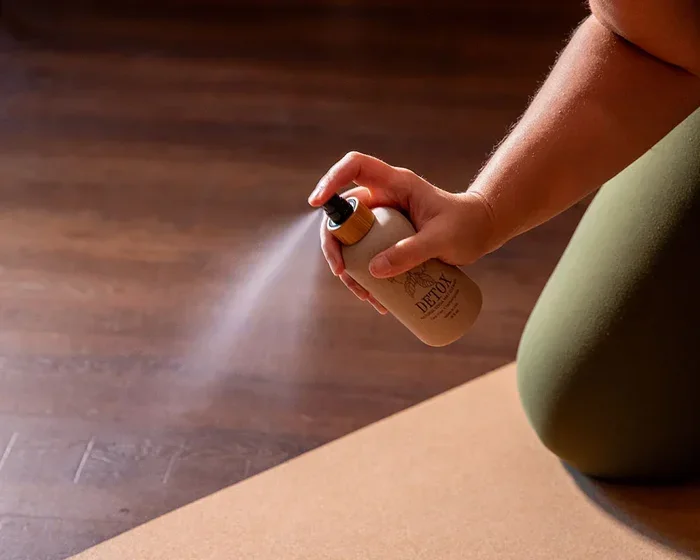
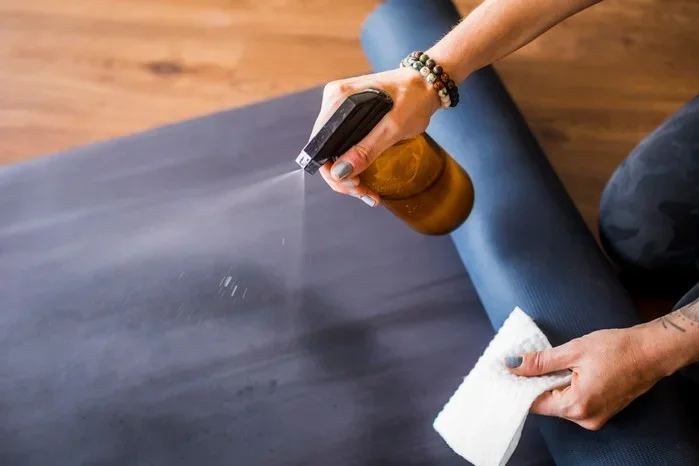
Lay your mat flat on a clean surface. Spray the solution across the entire top side of the mat. Use long, even strokes with the spray bottle. Do not soak the mat — you want it damp, not dripping wet. Excess water can seep into the foam and take longer to dry.
Step 3: Wipe Down the Surface
Take a soft cloth or sponge and gently wipe the mat in long, straight lines. Work from one end to the other. Use light pressure to lift dirt, sweat, and oils from the surface. Avoid scrubbing too hard, as this can damage the texture and reduce the mat’s grip.
For stubborn stains or buildup, you may need to go over the area a second time. Focus on spots where your hands and feet make the most contact, as these areas collect the most oils.
Step 4: Rinse If Needed
If you used a soap-based cleaner, rinse the mat with a clean damp cloth to remove any soap residue. Soap left on the mat can make it slippery and sticky. Wipe with plain water only — no additional soap needed for this step.
For a vinegar-based solution, rinsing is usually not necessary since vinegar does not leave a sticky residue. However, if the smell is too strong for you, a quick rinse will help.
Step 5: Dry Thoroughly
This is the most important step. Hang your mat over a shower rod, banister, or clothesline. Let it air dry completely before rolling it up. Never store a damp mat, as trapped moisture leads to mold and mildew growth.
Drying time varies depending on the mat material and thickness. A thin mat may dry in a few hours, while a thicker mat could take overnight. Make sure both sides are completely dry before storing.
Step 6: Roll and Store Properly
Once your mat is fully dry, roll it up with the top side facing outward. This prevents creasing and keeps the surface texture intact. Store it in a cool, dry place away from direct sunlight, which can break down the material over time.
If you want to maintain your mat between deep cleanings, a quick wipe-down after each session works wonders. Just use a damp cloth with a little mild soap to remove surface sweat and oils.
How Often Should You Clean Your Yoga Mat
The frequency of cleaning depends on how often you use your mat and the intensity of your practice. Here is a simple guideline to follow:
- After every session: Give your mat a quick wipe-down with a damp cloth. This takes less than a minute and prevents buildup from settling in.
- Once a week: Do a more thorough cleaning with your spray solution and cloth. This is ideal for daily practitioners.
- Once a month: Perform a deep clean. Soak the mat partially in a bathtub with mild soap, rinse thoroughly, and dry completely. This removes embedded oils and bacteria that regular wiping misses.
- After illness or shared use: If you have been sick or used a shared mat at a studio, clean it immediately to eliminate germs.
Following this schedule keeps your mat in great shape and ensures your practice stays safe and enjoyable. For additional tips on maintaining your mat, also check out our guide on how do I stop slipping on my yoga mat, which covers grip-related issues that cleaning can help solve.
Common Mistakes to Avoid When Cleaning Your Mat
Even with good intentions, people make mistakes that can damage their mats or reduce their effectiveness. Here are the most common errors to watch out for.
Using Too Much Water
Soaking your mat or using too much water during cleaning can cause the foam to break down. Excess moisture weakens the adhesive layers and can lead to delamination. Always use a damp cloth or a lightly sprayed mat — never a soaked one.
Using Harsh Chemicals
Bleach, ammonia, and strong household cleaners can destroy the surface of your mat. These chemicals strip away the texture and can leave a slippery film that makes poses dangerous. Stick to mild soaps, vinegar solutions, or products specifically designed for yoga mats.
Skipping the Drying Step
Rolling up a damp mat is one of the worst things you can do. Moisture trapped inside creates the perfect environment for mold and bacteria. Always air dry your mat completely before storing it away.
Using Abrasive Tools
Avoid scrub brushes, rough sponges, or anything that could scratch the mat surface. The top layer of your mat provides grip and cushioning, and scratching it will reduce both of those benefits.
Ignoring the Bottom Side
People often focus only on the top of the mat, but the bottom side collects dirt and debris too. Flip your mat occasionally during the drying process and wipe down both sides for thorough cleaning.
Expert Tips for Keeping Your Yoga Mat Fresh
Beyond regular cleaning, there are simple habits that keep your mat in excellent condition for months or even years.
- Wash your hands before practice: This reduces the amount of oil and dirt that transfers to the mat in the first place.
- Use a yoga towel: Placing a towel over your mat during sweaty sessions catches excess moisture and protects the mat surface. Learn more about using yoga towels without a mat in our guide can you use a yoga towel without a mat.
- Rotate your mats: If you have two mats, alternate between them. This gives each mat time to fully dry and air out between uses.
- Store unrolled when possible: Keeping your mat unrolled in a well-ventilated area prevents moisture from getting trapped and reduces odor buildup.
- Avoid direct sunlight: While sunlight can help kill bacteria, prolonged exposure dries out and cracks the material. Keep your mat out of direct sun for extended periods.
- Replace when needed: No amount of cleaning can fix a mat that is visibly worn, cracking, or losing grip. Know when it is time to invest in a new one.
These small habits make a big difference. Your mat will stay cleaner, fresher, and safer to use every time you unroll it.
Conclusion
Learning how do you clean your yoga mat is one of the simplest yet most impactful habits you can build. A clean mat supports better hygiene, stronger grip, and a longer lifespan for your equipment. With the right supplies and a regular schedule, keeping your mat fresh takes just a few minutes each week.
Start with the basic method of mild soap and water. Then explore natural options like vinegar or castile soap for a deeper clean. Avoid common mistakes like using harsh chemicals or storing a damp mat. And remember, consistency is key — a quick wipe after every session goes a long way.
Your yoga practice deserves a clean foundation. Take care of your mat, and it will take care of you in every pose and every flow.
Frequently Asked Questions
Can I use Clorox wipes to clean my yoga mat?
Yes, Clorox wipes can work in a pinch, but they should be used sparingly. The chemicals in Clorox can break down certain yoga mat materials over time. Always check if the wipes are safe for foam and rubber. For a detailed guide on this topic, see our article on cleaning yoga mats with Clorox wipes.
How long does it take for a yoga mat to dry after cleaning?
Drying time depends on the mat thickness and material. A thin mat typically dries in 2 to 4 hours, while thicker mats may need 6 to 8 hours or overnight. Always make sure the mat is completely dry before rolling it up to prevent mold and mildew.
Can I put my yoga mat in the washing machine?
Most yoga mats should not be put in a washing machine, as the agitation can damage the foam and texture. Some thin, durable mats may survive a gentle cycle, but air cleaning is always the safer choice. Check our guide on washing yoga mats for more details on safe methods.
What is the best homemade cleaner for a yoga mat?
A simple mix of water, white vinegar, and a few drops of essential oil makes an excellent homemade cleaner. Another great option is a few drops of castile soap mixed with warm water. Both solutions are gentle on the mat and effective at removing bacteria and odors.
How do I get rid of the smell on my yoga mat?
Odors come from bacteria trapped in sweat and oils. A thorough cleaning with a vinegar solution or castile soap mix usually eliminates the smell. Make sure to dry the mat completely before storing it, as lingering moisture can cause persistent odors.
Should I clean my yoga mat after every use?
A quick wipe-down after every session is ideal, especially if you sweat heavily. A deeper cleaning once a week or once a month is also recommended depending on your usage frequency. Regular cleaning prevents buildup and keeps your mat hygienic and fresh.