What to Use Instead of Barbell at Home
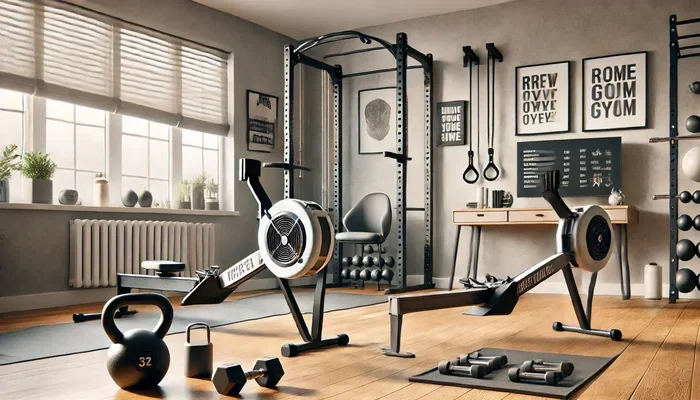
Finding what to use instead of barbell at home is easier than you think. You can build serious strength with resistance bands, household items, and creative bodyweight exercises. This guide covers the best barbell alternatives, practical tips, and expert-backed workouts so you can train effectively without a traditional barbell.
Let’s be honest. Not everyone has a barbell sitting in their home. Maybe you live in a small apartment. Maybe you just moved and your gear is still in boxes. Or maybe you simply want a simpler setup. Whatever the reason, the good news is that what to use instead of barbell at home has never been easier to figure out.
You do not need a fancy gym membership or expensive machines to get stronger. There are plenty of barbell alternatives that work just as well, if not better, for building muscle and burning fat. From resistance bands to everyday household items, you have more options than you might think.
In this guide, we will walk through the best substitutes for a barbell, show you how to use them, and give you practical tips to get the most out of your home workouts. Whether you are a beginner or a seasoned lifter, you will find ideas that actually work.
Key Takeaways
- Resistance bands are a top choice: They mimic barbell movements and are affordable, portable, and easy to store.
- Household items work surprisingly well: Water jugs, backpacks, and sandbags can replace a barbell for many exercises.
- Bodyweight exercises build real strength: Push-ups, squats, and planks are powerful alternatives that need zero equipment.
- Kettlebells and dumbbells are great swaps: They offer similar compound movement benefits without a long barbell.
- DIY weights save money: You can make effective home gym gear from things you already own.
- Consistency matters more than equipment: The best barbell alternative is the one you will actually use regularly.
📑 Table of Contents
- Why You Might Need a Barbell Alternative at Home
- Resistance Bands: The Most Versatile Barbell Swap
- Household Items That Work as DIY Barbell Replacements
- Kettlebells and Dumbbells: The Closest Barbell Replacements
- Bodyweight Exercises That Match Barbell Results
- How to Build a Complete Home Workout Without a Barbell
- Quick Tips for Getting the Most Out of Barbell Alternatives
- Common Mistakes to Avoid When Using Barbell Alternatives
- Expert Insights on Home Strength Training
- Final Thoughts: Finding the Best Barbell Alternative for You
Why You Might Need a Barbell Alternative at Home
Barbells are fantastic for heavy lifting. They let you load up plates and go heavy on squats, deadlifts, and bench presses. But they are not always practical for home use. Here is why many people look for alternatives to barbell training:
- Space limits: A barbell, rack, and plates take up a lot of room.
- Budget constraints: A full barbell setup can cost several hundred dollars.
- Noise concerns: Dropping heavy plates is loud and not apartment-friendly.
- Portability: You cannot easily pack a barbell for travel or small spaces.
- Beginner-friendly needs: Lifting heavy with a barbell carries injury risks for newcomers.
The great thing is that none of these problems stop you from getting a great workout. Strength training at home with the right gear can be just as effective. Let us explore the best options.
Resistance Bands: The Most Versatile Barbell Swap
If you want one piece of gear that replaces a barbell for most exercises, resistance bands are the answer. They are cheap, lightweight, and come in different tension levels. You can loop them around your feet, anchor them to a door, or hold them in your hands.
How Resistance Bands Replace Barbell Movements
Resistance bands work by creating tension throughout the entire range of motion. This is actually different from a barbell, where the resistance stays constant. Bands increase tension as you stretch them, which challenges your muscles in a unique way.
Here are common barbell exercises and how to swap them with bands:
- Barbell Squat → Band-Resisted Squat: Stand on the band and hold the ends at your shoulders. Squat down and push back up against the band’s tension.
- Barbell Bench Press → Band Chest Press: Anchor the band behind you at chest height and press forward just like a bench press.
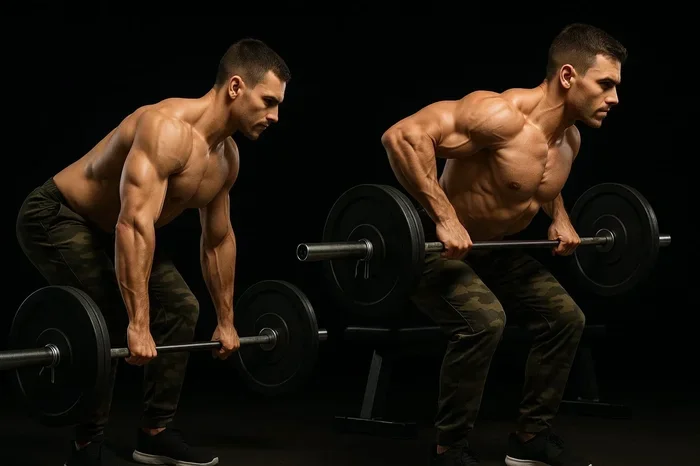
- Barbell Row → Band Row: Step on the band and pull the ends toward your chest, squeezing your shoulder blades.
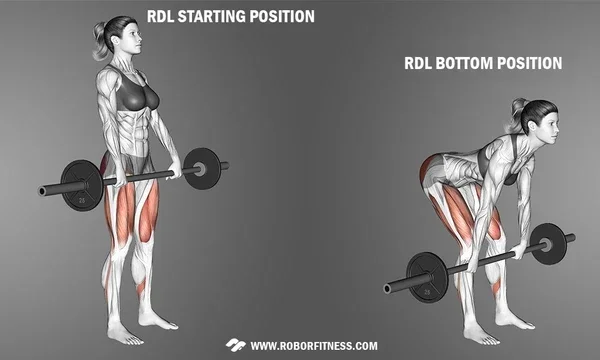
- Barbell Deadlift → Band Deadlift: Stand on the band and hinge at the hips, pulling the band handles upward.
For a deeper dive into what can I use instead of barbell at home, resistance bands are always at the top of the list. They are a staple in any home gym setup and are perfect for home strength training.
Household Items That Work as DIY Barbell Replacements
You do not need to buy anything special. Your home is full of things that can act as homemade weights. This is one of the most underrated barbell alternatives because it costs nothing and sparks creativity.
Water Jugs and Bottles
A filled gallon jug weighs about 8 pounds. You can use it for curls, shoulder presses, and even goblet squats. Stack two jugs for heavier lifts. Water bottles also work well for lighter exercises and warm-ups.
Backpacks Loaded with Books
Fill a sturdy backpack with books, water bottles, or laundry. Wear it on your back during squats, lunges, or push-ups. This is a fantastic bodyweight exercise upgrade that adds real resistance without spending a dime.
Sandbags and Towels
A bag of sand from a hardware store makes an excellent DIY gym equipment piece. You can carry it, press it, or wrap it in a towel for a makeshift kettlebell. Sandbags are perfect for strength training at home because they move differently than rigid weights, engaging more stabilizer muscles.
Towel Rows and Door Exercises
Grab a thick towel, loop it around a sturdy door, and pull yourself forward for an improvised row. This mimics the barbell row perfectly and targets your back and biceps. Just make sure the door is secure and the towel is strong.
These simple swaps prove that weightlifting alternatives are everywhere. You just need to look around and think creatively.
Kettlebells and Dumbbells: The Closest Barbell Replacements
If you want something that feels more like a barbell but still works at home, kettlebells and dumbbells are your best bet. They let you do compound movements that build real strength. And they take up far less space than a full barbell setup.
Why Kettlebells Work So Well
Kettlebells are perfect for swings, goblet squats, Turkish get-ups, and presses. They shift the center of gravity, which challenges your grip and core in ways a barbell cannot. If you are wondering what can I use instead of a kettlebell, the answer is often a dumbbell or even a filled backpack.
Dumbbells for Every Home Gym
Adjustable dumbbells are a space-saving dream. A single pair can replace dozens of barbell exercises. You can do dumbbell rows, chest presses, lunges, and shoulder presses. They are the most popular home gym equipment for a reason.
If you are short on space or budget, check out what to use in place of dumbbells at home for creative ideas using things around your house. The key is to find gear that fits your space and goals.
Comparison: Barbell vs. Common Alternatives
| Feature | Barbell | Resistance Bands | Kettlebells | Household Items |
|---|---|---|---|---|
| Cost | High ($300+) | Low ($15-$50) | Medium ($50-$200) | Free |
| Space Needed | Large | Very Small | Small | Minimal |
| Weight Range | Very Heavy | Light to Medium | Medium to Heavy | Light to Medium |
| Portability | Poor | Excellent | Good | Excellent |
| Best For | Heavy compound lifts | Full-body toning | Functional strength | Budget fitness |
Each option has its place. The best choice depends on your goals, budget, and available space. The beauty of what to use instead of barbell at home is that you have so many paths to choose from.
Bodyweight Exercises That Match Barbell Results
Do not overlook the power of your own body. Many bodyweight exercises can match or even beat barbell moves for building strength and muscle. The key is to adjust leverage, tempo, and volume.
Push-Up Variations for Chest and Shoulders
Standard push-ups work your chest, shoulders, and triceps. But you can make them harder by elevating your feet, adding a slow tempo, or wearing a loaded backpack. Decline push-ups target the upper chest just like an incline barbell press.
Pistol Squats and Lunges for Legs
Single-leg exercises like pistol squats and walking lunges build serious leg strength. They also improve balance and stability, which barbell squats alone do not always do. Start with assisted pistol squats and work toward full reps.
Planks and Hollow Body Holds for Core
A barbell core workout is not the only way to build a strong midsection. Planks, hollow body holds, and leg raises are incredibly effective. They train your core through isometric and dynamic movements that protect your spine.
For more ideas on building strength without traditional weights, explore how to do weight lifting at home without dumbbells. These strategies apply the same principles to any equipment-free routine.
How to Build a Complete Home Workout Without a Barbell
Now that you know the options, let us put it all together. A solid home workout routine uses a mix of equipment types and exercise styles. Here is a simple framework you can follow.
Step 1: Pick Your Equipment
Choose one or two tools from the list below:
- Resistance bands (versatile and cheap)
- A pair of dumbbells or kettlebells
- A loaded backpack (free and effective)
- Your own bodyweight (always available)
Step 2: Plan Your Weekly Routine
Aim for 3 to 4 workout days per week. Each session should include:
- A warm-up with light movement (5 minutes)
- 3 to 4 compound exercises (squats, presses, rows, hinges)
- 2 to 3 accessory exercises for smaller muscles
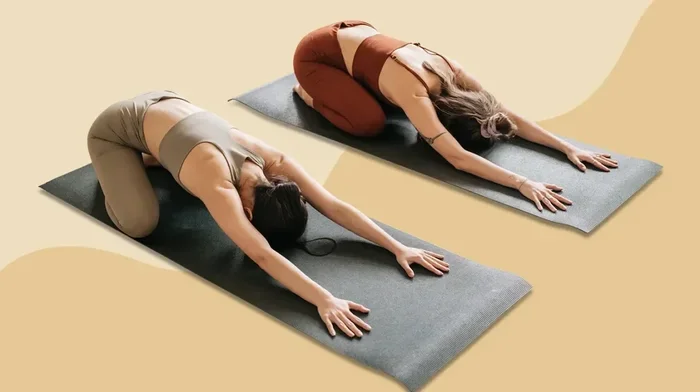
- A cool-down with stretching (5 minutes)
Step 3: Track Your Progress
Keep a simple log of your exercises, sets, and reps. Over time, increase the difficulty by adding reps, slowing down the tempo, or using heavier resistance. Progressive overload is the secret behind all great strength training at home.
The best part about what to use instead of barbell at home is that you can start today with whatever you have. No excuses needed.
Quick Tips for Getting the Most Out of Barbell Alternatives
- Focus on form first: Proper technique prevents injuries and maximizes results, no matter what equipment you use.
- Use slow tempos: Slowing down each rep increases time under tension, which builds more muscle.
- Combine tools: Pair resistance bands with bodyweight moves for a challenging full-body workout.
- Stay consistent: The best home fitness gear is useless if you do not use it regularly.
- Rest and recover: Muscles grow during rest, not during the workout. Give yourself at least one recovery day between sessions.
These tips come from years of coaching and training. They apply whether you use a barbell or the best barbell alternative for your situation. The fundamentals of strength training do not change just because your equipment does.
Common Mistakes to Avoid When Using Barbell Alternatives
Switching from a barbell to other tools can be tricky. Here are mistakes people often make:
- Skipping warm-ups: Without a barbell’s guided path of motion, joints need extra preparation. Always warm up before jumping into exercises.
- Using too much resistance too soon: Bands and household items can be deceiving. Start light and progress gradually.
- Neglecting unilateral work: Many barbell alternatives are single-sided. This is actually a good thing, but it means you must train both sides equally.
- Ignoring core engagement: Without a heavy barbell on your back, your core still needs to work hard. Brace your midsection during every exercise.
- Giving up too early: Results take time. Stick with your home workout routine for at least 4 to 6 weeks before judging progress.
Avoiding these pitfalls keeps your training safe and effective. Remember, the goal is long-term progress, not quick fixes.
Expert Insights on Home Strength Training
Fitness experts agree that the equipment matters less than the consistency and quality of your effort. What to use instead of barbell at home is not just a question of gear, it is a question of strategy.
Many professional coaches recommend starting with bodyweight exercises and gradually adding resistance. This builds a strong foundation of movement patterns before loading them up. The same principles apply whether you use a barbell alternative or a full rack of plates.
One expert tip: always train movements, not just muscles. A squat works your quads, glutes, and core together. A barbell row pulls your lats, rhomboids, and biceps in one motion. Replicate these compound patterns with whatever tools you have, and you will build real-world strength.
For more guidance on setting up a home gym equipment routine that delivers results, focus on the big compound lifts and build your program around those. Everything else is just bonus work.
Final Thoughts: Finding the Best Barbell Alternative for You
There is no single perfect answer to what to use instead of barbell at home. The best choice depends on your budget, space, fitness level, and personal goals. What matters most is that you start and stay consistent.
Resistance bands are affordable and versatile. Household items are free and creative. Kettlebells and dumbbells offer a familiar lifting feel. And bodyweight exercises require absolutely nothing. You can mix and match all of these for a well-rounded home workout program.
The world of strength training at home has exploded in recent years. More people than ever are building impressive physiques without a traditional barbell. With the right approach and a little creativity, you can too.
So pick your favorite option from this guide, clear a small space in your home, and get to work. Your stronger, healthier self is just a workout away. What to use instead of barbell at home is not a limitation, it is an opportunity to train smarter and more creatively.
Frequently Asked Questions
Can I build muscle without a barbell at home?
Absolutely. Resistance bands, dumbbells, kettlebells, and bodyweight exercises can all build muscle effectively. The key is progressive overload, which means gradually increasing the challenge over time. Many people build impressive strength and muscle mass using only barbell alternatives at home.
What household items can replace a barbell for weight training?
Water jugs, loaded backpacks, sandbags, and even large water bottles make excellent homemade weights. A filled backpack works great for squats and lunges, while water jugs are perfect for curls and presses. Get creative and use what you already have around the house.
Are resistance bands as effective as a barbell for strength training?
Resistance bands are highly effective for many exercises, especially for toning, building endurance, and adding resistance to bodyweight movements. They work differently from a barbell because tension increases throughout the range of motion. For a complete home routine, combine bands with bodyweight exercises and you will see real results.
What is the cheapest barbell alternative for home workouts?
Your own bodyweight is completely free and extremely effective. If you want added resistance, a loaded backpack costs nothing, and resistance bands are very affordable at under $20. You do not need expensive gear to get a great workout at home.
How do I choose the right resistance band for replacing barbell exercises?
Look for bands with different resistance levels so you can progress over time. Light bands are great for warm-ups and beginners, while heavy bands challenge advanced lifters. Choose a set that includes multiple tensions, and you can use them for almost any barbell alternative exercise.
Can I get a full-body workout using only dumbbells at home?
Yes, dumbbells are one of the best alternatives to barbell training for a full-body workout. You can do dumbbell squats, presses, rows, and lunges to target every major muscle group. Pair them with bodyweight exercises like push-ups and planks for a complete routine. Check out what to use in place of dumbbells at home for even more ideas if you want to expand beyond dumbbells.
=== CONCLUSION ===
What to use instead of barbell at home comes down to finding the right tools and sticking with them. Resistance bands, household items, kettlebells, dumbbells, and bodyweight exercises all offer powerful ways to build strength without a traditional barbell. The best option is the one that fits your life, your budget, and your goals.
Start simple, stay consistent, and keep challenging yourself. You do not need a garage full of equipment to get stronger. With a little creativity and the right approach, your home can become a highly effective training space. Now is the perfect time to try a new home workout routine and discover just how capable you really are.