How to Make Your Yoga Mat Not Slip

Making your yoga mat not slip is easier than you think. You can fix a slippery mat at home using simple ingredients like salt, baking soda, and essential oils. These quick fixes restore grip, prevent accidents, and help you stay focused during every pose.
There’s nothing worse than sliding around mid-pose. You’re trying to hold Warrior II, and your foot keeps slipping on the mat. It’s frustrating, distracting, and honestly a little unsafe.
How to make your yoga mat not slip is one of the most common questions new yogis ask. The good news? You don’t need to buy an expensive new mat. Most slipping problems come from factory residue, sweat buildup, or just a worn-out surface. With a few simple steps, you can bring back the grip and get back to your practice.
In this guide, we’ll walk you through everything from home remedies to daily habits that keep your mat grippy. Whether you’re dealing with a brand-new mat straight out of the box or an old friend that’s lost its traction, we’ve got you covered.
Key Takeaways
- Salt and baking soda washes remove the slippery residue from new yoga mats.
- Grip sprays and natural solutions like essential oils boost traction instantly.
- Proper cleaning habits keep your mat grippy for months or years.
- Yoga towels and grip socks add extra traction during hot or sweaty sessions.
- Knowing when to replace your mat saves you from frustration and injury.
📑 Table of Contents
Why Your Yoga Mat Keeps Slipping
Before you fix the problem, it helps to understand why it happens. Yoga mats slip for a few different reasons, and each one has a simple solution.
Factory Residue on New Mats
New yoga mats often come coated with a thin layer of manufacturing residue. This slippery film is left behind from the production process. It makes the mat feel smooth and slick, even though it’s supposed to be grippy.
This is the number one reason brand-new mats slip. The good news is that this residue is easy to remove. A simple wash with salt and water usually does the trick.
Sweat and Body Oils
Over time, sweat and natural body oils build up on your mat’s surface. This creates a thin, greasy layer that reduces friction. If you’ve ever noticed your mat getting slipperier the more you use it, this is why.
Hot yoga and intense sessions make this worse. The more you sweat, the more residue accumulates. Regular cleaning is the best way to prevent this buildup.
Worn-Out Surface Texture
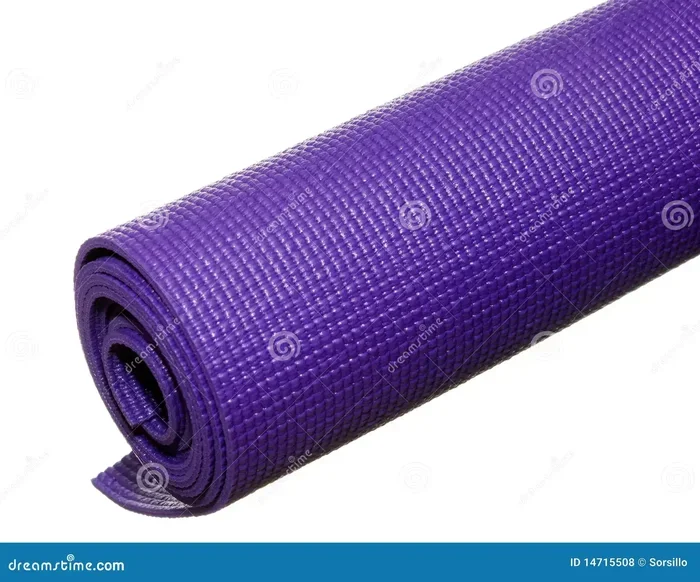
Every yoga mat has a lifespan. After months or years of use, the surface texture wears down. The tiny bumps and ridges that create grip start to flatten out. When this happens, no amount of cleaning will fully restore the traction.
If your mat is old and the surface feels smooth and shiny, it might be time to consider a replacement. But before you toss it, try the methods below first.
How To Make Your Yoga Mat Not Slip At Home
You probably already have everything you need to fix a slippery mat. These home remedies are cheap, effective, and take just minutes.
Salt and Water Wash
This is the most popular method for removing factory residue. Here’s how to do it:
- Mix about half a cup of coarse salt into a bucket of warm water.
- Submerge your yoga mat and let it soak for 10 to 15 minutes.
- Gently scrub the surface with a soft cloth or sponge.
- Rinse thoroughly with clean water.
- Hang it to dry completely before using it.
How to make your yoga mat not slip with this method is surprisingly effective. Most people notice a big difference after just one wash. For really slippery new mats, you can repeat the process two or three times.
Baking Soda Scrub
Baking soda is a gentle abrasive that removes surface buildup without damaging your mat. Mix a few tablespoons of baking soda with a small amount of water to form a paste. Apply it to the mat’s surface and scrub gently with a damp cloth. Rinse and let it air dry.
This method works great for mats that have started to feel greasy from regular use. How To Clean A Yoga Mat With Baking Soda covers this process in more detail if you want to dive deeper.
Vinegar and Water Solution
White vinegar is a natural cleaner that cuts through oil and residue. Mix one part vinegar with three parts water in a spray bottle. Spray the mat lightly, wipe it down with a damp cloth, and rinse with clean water.
Vinegar also helps remove any lingering odors. It’s a great two-for-one solution for mats that are both slippery and smelly.
The Best Grip Solutions For Yoga Mats
Sometimes home remedies aren’t enough. That’s when grip aids come in handy. These products are designed specifically to boost traction on yoga mats.
Yoga Mat Grip Sprays
Grip sprays are a popular choice among regular practitioners. You simply spray them on the mat, let them sit for a few seconds, and wipe off the excess. They create a slightly tacky surface that improves grip immediately.
Look for sprays made with natural ingredients if you’re sensitive to chemicals. Many brands now offer plant-based options that work just as well as synthetic ones.
Yoga Towels
A yoga towel is one of the simplest ways to add grip. You just lay it over your mat and practice on top of it. The towel absorbs sweat and creates a textured surface that prevents slipping.
Yoga towels are especially helpful during hot yoga or intense workouts. They’re also easy to wash and throw in your bag. If you practice in a studio, check if they provide towels or if you need to bring your own.
Grip Socks and Gloves
Don’t overlook what’s on your body. Grip socks have rubber dots on the bottom that grip the mat surface. They’re especially useful for standing poses and balance work.
Grip gloves work the same way for your hands. If you struggle with how to stop hands from slipping on yoga mat, grip gloves can be a game-changer. They give your hands something to hold onto even when your palms are sweaty.
DIY Grip Solutions
Can’t afford commercial grip products? You can make your own. A light dusting of salt on the mat’s surface before practice creates instant grip. Just shake off the excess afterward.
Some yogis also use a small amount of rosin or climbing chalk on their hands. This absorbs moisture and improves hand grip without damaging the mat.
How To Maintain Your Mat’s Grip Over Time
Prevention is always easier than a cure. Once you’ve fixed a slippery mat, keeping it grippy comes down to a few simple habits.
Clean Your Mat After Every Use
Wiping down your mat after each session removes sweat and oils before they build up. You don’t need anything fancy. A damp cloth with a drop of mild soap works perfectly.
For a deeper clean, do a salt wash once a month. This keeps the surface free of residue and maintains that fresh, grippy feel.
Store Your Mat Properly
How you store your mat matters more than you might think. Rolling it up loosely and storing it in a cool, dry place prevents the surface from becoming sticky or slippery.
Avoid leaving your mat in direct sunlight or in a hot car. Heat can break down the mat’s material and cause the surface to become slick over time.
Use a Yoga Mat Bag or Strap
A yoga mat bag protects your mat from dirt and moisture during transport. How To Put A Strap On A Yoga Mat is a great way to keep your mat secure when you’re carrying it to class or the gym.
Straps also help you carry your mat without dragging it across dirty floors. This keeps the bottom and top surfaces cleaner for longer.
Quick Tips To Prevent Slipping During Practice
Beyond cleaning and grip aids, small changes in your routine can make a big difference.
- Let your mat dry completely before rolling it up after washing.
- Wash your hands and feet before practice to reduce oil transfer.
- Use a lighter hand with lotions or creams before yoga.
- Rotate your mat regularly so wear is distributed evenly.
- Choose the right mat thickness for your practice style. How Thick Does A Yoga Mat Need To Be explains this in detail.
- Avoid practicing on carpet if your mat slides on soft surfaces. For carpet-specific tips, check out How To Keep Yoga Mat From Slipping On Carpet.
These small habits add up over time. They keep your mat performing at its best and help you stay safe during every session.
When To Replace Your Yoga Mat
Even with the best care, every mat eventually reaches the end of its life. Knowing when to replace it saves you from constant slipping and frustration.
Signs that it’s time for a new mat include:
- The surface feels smooth and slick no matter how much you clean it.
- You can see visible wear, thinning, or holes in the material.
- The mat no longer provides enough cushioning for your joints.
- It holds odors even after thorough cleaning.
- It has been in use for more than two years with heavy practice.
When you do replace your mat, take time to break it in properly. New mats often need the same salt wash treatment to remove factory residue. This ensures your new mat starts with great grip from day one.
Conclusion
How to make your yoga mat not slip doesn’t require expensive products or complicated routines. A salt wash, regular cleaning, and a few grip aids can transform a slippery mat into a reliable partner for your practice. The key is consistency. Make mat care part of your yoga routine, and you’ll never have to worry about slipping again.
Start with the simplest method that fits your needs. Try the salt wash first, and see how much grip it restores. From there, you can add grip sprays, towels, or grip socks as needed. Your mat will thank you, and your practice will feel more stable, focused, and enjoyable.
Take a few minutes today to give your mat some attention. You’ll be amazed at how much better your practice feels when you’re not fighting to stay in place.
Frequently Asked Questions
Why is my new yoga mat so slippery?
New yoga mats often have a thin layer of factory residue left over from manufacturing. This residue creates a slick surface that reduces grip. Washing your mat with a salt and water solution usually removes this residue completely.
Can I use regular household cleaners on my yoga mat?
Mild household cleaners like diluted vinegar or a gentle soap work well. Avoid harsh chemicals or bleach, as they can break down the mat’s material and reduce its lifespan. Always rinse your mat thoroughly after cleaning.
How often should I clean my yoga mat to prevent slipping?
Wipe down your mat after every use with a damp cloth. Do a deeper clean with a salt wash or baking soda scrub once a month. If you practice frequently or sweat heavily, clean it more often.
Do yoga towels really help with grip?
Yes, yoga towels are very effective at improving grip. They absorb sweat and create a textured surface that prevents slipping. They’re especially useful during hot yoga or intense vinyasa flows.
Is it better to roll or fold my yoga mat for storage?
Rolling is generally better for storage because it prevents creases and maintains the mat’s surface texture. Always store your mat in a cool, dry place away from direct sunlight to preserve its grip.
What type of yoga mat has the best grip?
Natural rubber mats and textured TPE mats tend to offer the best grip. Mats with a closed-cell surface are also great because they resist sweat absorption. If you have a specific mat type, How To Break In A New Manduka Yoga Mat can help you get the best grip from your purchase.