What to Do Instead of Barbell Hip Thrust
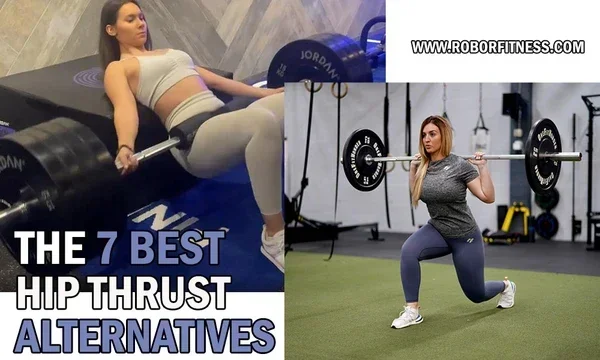
The barbell hip thrust is one of the most popular glute exercises, but it’s not always the best option for everyone. Whether you lack equipment, have mobility issues, or simply want variety, there are many powerful barbell hip thrust alternatives that can deliver even better results. In this guide, we’ll walk you through the top exercises, substitutions, and pro tips to help you build strong glutes and a powerful posterior chain without ever touching a barbell.
Key Takeaways
- Many effective exercises replace the barbell hip thrust: Dumbbell hip thrusts, cable kickbacks, and glute bridges all target the same muscle groups with great results.
- Your glutes need both compound and isolation movements: Combining exercises like squats and deadlifts with targeted glute work creates the strongest development.
- Equipment availability shapes your best choice: Home gyms, commercial gyms, and bodyweight-only setups all have unique alternatives that work well.
- Form matters more than load: Poor technique on any hip extension exercise can lead to injury and wasted effort. Always prioritize controlled movement.
- Hip mobility and activation are foundational: Strong glutes start with proper hip hinge patterns and glute activation drills before adding resistance.
- Athletic performance improves with strong posterior chain: Replacing or supplementing the barbell hip thrust can boost speed, jumps, and overall power.
📑 Table of Contents
- Why You Might Need Alternatives to the Barbell Hip Thrust
- Top Glute Exercises to Replace the Barbell Hip Thrust
- Bodyweight and Minimal Equipment Options
- Machine-Based Alternatives for Guided Resistance
- How to Choose the Right Alternative for Your Goals
- Building a Complete Lower Body Workout Without the Barbell Hip Thrust
- Frequently Asked Questions
- Conclusion
Why You Might Need Alternatives to the Barbell Hip Thrust
The barbell hip thrust has become a staple in strength training. It targets the glutes, hamstrings, and entire posterior chain like few other exercises can. But here is the truth: not everyone can or should do this movement.
Maybe your gym does not have a bench. Perhaps you have a lower back issue that makes barbell loading uncomfortable. Or perhaps you are a beginner who has not yet built the hip mobility needed for this exercise. Whatever the reason, you are not alone.
The good news is there are many hip thrust alternatives that work just as well. Some even target the glutes more effectively depending on your goals and equipment. Let us explore the best options available to you.
If you want to learn more about the standard movement, check out How To Do A Hip Thrust With A Barbell 2 for a detailed breakdown of proper form.
Top Glute Exercises to Replace the Barbell Hip Thrust
When it comes to building powerful glutes, variety is your friend. Each alternative hits the glute muscles from a slightly different angle. This means combining several of these exercises gives you a more complete lower body workout than any single movement alone.
Dumbbell Hip Thrust
The dumbbell hip thrust is the most direct swap. You use a single dumbbell or a pair instead of a barbell. The movement pattern stays the same, but the load is lighter and easier to control. This makes it ideal for beginners or anyone recovering from an injury.
To perform it, sit on the floor with your back against a bench. Hold a dumbbell between your hips. Drive through your heels to lift your hips upward. Squeeze at the top and lower slowly.
You can also do this at home without a bench. For home-based options, see How To Do Hip Thrusts At Home With Dumbbells for step-by-step guidance.
Glute Bridge
The glute bridge is the bodyweight cousin of the hip thrust. It requires no equipment at all. You simply lie on your back, bend your knees, and push your hips toward the ceiling.
This exercise is excellent for glute activation before heavier lifts. It also works well as a finisher at the end of a leg day. The key is to squeeze your glutes hard at the top and hold for two to three seconds.
Cable Pull-Through
If you want serious glute tension without a barbell, the cable pull-through is a fantastic choice. You face away from a cable machine, grab the rope between your legs, and hinge at the hips. The cable provides constant tension throughout the entire movement.
This is one of the best hip extension exercises for isolating the glutes. It is also very friendly on the lower back compared to heavy barbell movements.
Romanian Deadlift
The Romanian deadlift (RDL) is a compound movement that hits the glutes and hamstrings hard. Unlike the hip thrust, it emphasizes the eccentric (lowering) phase, which builds strength and muscle simultaneously.
Use dumbbells or a barbell. Keep a slight bend in your knees and hinge at the hips. Lower the weight along your legs until you feel a deep stretch in the hamstrings. Drive your hips back up and squeeze your glutes.
For a deeper understanding of how barbell variations compare, read What Can I Do Instead Of Barbell Hip Thrust 2 for additional exercise comparisons.
Bodyweight and Minimal Equipment Options
Not everyone has access to a full gym. That is perfectly fine. Some of the best glute exercises require nothing more than your own body weight or a simple resistance band.
Single-Leg Glute Bridge
The single-leg glute bridge doubles down on intensity by working one side at a time. This fixes imbalances and forces the glute to work harder. Lie on your back, lift one leg off the ground, and push your hips up using only the working leg.
This is also a great glute activation drill. Many athletes use it as a warm-up before sprinting or jumping.
Banded Hip Abduction
Place a resistance band around your thighs. Stand with your feet shoulder-width apart. Push one leg out to the side against the band. This targets the gluteus medius, which is often overlooked but critical for hip stability.
Step-Ups
Find a sturdy box or bench. Step up with one foot, drive through the heel, and bring your other foot up. Step back down and repeat. Step-ups build functional leg strength and heavily engage the glutes.
They also mimic real-life movements like climbing stairs, which makes them very practical for athletic performance.
Machine-Based Alternatives for Guided Resistance
Gym machines offer a controlled path of motion. This makes them great for beginners or anyone who wants to isolate the glutes without worrying about balance.
Leg Press
The leg press machine lets you push heavy weight with a stable back. To target the glutes more, place your feet higher on the platform. This shifts the emphasis from the quads to the glutes and hamstrings.
Hip Abduction and Adduction Machines
These machines target the outer and inner thigh muscles. The abduction machine works the gluteus medius, while the adduction machine hits the inner thigh. Together, they create a more complete lower body workout.
Smith Machine Hip Thrust
If you want the hip thrust movement but feel uncomfortable with a free barbell, the Smith machine is a stable alternative. The guided bar reduces balance demands and lets you focus entirely on driving your hips up.
For those wondering about bench-free options, check out How To Do Barbell Hip Thrusts Without A Bench for practical solutions.
How to Choose the Right Alternative for Your Goals
Not all glute exercises are equal. The best one for you depends on your experience level, available equipment, and specific goals. Here is a simple comparison table to help you decide.
| Exercise | Best For | Equipment Needed | Difficulty |
|---|---|---|---|
| Dumbbell Hip Thrust | Direct barbell substitute | Bench + Dumbbell | Beginner |
| Glute Bridge | Glute activation, warm-up | None | Beginner |
| Cable Pull-Through | Constant glute tension | Cable Machine | Intermediate |
| Romanian Deadlift | Compound posterior chain | Barbell or Dumbbell | Intermediate |
| Single-Leg Glute Bridge | Fixing imbalances | None | Beginner |
| Leg Press | Heavy glute loading | Machine | Beginner |
| Step-Ups | Functional strength | Bench or Box | Intermediate |
Quick Tips for Getting the Most Out of Your Chosen Exercise
- Always warm up first. Do five to ten minutes of light cardio and a few bodyweight glute bridges to prepare your muscles.
- Focus on the mind-muscle connection. Think about squeezing your glutes at the top of every rep. This small mental cue makes a big difference.
- Progress gradually. Add resistance slowly over weeks. Do not jump to heavy loads before mastering the movement pattern.
- Train glutes twice per week. This frequency supports growth better than once-a-week sessions.
- Use a full range of motion. Partial reps build less strength and less muscle than full, controlled reps.
Common Mistakes to Avoid
Even simple hip thrust alternatives can go wrong if your form is off. Here are the most frequent errors:
- Lifting with the lower back. If your lower back hurts during hip thrusts or bridges, you are likely using too much weight or overextending at the top.
- Feet too far from the hips. This shifts work to the hamstrings and reduces glute involvement.
- Rushing the reps. Speed reduces muscle tension. Slow down and control both the lifting and lowering phases.
- Neglecting the eccentric phase. Lowering the weight slowly creates more muscle damage and builds more strength.
- Ignoring unilateral work. Always train one side at a time occasionally. This reveals and corrects imbalances.
Expert Insights on Glute Development
Sports scientists have studied glute activation extensively. Research shows that the glutes respond best to a combination of heavy compound lifts and targeted isolation work. No single exercise is enough on its own.
Dr. Stuart McGill, a leading spine biomechanics expert, recommends avoiding heavy spinal loading for some athletes. He suggests hip hinge variations like glute bridges and cable pull-throughs as safer alternatives that still deliver excellent results.
Many elite strength coaches also emphasize hip mobility as a prerequisite for heavy glute training. If your hips cannot move through a full range, your glutes will not activate properly. Spend a few minutes each day doing hip circles, 90/90 stretches, and pigeon poses to keep your hips healthy and mobile.
For those exploring home gym setups, you might also find helpful information on What Can I Use Instead Of Dumbbells At Home for creative equipment swaps that support glute training.
Building a Complete Lower Body Workout Without the Barbell Hip Thrust
Replacing the barbell hip thrust does not mean your leg day suffers. In fact, a well-rounded lower body workout often works better with a mix of movements rather than relying on one exercise.
Here is a sample workout using the alternatives discussed above:
- Warm-up: Bodyweight glute bridges, 2 sets of 15 reps. Focus on squeezing your glutes.
- Main compound: Romanian Deadlift, 3 sets of 8 to 10 reps. Use moderate weight and control the lowering phase.
- Targeted glute work: Dumbbell Hip Thrust, 3 sets of 10 to 12 reps. Use a bench for support.
- Unilateral exercise: Single-Leg Glute Bridge, 2 sets of 12 reps per leg. Hold at the top for two seconds.
- Functional movement: Step-Ups, 3 sets of 10 reps per leg. Use a height that challenges you.
- Finisher: Banded Hip Abduction, 2 sets of 15 reps per side. Slow and controlled.
This routine covers every angle of glute development. It includes compound movements, isolation work, and functional exercises. You will build strength, muscle, and real-world power without ever needing a barbell hip thrust.
Remember, the goal is posterior chain development that supports your overall fitness. Whether you play sports, run, or simply want to look and feel stronger, these exercises deliver.
Frequently Asked Questions
What is the best replacement for the barbell hip thrust?
The dumbbell hip thrust is the most direct replacement. It uses the same movement pattern but with a dumbbell instead of a barbell. If you want something completely different, the Romanian deadlift and cable pull-through are excellent choices for building strong glutes.
Can I build big glutes without doing hip thrusts at all?
Absolutely. Many lifters build impressive glutes using squats, deadlifts, step-ups, and cable exercises. The key is to train the glutes with a variety of movements, use progressive overload, and eat enough protein to support muscle growth.
Are glute bridges effective for building muscle?
Glute bridges are very effective for glute activation and muscle growth, especially for beginners. As you get stronger, you will need to add resistance over time, either with a band, a weight plate, or a single-leg variation, to keep making progress.
What if I do not have a bench for hip thrusts?
You can still do effective glute work without a bench. Bodyweight glute bridges, single-leg bridges, and cable pull-throughs all work well. You can also use a couch or sturdy chair at home as a makeshift bench. For more ideas, see How To Do Barbell Hip Thrusts Without A Bench for creative solutions.
How often should I train my glutes each week?
Training your glutes two to three times per week is ideal for most people. This frequency allows for enough volume and recovery. Each session can include two to three glute-specific exercises plus compound lifts that also target the glutes.
Is the leg press as good as the hip thrust for glutes?
The leg press is very effective, especially when you place your feet higher on the platform. It allows you to move heavy weight safely. However, the hip thrust typically creates more glute-specific activation at the top of the movement. Using both exercises in your routine gives you the best of both worlds.
Conclusion
The barbell hip thrust is a great exercise, but it is far from the only option. Whether you are skipping it due to equipment limits, comfort, or simply wanting variety, the alternatives in this guide give you everything you need for powerful glute development.
From dumbbell hip thrusts and glute bridges to Romanian deadlifts and cable work, there is no shortage of ways to build a strong posterior chain. Mix and match these exercises based on your goals, equipment, and experience level. Always prioritize form, progress gradually, and train your glutes consistently.
Now you have the knowledge and the plan. Pick a few exercises from this guide, add them to your next leg day, and see what happens. Your glutes are going to thank you.