What Muscles Does the Rowing Machine Work On

The rowing machine targets nearly every major muscle group in your body, making it one of the best full body workouts you can do. It works your legs, back, arms, and core through a smooth rowing stroke that builds strength and boosts cardiovascular fitness. Whether you are a beginner or a seasoned athlete, understanding which muscles the rowing machine engages helps you get the most out of every session.
Have you ever wondered what muscles does the rowing machine work on? The answer might surprise you. This simple piece of gym equipment hits almost every muscle group in your body. It is one of the most effective full body workouts you can do at home or at the gym. Whether you want to build strength, improve endurance, or just get in better shape, the rowing machine delivers.
Many people think rowing is just an arm exercise. That is a common mistake. In reality, your legs do most of the heavy lifting. Your back, arms, and core all play important roles too. Understanding how each part of the body contributes to the rowing stroke helps you train smarter and see better results.
In this guide, we break down every muscle group the rowing machine targets. We also share tips on proper form and how to get the most out of your sessions. By the end, you will know exactly what muscles does the rowing machine work on and why it deserves a spot in your routine.
Key Takeaways
- Full Body Workout: The rowing machine engages over 86% of your muscles, making it one of the most efficient full body workouts available.
- Legs Drive the Power: Your quads, hamstrings, and glutes generate the majority of the force during each rowing stroke.
- Back and Arms Pull It Together: Your lats, rhomboids, biceps, and forearms control the pulling phase of the rowing stroke.
- Core Stability is Key: Your abs and obliques stabilize your torso throughout the entire movement.
- Proper Form Matters: Using the correct rowing technique prevents injury and maximizes muscle engagement.
- Great for Cardio and Strength: Rowing builds muscular endurance while also improving heart health and burning calories.
📑 Table of Contents
How the Rowing Stroke Works
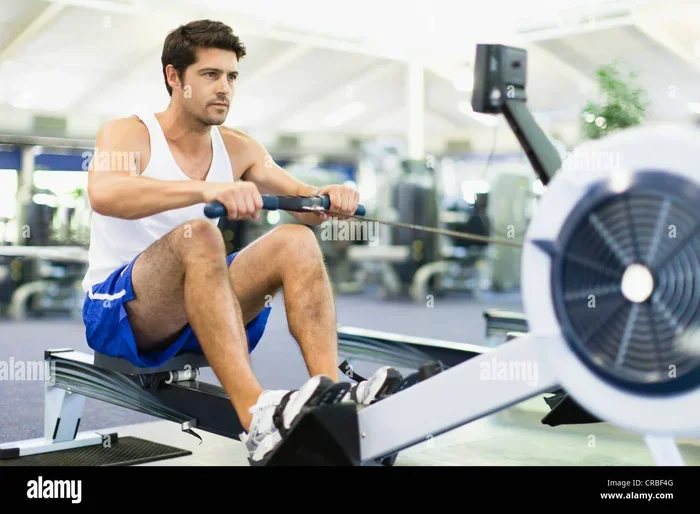
Before we dive into specific muscles, let us look at how the rowing stroke works. Each stroke has four phases. These phases work together to create a smooth, powerful movement. Knowing the phases helps you understand which muscles are active at each point.
The Catch
This is the starting position. You sit forward on the machine with your knees bent and your arms extended. Your shins are vertical, and your core is engaged. The catch activates your quads, hamstrings, and core muscles to prepare for the drive phase.
The Drive
This is the power phase. You push off with your legs first, then lean back slightly, and finally pull the handle toward your chest. The drive works your glutes, quads, hamstrings, lats, and biceps in a coordinated sequence. This is where the most muscle activation happens.
The Recovery
This is the return phase. You extend your arms, lean forward, and then bend your knees to slide back to the catch. The recovery engages your core, hamstrings, and calves as you control the movement back to the start.
The Finish
This is the end of the drive phase. Your legs are extended, your torso is slightly leaned back, and the handle is pulled to your lower chest. Your abs and back muscles hold this position briefly before you begin the recovery.
Now that you understand the stroke, let us look at the specific muscle groups in detail. What the rowing machine works on becomes much clearer when you see how each phase targets different muscles.
Muscles Worked on the Rowing Machine
The rowing machine is a compound movement exercise. That means it works multiple muscle groups at the same time. This is why it is so effective for building overall strength and endurance. Let us break down the main muscle groups.
Leg Muscles
Your legs are the engine of the rowing stroke. They generate the most power and do the heaviest lifting. The primary leg muscles worked include:
- Quadriceps: These muscles on the front of your thigh extend your knees during the drive phase. They are the biggest contributors to rowing power.
- Hamstrings: Located on the back of your thigh, hamstrings help extend your hips and control the recovery phase.
- Glutes: Your glute muscles power hip extension during the drive. They give you the force needed to push away from the machine.
- Calves: Your calf muscles stabilize your ankles and help maintain proper foot position throughout the stroke.
When you push through the drive phase, your legs provide about 60% of the total power. This makes the rowing machine one of the best exercises for building leg strength. If you want to learn more about which specific muscles benefit most, check out this guide on muscles you work on a rowing machine for a deeper dive.
Back Muscles
Your back plays a huge role in the rowing stroke, especially during the pull phase. The main back muscles targeted include:
- Latissimus Dorsi (Lats): These are the large muscles on your back. They pull your arms down and back during the drive phase. Strong lats give you that powerful rowing pull.
- Rhomboids: Located between your shoulder blades, rhomboids help retract your shoulder blades during the pull. They improve your posture and pulling strength.
- Trapezius: This muscle runs from your neck to your mid-back. It stabilizes your shoulders and supports the pulling motion.
- Erector Spinae: These muscles run along your spine. They keep your back straight and protect your lower back during rowing.
The back muscles work hard during the pull phase of the rowing stroke. They also help maintain proper posture throughout your session. Good back engagement is one of the reasons why parts of the body a rowing machine works on includes so many back muscles.
Arm and Shoulder Muscles
While your legs do most of the work, your arms and shoulders are far from idle. They control the handle and complete the pulling motion. Key muscles include:
- Biceps: These muscles on the front of your upper arm pull the handle toward your chest during the drive phase.
- Forearms: Your forearms grip the handle and control the bar throughout the stroke. They build grip strength over time.
- Deltoids: Your shoulder muscles help stabilize the arm movement and support the pulling action.
- Triceps: During the recovery phase, your triceps extend your arms to push the handle away from your body.
Your arms act as the connector between your powerful legs and your strong back. They transmit the force generated by your lower body through the handle. This makes rowing a great exercise for balanced upper body development.
Core Muscles
Your core is the bridge between your upper and lower body during rowing. It stabilizes your torso and transfers power from your legs to your arms. Core muscles worked include:
- Rectus Abdominis: This is the front abdominal muscle. It flexes your torso and keeps your spine stable during the drive.
- Obliques: These muscles on the sides of your torso rotate and stabilize your core throughout the stroke.
- Transverse Abdominis: This deep core muscle acts like a natural weight belt, supporting your spine during rowing.
A strong core makes you more efficient on the machine. It also protects your lower back from strain. If you want to maximize your core engagement, focus on keeping your torso stable and avoiding excessive leaning. The damper setting on your rowing machine can also affect how hard your core works, since higher settings increase resistance.
Benefits of Rowing Machine Workouts
Now that you know which muscles the rowing machine targets, let us look at the broader benefits. Rowing is more than just a muscle builder. It offers a wide range of fitness advantages that make it a top choice for many athletes.
Full Body Conditioning
Few exercises hit as many muscle groups as rowing. A single stroke engages your legs, back, arms, and core all at once. This makes rowing a time-efficient way to train your entire body. You get strength and endurance benefits in one workout.
Low Impact on Joints
Unlike running or jumping exercises, rowing is gentle on your joints. The seated position reduces stress on your knees and ankles. This makes it a great option for people with joint concerns or those recovering from injuries. The smooth, gliding motion of the rowing stroke is easy on your body while still delivering a tough workout.
Cardiovascular Fitness
Rowing gets your heart pumping. It is an excellent cardiovascular exercise that improves heart health and lung capacity. Regular rowing sessions can lower blood pressure and boost your overall endurance. The combination of strength and cardio makes it a unique and valuable exercise.
Calorie Burning
Rowing burns a significant number of calories. A vigorous 30-minute session can burn 300 to 400 calories or more, depending on your weight and intensity. The full body muscle engagement means your body works hard even after the workout ends. This afterburn effect helps you burn more calories throughout the day.
Improved Posture
Rowing strengthens the muscles that support good posture. Your back extensors, rhomboids, and core all get stronger with regular use. Over time, you may notice you sit and stand taller. Better posture reduces your risk of back pain and improves your overall alignment.
Mental Health Benefits
Exercise like rowing releases endorphins that improve your mood and reduce stress. The rhythmic, repetitive motion of rowing can be meditative. Many people find that indoor rowing helps them clear their minds and feel more focused and relaxed.
Proper Rowing Technique for Maximum Muscle Engagement
Using the right technique makes a huge difference. Poor form reduces muscle activation and increases your risk of injury. Here are some key tips to help you row correctly and get the most out of every stroke.
Drive Phase Tips
During the drive, push with your legs first. Do not pull with your arms too early. Once your legs are nearly extended, lean back slightly from your hips. Then pull the handle to your lower chest. This sequence ensures your large leg muscles do the heavy work while your back and arms finish the pull.
Recovery Phase Tips
During the recovery, reverse the sequence. Extend your arms first, then lean forward from your hips, and finally bend your knees to slide forward. Keep your movements smooth and controlled. Rushing the recovery wastes energy and reduces muscle engagement.
Common Mistakes to Avoid
- Overleaning: Leaning too far back at the finish strains your lower back. Keep your torso at about a 1 o’clock position.
- Rushing the stroke: Going too fast reduces power and muscle activation. Focus on a smooth, controlled pace.
- Neglecting the legs: Your legs should do most of the work. Relying too much on your arms limits your results.
- Hunching your back: Keep your back straight throughout the stroke. A rounded back can lead to injury over time.
Getting the technique right takes practice. Start with a low resistance setting and focus on your form. As you become more comfortable, you can increase the intensity. How long you should be on the rowing machine also depends on your fitness level and goals, so start at a comfortable duration and build up gradually.
Rowing Machine vs. Other Cardio Machines
How does rowing compare to other popular cardio machines? Let us look at a quick comparison to see what makes rowing unique.
- Treadmill: Treadmills focus mainly on your legs and cardiovascular system. Rowing works your entire body, including upper body and core.
- Stationary Bike: Bikes primarily target your quads, hamstrings, and glutes. Rowing adds significant upper body and back engagement.
- Elliptical: Ellipticals work your legs and arms but with less core activation. Rowing demands more core stabilization throughout the stroke.
- Stair Climber: Stair climbers target your lower body intensely but do not engage your upper body or core the way rowing does.
The rowing machine stands out because it combines strength and cardio in one movement. It is a truly efficient piece of equipment. If you are looking for a workout that maximizes muscle engagement and calorie burn in less time, rowing is hard to beat.
How to Add Rowing to Your Workout Routine
Now that you understand the muscles and benefits, it is time to start incorporating rowing into your routine. Here are some practical ways to get started.
- Beginner: Start with 10 to 15 minute sessions at a moderate pace. Focus on learning the rowing stroke and building endurance.
- Intermediate: Increase sessions to 20 to 30 minutes. Try interval training with alternating high and low intensity rows.
- Advanced: Aim for 30 to 45 minute sessions or high intensity interval workouts. Push your limits with higher resistance and faster strokes.
You can use rowing as a warm up, a standalone workout, or a cool down. It fits into almost any fitness routine. The versatility of the rowing machine makes it a valuable tool for everyone from casual exercisers to competitive athletes.
Rowing is also a great cross-training tool. Runners, cyclists, and swimmers can all benefit from adding rowing to their training. It balances muscle development and reduces the risk of overuse injuries. Understanding what the rowing machine does for your body beyond just muscle work helps you appreciate its full value as a training tool.
The beauty of the rowing machine is that it adapts to your fitness level. You control the resistance and the pace. This means anyone from complete beginners to elite athletes can use it effectively. The key is consistency. Rowing regularly will help you build strength, improve endurance, and see real results over time.
Conclusion
So, what muscles does the rowing machine work on? The answer is almost all of them. From your quads and glutes to your lats and biceps, every major muscle group gets involved. Your core ties it all together, providing stability and power transfer throughout the stroke. This makes the rowing machine one of the most efficient and effective pieces of workout equipment you can use.
Whether you want to build strength, improve cardiovascular fitness, or burn calories, rowing delivers. It is low impact, full body, and suitable for all fitness levels. With proper technique and consistent practice, you will see real results. Add the rowing machine to your routine and experience the full body benefits for yourself.
Frequently Asked Questions
What muscles does the rowing machine work on the most?
The rowing machine works your legs the hardest, especially your quads, hamstrings, and glutes. These muscles generate about 60% of the power during each stroke. Your back muscles and core also get heavily engaged throughout the rowing stroke.
Is the rowing machine a good full body workout?
Yes, the rowing machine is one of the best full body workouts available. It targets over 86% of your muscles in a single exercise. Each stroke works your legs, back, arms, and core in a coordinated movement that builds both strength and endurance.
Can rowing help me lose belly fat?
Rowing burns a significant number of calories and engages your core muscles throughout the workout. While spot reduction is not possible, regular rowing combined with a healthy diet can help reduce overall body fat, including belly fat. The full body nature of rowing makes it especially effective for calorie burning.
How often should I use the rowing machine for best results?
For most people, rowing 3 to 5 times per week provides excellent results. Start with shorter sessions if you are a beginner and gradually increase duration and intensity. Consistency is key to building strength and seeing improvements in your fitness level.
Does the rowing machine work your abs?
Yes, your abs are actively engaged during rowing. Your core muscles stabilize your torso throughout the entire rowing stroke. The drive phase and recovery phase both require core activation to maintain proper posture and transfer power efficiently.
Is rowing bad for your lower back?
Rowing is generally safe for your lower back when done with proper form. Keeping your back straight and avoiding excessive leaning prevents strain. If you have existing back issues, consult a doctor before starting a new rowing routine and focus on controlled, moderate intensity sessions.