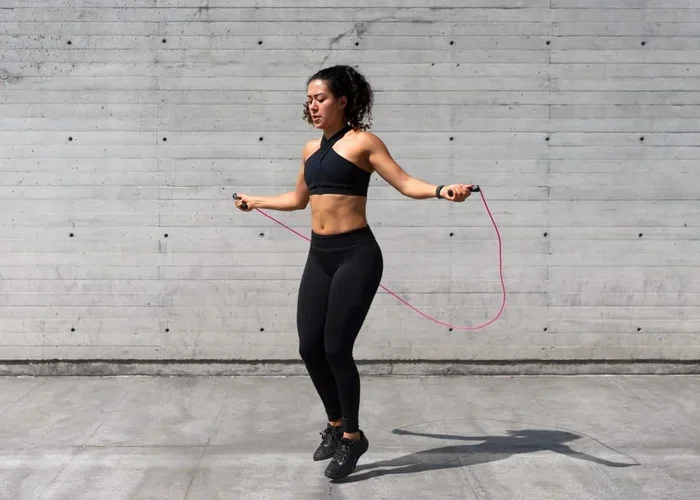
Is It Okay to Jump Rope After Eating
Is it okay to jump rope after eating? The short answer is: it depends on what you ate and how much. Jumping rope right after a heavy meal can cause cramps, nausea, and discomfort, but light snacking followed by a 30-60 minute wait is usually fine. This guide covers exactly how long to wait, what to eat beforehand, and how to jump rope safely after meals.
You just finished a meal. Your stomach feels full. And suddenly, the idea of grabbing your jump rope hits you. But wait — is it okay to jump rope after eating? This is a question a lot of fitness enthusiasts ask, and the answer isn’t as simple as yes or no.
The truth is, jumping rope after eating can be perfectly fine — as long as you give your body enough time and choose the right foods. Eating a huge burger and then immediately hopping on the rope is a recipe for discomfort. But a light snack followed by a smart wait time? That can actually fuel a great workout.
In this guide, we’ll break down exactly what happens when you exercise after eating, how long you should wait, what foods to eat (and avoid), and how to make your jump rope workout comfortable no matter when you train. Whether you’re a beginner or a seasoned pro, this article has everything you need.
Key Takeaways
- Wait at least 30-60 minutes after a light meal before jumping rope to avoid stomach discomfort.
- Heavy meals need 2-3 hours of digestion time before intense cardio like rope jumping.
- Jumping rope on a full stomach can cause nausea, cramping, and acid reflux.
- Light snacks like bananas or toast are ideal pre-jump-rope fuel that won’t weigh you down.
- Hydration matters too — drink water before but avoid gulping large amounts right before your session.
- Listen to your body — everyone digests differently, so adjust your timing based on personal comfort.
- The best time to jump rope is either mid-morning or mid-afternoon when your body has had time to process food.
📑 Table of Contents
- What Happens When You Jump Rope After Eating?
- How Long Should You Wait After Eating Before Jumping Rope?
- Why Timing Matters for Your Jump Rope Workout
- Best Foods to Eat Before Jumping Rope
- Tips for Jumping Rope Safely After Eating
- Common Mistakes People Make When Jumping Rope After Eating
- The Bottom Line: Is It Okay to Jump Rope After Eating?
What Happens When You Jump Rope After Eating?
Your body is a machine — and like any machine, it needs the right conditions to perform. When you eat, your body diverts blood flow to your digestive system to break down food. This is called the digestive process. When you start jumping rope, your muscles suddenly demand more blood and oxygen too.
Here’s where the conflict happens. Your body has to choose between digesting food and fueling your muscles. When you jump rope on a full stomach, neither job gets done efficiently. The result? A range of uncomfortable symptoms that can ruin your workout.
Common Side Effects of Jumping Rope Right After Eating
- Nausea and stomach upset — Your stomach is still working on digestion, and the bouncing motion can make you feel queasy.
- Cramps and side stitches — Sharp pains in your side or abdomen are very common when you exercise too soon after eating.
- Acid reflux and heartburn — Bouncing forces stomach acid upward, which can cause a burning sensation in your chest.
- Bloating and gas — Physical movement while food is still sitting in your stomach can trap air and cause discomfort.
- Low energy — Your body is busy digesting, so you may feel sluggish instead of energized during your rope session.
These effects vary from person to person. Some people have stronger digestive systems and can handle jumping rope shortly after eating better than others. But as a general rule, giving yourself enough time makes a huge difference.
How Long Should You Wait After Eating Before Jumping Rope?
The right waiting time depends on what and how much you ate. Not all meals are created equal, and your body treats a light snack very differently from a heavy dinner.
After a Light Snack (30-45 Minutes)
If you grab a small snack like a banana, a piece of toast, or a handful of nuts, you typically need about 30 to 45 minutes before jumping rope. These foods digest quickly because they’re low in fat and fiber. Your body can process them fast, freeing up blood flow for your muscles.
Good light snack options include:
- A banana or apple
- A slice of toast with peanut butter
- A small smoothie
- A handful of pretzels or crackers
- Greek yogurt
After a Small Meal (1-2 Hours)
If you eat a proper but moderate-sized meal — think grilled chicken with rice and vegetables — you should wait 1 to 2 hours before your jump rope session. This gives your body enough time to start the digestive process without leaving food sitting heavily in your stomach.
After a Heavy Meal (2-3 Hours)
For large, heavy meals loaded with fat, protein, and carbs — like a pasta dinner or a fast-food meal — you need the longest wait time: 2 to 3 hours. These foods take longer to break down, and jumping rope too soon can cause serious discomfort.
| Meal Type | Wait Time | Examples |
|---|---|---|
| Light Snack | 30-45 minutes | Banana, toast, small smoothie |
| Small Meal | 1-2 hours | Grilled chicken salad, sandwich |
| Heavy Meal | 2-3 hours | Pasta, burger, fried foods |
These are general guidelines. Some people digest faster, and some need more time. The key is to pay attention to how your body feels and adjust accordingly.
Why Timing Matters for Your Jump Rope Workout
Timing isn’t just about comfort — it directly affects your jump rope performance. When you exercise on a properly digested stomach, your body can focus entirely on delivering energy to your muscles. You’ll jump higher, last longer, and feel stronger throughout your session.
The Science Behind Digestion and Exercise
When you eat, your body enters what’s called the fed state. During this time, insulin levels rise, and blood sugar is managed and stored. Your digestive system works hard to break down food into usable nutrients.
When you start jumping rope, your body shifts into the fasted exercise state — or at least a partially fasted state if you waited long enough. In this state, blood flow shifts to your working muscles, your heart rate increases, and your body burns energy efficiently.
If you jump rope too soon after eating, your body is stuck in a conflict zone. Digestion slows down because blood is redirected to your muscles, and your workout suffers because your muscles lack proper fuel. It’s a lose-lose situation.
How Waiting Helps You Perform Better
Waiting the right amount of time before you jump rope after eating gives you several advantages:
- More energy — Your body has converted food into usable fuel by the time you start jumping.
- Better focus — No stomach discomfort means you can concentrate fully on your technique and rhythm.
- Improved endurance — You can sustain your jump rope cardio for longer periods without feeling drained.
- Reduced injury risk — A comfortable stomach means better balance and coordination during high-impact movements.
If you’re looking to maximize your results, timing your meals around your jump rope workout is just as important as the workout itself.
Best Foods to Eat Before Jumping Rope
What you eat before jumping rope matters just as much as when you eat. Choosing the right pre-workout foods can make the difference between an amazing session and a miserable one.
Top Pre-Jump-Rope Foods
1. Bananas — Known as nature’s energy bar, bananas are packed with quick-digesting carbs and potassium. They’re easy on the stomach and provide sustained energy. Many athletes eat a banana about 30 minutes before jumping rope.
2. Oatmeal — A small bowl of oatmeal gives you complex carbs that release energy slowly. It’s gentle on the stomach and keeps you fueled throughout your session.
3. Toast with Honey — Simple carbs from toast digest quickly, and honey provides a natural sugar boost. This is a great option if you only have 30 minutes before your workout.
4. Greek Yogurt — Packed with protein and easy to digest, Greek yogurt gives you fuel without feeling heavy. Add some berries for extra energy.
5. Rice Cakes — Light, crunchy, and easy to digest, rice cakes are a popular choice among athletes who want quick fuel before cardio.
Foods to Avoid Before Jumping Rope
Just as important as knowing what to eat is knowing what to avoid. These foods can cause problems when you jump rope after eating:
- Greasy and fried foods — They take forever to digest and sit heavy in your stomach.
- High-fiber vegetables — Broccoli, beans, and cabbage can cause gas and bloating during intense exercise.
- Dairy-heavy meals — For some people, dairy before exercise causes cramping and discomfort.
- Sugary snacks — Candy and pastries cause a blood sugar spike followed by a crash, leaving you exhausted mid-workout.
- Large portions of protein — Protein takes a long time to digest, which diverts blood flow away from your muscles.
Stick to simple, carb-focused snacks 30-60 minutes before your session, and save heavy protein and fat meals for after your workout.
Tips for Jumping Rope Safely After Eating
Even with proper timing, you can always make your post-meal jump rope session more comfortable and effective. Here are some practical tips that make a real difference.
Start Slow and Build Up
Don’t jump straight into high-intensity intervals right after eating, even if you’ve waited the recommended time. Start with a light warm-up — easy bouncing at a comfortable pace for 2-3 minutes. Let your body ease into the rhythm and check how your stomach feels.
If you feel fine after the warm-up, gradually increase your intensity. This approach is much safer than going all-out from the start.
Stay Hydrated — But Don’t Overdo It
Water is essential for both digestion and exercise. But drinking large amounts right before you jump rope after eating can add to stomach discomfort. Sip water throughout the day leading up to your workout, and take small sips during breaks if needed.
Pro tip: If you’re doing Is It Good To Jump Rope In The Morning on an empty stomach, you don’t need to worry about this as much. But for post-meal sessions, hydration timing matters.
Choose the Right Surface
The surface you jump on affects your comfort level — especially when your stomach is still digesting. A soft, forgiving surface reduces the impact on your joints and can help minimize any stomach jostling. If you want to learn more about choosing the right surface, check out What Is The Best Surface To Jump Rope On.
Keep Your Sessions Moderate
After eating, your body is already working hard on digestion. Pushing yourself into an extremely long or intense session can backfire. Keep your jump rope workout moderate in length — around 15-25 minutes is a great starting point if you’ve eaten within the last couple of hours.
If you want guidance on how long your sessions should be, How Long Should You Jump Rope To Lose Weight offers great advice on structuring your sessions effectively.
Cool Down Properly
After your session, don’t just stop abruptly. Cool down with 3-5 minutes of slow, easy jumping or walking in place. This helps your body transition from exercise mode back to a resting state, and it supports the digestive process too.
Listen to Your Body
This is the most important tip of all. If something feels wrong — stomach pain, dizziness, nausea — stop immediately. Rest, drink water, and give yourself time to recover. Pushing through discomfort can lead to more serious issues.
Everyone’s body is different. Some people can eat a full meal and jump rope within an hour with no issues. Others get cramps from a small snack. There’s no one-size-fits-all answer. The key is to experiment safely and find what works for you.
Common Mistakes People Make When Jumping Rope After Eating
Even with the best intentions, many people make mistakes that turn their post-meal jump rope session into an uncomfortable experience. Here are the most common ones to avoid.
Mistake 1: Waiting Too Long (or Not Long Enough)
Some people wait hours because they’re afraid of discomfort. Others jump rope immediately because they don’t think it matters. Both extremes are problematic. Too long a wait can leave you feeling sluggish and low on energy, while too short a wait guarantees stomach trouble.
Follow the timing guidelines in this article and adjust based on your personal experience.
Mistake 2: Eating the Wrong Foods
A light banana is one thing. A greasy pizza is another. Many people underestimate how much the type of food matters. Heavy, fatty, or spicy foods are the worst choices before any cardio workout, especially jumping rope.
Mistake 3: Skipping the Warm-Up
Jumping straight into intense rope skipping after eating puts extra stress on your digestive system. A proper warm-up eases your body into the workout and gives your stomach time to adjust to the movement.
Mistake 4: Ignoring Warning Signs
Mild discomfort might be normal. Sharp pain, persistent nausea, or dizziness are not. If you experience any of these, stop immediately and rest. Ignoring warning signs can lead to more serious health issues.
The Bottom Line: Is It Okay to Jump Rope After Eating?
So, is it okay to jump rope after eating? The answer is a qualified yes — with the right approach. Give your body enough time to digest, choose light and easy-to-digest foods, start your session slowly, and listen to your body throughout.
Jumping rope after eating doesn’t have to be uncomfortable or risky. With proper planning and smart choices, you can enjoy an effective rope jumping session at almost any time of day. The key is respecting your body’s needs and not rushing the process.
Whether you’re squeezing in a quick session after lunch or doing a morning workout after breakfast, the principles remain the same. Wait long enough, eat the right foods, and stay in tune with how your body feels. Do that, and you’ll get the most out of every jump rope workout — without the discomfort.
Remember, fitness is a long-term journey. Making smart decisions about when and what to eat before exercise is just one piece of the puzzle. Keep learning, keep experimenting, and most importantly, keep moving.
Frequently Asked Questions
Can I jump rope 30 minutes after eating a light meal?
Yes, for most people, 30 minutes is enough time after a light meal or small snack. Foods like a banana, toast, or a small smoothie digest quickly and shouldn’t cause issues if you wait at least half an hour before starting your rope session.
What happens if I jump rope right after eating a big meal?
Jumping rope immediately after a large meal can cause nausea, cramps, acid reflux, and bloating. Your body struggles to digest food while also supplying blood to your working muscles, which leads to discomfort and reduced performance during your workout.
Is it better to jump rope before or after eating?
Many people prefer jumping rope in a fasted state, such as first thing in the morning. However, jumping rope after eating can work well too — as long as you wait the right amount of time. Both approaches have benefits, and the best choice depends on your schedule, energy levels, and personal preference.
What should I eat before jumping rope if I’ve just finished a meal?
If you’ve had a full meal, wait 1-3 hours before jumping rope. If you’re still hungry, opt for a very light snack like a banana or a few crackers. Avoid heavy, greasy, or high-fiber foods right before any cardio session to keep your stomach comfortable.
How can I avoid stomach cramps when jumping rope after eating?
To avoid cramps, wait at least 30-60 minutes after eating, stick to light and easily digestible foods, start your session with a slow warm-up, and stay hydrated with small sips of water rather than large gulps right before jumping.
Does the type of food I eat affect how soon I can jump rope?
Absolutely. Simple carbs like bananas and toast digest in 30-45 minutes, while protein-heavy or fatty meals can take 2-3 hours to fully digest. The type of food directly determines how long you should wait before starting your jump rope session.