What Can a Rowing Machine Do for You
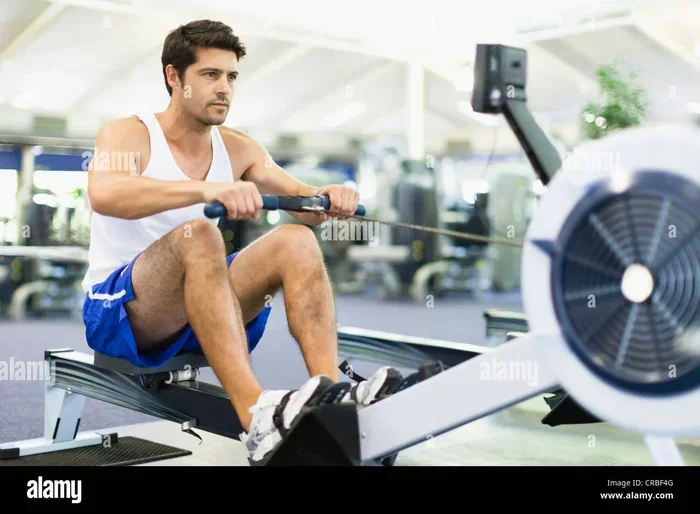
A rowing machine delivers a full-body workout that builds muscle, burns calories, and boosts heart health. It targets over 80% of your muscles with every stroke, making it one of the most efficient pieces of home gym equipment available. Whether you are a beginner or a seasoned athlete, what a rowing machine can do for you goes far beyond simple cardio.
You have probably seen a rowing machine at the gym or in a friend’s home setup. Maybe you have wondered what a rowing machine can do for you. The truth is, this simple piece of equipment packs a serious punch. It works your entire body, torches calories, and builds real endurance. Let us dive into everything you need to know.
Rowing machines have exploded in popularity over the last few years. People love them because they deliver fast results without beating up your joints. Whether you want to lose weight, build muscle, or just get fitter, what a rowing machine can do for you covers all of that. In this guide, we break down every benefit, every muscle group, and every reason why you should consider adding one to your routine.
Key Takeaways
- Full-Body Workout: A rowing machine engages your legs, arms, back, and core in one smooth motion.
- Burns Calories Fast: Indoor rowing torches calories at a high rate, supporting weight loss goals.
- Low Impact: It is gentle on your joints, making it ideal for people with knee or hip concerns.
- Heart Health: Regular rowing improves cardiovascular endurance and circulation.
- Muscle Toning: It works multiple muscle groups simultaneously for balanced strength gains.
- Beginner-Friendly: Easy to learn with proper form, and adjustable resistance suits all fitness levels.
📑 Table of Contents
What Does a Rowing Machine Do for Your Body?
When you pull the handle on a rowing machine, you are not just working your arms. You are engaging a chain of muscles from your feet to your fingertips. This makes it one of the most effective full-body workouts you can do indoors. Every stroke fires up your legs, core, back, and arms at the same time.
The beauty of indoor rowing is that it combines strength and cardio into one movement. You build muscle while also improving your heart health. That is a rare combination. Most cardio machines like treadmills focus mostly on your lower body. But what does a rowing machine do for your body is much more balanced and complete.
Cardiovascular Benefits
Rowing gets your heart pumping fast. It is a fantastic form of cardiovascular exercise that strengthens your heart and lungs. Over time, your resting heart rate drops, and your endurance improves. This means everyday tasks feel easier, and you have more energy throughout the day.
Studies show that consistent cardio exercise lowers the risk of heart disease, stroke, and high blood pressure. A rowing machine makes it easy to hit your weekly cardio goals without leaving your home. You do not need a gym membership. Just a few sessions per week can make a big difference.
Calorie Burning Power
If you are looking to shed some pounds, a rowing machine is a top choice. A vigorous 30-minute session can burn anywhere from 250 to 400 calories, depending on your weight and intensity. That is a strong calorie burn for such a short workout window.
What does using a rowing machine do for you when it comes to weight management? It creates a calorie deficit, which is the key to losing weight. You can pair rowing with a healthy diet and see real results. Plus, the afterburn effect means you keep burning calories even after you stop rowing.
Muscles Worked During a Rowing Stroke
One of the biggest reasons people love rowing machines is the muscle engagement. Few exercises hit as many muscle groups at once. Let us break down exactly which muscles you work each time you row.
When you learn what muscles do you use on a rowing machine, you start to appreciate how efficient this exercise really is. The drive phase of a rowing stroke works your legs first, then your core, and finally your upper body. The recovery phase stretches and engages different muscles in a flowing sequence.
Lower Body Muscles
Your legs do the heavy lifting during the drive phase. Here are the main muscles targeted:
- Quadriceps – These large muscles at the front of your thighs power the push-off.
- Hamstrings – They help extend your hips and control the movement.
- Glutes – Your glutes fire hard to drive your body backward.
- Calves – They stabilize your feet during the push phase.
Because of this, rowing is excellent for building lower body strength without heavy weights. It is also a great low impact workout for people recovering from injuries or dealing with joint pain.
Upper Body Muscles
Once your legs push, your upper body takes over. The pull phase engages several upper body muscles:
- Latissimus Dorsi – These are the large muscles in your back that give you that V-shaped look.
- Rhomboids and Traps – They pull your shoulder blades together and improve posture.
- Biceps and Forearms – These muscles control the handle pull.
- Deltoids – Your shoulders stabilize the entire movement.
Regular rowing can help correct rounded shoulders and improve your overall posture. This is a huge benefit for anyone who sits at a desk all day.
Core Engagement
Your core is the bridge between your upper and lower body during every rowing stroke. Your abs, obliques, and lower back all work hard to stabilize your torso. A strong core translates to better balance, less back pain, and improved performance in other sports and activities.
Many people do endless crunches trying to build core strength. A rowing machine does a better job because your core works dynamically, not statically. This is one of the hidden rowing machine benefits that surprises most beginners.
Rowing for Beginners: Getting Started
If you are new to rowing, do not worry. The machine is intuitive, and the learning curve is short. The key is mastering your proper rowing form before you push the resistance up. Bad form leads to injuries, and nobody wants that.
Here is a simple breakdown of the rowing stroke:
- Catch: Start with your knees bent, arms extended, and shoulders relaxed.
- Drive: Push with your legs first, then lean back slightly, and finally pull the handle to your chest.
- Recovery: Extend your arms, lean forward, and then bend your knees to slide back to the catch position.
That is one full stroke. Keep the sequence smooth and controlled. The legs drive first, the core stabilizes, and the arms finish last. This order matters a lot for both performance and safety.
Setting the Right Resistance
Most rowing machines have adjustable resistance or a damper setting. For beginners, start with a lower setting. You want to focus on technique before chasing intensity. A setting of 3 to 5 on the damper is a great starting point for most people.
If you want to know what is the best resistance for a rowing machine, the answer depends on your goals. Higher resistance builds more strength. Lower resistance with faster strokes builds more endurance. Mixing both in your rowing workout plan gives you the best of both worlds.
How Long Should You Row?
For beginners, 15 to 20 minutes per session is plenty. As your fitness improves, you can gradually extend to 30, 40, or even 60 minutes. The important thing is consistency. Three to four sessions per week will yield noticeable results within a few weeks.
If you are unsure about duration, check out our guide on how long you should do on a rowing machine for a more detailed breakdown.
Health Benefits Beyond the Basics
We have covered the physical benefits, but rowing does even more for your overall well-being. Let us look at some of the deeper advantages that make this machine a true health tool.
Mental Health and Stress Relief
Exercise is one of the most effective ways to reduce stress and anxiety. Rowing combines rhythmic movement with focused breathing, which creates a meditative effect. Many people find that a rowing session clears their mind and boosts their mood.
The repetitive motion of rowing can be almost hypnotic in a good way. You focus on your stroke count, your breathing, and your form. This mindfulness takes your mind off daily worries and helps you stay present. Over time, this can improve sleep quality and reduce symptoms of depression.
Joint-Friendly Exercise
Running and jumping can be tough on your knees and ankles. Rowing is different. It is a low impact exercise that puts minimal stress on your joints. This makes it ideal for people with bad knees, those recovering from surgery, or anyone who wants a tough workout without the wear and tear.
If you have had hip or knee replacement surgery, you might wonder if rowing is safe. The good news is that many people can use a rowing machine after recovery, but always consult your doctor first. Check out our article on using a rowing machine after knee replacement for more details.
Improved Posture and Back Health
Rowing strengthens the muscles that support your spine. Over time, this leads to better posture and less back pain. The pulling motion counteracts the slouching that comes from sitting all day at a desk or in front of a screen.
Stronger back muscles also mean better spinal alignment. You stand taller, move more confidently, and reduce your risk of chronic back issues. This is a long-term benefit that keeps paying off as you age.
Rowing Machine Results: What to Expect
Everyone wants to know how long it takes to see results. The honest answer is that it depends on your consistency, intensity, and diet. But here is a general timeline of what you can expect from regular rowing sessions.
Within the first two weeks, you will notice improved stamina. Tasks that felt tiring at the start become easier. Your muscles feel less sore over time as they adapt. After one month, you may see changes in your body composition. Your clothes fit differently, and your energy levels rise.
By the two-month mark, the rowing machine results really start to show. You will have better muscle definition, especially in your legs and back. Your cardiovascular fitness improves noticeably. And your overall strength and endurance will be at a new level.
Keep in mind that results vary from person to person. Your age, current fitness level, diet, and sleep quality all play a role. But one thing is certain: rowing machines deliver real, measurable outcomes when you stick with them.
Common Mistakes to Avoid
Even though rowing is simple, many people make mistakes that reduce their results or lead to injury. Here are the most common ones to watch out for.
- Using only your arms: Your arms should finish the stroke, not start it. The power comes from your legs and core.
- Rounding your back: Keep your back straight throughout the stroke. Rounding your back puts unnecessary strain on your spine.
- Sliding too fast: Speed without control leads to poor form. Focus on smooth, deliberate movements.
- Neglecting the recovery phase: The recovery is just as important as the drive. It is where your muscles recover and prepare for the next stroke.
- Setting resistance too high too soon: Start light and build up. High resistance with bad form is a recipe for injury.
Avoiding these mistakes will help you get the most out of every session. If you are unsure about your form, consider filming yourself or asking a trainer for feedback.
Rowing Machine vs Other Cardio Equipment
How does a rowing machine compare to other popular cardio machines? Let us look at a quick side-by-side comparison.
| Feature | Rowing Machine | Treadmill | Exercise Bike |
|---|---|---|---|
| Muscles Worked | Full body (80%+) | Lower body | Lower body |
| Impact Level | Low | High | Low |
| Calories Burned (30 min) | 250-400 | 200-350 | 200-300 |
| Upper Body Engagement | High | Low | None |
| Core Engagement | High | Low | Minimal |
| Joint Friendly | Yes | No | Yes |
As you can see, the rowing machine offers the most balanced workout. It hits your upper and lower body while being gentle on your joints. This is why so many fitness experts recommend it as a go-to piece of home equipment.
For those wondering what is a good rowing machine for home use, look for one with adjustable resistance, a comfortable seat, and a clear performance monitor. These features make a big difference in your experience and results.
Final Thoughts
So, what can a rowing machine do for you? The answer is a lot. It gives you a full-body workout that builds strength, burns fat, and protects your joints. It improves your heart health, boosts your mood, and fits easily into any lifestyle. Whether you are a complete beginner or a fitness pro, the rowing machine is one of the best investments you can make for your health.
Start slow, focus on your form, and stay consistent. The results will follow. Rowing is not just an exercise, it is a path to a stronger, healthier, and more confident you. So grab that handle and start rowing your way to better fitness today.
Frequently Asked Questions
Can a rowing machine help you lose belly fat?
Rowing machines are excellent for burning calories and reducing overall body fat, including belly fat. While spot reduction is not possible, consistent rowing sessions combined with a healthy diet will help you lose fat all over your body, including your midsection.
Is a rowing machine good for beginners?
Absolutely. Rowing machines are beginner-friendly because the motion is natural and the resistance is adjustable. Start with low resistance, focus on learning the proper stroke sequence, and gradually increase intensity as you build confidence and endurance.
How often should you use a rowing machine each week?
For most people, three to five sessions per week is ideal. Each session can range from 15 to 45 minutes depending on your fitness level and goals. Consistency matters more than intensity, especially when you are just starting out.
Can you use a rowing machine every day?
Yes, but listen to your body. Light to moderate rowing every day is generally safe and can boost recovery. However, if you are doing high-intensity sessions, give your muscles at least one rest day between workouts to avoid overtraining and injury.
Does rowing tone your arms?
Yes, rowing works your biceps, forearms, shoulders, and upper back. Over time, this leads to toned and strengthened arms. The pulling motion engages your upper body muscles with every stroke, making it one of the best cardio exercises for arm toning.
What is the proper form for a rowing machine stroke?
The proper form follows a specific sequence: legs push first, then your core engages and your torso leans back slightly, and finally your arms pull the handle to your lower chest. On the recovery, reverse the order. Smooth and controlled movements are key to both safety and effectiveness.