What Is the Best at Home Rowing Machine

Choosing the best at-home rowing machine depends on your fitness goals, budget, and available space. This guide breaks down the top types — air, magnetic, water, and hydraulic — so you can make a confident decision. We cover key features, pros and cons, and expert tips to help you find the ideal rowing machine for home use.
Finding the perfect rowing machine for home use can feel overwhelming. There are so many brands, types, and price points to consider. You want something that fits your space, matches your fitness level, and delivers real results.
That is exactly why we created this guide. We have reviewed dozens of models and narrowed down the best options for every kind of home gym. Whether you are a complete beginner or a seasoned athlete, you will find clear, honest advice here. Let us dive in and find your ideal rower.
Key Takeaways
- Air rowing machines offer the most realistic feel and are ideal for serious athletes.
- Magnetic rowing machines are the quietest and best for apartment living.
- Water rowing machines provide a smooth, natural rowing experience with soothing water sounds.
- Budget-friendly options exist under $300 without sacrificing core functionality.
- Foldable designs save space and make storage easy in small homes.
- Proper form matters more than machine type — always prioritize technique over brand.
- Adjustable resistance lets you tailor every workout from recovery to high-intensity sessions.
📑 Table of Contents
- Why a Rowing Machine Is Perfect for Home Workouts
- Types of Rowing Machines Explained
- What to Look for When Buying a Rowing Machine
- Top Picks: Best Rowing Machines for Home Use
- Common Mistakes to Avoid When Buying a Rowing Machine
- How to Get Started with Your New Rowing Machine
- Rowing Machine vs Other Home Cardio Equipment
- Final Thoughts: Finding Your Perfect Rowing Machine
Why a Rowing Machine Is Perfect for Home Workouts
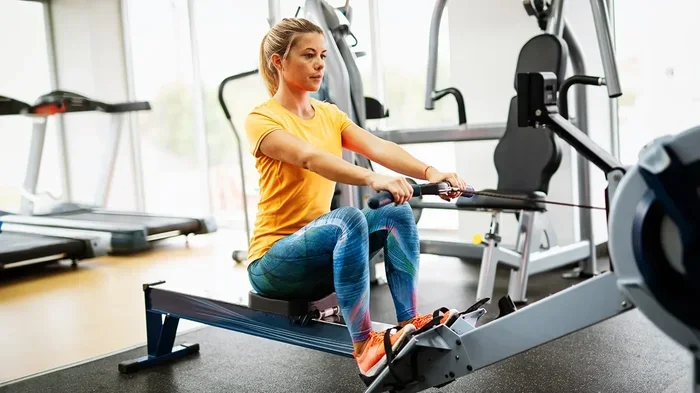
A rowing machine at home is one of the smartest investments you can make. Unlike treadmills, rowers are compact and gentle on your joints. They give you a full-body workout in less time than most cardio machines.
Full-Body Benefits You Cannot Ignore
Rowing engages about 86 percent of your muscles. Every stroke works your legs, core, arms, and back simultaneously. This makes it one of the most efficient home gym equipment pieces available. You burn serious calories while building strength and endurance at the same time.
If you want to learn more about the full-body benefits of rowing, check out our detailed breakdown on what is the benefit of using a rowing machine.
Low Impact, High Reward
Running on a treadmill puts stress on your knees and ankles. A rowing machine eliminates that problem. The smooth, gliding motion is easy on your joints while still giving you an intense cardio workout. This makes rowers great for people of all ages and fitness levels.
Types of Rowing Machines Explained
Not all rowers are the same. Each type uses a different resistance system. Understanding these differences is the first step toward finding the best rowing machine for your home.
Air Rowing Machines
Air rowers use a spinning flywheel to create resistance. The harder you pull, the more resistance you feel. This mimics the sensation of actual water rowing better than any other type.
- Pros: Realistic feel, unlimited resistance levels, durable construction
- Cons: Noisy, takes up more space, higher price point
Air rowers are the go-to choice for serious fitness enthusiasts. They are the kind of machine you see in most commercial gyms. If you want a challenge and do not mind some noise, an air rower is hard to beat.
Magnetic Rowing Machines
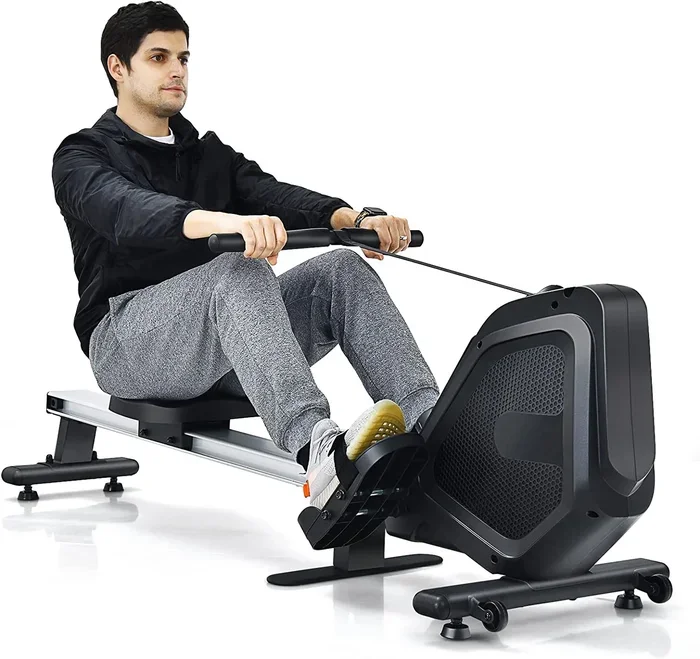
Magnetic rowers use electromagnets to create smooth, quiet resistance. They are the whisper-quiet option that works beautifully in apartments and shared living spaces.
- Pros: Extremely quiet, compact design, easy to adjust resistance
- Cons: Less realistic feel, resistance is not infinite
If noise is a concern, magnetic rowers are your best friend. They are perfect for early morning workouts without waking the household. Learn more about choosing the right resistance type in our guide on what is the best resistance for a rowing machine.
Water Rowing Machines
Water rowers use a tank of water to create resistance. The sound of the water swirling adds a calming, meditative element to your workout. Many users say water rowers feel the most natural.
- Pros: Beautiful smooth motion, soothing sounds, stunning design
- Cons: Heavy, expensive, not foldable in most models
Water rowers are the premium choice. They look incredible in a home and feel amazing to use. However, they come with a higher price tag and are not the easiest to move around.
Hydraulic Rowing Machines
Hydraulic rowers use pistons or cylinders to create resistance. They are the most affordable option and take up the least space. They are a solid entry point for beginners.
- Pros: Budget-friendly, compact, easy to store
- Cons: Less smooth motion, lower durability over time
If you are just starting out or have a tight budget, a hydraulic rower gets the job done. Just do not expect the same premium feel as air or water models.
What to Look for When Buying a Rowing Machine
Not sure what features matter most? Here are the key factors that separate a great rower from a mediocre one.
Resistance Type and Levels
The resistance system determines how your rowing experience feels. Some machines offer fixed resistance, while others let you adjust on the fly. The best at-home rowing machine gives you multiple resistance levels so you can go easy on recovery days and push hard during interval training.
For a deeper dive into resistance options, visit our page on what is the best rowing machine for home use 2.
Size and Foldability
Measure your available space before you buy. Most rowers range from 7 to 9 feet long when in use. If you live in a small apartment, look for a foldable rowing machine that slides under a bed or into a closet.
Here are some quick space-saving tips:
- Choose a model with transport wheels for easy movement
- Look for a folded footprint under 20 inches wide
- Consider wall-mounted storage if ceiling height allows
Comfort and Build Quality
You will spend hours on this machine, so comfort matters. Check the seat padding, rail smoothness, and foot strap quality. A sturdy frame with a high weight capacity ensures safety and longevity.
Pay attention to the rail material too. Aluminum rails glide smoothly and resist rust. Cheap plastic tracks will wear out fast and create a jerky rowing experience.
Display and Workout Features
A good monitor tracks your stroke rate, distance, time, calories burned, and pace. Higher-end models offer built-in workout programs and Bluetooth connectivity. Some even let you compete with friends through apps.
You do not need the fanciest display to get a great workout. But having basic metrics helps you stay motivated and track your progress over time.
Top Picks: Best Rowing Machines for Home Use
After testing and researching dozens of models, here are our top recommendations across different categories and budgets.
Best Overall: Concept2 Model D
The Concept2 Model D is the gold standard in indoor rowing. It uses an air resistance system with an adjustable damper. The performance monitor is industry-leading and tracks every metric you could want. This machine is used by Olympic athletes and casual fitness enthusiasts alike.
Why we love it:
- Extremely durable with a 30+ year lifespan
- Adjustable resistance from light to intense
- Folds for easy storage
- Widely available with excellent customer support
Best Budget Option: Sunny Health & Fitness SF-RW5515
This hydraulic rower delivers solid performance at a fraction of the cost. It is compact, lightweight, and perfect for beginners. The basic monitor tracks the essentials, and the assembly takes less than 30 minutes.
If you are on a tight budget and want to try rowing without a big commitment, this is a fantastic starting point.
Best for Small Spaces: MAGNUS Magnetic Rowing Machine
The MAGNUS rower is one of the most compact magnetic rowers on the market. It folds flat and weighs under 60 pounds. The magnetic resistance is whisper-quiet, making it ideal for noise-sensitive environments.
It may not feel as premium as an air rower, but for small spaces and quiet operation, it is hard to beat.
Best Premium Experience: WaterRower Natural
The WaterRower Natural is a stunning piece of equipment. The water tank creates a smooth, realistic rowing feel with calming sounds of flowing water. The solid oak construction looks beautiful in any room.
It is an investment, but if you want the most enjoyable rowing experience at home, this is the one.
Common Mistakes to Avoid When Buying a Rowing Machine
Even the most informed buyers make mistakes. Here are the pitfalls to watch out for.
Skipping the Test Ride
Every rower feels different. What works for your friend may not work for you. If possible, visit a store and test the machine before buying. The seat glide, footrest comfort, and resistance feel are all personal preferences.
Ignoring Assembly Requirements
Some rowers require professional assembly, which adds cost and time. Check the assembly time and difficulty before ordering. Many modern models are designed for easy home assembly with basic tools.
Choosing Style Over Function
A beautiful wooden rower looks great in a living room but may lack the performance features you need. Do not let aesthetics override functionality. Pick the machine that delivers the best workout first, and the looks second.
Forgetting About Maintenance
Rowers need regular upkeep to perform well. Air rowers need occasional dusting of the flywheel. Water rowers require water treatment tablets to prevent algae. Magnetic rowers are the lowest maintenance option. Factor in ongoing care when choosing your machine.
How to Get Started with Your New Rowing Machine
Once you have your best at-home rowing machine, you need to use it correctly. Proper technique makes a huge difference in results and injury prevention.
Master the Basic Stroke
The rowing stroke has four phases:
- Catch: Start with knees bent, arms extended, and shoulders relaxed
- Drive: Push with your legs first, then lean back, then pull with your arms
- Recovery: Extend your arms, lean forward, then bend your knees
- Repeat: Maintain a smooth, continuous rhythm
Getting the sequence right is crucial. Legs drive the power, not your arms. If you pull too hard with your upper body, you risk shoulder and back strain.
For detailed guidance on proper technique, we recommend reading our article on what is the proper form for a rowing machine 2.
Start Slow and Build Up
Do not jump into intense workouts right away. Start with 10 to 15 minutes of steady rowing at a comfortable pace. Focus on your form and breathing. As your fitness improves, gradually increase duration and intensity.
A good beginner routine looks like this:
- 5 minutes of warm-up rowing at low resistance
- 10 minutes of moderate rowing, focusing on consistent strokes
- 5 minutes of cool-down rowing
Within a few weeks, you will notice improved endurance, better technique, and stronger muscles throughout your body.
Add Variety to Your Workouts
Doing the same steady rowing session every day gets boring fast. Mix in interval training, distance challenges, and tempo pieces to keep things interesting. Many rowers use apps like RowErg or ErgData to follow structured programs and compete virtually.
Rowing is one of the most versatile indoor exercises you can do. A 20-minute session can burn 200 to 400 calories depending on intensity. It is efficient, effective, and endlessly adaptable.
Rowing Machine vs Other Home Cardio Equipment
How does a rower compare to other popular home gym machines? Here is a quick comparison.
| Feature | Rowing Machine | Treadmill | Elliptical |
|---|---|---|---|
| Muscles Worked | 86% of body | Lower body | Lower body |
| Impact on Joints | Very low | High | Low |
| Space Required | Medium | Large | Medium |
| Noise Level | Medium to High | Medium | Low |
| Calories Burned (20 min) | 200-400 | 150-300 | 180-350 |
| Upper Body Engagement | Yes | No | Minimal |
As you can see, rowing machines offer the most complete workout. They engage your entire body, burn significant calories, and are gentle on your joints. For a deeper comparison, check out our treadmill vs rowing machine analysis.
Final Thoughts: Finding Your Perfect Rowing Machine
The best at-home rowing machine is the one that fits your body, your space, and your goals. There is no single perfect choice for everyone. An air rower may be ideal for a dedicated athlete, while a magnetic model suits a quiet apartment perfectly.
Set your budget, measure your space, and decide what features matter most to you. Then trust your research and make the purchase. A rowing machine is a long-term investment in your health and fitness.
Start slow, focus on form, and enjoy the journey. Rowing is one of the most rewarding exercises you can do from the comfort of your own home. Your future self will thank you for making the move today.
Frequently Asked Questions
What is the best rowing machine for small apartments?
Magnetic and hydraulic rowers are the best choices for small apartments. They are compact, foldable, and operate quietly. Look for models with a folded width under 20 inches and transport wheels for easy storage.
How often should I use my rowing machine to see results?
Using your rowing machine 3 to 5 times per week for 20 to 30 minutes per session is a great starting point. Consistency matters more than intensity. You will notice improvements in endurance and strength within 2 to 4 weeks.
Can beginners use a rowing machine effectively?
Absolutely. Rowing machines are beginner-friendly because you control the intensity and resistance. Start with low resistance, focus on proper form, and gradually increase your workout duration and difficulty over time.
What is the average price of a good home rowing machine?
Good home rowers range from $150 to $1,500 depending on the type and features. Budget hydraulic models start around $150, mid-range magnetic and air rowers cost $400 to $800, and premium water rowers can exceed $1,200.
Is rowing better than running for weight loss?
Rowing burns more calories per minute than running for most people because it engages the entire body. It is also lower impact, which means you can row longer without joint pain. Both are excellent for weight loss, but rowing offers a more balanced full-body workout.
Do I need a special floor for a rowing machine?
Most rowing machines work fine on standard hardwood or carpet floors. If you have sensitive flooring, use a protective mat underneath. Heavy water rowers may benefit from a reinforced floor, but most residential floors handle them easily.