Can You Jump Rope on Yoga Mat 2
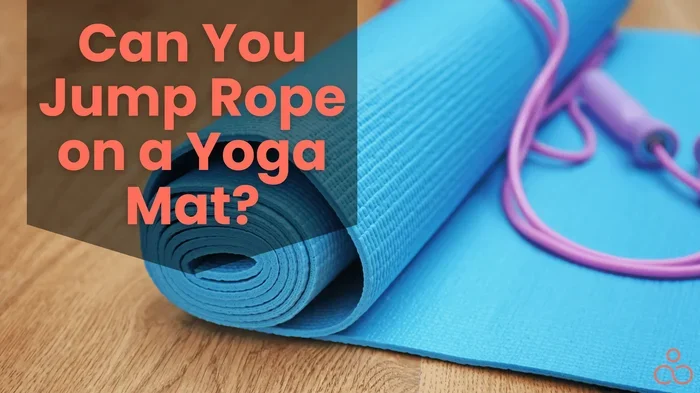
Yes, you can jump rope on a yoga mat, but it depends on the mat type and your workout intensity. A thick, dense yoga mat provides cushioning that protects your joints, while a thin mat may slip or compress too much. This guide covers everything you need to know about using a yoga mat for jump rope, from choosing the right mat to avoiding common mistakes.
Jump rope is one of the simplest and most effective cardio exercises you can do at home. But what happens when your floor is hard, cold, or just uncomfortable? Many people reach for their yoga mat and wonder if that’s a safe choice. The short answer is yes, but there are some important things to consider before you start jumping rope on a yoga mat.
Whether you are a beginner just starting your fitness journey or a seasoned athlete looking for a portable workout surface, this guide covers everything you need to know. We will explore the benefits, risks, best mat types, and practical tips to make your jump rope workout on a yoga mat safe and effective.
The idea of combining yoga and jump rope might seem unusual at first. Yoga focuses on flexibility and balance, while jump rope is a high-energy cardio training tool. But when used together correctly, they complement each other beautifully. A yoga mat gives you a defined space, cushioning, and grip, all of which can enhance your jump rope sessions.
Key Takeaways
- Yoga mats can work for jump rope: They offer joint protection and a stable surface for low to medium intensity sessions.
- Mat thickness matters: A 6mm to 8mm mat balances cushioning and stability for rope jumping exercises.
- Watch for slipping: Some yoga mats slide on hard floors, which can cause injuries during fast-paced jump rope routines.
- Not ideal for high-impact training: Heavy double-unders or advanced techniques may wear out thin mats quickly.
- Clean your mat after use: Sweat from intense jump rope sessions can degrade yoga mat material over time.
- Consider a combo mat: Some fitness mats are designed to handle both yoga and light cardio exercises.
📑 Table of Contents
- Can You Jump Rope on a Yoga Mat?
- Benefits of Using a Yoga Mat for Jump Rope
- Risks and Downsides to Consider
- How to Choose the Right Yoga Mat for Jump Rope
- Best Practices for Jump Rope on a Yoga Mat
- Can You Bring a Jump Rope to the Gym or On a Plane?
- How Long Should You Jump Rope for a Good Workout?
- Common Mistakes to Avoid
- Expert Insights
- Final Thoughts
Can You Jump Rope on a Yoga Mat?
The short answer is yes, you absolutely can. But the better question is whether you should. That depends on several factors, including your mat type, your fitness level, and the kind of jump rope exercises you plan to do.
A standard yoga mat is designed for low-impact activities like stretching, yoga poses, and floor exercises. It provides a non-slip surface and some cushioning for your joints. When you add jump rope exercise to the mix, you introduce repeated impact forces that a yoga mat was not originally designed to handle.
That said, many people successfully use their yoga mats for jump rope sessions. The key is understanding what works and what does not. Let us break it down.
What Happens When You Jump Rope on a Yoga Mat?
When you jump on a yoga mat, the mat absorbs some of the impact. This is good news for your knees, ankles, and hips. The cushioning reduces the stress that hard floors like concrete or wood would place on your joints.
However, there is a trade-off. Yoga mats can compress under repeated impact. A thin mat may flatten out quickly, losing its cushioning ability. A thick mat might feel unstable, making it harder to maintain balance during fast rope turns.
Another consideration is grip. Yoga mats are designed to keep your feet and hands in place during static poses. During jump rope, your feet move rapidly and generate heat from friction. Some mats handle this well, while others may become slippery when sweat builds up.
Benefits of Using a Yoga Mat for Jump Rope
Using a yoga mat for your jump rope workout offers several real advantages. Here is why many fitness enthusiasts choose this setup.
Joint Protection
Jumping rope on a hard surface can be tough on your joints over time. The repetitive impact from rope jumping can stress your knees, ankles, and lower back. A yoga mat provides a layer of padding that absorbs shock and reduces strain.
This makes yoga mats especially useful for:
- Beginners who are building endurance
- People with joint sensitivities or past injuries
- Indoor workouts on hardwood or tile floors
- Elderly fitness enthusiasts who need extra cushioning
Defined Workout Space
A yoga mat creates a clear boundary for your workout area. It signals to your brain that this is your exercise zone. This mental cue can help you stay focused and maintain proper jump rope technique throughout your session.
Portability and Convenience
Most yoga mats are lightweight and easy to carry. You can roll one up, toss it in a bag, and take it anywhere. This makes jump rope on a yoga mat a great option for travel workouts, small apartments, or outdoor sessions on uneven ground.
Unlike heavy gym flooring or specialized workout platforms, a yoga mat is portable gym equipment that fits in almost any bag.
Sweat Absorption and Grip
Many yoga mats are made from materials that handle sweat well. TPE and rubber mats offer good traction even when you are perspiring heavily. This is important during intense cardio training sessions where your feet are constantly moving.
Risks and Downsides to Consider
While there are clear benefits, jumping rope on a yoga mat is not without risks. Being aware of these issues helps you stay safe and get the most from your workouts.
Mat Slippage
One of the biggest concerns with using a yoga mat for jump rope is slipping. Some mats, especially the cheaper PVC ones, have a smooth bottom that slides on hard floors. When you are jumping at a fast pace, a slipping mat can cause you to lose balance and twist an ankle.
To prevent this, look for mats with a textured or rubberized bottom that grips the floor. You can also place a towel underneath the mat for extra stability.
Mat Compression and Wear
Repeated jumping puts significant pressure on a yoga mat. Over time, this can cause the mat to compress permanently. A compressed mat loses its cushioning and becomes less effective for both yoga and jump rope.
Thin mats are especially vulnerable to this problem. If you plan to use your mat for jump rope regularly, invest in a thicker, higher-density option.
Limited Shock Absorption for High-Impact Moves
Yoga mats are designed for low-impact use. Advanced jump rope techniques like double-unders, criss-crosses, and high knees generate much more force than basic bouncing. A standard yoga mat may not provide enough shock absorption for these moves.
If you are doing intense high impact workout routines, consider a specialized fitness mat or a thicker exercise platform instead.
How to Choose the Right Yoga Mat for Jump Rope
Not all yoga mats are created equal. Some work well for jump rope, while others fall short. Here is what to look for when picking a mat that can handle both yoga and rope jumping.
Thickness
For jump rope, a mat that is 6mm to 8mm thick offers the best balance. It provides enough cushioning to protect your joints without feeling unstable underfoot. Mats thinner than 4mm may compress too quickly, while mats thicker than 10mm can feel wobbly during fast movements.
| Mat Thickness | Best For | Jump Rope Rating |
|---|---|---|
| 3mm – 4mm | Travel yoga, gentle stretching | Poor – not enough cushioning |
| 5mm – 6mm | Light jump rope, beginners | Fair – decent for basic jumps |
| 7mm – 8mm | Regular jump rope, mixed use | Good – great balance of cushion and stability |
| 10mm+ | Heavy cushioning, recovery yoga | Fair – stable but bulky |
Material
The material of your mat matters more than you might think. Here is a quick comparison of common yoga mat materials:
- TPE (Thermoplastic Elastomer): Lightweight, affordable, and good for sweat absorption. Works well for light to moderate jump rope sessions.
- Natural Rubber: Dense, durable, and offers excellent grip. This is the best choice for frequent jump rope use.
- Cork: Eco-friendly and naturally antimicrobial. Provides good grip but may wear faster under repeated jumping.
- PVC: Very common and budget-friendly. Can be slippery when wet and tends to compress quickly under impact.
Surface Texture
Look for a mat with a textured or ridged surface. Smooth mats may feel great for yoga poses, but they do not give your feet enough traction during jump rope. A slightly textured top layer helps keep your feet planted and reduces the risk of slipping.
Best Practices for Jump Rope on a Yoga Mat
Now that you know the benefits and risks, here are some practical tips to get the most out of your jump rope yoga mat sessions.
Start Slow
If you are new to jumping rope, start with basic two-foot jumps at a moderate pace. Do not jump right into advanced techniques. Give your body time to adjust to the mat surface and build up your jump rope endurance gradually.
Keep the Mat Flat
Before each session, make sure your mat is completely flat on the floor. Any wrinkles or folds can cause you to trip. If your mat tends to curl at the edges, weigh down the corners with heavy books or use a mat with a non-slip base.
Clean Your Mat Regularly
Sweat and dirt can break down yoga mat material over time. After each jump rope session, wipe your mat with a damp cloth and mild soap. Let it air dry completely before rolling it up. This extends the life of your mat and keeps it hygienic.
For more information on cleaning methods, check out our guide on cleaning a yoga mat with Clorox wipes for safe maintenance tips.
Use the Right Shoes
Even on a yoga mat, wearing proper shoes matters. Lightweight cross-training shoes or barefoot-style shoes give you the best feel and support for jump rope. Avoid heavy running shoes, which can make the mat compress faster and feel bulky underfoot.
Alternate Surfaces
You do not have to use your yoga mat every time. On days when you are doing high-intensity intervals or long sessions, consider using a hard floor or a dedicated exercise mat designed for cardio. This gives your yoga mat a break and extends its lifespan.
Can You Bring a Jump Rope to the Gym or On a Plane?
Jump ropes are versatile pieces of fitness equipment that you can use almost anywhere. But can you bring one to the gym or travel with one on a plane?
Most gyms, including Planet Fitness, allow you to bring your own jump rope. However, it is always a good idea to check with the gym beforehand. Some facilities have specific rules about personal gym equipment. For details, see our article on bringing a jump rope to Planet Fitness.
When it comes to air travel, jump ropes are generally allowed in both carry-on and checked luggage. They are not considered a restricted item by most airlines. However, if you are concerned about space, you can always pack a travel-friendly jump rope that collapses or folds up. For more on traveling with a jump rope, check out our guide on bringing a jump rope on an airplane.
How Long Should You Jump Rope for a Good Workout?
The ideal duration depends on your fitness level and goals. Beginners should start with 10 to 15 minutes of continuous jumping, broken into short intervals. As your stamina improves, you can work up to 20 or 30 minutes per session.
For those focused on weight loss, jump rope calorie burn is impressive. A 155-pound person can burn approximately 300 calories in just 30 minutes of moderate jump rope. To learn more about weight loss timelines, see our article on how much weight you can lose with jump rope.
The key is consistency. Even short daily sessions on your yoga mat can lead to meaningful improvements in cardiovascular health, coordination, and overall fitness.
Common Mistakes to Avoid
- Using a mat that is too thin: This provides almost no cushioning and can lead to joint pain over time.
- Jumping on a wet mat: Sweat makes surfaces slippery. Always dry your mat between uses.
- Ignoring floor conditions: A yoga mat on a wet or oily floor is a slipping hazard. Always check your floor before starting.
- Wearing the wrong shoes: Heavy or stiff shoes can damage your mat and feel uncomfortable during fast jumps.
- Skipping warm-ups: Jumping rope cold on a mat increases your risk of muscle strains. Always warm up for 5 minutes first.
Expert Insights
Fitness professionals generally agree that a yoga mat works well for light to moderate jump rope sessions. Certified trainers recommend using a mat that is at least 6mm thick with a non-slip surface for the best results. They also suggest alternating between your yoga mat and a firmer surface to balance joint protection with training intensity.
According to personal trainers, the biggest mistake people make is treating a yoga mat like a professional gym flooring solution. While yoga mats are versatile, they are not a replacement for dedicated cardio platforms. Think of your yoga mat as a convenient option for home workouts, travel sessions, and quick routines, not as your primary surface for heavy training.
Many trainers also recommend pairing your jump rope on yoga mat routine with a brief stretching cool-down. This bridges the gap between cardio and flexibility training, giving you a complete workout in one session.
Final Thoughts
So, can you jump rope on a yoga mat? Absolutely. With the right mat, proper technique, and a few precautions, you can enjoy a safe and effective jump rope workout from the comfort of your home. A yoga mat offers joint protection, a stable surface, and the convenience of a portable workout space.
Just remember to choose a mat that is thick enough, textured enough, and durable enough to handle repeated impact. Start slow, build up your intensity over time, and take care of your mat after each session.
Whether you are jumping rope to lose weight, improve your cardiovascular health, or simply stay active at home, your yoga mat can be a reliable partner in your fitness journey. The key is to use it wisely and enjoy the process.
For more tips on maximizing your jump rope workouts, explore our guides on how long you should jump rope for a workout and how many calories you burn from jump rope. Happy jumping!
Frequently Asked Questions
Can I use any yoga mat for jump rope?
Most yoga mats can work for light to moderate jump rope sessions. However, thicker mats (6mm to 8mm) with a textured surface and good grip work best. Thin or smooth mats may slip or compress too quickly under repeated impact.
Will jumping rope damage my yoga mat?
Regular jump rope use can wear down a yoga mat over time, especially thin ones. To minimize damage, use a durable mat made from natural rubber or TPE, and clean it after each session to remove sweat and dirt.
Is it better to jump rope on a yoga mat or on the floor?
A yoga mat provides better joint protection and cushioning than a hard floor. For beginners or people with joint concerns, a yoga mat is the safer choice. For high-intensity training, a firm floor or specialized exercise surface may be better.
Can I do advanced jump rope techniques on a yoga mat?
Basic and intermediate techniques work well on a yoga mat. Advanced moves like double-unders and criss-crosses generate more impact and may wear out thin mats faster. Use a thicker, high-density mat if you plan to practice advanced techniques regularly.
How do I stop my yoga mat from slipping during jump rope?
Choose a mat with a rubberized or textured bottom that grips the floor. You can also place a towel underneath the mat for extra stability. Make sure your floor is clean and dry before starting your session.
How often should I clean my yoga mat after jump rope sessions?
You should wipe down your yoga mat after every jump rope session. Sweat and friction can degrade the mat material over time. Use a damp cloth with mild soap, and let the mat air dry completely before storing it.