What Areas Does a Rowing Machine Work 2
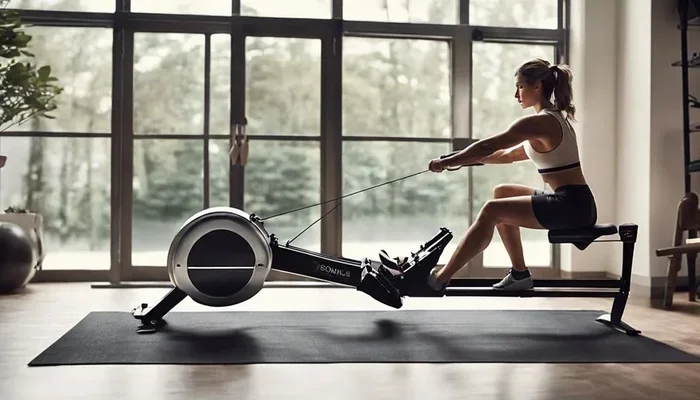
A rowing machine is one of the best pieces of home gym equipment for targeting multiple muscle groups at once. This guide covers exactly what areas does a rowing machine work 2, from your legs and back to your arms and core. You will learn the muscles worked by rowing, proper technique, and how to maximize every stroke for better results.
Rowing machines have become one of the most popular pieces of home gym equipment in recent years. People love them because they deliver a powerful workout without pounding your joints. But many users wonder exactly what areas does a rowing machine work 2 and whether it truly lives up to the hype.
The truth is, a rowing machine engages almost your entire body. From the moment you push off with your legs to the final pull with your arms, every stroke works multiple muscle groups. Whether you are looking to build strength, improve cardio exercise capacity, or burn calories, the rowing machine delivers. In this guide, we break down exactly which areas of your body get worked and how to get the most out of every session.
Key Takeaways
- Full Body Engagement: A rowing machine works your legs, core, back, and arms in one smooth motion.
- Low Impact Exercise: It is gentle on your joints while still delivering a tough cardio and strength workout.
- Proper Form Matters: Using the correct rowing technique ensures you target the right muscles and avoid injury.
- Calorie Burning Power: Indoor rowing burns significant calories, making it great for weight loss goals.
- Adjustable Resistance: You can change resistance settings to focus on strength or endurance training.
- Beginner Friendly: Rowing machines are easy to learn and work well for all fitness levels.
📑 Table of Contents
What Areas Does a Rowing Machine Work 2
When you sit on a rowing machine and start pulling, you are not just working one muscle. The rowing stroke is a compound movement that recruits muscles from your lower body, upper body, and core. Understanding which muscles are involved helps you train smarter and avoid wasted effort.
Many people think rowing is all about your arms. That is a common mistake. Your arms actually do a smaller portion of the work compared to your legs and back. The real power comes from your lower body pushing against the footplates. Let us break this down by body area so you can see the full picture.
Upper Body Areas Worked
The upper body benefits greatly from indoor rowing. Your lats, rhomboids, and trapezius muscles in your back do the heavy lifting during the pull phase. Your rear deltoids and biceps also engage when you draw the handle toward your chest.
Your forearms and grip strength improve over time too. Every stroke requires you to hold onto the handle, which builds endurance in your hands and wrists. Over weeks of consistent training, you will notice improved upper body workout strength in your daily life.
Lower Body Areas Worked
Your legs are the engine of the rowing stroke. The drive phase starts with your quadriceps, hamstrings, glutes, and calves. These large muscle groups generate most of the power you need to move the flywheel.
Your calves and ankles stabilize your feet against the footplates. Your glutes and hamstrings fire as you push back, and your quads take over as your knees extend. This makes rowing an excellent lower body workout that builds real functional strength.
Core Muscles Engaged
Your core is the bridge between your upper and lower body during every stroke. Your abdominals, obliques, and lower back muscles all work to stabilize your torso. Without a strong core, your rowing technique falls apart.
Many people underestimate how much their core does during a rowing session. Your abs brace your spine through every movement. This constant engagement makes rowing a fantastic way to build core muscles while also getting your heart rate up.
How the Rowing Stroke Targets Different Body Areas
The rowing stroke has two main phases: the drive and the recovery. Each phase activates different muscle groups in a specific sequence. Understanding this sequence helps you use proper rowing technique and get the most from every rep.
The Drive Phase
The drive is where all the power happens. It starts with your legs pushing against the footplates. As your legs extend, your core transfers that force to your upper body. Finally, your arms pull the handle to your lower chest.
This sequence matters a lot. If you pull with your arms too early, you lose power and put unnecessary strain on your shoulders. The correct order is legs, then core, then arms. This is the secret to an effective rowing machine workout.
The Recovery Phase
The recovery is the return phase. It happens in the reverse order: arms extend first, then your core leans forward, and finally your knees bend as you slide forward. This phase prepares your body for the next drive.
The recovery might look easy, but it sets you up for the next powerful stroke. A smooth and controlled recovery reduces fatigue and keeps your heart rate in the right zone for endurance training.
Benefits of Rowing Machine Workouts for Your Body
Rowing machines offer benefits that go far beyond just building muscle. They improve your cardiovascular health, boost your mood, and support long-term fitness goals. Here is why so many people are adding rowing to their routine.
Cardiovascular Health
Rowing gets your heart pumping fast. It is one of the best forms of cardio exercise you can do at home. Regular rowing strengthens your heart and lungs, which improves your overall stamina.
Even 20 minutes of steady rowing can lower your resting heart rate over time. This means your heart does less work during everyday activities. The result is better energy levels and improved long-term health.
Calorie Burning and Weight Loss
If your goal is weight loss exercise, rowing machines are hard to beat. A vigorous session can burn 400 to 800 calories per hour depending on your weight and intensity. The combination of cardio and strength training makes your body burn calories long after you stop.
Rowing also boosts your metabolism. The more muscle you build, the more calories your body burns at rest. This makes it a powerful tool for anyone looking to shed fat and get leaner.
Joint-Friendly Full Body Training
Unlike running or jumping exercises, rowing is a low impact exercise. Your feet stay on the footplates and there is no jarring impact on your knees or hips. This makes it ideal for people recovering from injuries or those who want to protect their joints.
If you are curious about how rowing compares to other machines, check out what does a rowing machine work on your body for a detailed breakdown of muscle engagement.
Common Mistakes That Reduce Effectiveness
Even though rowing looks simple, small mistakes can reduce the benefits and increase your risk of injury. Avoiding these errors will help you get better results from every session.
Rushing the Stroke
Many beginners try to row as fast as possible. This leads to sloppy form and wasted energy. A slow, controlled stroke with proper timing is far more effective than a fast, chaotic one.
Focus on the ratio of your drive to your recovery. A good rule is to take one beat on the drive and two beats on the recovery. This rhythm gives your muscles time to reset and prepares you for the next powerful push.
Rounding Your Back
Slouching or rounding your back during a row puts pressure on your spine. Keep your chest lifted and your shoulders relaxed. Your back should stay straight and neutral throughout the entire stroke.
If you feel any sharp pain in your lower back, stop and check your form. You may be relying too much on your back muscles instead of driving through your legs where the real power comes from.
Pulling Too Hard with Your Arms
Your arms should finish the stroke, not start it. If you yank the handle with your arms from the beginning, you fatigue your biceps and shoulders quickly. Remember the sequence: legs push, core braces, arms pull.
Think of your arms as connectors, not the engine. The real power comes from your legs and core working together. This approach gives you a balanced muscles worked by rowing experience that builds strength evenly across your body.
How to Get the Most Out of Your Rowing Workout
Now that you know what areas a rowing machine targets, here are practical tips to maximize your sessions. These strategies apply whether you are a beginner or a seasoned rower.
Start with Proper Warm-Up
Always warm up for 3 to 5 minutes before jumping into intense rowing. Start at a slow pace and focus on smooth strokes. This prepares your muscles and joints for the work ahead.
A good warm-up also helps you dial in your rowing form before the real effort begins. You want your body to feel loose and ready before you increase the intensity.
Use Interval Training
Interval training is one of the best ways to boost your rowing machine calories burned and build endurance. Try alternating between 30 seconds of hard rowing and 60 seconds of easy recovery. Repeat this cycle for 15 to 20 minutes.
Intervals keep your workouts exciting and challenging. They also push your cardiovascular system harder than steady-state rowing alone. Over time, you will notice improvements in your speed and stamina.
Adjust Resistance Settings
Most rowing machines let you change the resistance level. Higher resistance builds more strength training benefits, while lower resistance favors endurance training and cardio.
For beginners, start with a moderate resistance setting. As you get stronger, you can increase the drag or resistance to challenge yourself further. Listen to your body and adjust as needed.
For more guidance on choosing the right equipment, read what body parts does a rowing machine work out to understand how different machines target different areas.
Track Your Progress
Most modern rowing machines display metrics like distance, time, strokes per minute, and watts. Tracking these numbers helps you see improvement over time and stay motivated.
Set small goals for each session. Maybe you want to row 1,000 meters faster than last week, or hold a steady pace for 10 minutes without stopping. These small wins add up to big results.
Is Rowing the Best Full Body Exercise?
Many fitness experts consider the rowing machine one of the best full body exercises available. It combines cardio and strength in a single movement. Few other machines can say the same.
While treadmills focus mainly on your lower body and bikes target your legs, rowing engages your entire body from head to toe. The muscles do you work on a rowing machine include your quads, hamstrings, glutes, core, lats, rhomboids, biceps, and forearms. That is a lot of muscle groups working together in one exercise.
If you want to compare rowing to other popular machines, check out does a rowing machine give a full body workout for a detailed comparison that shows why rowing stands out.
For people short on time, rowing is a game changer. A 20-minute session can deliver the benefits of a 40-minute workout on other machines. It is efficient, effective, and easy on your body. That is why so many people are adding indoor rowing to their fitness routine.
To understand the full scope of what a rowing machine does for you, visit what muscles do you work on a rowing machine for an in-depth look at muscle engagement and training benefits.
Final Thoughts
So what areas does a rowing machine work 2? The answer is almost everything. Your legs, core, back, and arms all benefit from every stroke you take. Rowing machines offer a rare combination of cardio fitness, strength building, and low impact exercise that few other machines can match.
Whether you are a beginner just starting your fitness journey or an experienced athlete looking for a challenging cross-training tool, the rowing machine delivers. Focus on proper rowing technique, adjust your resistance to match your goals, and stay consistent with your sessions.
The benefits of regular rowing go beyond just physical fitness. You will build mental toughness, improve your posture, and feel more confident in your body. All it takes is a commitment to show up and put in the work. Your body will thank you for it.
Frequently Asked Questions
What muscles does a rowing machine primarily target?
A rowing machine primarily targets your legs, back, and core. Your quads, hamstrings, glutes, lats, and abdominals do the most work during each stroke. Your arms and shoulders also engage but play a smaller role in generating power.
Can rowing help me lose belly fat?
Rowing is a great cardio exercise that burns calories and reduces overall body fat, including belly fat. However, spot reduction is not possible. You need a combination of consistent rowing workouts, a healthy diet, and overall fat loss to see results in your midsection.
How long should I row each session for best results?
For general fitness, 20 to 30 minutes per session is ideal. If you are doing high-intensity interval training, 15 to 20 minutes can be very effective. The key is consistency and proper form rather than just duration.
Is rowing safe for beginners?
Yes, rowing is very beginner friendly. Start with low resistance and focus on learning the correct rowing form. Once you feel comfortable with the technique, you can gradually increase intensity and duration. Most people pick up the basics within a few sessions.
How often should I use a rowing machine per week?
Three to five sessions per week is a good target for most people. This gives your muscles time to recover between workouts while still building consistency. Listen to your body and adjust frequency based on your fitness level and goals.
What is the difference between rowing and other cardio machines?
Unlike treadmills or bikes that focus mainly on your legs, a rowing machine works your entire body. It combines upper body, lower body, and core engagement in one movement. This makes it a more efficient full body workout compared to most other cardio machines.