Can You Use Figure 8 Straps with Dumbbells
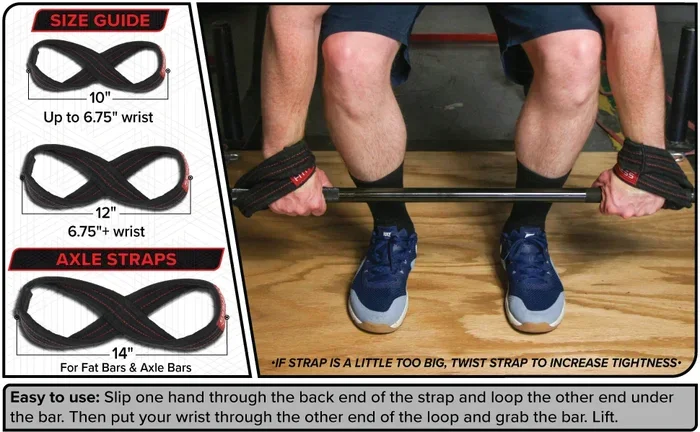
Yes, you can use figure 8 straps with dumbbells, and they can seriously improve your grip and workout performance. These straps wrap around your wrist and the dumbbell handle, letting you lift heavier for longer without your grip giving out. Whether you are doing rows, deadlifts, or curls, figure 8 straps help you focus on the target muscles instead of worrying about dropping the weight.
If you have ever been in the middle of a heavy set of dumbbell rows and felt your grip start to slip, you know how frustrating that can be. Your back and arms are ready to keep going, but your hands just give out. That is where figure 8 straps come in. These simple but effective lifting accessories can change the way you train with dumbbells.
So, can you use figure 8 straps with dumbbells? The short answer is yes. But there is a lot more to know about when, why, and how to use them the right way. This guide covers everything you need to make an informed decision about adding figure 8 straps to your dumbbell workouts.
Whether you are a beginner just starting out or a seasoned lifter looking to push past plateaus, understanding how grip support tools work can take your training to the next level. Let us dive in.
Key Takeaways
- Figure 8 straps work great with dumbbells for exercises that demand a strong grip and sustained hold.
- They reduce grip fatigue so you can push through more reps and heavier weights during your dumbbell sessions.
- Proper wrapping technique matters a lot, and getting it wrong can cause discomfort or injury.
- Not every exercise needs straps — use them strategically for pulling movements and heavy sets.
- Beginners and advanced lifters alike can benefit from adding figure 8 straps to their dumbbell training toolkit.
- Pair straps with good form and don’t rely on them to fix weak grip strength over time.
📑 Table of Contents
What Are Figure 8 Straps?
Figure 8 straps are a type of weightlifting strap shaped like the number 8. One loop goes around your wrist, and the other wraps around the dumbbell or barbell. The crossover point in the middle creates a secure connection between your hand and the weight. This design helps you hold onto heavy loads without relying solely on your grip strength.
They are different from standard straight straps because the figure 8 shape adds extra security. The dumbbell or barbell cannot slip out as easily. Many lifters prefer them for exercises where the weight pulls away from your body, making grip the limiting factor.
How Do They Compare to Other Strap Types?
There are a few types of lifting straps on the market. Let us look at how figure 8 straps stack up against the alternatives.
- Standard straight straps: These are simple loops that wrap around the wrist and the bar. They work well but can loosen during certain movements.
- Figure 8 straps: The crossover design locks the weight in place more securely. They are harder to slip out of during heavy pulls.
- Lifting belts: These support your lower back, not your grip. They serve a completely different purpose.
- Wrist wraps: These stabilize the wrist joint but do not attach to the weight. They are not a replacement for grip straps.
For dumbbell training specifically, figure 8 straps offer a nice balance of security and ease of use. They are not as bulky as some options and they stay in place well during most exercises.
Can You Use Figure 8 Straps With Dumbbells?
The answer is a clear yes. Figure 8 straps work perfectly with dumbbells. They are one of the best tools you can add to your dumbbell training routine if grip strength is holding you back. The loop design fits around most standard dumbbell handles with ease.
When you attach the strap to a dumbbell, the weight becomes more connected to your body. You do not have to fight to keep it in your hands. This lets you focus on the muscles you are actually trying to work, like your back, shoulders, or biceps.
Many people who train at home with limited equipment rely heavily on dumbbells. If you are doing full body workouts with just dumbbells, figure 8 straps can help you get more out of every session. You will be able to complete more reps, use heavier weights, and spend less time resting between sets because your grip will not fatigue as quickly.
Which Dumbbell Exercises Work Best With Figure 8 Straps?
Not every exercise needs straps. But certain movements benefit a lot from the added grip support. Here are the best dumbbell exercises to use with figure 8 straps:
- Dumbbell rows: This is one of the top exercises where grip gives out before your back does. Straps let you row heavier for more reps.
- Dumbbell deadlifts: Holding heavy dumbbells in each hand for deadlifts can quickly drain your grip. Straps keep you going.
- Farmer’s walks: Walking with heavy dumbbells for time or distance becomes much easier when your grip is supported.
- Dumbbell pull-ups or chin-ups (with dumbbell between feet): Any pulling movement benefits from straps when grip becomes the bottleneck.
- Heavy dumbbell curls: For high-rep curl sets, straps help you push past the point where your forearms would normally fail.
Exercises like dumbbell presses or shoulder presses typically do not need straps because the weight is supported by your shoulders and chest, not your grip. Use straps wisely and only for movements where your hands are the limiting factor.
Benefits of Using Figure 8 Straps for Dumbbell Training
Adding figure 8 straps to your dumbbell workouts comes with several real advantages. Here is why so many lifters swear by them.
1. Improved Grip Endurance
Your forearm muscles and hand muscles can tire out fast during heavy sets. When that happens, your workout slows down because you need more rest between sets. Figure 8 straps take the grip demand off your hands and forearms. This means you can keep your muscles working longer without unnecessary rest breaks.
Over time, this leads to better muscle building because you maintain tension on the target muscles for longer periods. More time under tension equals more growth stimulus.
2. Heavier Loads, More Progress
When your grip is no longer the weak link, you can push yourself to use heavier dumbbells. This is huge for progressive overload, which is the key principle behind getting stronger and building muscle. Instead of stopping a set because your hands are exhausted, you can keep going with the weight that your target muscles are ready for.
3. Reduced Risk of Grip-Related Injuries
Straining a finger or tearing a tendon in your hand because your grip failed mid-set is no fun. Figure 8 straps help prevent these kinds of injuries by keeping the dumbbell secure even when your hands are fatigued. You do not have to worry about dropping a heavy dumbbell on your foot or losing control during a movement.
4. Better Focus on Target Muscles
One of the biggest benefits is mental. When you know your grip is secure, you can fully focus on squeezing and contracting the muscle you are training. Instead of thinking about holding onto the dumbbell, you can concentrate on form, tempo, and mind-muscle connection. This alone can improve the quality of your strength training sessions.
How to Properly Use Figure 8 Straps With Dumbbells
Using figure 8 straps the right way makes a big difference. If you just loop them around randomly, they will not work well and could even cause discomfort. Here is a step-by-step guide.
Step 1: Thread the Wrist Loop
Take one end of the strap and slide your hand through the wrist loop. Make sure it sits snugly around your wrist but is not too tight. You should be able to fit one finger between the strap and your skin. If it is too loose, the strap will shift during your set.
Step 2: Wrap the Strap Around the Dumbbell
Take the other end of the strap and wrap it around the dumbbell handle. The crossover point should sit right where your hand meets the handle. This is the key to the figure 8 design working properly.
Step 3: Tighten and Secure
Before you lift, give the strap a gentle pull to tighten it. The crossover should be snug against the handle. When you grip the dumbbell, the strap should take most of the load. Your fingers should just guide the dumbbell, not bear all the weight.
Step 4: Perform Your Reps
Now you are ready to lift. The dumbbell should feel connected to your body through the strap. Focus on controlled movements and proper form. If the strap starts to shift, pause and adjust it before continuing.
Quick Tips for Best Results
- Always check the strap tightness before each set.
- Do not wrap the strap too many times around the handle — this can cause friction and wear.
- Use gloves or chalk alongside straps if your hands get very sweaty.
- Practice the wrapping technique at home before using straps in a heavy workout.
- Store your straps in a dry place to prevent the material from degrading.
If you want more detailed guidance on wrist strap techniques, check out our guide on how to use wrist straps for dumbbells for expert tips and step-by-step instructions.
Common Mistakes to Avoid
Even though figure 8 straps are simple to use, people make mistakes that reduce their effectiveness or even cause problems. Here are the most common errors to watch out for.
Using Straps for Every Exercise
It is tempting to strap up for every set, but that is not a smart approach. Your grip strength needs to be trained too. If you always use straps, your forearms and hands will not develop the strength they need. Save straps for heavy pulling movements and high-rep sets where grip is genuinely the limiting factor.
Wrapping the Strap Too Loosely
A loose strap is a dangerous strap. If the strap shifts during a heavy rep, the dumbbell can rotate and cause a wrist injury. Always make sure the crossover is tight and the wrist loop is secure before you start lifting.
Relying on Straps Instead of Building Grip Strength
Straps are a tool, not a crutch. If your grip is weak, it is worth doing some grip-specific exercises without straps to build foundational strength. Use straps strategically, not as a permanent replacement for developing your natural grip.
Ignoring Strap Maintenance
Figure 8 straps take a beating over time. The material can fray, the stitching can loosen, and the loops can stretch out. Check your straps regularly for wear and replace them when they start to look damaged. A broken strap mid-set is not worth the risk.
Who Should Use Figure 8 Straps With Dumbbells?
Figure 8 straps are not just for powerlifters or professional athletes. A wide range of lifters can benefit from them. Here is a look at who should consider adding them to their dumbbell training routine.
Beginners Building a Foundation
If you are new to strength training and your grip is not yet strong enough to handle heavier dumbbells, straps can help you keep going. This means you get more out of each workout and build muscle faster. Just make sure you are also doing some grip-free exercises to develop your natural holding strength over time.
Intermediate and Advanced Lifters
For experienced lifters, figure 8 straps are a tool for breaking through plateaus. When you need to push your sets to the next level and your grip is the only thing stopping you, straps let you keep working the target muscles. They are especially useful during heavy dumbbell back workouts and high-volume training blocks.
Home Gym Users
If you train at home with a limited setup, every piece of equipment needs to pull its weight. Figure 8 straps are affordable, compact, and versatile. They make your dumbbells more effective and help you get a good workout with just dumbbells without being limited by grip strength. If you are interested in building a complete home gym setup, you might also want to explore what other equipment can replace dumbbells for variety in your routine.
People Recovering from Hand or Wrist Injuries
If you are coming back from a hand or wrist injury, figure 8 straps can help you return to training safely. They reduce the stress on your grip while still allowing you to work your target muscles. Always consult a doctor or physical therapist before returning to exercise after an injury.
Final Thoughts
Figure 8 straps are a simple, affordable, and highly effective tool for anyone who trains with dumbbells. They solve one of the most common problems in strength training — grip fatigue — and let you focus on what really matters: building muscle and getting stronger.
The key is to use them wisely. Do not rely on straps for every single exercise. Use them for heavy pulling movements and high-rep sets where your grip is the bottleneck. Combine them with proper form, a solid dumbbell training program, and consistent effort, and you will see real results.
If you are serious about your dumbbell workouts and want to get more out of every session, a pair of figure 8 straps is a small investment that pays off big. Give them a try in your next workout and feel the difference for yourself.
Remember, the goal is to train smarter, not just harder. With the right tools and the right approach, you can push past your limits and build the strength and physique you are working toward.
Frequently Asked Questions
Can beginners use figure 8 straps with dumbbells?
Absolutely. Beginners can use figure 8 straps to help them complete more reps and handle heavier weights while their grip strength is still developing. However, it is a good idea to also train your grip without straps occasionally so your hands and forearms grow stronger over time.
Do figure 8 straps work with adjustable dumbbells?
Yes, they do. Figure 8 straps work with most adjustable dumbbells as long as the handle diameter is not too thin or too thick. The strap wraps around the handle and the crossover point holds it securely in place during your reps.
Are figure 8 straps better than regular lifting straps for dumbbells?
Figure 8 straps offer more security than regular straight straps because of the crossover design. They are less likely to slip during heavy sets. However, some lifters prefer the simplicity of straight straps. It really comes down to personal preference and the type of exercises you are doing.
Can figure 8 straps replace the need for grip strength training?
No, they cannot and should not replace grip training. Straps are a helpful tool for specific situations, but your natural grip strength is essential for overall functional fitness. Use straps strategically and continue to train your grip without them regularly.
How do I know if my figure 8 straps are too worn to use safely?
Check your straps for fraying, loose stitching, or stretched-out loops. If the material feels thin or the wrist loop no longer holds snugly, it is time to replace them. Using damaged straps during heavy lifts can be dangerous and lead to injuries.
What other exercises besides dumbbell rows benefit from figure 8 straps?
Dumbbell deadlifts, farmer’s walks, heavy curls, and any pulling movement where grip becomes the limiting factor benefit greatly from figure 8 straps. They are also useful for high-rep sets where your forearms would normally fatigue before your target muscles do.