A rowing machine targets nearly every major muscle group, making it one of the most efficient full-body workouts available. It strengthens your legs, core, back, and arms while boosting cardiovascular endurance. Whether you’re building muscle or burning calories, rowing delivers comprehensive results with low joint impact.
Key Takeaways
- Full-Body Engagement: Rowing machines work legs, core, back, and arms in one fluid motion—no isolated muscle groups left behind.
- Legs Do the Heavy Lifting: Quadriceps, hamstrings, and glutes drive 60% of each stroke’s power.
- Core Stabilizes Every Stroke: Your abs and obliques engage constantly to maintain posture and transfer force.
- Upper Body Gets Sculpted: Lats, rhomboids, biceps, and shoulders pull with precision during each drive-and-recovery cycle.
- Low-Impact, High Reward: Unlike running or jumping, rowing stresses joints minimally while torching calories—ideal for all fitness levels.
- Cardio + Strength Combo: It builds muscular endurance and heart health simultaneously, saving time in your routine.
- Proper Form Multiplies Results: Correct technique ensures maximum muscle activation and prevents injury.
📑 Table of Contents
- What Body Parts Does a Rowing Machine Work Out?
- The Rowing Stroke: A Full-Body Symphony
- Legs: The Engine of Every Stroke
- Core: Your Body’s Stabilizer
- Back: The Power Pull
- Arms and Shoulders: Precision and Control
- Cardiovascular System: The Hidden Benefit
- Why Rowing Beats Other Cardio Machines
- How to Maximize Muscle Engagement
- Common Mistakes to Avoid
- Who Should Use a Rowing Machine?
- Conclusion: Row Your Way to a Stronger Body
What Body Parts Does a Rowing Machine Work Out?
You’ve probably seen rowing machines tucked away in the corner of the gym—quiet, unassuming, and often overlooked. But don’t let their simplicity fool you. When you ask, “What body parts does a rowing machine work out?” the answer is: almost all of them.
Rowing is a full-body powerhouse. It’s not just about pulling a handle—it’s a synchronized dance between your legs, core, back, and arms. Each stroke engages over 85% of your muscles, making it one of the most efficient workouts for building strength, endurance, and lean muscle without pounding your joints.
In this guide, we’ll break down exactly which muscles fire up during a rowing session, why it’s such a smart addition to any routine, and how to maximize every stroke. Whether you’re a beginner or a seasoned athlete, understanding what body parts a rowing machine works out will help you train smarter and get better results.
The Rowing Stroke: A Full-Body Symphony
Understanding the Four Phases
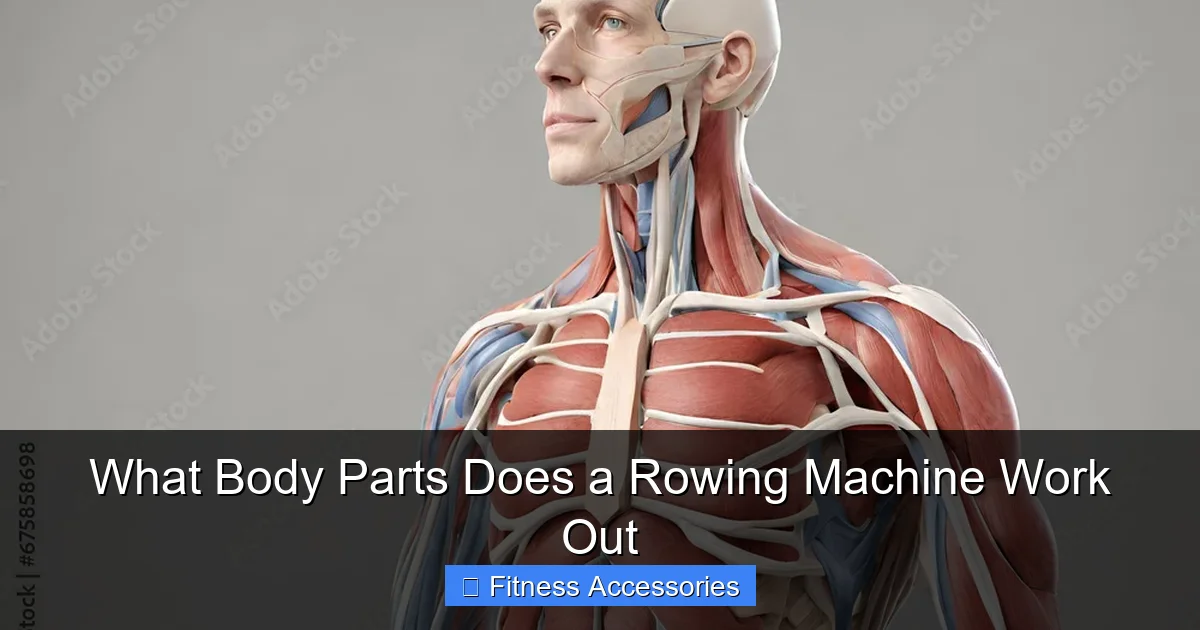
To grasp what body parts a rowing machine works out, you need to understand the rowing stroke itself. It’s split into four seamless phases: the catch, the drive, the finish, and the recovery.
Visual guide about What Body Parts Does a Rowing Machine Work Out
Image source: as1.ftcdn.net
At the catch, you’re compressed at the front with knees bent and arms extended. Then comes the drive—you push hard with your legs, swing your torso back, and pull the handle toward your chest. At the finish, legs are straight, elbows are bent, and your core is tight. Finally, during recovery, you reverse the motion smoothly to reset.
Each phase activates different muscle groups in sequence. That’s why rowing isn’t just cardio—it’s functional strength training disguised as a smooth, rhythmic movement.
Legs: The Engine of Every Stroke
Quadriceps and Hamstrings
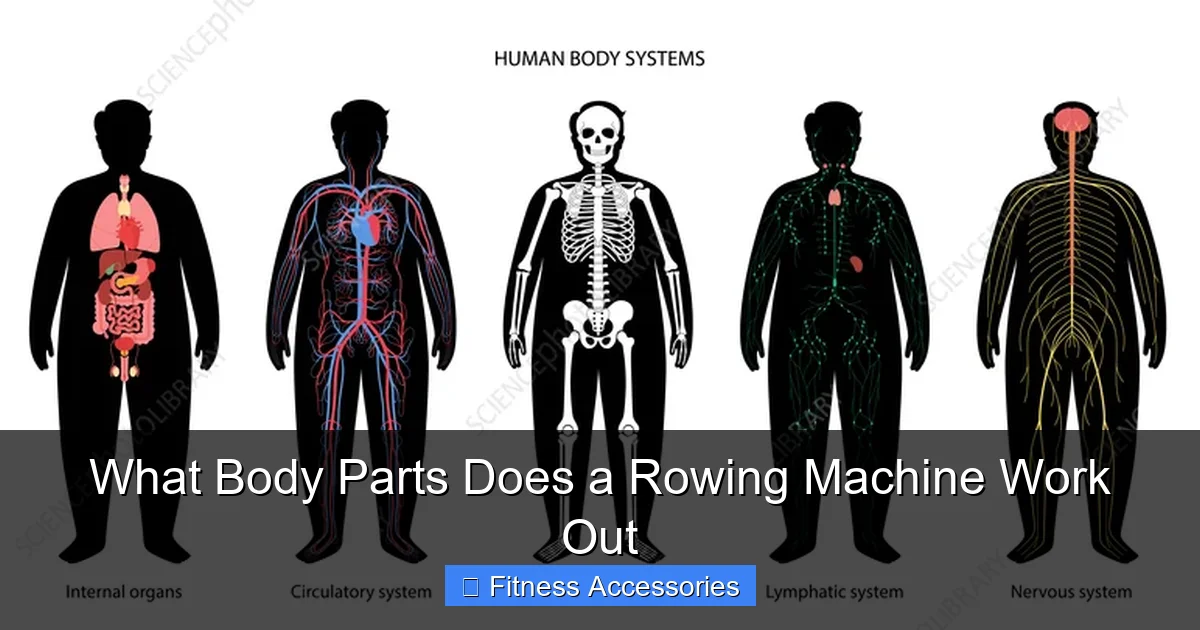
Your legs do the lion’s share of the work—about 60% of the power comes from your lower body. As you drive off the footplate, your quadriceps (front thigh muscles) explode into action. They extend your knees and generate the initial burst of force.
Visual guide about What Body Parts Does a Rowing Machine Work Out
Image source: media.sciencephoto.com
Meanwhile, your hamstrings (back of the thighs) stabilize the movement and assist in hip extension. Think of them as your body’s natural shock absorbers and accelerators working in tandem.
Glutes and Calves
Don’t forget your glutes—they’re crucial for hip extension during the drive phase. Strong glutes mean more power, better posture, and reduced lower back strain. And your calves? They keep your feet planted and help control the slide, especially during the recovery phase.
Pro tip: Focus on pushing through your heels—not your toes—to maximize glute and hamstring engagement.
Core: Your Body’s Stabilizer
Transverse Abdominis and Rectus Abdominis
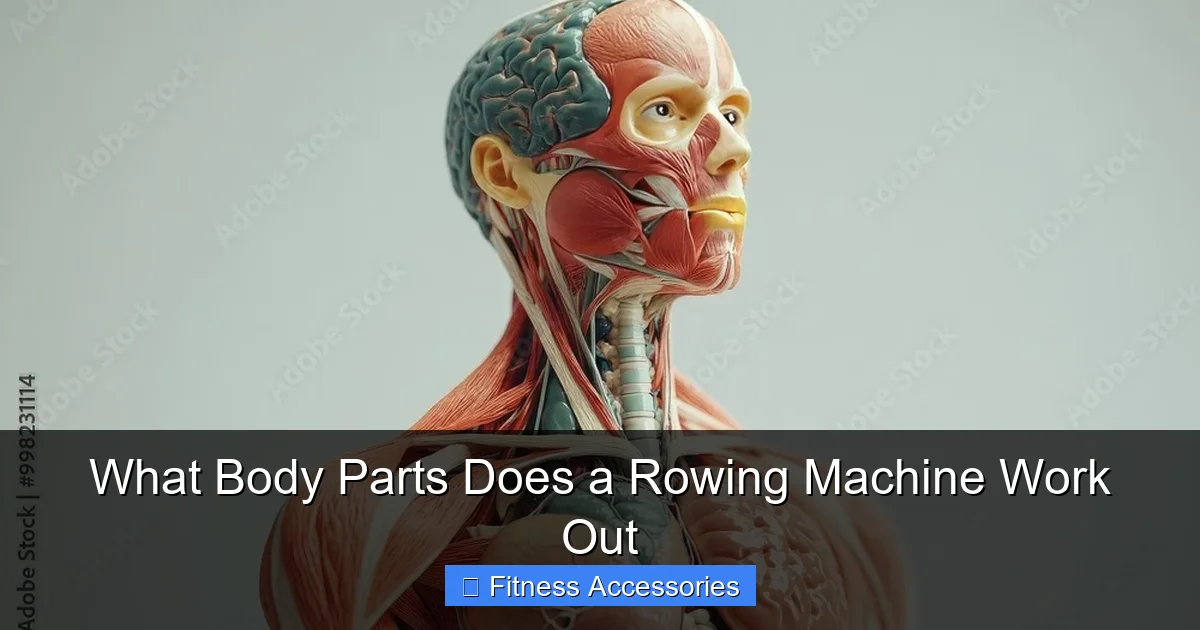
Your core isn’t just “involved”—it’s essential. The deep transverse abdominis acts like a natural weight belt, bracing your spine throughout the stroke. The rectus abdominis (your six-pack muscle) kicks in when you lean back slightly at the finish.
Visual guide about What Body Parts Does a Rowing Machine Work Out
Image source: as2.ftcdn.net
Without a strong core, your form collapses, power drops, and injury risk spikes. That’s why rowing is a secret weapon for building functional core strength—not just aesthetics.
Obliques and Erector Spinae
Your obliques (side abs) help control rotation and keep your torso aligned. The erector spinae (muscles along your spine) support your back as you hinge and extend. Together, they prevent wobbling and ensure smooth, powerful strokes.
Try this: During your next set, consciously squeeze your abs at the finish of each stroke. You’ll feel the difference immediately.
Back: The Power Pull
Latissimus Dorsi and Rhomboids
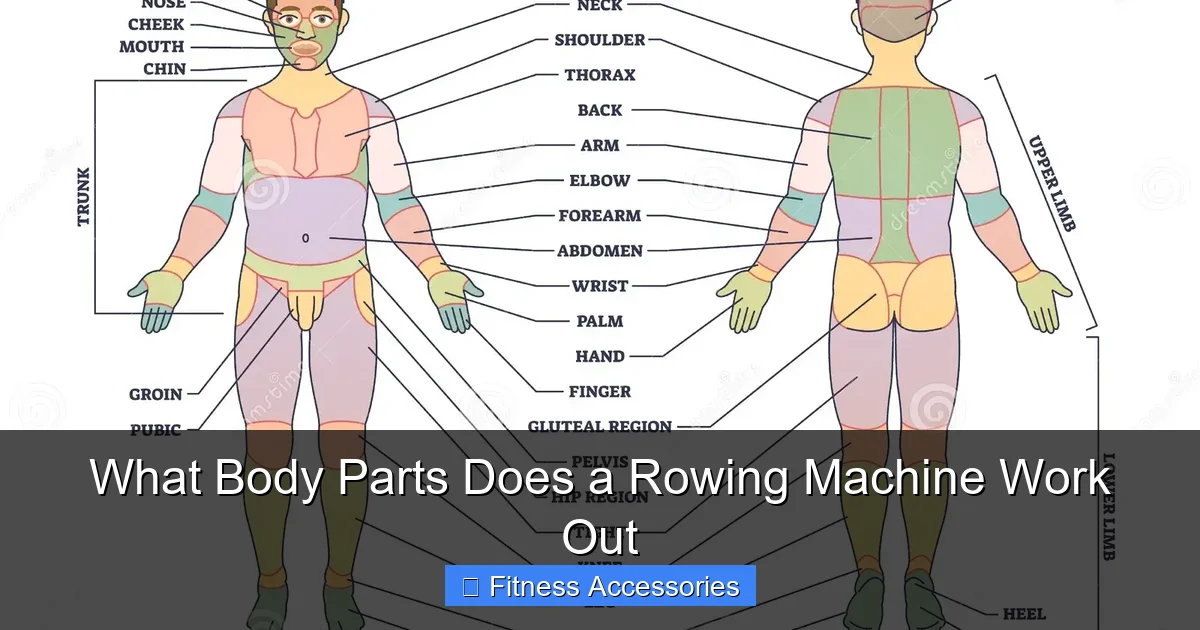
When you pull the handle toward your chest, your lats (the broadest muscles of your back) engage hard. They’re responsible for shoulder extension and adduction—key for that powerful finish.
Visual guide about What Body Parts Does a Rowing Machine Work Out
Image source: thumbs.dreamstime.com
Your rhomboids (between your shoulder blades) retract and stabilize your scapulae. This not only builds upper back strength but also improves posture—critical if you sit at a desk all day.
Traps and Posterior Deltoids
The trapezius (upper back/neck) assists in scapular movement, while the posterior deltoids (rear shoulders) help pull the handle through the final phase. Neglecting these muscles leads to rounded shoulders and weak pulls.
Form check: Keep your shoulders down and back—don’t hunch. Imagine squeezing a pencil between your shoulder blades at the finish.
Arms and Shoulders: Precision and Control
Biceps and Forearms
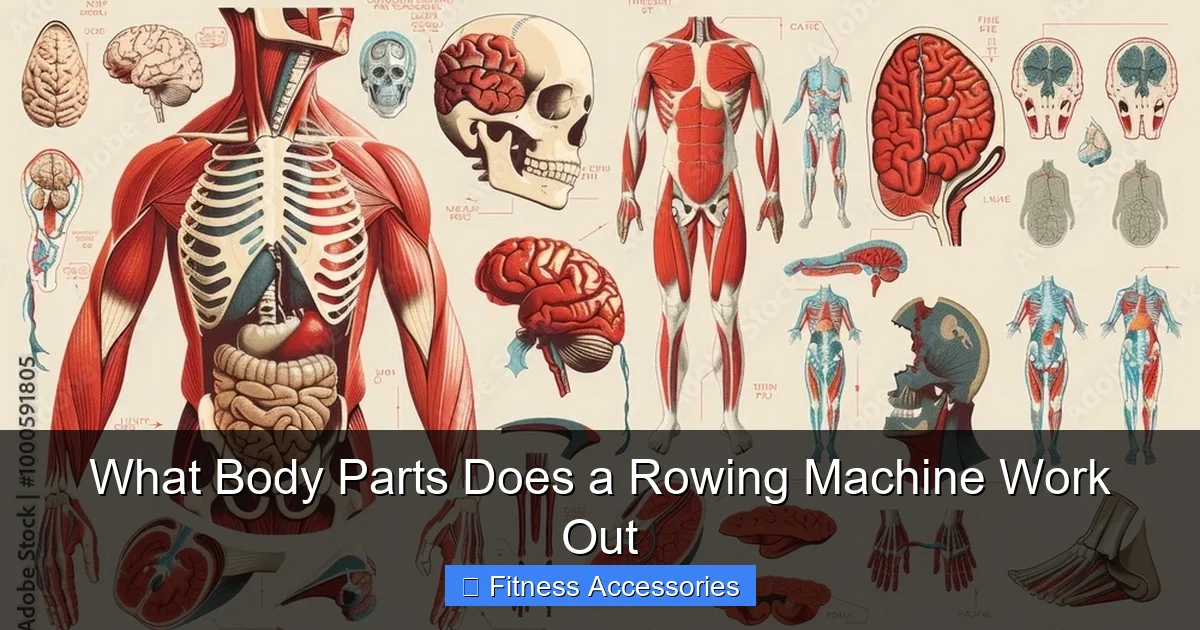
Your biceps curl the handle toward your body, especially during the last third of the pull. Your forearms grip the handle tightly, building endurance and grip strength—useful for everything from opening jars to deadlifts.
Visual guide about What Body Parts Does a Rowing Machine Work Out
Image source: as1.ftcdn.net
Anterior and Medial Deltoids
While the back does most of the pulling, your front and side deltoids stabilize your shoulders throughout the stroke. They’re not the stars, but they’re vital supporting actors.
Beginner mistake: Over-gripping the handle. Relax your hands slightly—let your back and legs do the heavy lifting.
Cardiovascular System: The Hidden Benefit
Heart and Lungs Get a Workout Too
Rowing isn’t just about muscles—it’s a cardiovascular powerhouse. Sustained rowing elevates your heart rate, improves lung capacity, and boosts VO2 max (your body’s ability to use oxygen).
Visual guide about What Body Parts Does a Rowing Machine Work Out
Image source: c8.alamy.com
Unlike steady-state cardio, rowing combines resistance and rhythm. That means you burn calories efficiently while building lean muscle—something running or cycling alone can’t match.
Calorie Burn and Endurance
A 155-pound person can burn around 260 calories in 30 minutes of moderate rowing. Push harder, and that number climbs fast. Plus, because it’s low-impact, you can row longer without joint pain—perfect for fat loss or endurance training.
Try interval training: Alternate 1 minute of hard rowing with 1 minute of easy rowing for 20 minutes. You’ll torch calories and build stamina fast.
Why Rowing Beats Other Cardio Machines
Full-Body vs. Isolation
Treadmills work your legs. Ellipticals add some arm motion. But only rowing machines engage legs, core, back, and arms in one fluid motion. That’s why it’s often called the “king of cardio.”
Low Impact, High Intensity
No pounding on pavement. No jarring jumps. Rowing is smooth and joint-friendly, making it ideal for people with knee issues, arthritis, or those recovering from injury.
Time Efficiency
Because it works so many muscles at once, you get more bang for your buck. A 20-minute rowing session can replace a 40-minute leg day plus 20 minutes of upper body work.
Real-world example: Busy professionals love rowing because it delivers a full workout in half the time.
How to Maximize Muscle Engagement
Focus on Form First
Speed without form is wasted effort. Start slow. Master the sequence: legs → core → arms on the drive; arms → core → legs on the recovery.
Use Resistance Wisely
Most rowing machines have adjustable resistance. Beginners should start low and increase gradually. Too much resistance strains your back; too little wastes potential.
Track Your Metrics
Modern rowers show stroke rate, watts, and distance. Use these to monitor progress. Aim for consistent splits—not just speed.
Pro tip: Film yourself rowing occasionally. Compare your form to expert videos online.
Common Mistakes to Avoid
Overusing Arms Too Early
Many beginners yank with their arms before their legs push. This wastes energy and strains shoulders. Remember: legs first, then back, then arms.
Slouching or Rounding the Back
A weak core leads to a curved spine. Keep your chest up and shoulders back. Imagine a string pulling your head toward the ceiling.
Ignoring the Recovery Phase
The recovery isn’t rest—it’s preparation. Rush it, and your next stroke suffers. Control the slide back to the catch.
Quick fix: Count “1-2-3” during recovery: arms extend, body leans forward, knees bend.
Who Should Use a Rowing Machine?
Beginners
Rowing is intuitive and scalable. Start with short sessions and build endurance. It’s forgiving on joints and easy to learn.
Athletes
CrossFitters, runners, and swimmers use rowing for cross-training. It builds power, endurance, and mental toughness.
Seniors and Rehab Patients
Low-impact and adjustable, rowing supports joint health and functional strength—ideal for aging bodies or post-injury recovery.
Real-life story: A 68-year-old user reported improved balance and reduced back pain after 3 months of daily 15-minute rows.
Conclusion: Row Your Way to a Stronger Body
So, what body parts does a rowing machine work out? The answer is clear: your entire body. From quads to lats, glutes to abs, rowing delivers a comprehensive, efficient, and joint-friendly workout.
It’s not just about burning calories—it’s about building functional strength, improving posture, and boosting heart health. Whether you’re short on time, recovering from injury, or just want a smarter way to train, rowing checks every box.
Next time you pass that quiet machine in the corner, give it a try. Your muscles—and your heart—will thank you.
Frequently Asked Questions
Does a rowing machine build muscle?
Yes! Rowing builds lean muscle in your legs, back, core, and arms through resistance-based, full-body movements. Consistent training leads to visible toning and strength gains.
Is rowing good for weight loss?
Absolutely. Rowing burns significant calories while preserving muscle mass—key for sustainable fat loss. Combine it with a balanced diet for best results.
How long should I row to see results?
Most people notice improved endurance and muscle tone within 4–6 weeks of rowing 3–4 times per week for 20–30 minutes.
Can rowing hurt my back?
Only if your form is poor. Keep your back straight, engage your core, and avoid hunching. Proper technique protects your spine and strengthens supporting muscles.
Is rowing better than running?
It depends on goals. Running is great for leg endurance, but rowing offers full-body engagement with less joint stress. Many prefer rowing for efficiency and low impact.
Do I need strong arms to row?
No. Arms assist, but legs and back do most of the work. Beginners often overuse arms—focus on driving with your legs first.