What Are the Benefits of a Rowing Machine Workout

Rowing machines deliver a low‑impact, full‑body workout that burns calories, builds strength, and improves heart health. Whether you’re new to fitness or a seasoned athlete, the versatile nature of rowing makes it a smart addition to any routine.
Key Takeaways
- Full‑body conditioning: Rowing engages legs, core, back, and arms in one smooth motion.
- Cardiovascular boost: Consistent rowing elevates heart rate, enhancing stamina and heart health.
- Low‑impact on joints: The sliding seat and fluid resistance protect knees and hips.
- Calorie‑burn efficiency: Rowing can torch 400‑800 calories per hour, aiding weight loss.
- Strength and endurance blend: You build muscular power while improving aerobic capacity.
- Customizable intensity: Resistance levels let beginners and elite athletes train together.
- Mental benefits: Rhythm and focus during rowing reduce stress and sharpen concentration.
📑 Table of Contents
- Introduction: Why Rowing Deserves a Spot in Your Fitness Plan
- 1. Full‑Body Muscle Activation
- 2. Cardiovascular Health and Endurance
- 3. Joint‑Friendly Nature
- 4. Strength Building and Muscular Endurance
- 5. Mental and Emotional Benefits
- 6. Versatility for All Fitness Levels
- Conclusion: Rowing Isn’t Just a Workout, It’s a Lifestyle Upgrade
Introduction: Why Rowing Deserves a Spot in Your Fitness Plan
Imagine a single piece of equipment that can give you a cardio session, a strength circuit, and a joint‑friendly workout all at once. That’s the promise of the rowing machine. Unlike a treadmill that mainly targets the lower body, or a bike that isolates the legs, a rower calls upon every major muscle group. The result? A time‑efficient, total‑body workout that feels like a sport rather than a chore.
In the next few pages we’ll explore the many benefits of a rowing machine workout, back them up with science, and give you practical tips to get the most out of each session. By the end, you’ll know exactly why rowing is a top‑ranked activity for weight loss, heart health, strength, and even mental well‑being.
1. Full‑Body Muscle Activation
How Rowing Works Muscularly
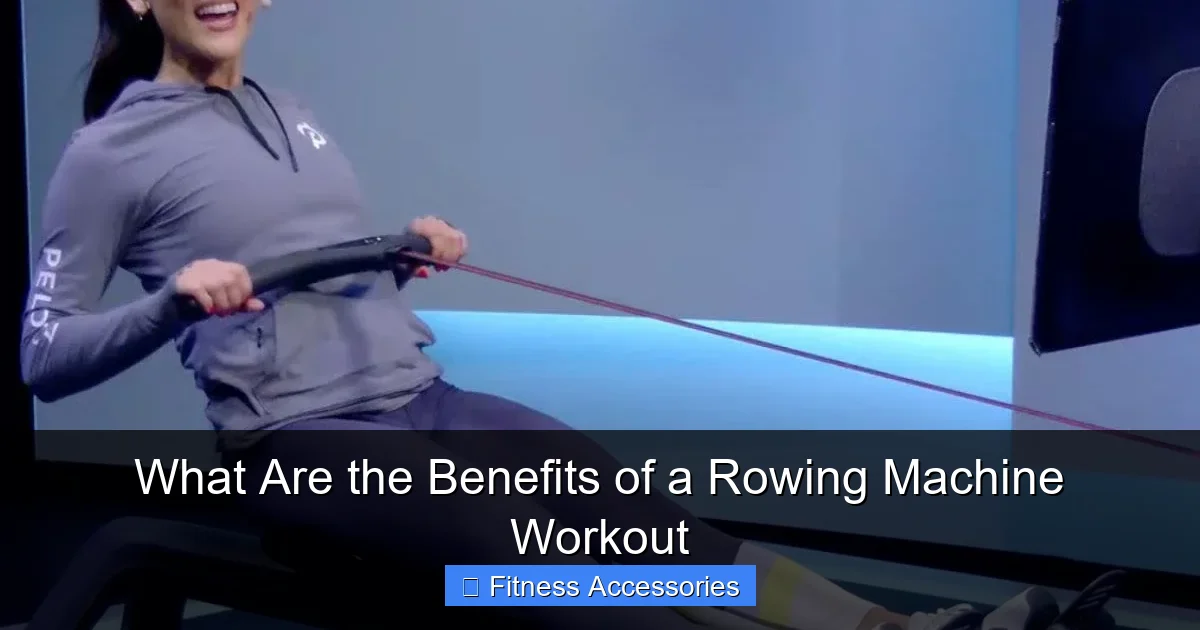
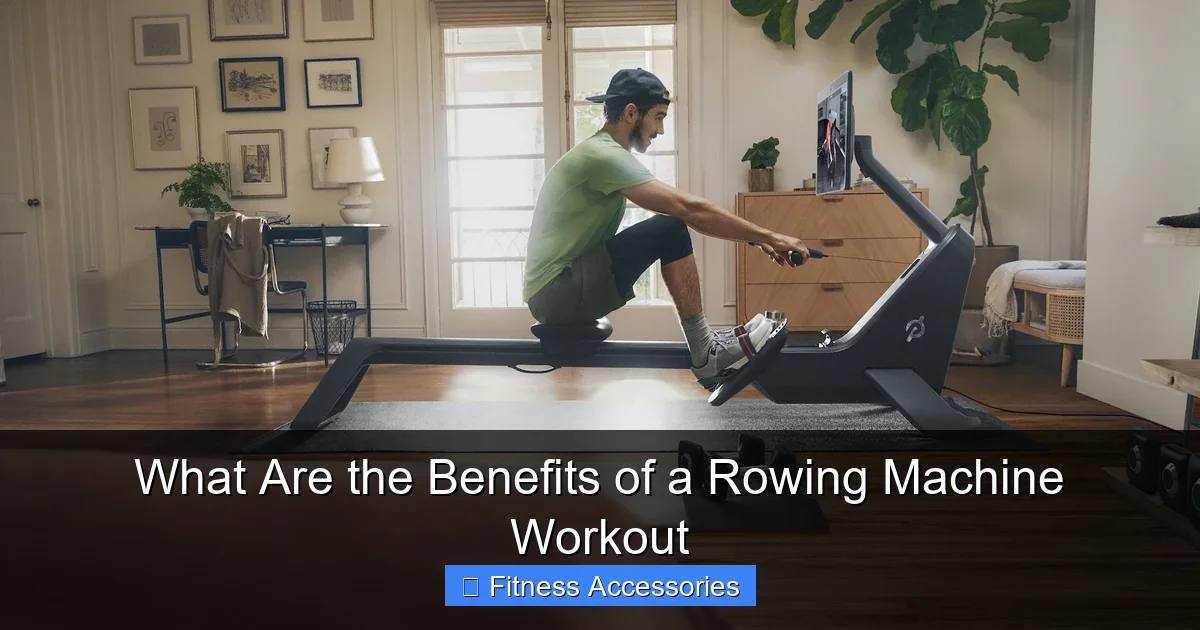
Every stroke on a rowing machine follows a repeatable sequence: catch, drive, finish, and recovery. Each phase activates a different set of muscles:
Visual guide about What Are the Benefits of a Rowing Machine Workout
Image source: res.cloudinary.com
- Catch: Hamstrings, calves, and core stabilize the body.
- Drive: Quads, glutes, and back extensors generate power.
- Finish: Biceps, forearms, and shoulder blades pull the handle.
- Recovery: Core and hip flexors control the return.
This pattern means you’re not just “running in place” or “pumping a bike pedal.” You’re simultaneously training the front and back of your body, which leads to balanced muscle development and reduces the risk of postural issues.
Practical Tip: Focus on the “Leg‑Drive” First
When you’re learning the technique, think of the legs as the engine. Push hard with the heels, then let the back and arms follow. This habit maximizes power output and protects the lower back.
2. Cardiovascular Health and Endurance
Heart‑Friendly, Low‑Impact Cardio
Rowing keeps your heart rate in the aerobic zone (70‑85 % of max) without the pounding impact of running. Studies show that regular rowing improves VO₂ max—a key indicator of cardiovascular fitness—by up to 20 % after 8 weeks of consistent training.

Visual guide about What Are the Benefits of a Rowing Machine Workout
Image source: rowing-machine-review.com
Calorie Burn Compared to Other Cardio
Because you’re using both large muscle groups (legs) and smaller ones (arms), you burn more calories per minute than you would on a stationary bike or elliptical at the same perceived effort. Rough estimates:
- Moderate rowing (12‑14 spm): 400‑500 calories per hour.
- Vigorous rowing (18‑20 spm): 600‑800 calories per hour.
These numbers make rowing an excellent choice for weight management.
Practical Tip: Interval Training for Maximum Cardio Gains
Try a 4‑minute interval: 1 minute hard (80‑90 % max HR) followed by 1 minute easy. Repeat four times. This format boosts heart health faster than steady‑state rowing.
3. Joint‑Friendly Nature
Why Rowing Is Easy on Knees, Hips, and Ankles
Unlike high‑impact activities, the rowing motion is smooth and gliding. The seat slides on rollers or a magnetic flywheel, and the footrests keep the feet stable. This design minimizes shock absorption forces that can aggravate joint pain.
Visual guide about What Are the Benefits of a Rowing Machine Workout
Image source: res.cloudinary.com
Case Study: Seniors and Rehabilitation
Physical therapists often prescribe rowing for older adults recovering from knee surgery. A 12‑week program showed a 15 % increase in lower‑body strength and a 20 % improvement in balance, with no reported joint flare‑ups.
Practical Tip: Adjust the Damper or Resistance
If you feel any strain, lower the resistance setting. A smoother stroke at a lighter load is safer than forcing a heavy pull that stresses the joints.
4. Strength Building and Muscular Endurance
From Light Resistance to Heavy Pulls
Rowing machines come with two main resistance types: air (fan‑based) and magnetic. Both can be set from “easy stroll” to “Olympic‑level pull.” By progressively increasing resistance, you challenge the muscles to grow stronger.
Muscle Groups Gained
- Legs: Quadriceps, hamstrings, glutes.
- Back: Latissimus dorsi, rhomboids, trapezius.
- Core: Rectus abdominis, obliques, erector spinae.
- Arms: Biceps, forearms, shoulder stabilizers.
Practical Tip: Combine Strength and Power
After a warm‑up, perform 3 sets of 8‑10 powerful strokes at a high resistance. Rest 90 seconds between sets. This protocol mimics weight‑lifting rep schemes and builds pure strength.
5. Mental and Emotional Benefits
The Meditative Rhythm of Rowing
The repetitive pull‑release pattern creates a natural cadence. Many users report a “flow state” similar to running or swimming, where thoughts quiet down and focus sharpens.
Stress Reduction and Mood Boost
Exercise triggers endorphin release. Rowers often feel a “post‑row high” that reduces anxiety and improves sleep quality. A 2022 survey of 1,200 regular rowers found a 30 % decrease in self‑reported stress after 6 weeks of thrice‑weekly sessions.
Practical Tip: Pair Rowing with Music or Podcasts
Set a playlist with a steady beat (120‑130 bpm) to match your stroke rate. The rhythm helps maintain consistent power and makes the session more enjoyable.
6. Versatility for All Fitness Levels
Beginner to Elite: One Machine, Many Paths
Beginners can start with low resistance and short 10‑minute sessions, focusing on technique. Advanced athletes can push 30‑minute high‑intensity intervals, or even train for rowing competitions.
Home vs. Gym: Space and Cost Considerations
Compact rowers (foldable, 30‑40 lb) fit in a bedroom, while commercial models (water‑filled or air‑resistance) occupy a dedicated space. Prices range from $200 for basic models to $2,500 for premium units. The investment pays off through a single piece of equipment that replaces a treadmill, bike, and weight bench.
Practical Tip: Track Progress with a Log
Record distance, time, and stroke rate after each session. Seeing numbers improve fuels motivation and helps you set realistic goals.
Conclusion: Rowing Isn’t Just a Workout, It’s a Lifestyle Upgrade
The benefits of a rowing machine workout extend far beyond the calories burned. From full‑body muscle activation and heart‑healthy cardio to joint protection, strength gains, and mental clarity, rowing offers a balanced, efficient, and enjoyable way to stay fit. Its adaptability means anyone—whether you’re a couch‑potato, a busy parent, or a seasoned athlete—can reap rewards.
Start with a few minutes a day, focus on proper form, and gradually increase intensity. In weeks you’ll notice stronger legs, a tighter core, better endurance, and a calmer mind. So, if you’re looking for a single piece of equipment that delivers a complete fitness solution, the rowing machine is a smart, long‑term investment in your health.
Frequently Asked Questions
What is the ideal workout length for beginners on a rowing machine?
Start with 10‑15 minutes at a comfortable resistance, focusing on technique. Gradually add 5 minutes each week until you reach 30 minutes.
Can rowing help me lose belly fat?
Yes. Rowing burns a high number of calories and engages core muscles, which together support overall fat loss, including the abdominal area, when combined with a balanced diet.
How often should I row to see cardiovascular improvements?
Three to four sessions per week, each lasting 20‑30 minutes, is enough to raise VO₂ max and improve heart health within 6‑8 weeks.
Is rowing safe for people with lower‑back problems?
When performed with proper form—driving with the legs first and keeping the back neutral—rowing is low‑impact and can actually strengthen the back muscles, reducing pain over time.
Do I need a special rowing machine for high‑intensity interval training?
No. Most modern rowers allow you to adjust resistance quickly. Choose a model with a reliable performance monitor, and you can program intervals using a timer or built‑in workout modes.
Can I combine rowing with other strength training exercises?
Absolutely. Many athletes use rowing as a warm‑up or finisher on strength days. Pair it with weightlifting, bodyweight circuits, or yoga for a well‑rounded fitness routine.