Is Walking on a Treadmill Good for Weight Loss
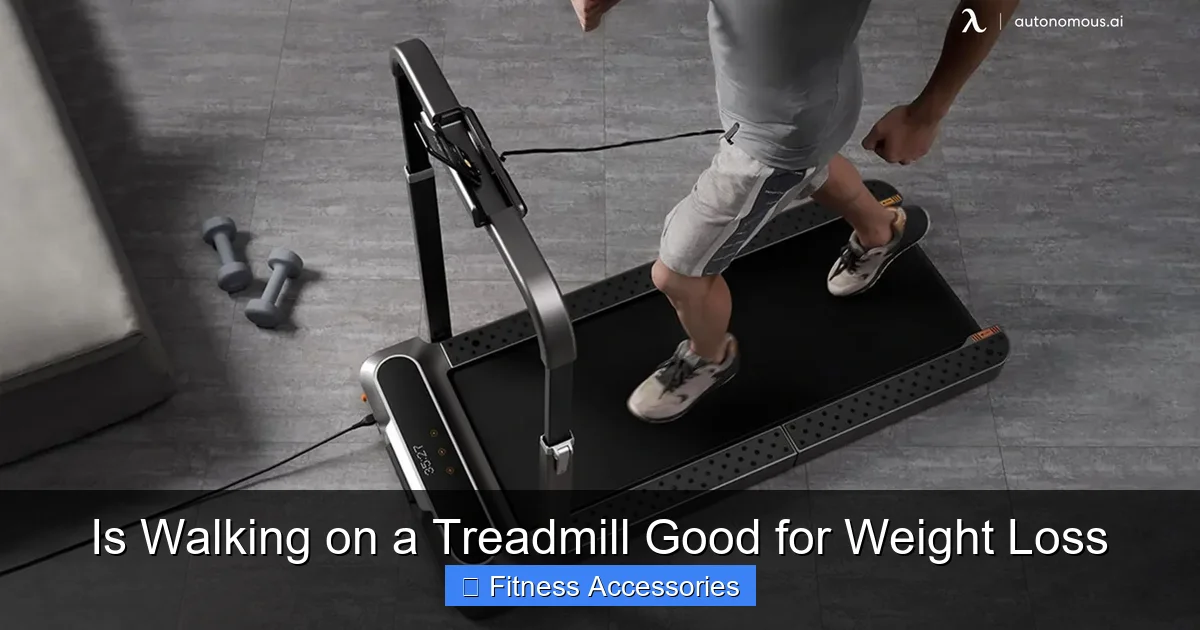
Yes, walking on a treadmill is an excellent, sustainable method for weight loss. It creates a reliable calorie deficit, is low-impact to protect joints, and allows for precise control over speed and incline to optimize fat burning. Consistency, combined with a slight dietary adjustment, is the true key to success. It’s an accessible, effective tool for building lifelong healthy habits.
Key Takeaways
- Calorie Deficit is King: Treadmill walking aids weight loss primarily by helping you burn calories, contributing to the essential calorie deficit needed to lose fat.
- Low-Impact & Sustainable: It’s gentle on knees, hips, and ankles compared to running, making it a workout you can stick with long-term without injury.
- Consistency Trumps Intensity: Regular, moderate-paced walks (e.g., 30-60 minutes most days) are more effective for weight loss than occasional, grueling sessions.
- Incline is Your Secret Weapon: Adding incline dramatically increases calorie burn, engages more muscle groups (glutes, hamstrings, calves), and boosts post-workout metabolism.
- It’s a Gateway Habit: A daily treadmill walk builds discipline, improves daily energy, and often leads to healthier food choices and other positive lifestyle changes.
- Nutrition is Non-Negotiable: You cannot out-walk a poor diet. Treadmill walking works best when paired with mindful eating and adequate protein intake.
- Track Progress Beyond the Scale: Monitor waist circumference, how clothes fit, and fitness improvements (longer walks, higher incline) as muscle gain can mask scale weight loss.
📑 Table of Contents
- Understanding the Core Principle: It’s All About the Deficit
- Treadmill Walking vs. Outdoor Walking: A Practical Breakdown
- Designing Your Fat-Burning Treadmill Walking Plan
- Maximizing Results: The “How” Beyond Just Walking
- Addressing Common Concerns and Misconceptions
- The Final Verdict: Making Treadmill Walking Work For You
Understanding the Core Principle: It’s All About the Deficit
Let’s start with the fundamental, non-negotiable law of weight loss: you must consume fewer calories than you burn. This is called a “calorie deficit.” No exercise, no pill, no magic potion changes this basic physics. So, when we ask “Is walking on a treadmill good for weight loss?” we’re really asking: “Does treadmill walking effectively help me create and sustain that calorie deficit?” The answer is a resounding yes, and here’s precisely why.
Walking, whether on a trail or a treadmill, burns calories. The number depends on your weight, speed, and incline. A 155-pound person burns roughly ~150 calories walking at a moderate 3.5 mph pace for 30 minutes on a flat surface. That’s a meaningful contribution. Now, imagine adding a 5% incline to that same 30-minute walk. Calorie burn can jump by 30-50%! The treadmill’s beauty lies in its control. You can precisely manipulate these variables (speed, incline, time) to fit your current fitness level and progressively challenge your body, ensuring you’re always burning an optimal number of calories for your goals.
But the treadmill’s advantage isn’t just in the acute calorie burn during the activity. It’s in its role as a consistent, reliable habit-forming tool. It’s raining outside? The treadmill is dry. It’s dark and unsafe for a neighborhood walk? The treadmill is lit and secure. You need to watch your toddler? The treadmill is in your basement. This accessibility removes countless barriers that derail outdoor exercise routines. This consistency—showing up day after day—is what ultimately drives sustained weight loss.
The Science of Calories and NEAT
Your total daily calorie burn comes from three main sources: 1) Basal Metabolic Rate (BMR)—calories you burn just existing, 2) Thermic Effect of Food (TEF)—calories used to digest food, and 3) Activity Thermogenesis. Activity Thermogenesis splits into exercise (like our treadmill walk) and Non-Exercise Activity Thermogenesis (NEAT). NEAT is all the little movements: fidgeting, taking the stairs, gardening. Regular treadmill walking can actually boost your NEAT! When you establish a routine of daily movement, you prime your body to be more active overall. You might find yourself naturally taking the stairs more or being less sedentary during the day. This “active mindset” amplifies your total daily calorie burn far beyond the 30 minutes on the belt.
Treadmill Walking vs. Outdoor Walking: A Practical Breakdown
Is there a difference? Absolutely. But for weight loss, the differences often favor the treadmill when used strategically. Let’s compare.

Visual guide about Is Walking on a Treadmill Good for Weight Loss
Image source: eatthis.com
Control & Precision: This is the treadmill’s biggest win. Outdoors, terrain dictates your pace. A hill forces you to slow or speed up. Wind resistance varies. On a treadmill, you set the exact speed (mph or km/h) and incline (%). Want to hold a steady 4.0 mph at a 4% grade for 20 minutes? You can do that perfectly every single session. This allows for progressive overload—the principle of gradually increasing stress on your body to force adaptation (in this case, more calories burned). You can add 0.1 mph or 0.5% incline each week, ensuring you don’t plateau.
Impact on Joints: The treadmill belt has some give, absorbing more shock than concrete or asphalt. For individuals with arthritis, past injuries, or who are carrying excess weight, this reduced impact is crucial. It allows for longer, more frequent sessions without the joint pain that might sideline an outdoor walker. This directly translates to better adherence and more total weekly calorie burn.
Environmental Factors: Indoors, you control the climate. No heatstroke in summer, no windchill in winter. You can watch TV, listen to podcasts, or read (if you’re skilled!), making the time pass enjoyably. This mental ease is a powerful factor for sticking to a routine. However, outdoor walking offers variable terrain, which engages stabilizing muscles differently and can be mentally refreshing. A hybrid approach—treadmill for structured, interval/incline work, outdoor for leisurely weekend walks—is a fantastic strategy.
Practical Example: Sarah, 45, wants to lose 30 pounds. She starts with 20-minute outdoor walks but finds her knees ache on the hilly streets near her house. She switches to a treadmill. She starts at 3.2 mph, 1% incline. After two weeks, it feels easy. She adds 5 minutes. Then she increases incline to 2%. In a month, she’s walking 35 minutes at 3.5 mph, 2% incline, burning more calories with zero joint pain. She’s consistent. She loses 4 pounds in the first month, mostly from diet, but the walking creates the deficit and builds her habit.
Designing Your Fat-Burning Treadmill Walking Plan
Showing up is step one. Showing up with a plan is step two. A meandering, slow stroll has benefits (mental health, mobility), but for targeted weight loss, we need to maximize calorie burn and metabolic impact. Here’s how to build your plan.
Visual guide about Is Walking on a Treadmill Good for Weight Loss
Image source: eatingbirdfood.com
The Foundation: Steady-State Endurance Walks
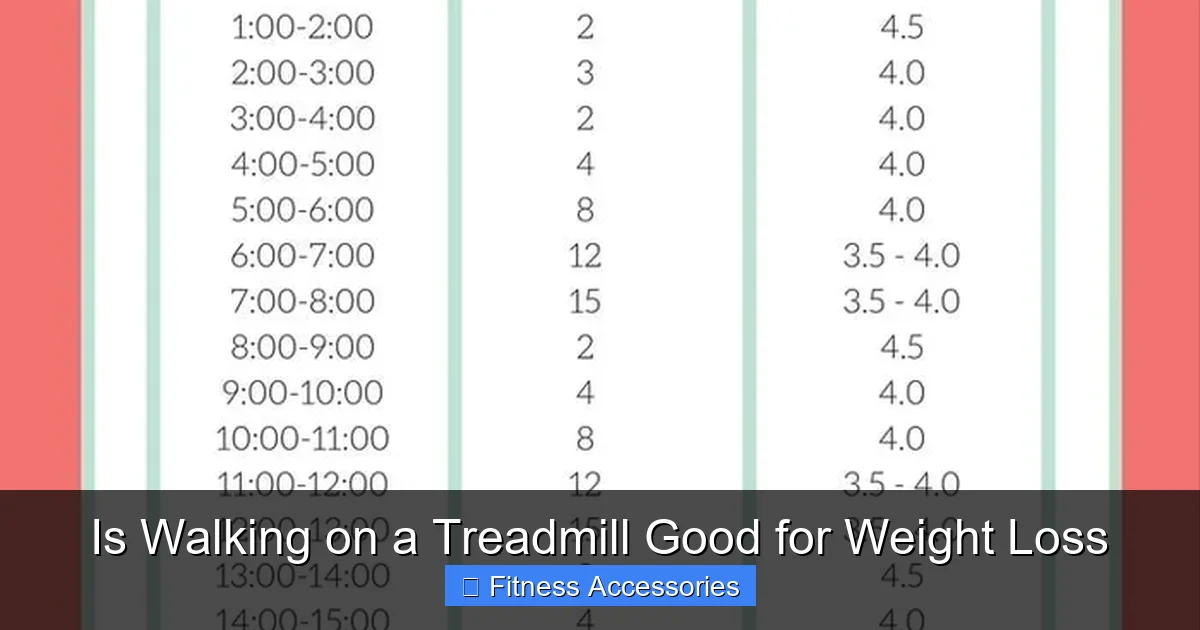
These are your bread and butter. Aim for 3-4 sessions per week. The goal is to walk at a pace where you can talk in short sentences but not sing (the “talk test”). This is typically a moderate intensity (60-70% of your max heart rate). For most, this is a brisk 3.5-4.5 mph pace. Duration is key here. Start with 20-30 minutes and build to 45-60 minutes as your fitness improves. The longer you stay in this aerobic zone, the more fat your body uses as fuel. Example: Monday: 40 minutes at 3.8 mph, 1% incline. Wednesday: 45 minutes at 4.0 mph, 1% incline. Friday: 50 minutes at 4.0 mph, 1.5% incline.
The Accelerator: High-Intensity Interval Training (HIIT) Walks
HIIT is a game-changer for treadmill weight loss. It involves short bursts of high effort followed by recovery periods. The magic happens in two ways: 1) You burn a lot of calories in a short time, and 2) You create an “afterburn effect” (Excess Post-exercise Oxygen Consumption or EPOC), where your metabolism stays elevated for hours after, burning extra calories. For walking, this means intervals of very fast walking or light jogging. Example HIIT Treadmill Workout (Total 25 minutes):
- 5 min warm-up walk at 3.0 mph, 0% incline
- Repeat 6 times:
– 1 minute at a fast walk/jog (your “hard” pace, e.g., 4.5-5.5 mph) - 1.5 minutes at a slow recovery walk (3.0 mph)
Do 1-2 of these sessions per week, on non-consecutive days. They are intense but efficient.
The Incline Protocol: Maximizing Muscle & Burn
Never underestimate the power of walking uphill. Incline walking turns a simple cardio session into a strength and endurance builder for your lower body. A 5% incline feels like walking up a gentle hill. At a 10% incline, you’re mountaineering! Start with a 1-2% incline for your steady-state walks. Once comfortable, dedicate one session per week to an “Incline Pyramid”. Example: 5 min warm-up. Then: 5 min at 3% incline, 3.5 mph; 4 min at 4% incline, same speed; 3 min at 5% incline; 2 min at 6% incline; 1 min at 7% incline. Then reverse the pyramid back down. This taxes your glutes and hamstrings massively, building lean muscle which, in turn, raises your resting metabolism.
Maximizing Results: The “How” Beyond Just Walking
You can have the perfect treadmill plan, but if you’re not optimizing other factors, your weight loss will be slower. Let’s cover the critical support systems.

Visual guide about Is Walking on a Treadmill Good for Weight Loss
Image source: cdn.betterme.world
Heart Rate Zones: Your Real-Time Guide
Don’t guess about intensity. Use a heart rate monitor (many treadmills have grips, or use a chest strap/watch). Calculate your estimated max heart rate (220 – your age). For weight loss and building aerobic capacity, the sweet spot is 60-80% of your max heart rate. Zone 2 (60-70%) is the fat-burning aerobic zone for longer walks. Zone 3 (70-80%) is the aerobic/anaerobic threshold—challenging, great for HIIT intervals. Training in these zones ensures you’re working at an effective intensity. If you’re in Zone 1 (<60%), you’re not challenging yourself enough for optimal weight loss results.
Fueling Your Walks: Nutrition Timing
What you eat before, during, and after your walk matters. For a 30-45 minute walk, you likely don’t need a special pre-workout snack unless it’s first thing in the morning after an overnight fast. A small banana or a handful of almonds 30-60 minutes prior can provide steady energy. The most important meal is the one after your walk. Within 45-60 minutes, consume a meal or snack with protein and carbohydrates. This replenishes glycogen stores and provides amino acids to repair the micro-tears in your muscles from the walk, aiding recovery and muscle growth. Example: Greek yogurt with berries, or a chicken breast with sweet potato. This recovery is vital for maintaining the lean muscle that keeps your metabolism high.
Mindful Walking: The Mental Edge
Don’t zone out completely. Use your walk as a time for mindful movement. Check in with your posture: are you slouching? Engage your core, roll your shoulders back, look ahead. This prevents injury and engages more muscles. Use the time for mental planning—plan your healthy meals for the day, listen to an educational podcast, or practice gratitude. This turns the treadmill from a chore into a valuable self-care ritual, strengthening your commitment to your overall health goals, which includes weight loss.
Addressing Common Concerns and Misconceptions
Let’s clear the air on some frequent questions and worries that stop people from starting or sticking with a treadmill walking routine.
“Will I hit a weight loss plateau?”
Almost certainly. Your body is an adaptive machine. After 4-8 weeks of the same routine, it becomes efficient and burns fewer calories for the same work. This is why progressive overload is mandatory. Every 2-4 weeks, change one thing: add 5 minutes to your steady-state walk, increase the incline by 0.5-1%, add an extra HIIT day, or increase your speed by 0.1-0.2 mph. This constant, gentle challenge keeps your metabolism guessing and burning.
“Is treadmill walking enough, or do I need to run?”
For pure weight loss, walking is absolutely enough if done consistently and with sufficient volume/intensity. Running burns more calories *per minute*, but walking has a much lower injury risk and is sustainable for far more people for longer durations. A 60-minute walk at a good pace/incline will often burn more total calories than a 20-minute run for a beginner. Sustainability is the ultimate multiplier. Choose the activity you will do consistently for years, not weeks.
“What about muscle loss?”
This is a valid concern during weight loss. While walking isn’t a primary muscle-building exercise like weightlifting, the incline walking we recommend is a powerful lower-body endurance and toning exercise. It will preserve lean muscle mass much better than dieting alone. To fully prevent muscle loss, ensure your diet is high in protein (aim for 0.7-1 gram per pound of target body weight) and consider adding 2 days of full-body strength training (even bodyweight squats, lunges, push-ups) to your weekly routine. This combination—cardio for calorie burn, strength for muscle preservation, protein for repair—is the gold standard for healthy, sustainable fat loss.
The Final Verdict: Making Treadmill Walking Work For You
So, is walking on a treadmill good for weight loss? The evidence is clear. It is a highly effective, accessible, low-stress tool that, when used with strategy and consistency, creates the calorie deficit necessary for fat loss. Its power lies not in being a thrilling, high-intensity spectacle, but in being a reliable, daily habit.
The treadmill removes excuses. It gives you control. It allows you to start at your exact level and grow from there. The key is to move beyond the “walk to nowhere” mentality. Treat each walk as a purposeful workout. Use the incline. Track your time, distance, and heart rate. Push for small weekly improvements. Combine this consistent movement with a diet focused on whole foods and adequate protein.
Remember, weight loss is a marathon, not a sprint. The treadmill is the perfect training partner for that marathon. It’s there at 5 AM or 10 PM. It doesn’t judge your pace. It simply measures your effort and returns it to you in the form of calories burned, fitness gained, and momentum built. Lace up, step on, and start walking your way to a healthier weight. The first, most important step is literally onto that belt. Make it a non-negotiable appointment with yourself, and the results will follow.
Frequently Asked Questions
How long should I walk on a treadmill each day to lose weight?
Aim for 30-60 minutes most days of the week. For significant weight loss, consistency is more important than a single long session. Start with 20-30 minutes daily and gradually increase duration or intensity as your fitness improves. Even shorter, 10-minute walks accumulated throughout the day can contribute to your daily calorie deficit.
Is walking on an incline better for weight loss than walking on a flat surface?
Yes, significantly. Walking on an incline increases calorie burn by 30-50% or more compared to a flat surface at the same speed. It engages more muscle groups (glutes, hamstrings, calves), builds lower-body strength, and boosts your metabolism post-workout. Incorporating 1-3% incline into your regular walks is one of the most effective treadmill strategies for weight loss.
Should I walk fast or slow on the treadmill to lose weight?
A combination is best. Most of your weekly walking should be at a “brisk” moderate pace (where you can talk in short phrases) to build endurance and burn fat. However, incorporating 1-2 sessions of High-Intensity Interval Training (HIIT)—alternating between very fast walking/jogging and recovery walking—maximizes calorie burn and triggers the powerful afterburn effect (EPOC).
How long will it take to see weight loss results from treadmill walking?
This depends entirely on your calorie deficit. If you combine daily 45-minute treadmill walks with a modest 300-500 calorie daily deficit from diet, you can expect to lose 1-2 pounds per week. Noticeable changes in how clothes fit and energy levels often appear within 2-4 weeks, while scale weight changes can be more variable due to water retention and muscle gain.
Is treadmill walking safe for beginners or people with joint problems?
Yes, it’s one of the safest forms of cardio. The treadmill’s cushioned surface is much lower-impact than concrete or asphalt, reducing stress on knees, hips, and ankles. Beginners should start with slow speeds (2.5-3.0 mph) and minimal incline, focusing on form and building duration. Always consult a doctor before starting any new exercise program if you have pre-existing conditions.
Can I lose belly fat specifically by walking on a treadmill?
You cannot “spot reduce” fat from any specific area. Weight loss occurs systemically, meaning you lose fat from all over your body in a pattern determined by genetics. However, by consistently creating a calorie deficit through treadmill walking and a healthy diet, you will reduce overall body fat, which includes belly fat. Incline walking is particularly effective for engaging and building the core-stabilizing muscles, which can help tone the abdominal area as fat decreases.