What Are the Benefits of Using a Rowing Machine
Senior Fitness & Outdoor Gear Writer at Gym Hike · NASM Certified Personal Trainer (CPT), Wilderness First Responder · 10+ years testing home gym equipment, strength training, and outdoor trail hiking
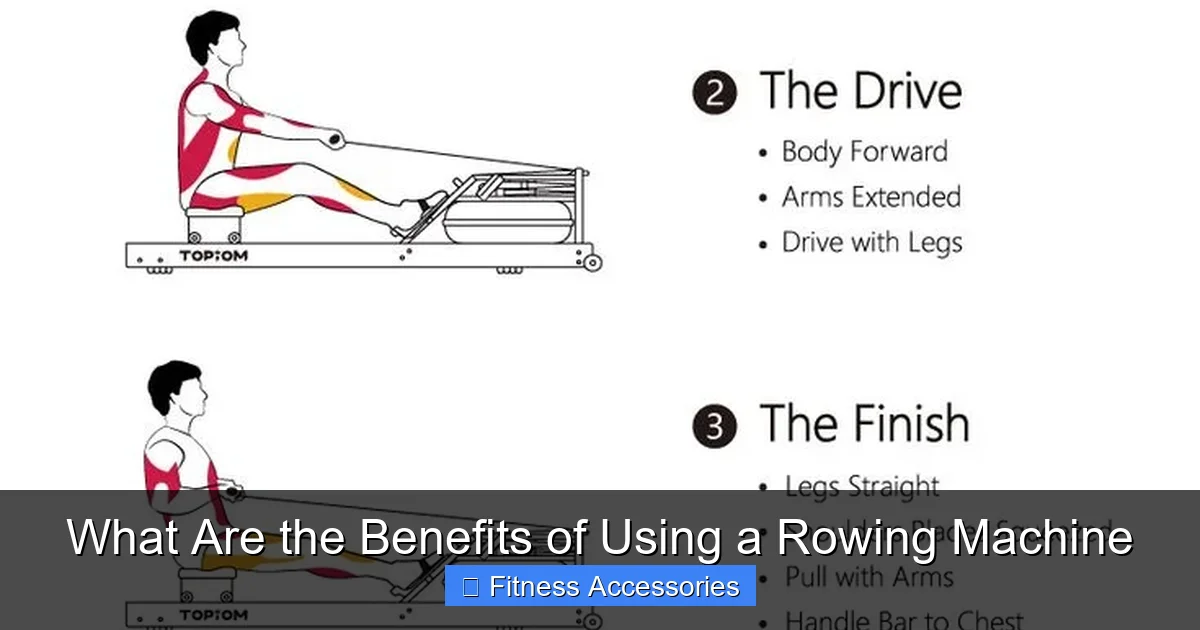
Rowing machines deliver a low‑impact, full‑body workout that burns calories, builds strength, and improves heart health. Whether you’re a beginner or an athlete, the versatile benefits of using a rowing machine make it a smart addition to any home gym or fitness routine.
Key Takeaways
- Full‑body conditioning: Engages legs, core, back, and arms in one smooth motion.
- Cardiovascular health: Boosts heart and lung capacity while staying gentle on joints.
- Calorie burning efficiency: Burns 400–800 calories per hour, aiding weight loss.
- Strength & endurance: Develops muscular power and stamina simultaneously.
- Low impact: Ideal for injury‑prone users because the glide reduces stress on knees and hips.
- Scalable intensity: Adjustable resistance lets beginners start easy and athletes push limits.
- Convenient home workout: Compact design saves space and eliminates gym commute.
📑 Table of Contents
- Introduction: Why Rowing Is More Than Just a Sport
- 1. Full‑Body Conditioning: Work More Muscles in Less Time
- 2. Cardiovascular Health: Heart‑Smart, Joint‑Friendly Cardio
- 3. Calorie Burning & Weight Management
- 4. Strength Building & Muscular Endurance
- 5. Mental Health & Stress Relief
- 6. Convenience and Accessibility at Home
- Conclusion: Rowing Toward a Healthier, Stronger You
Introduction: Why Rowing Is More Than Just a Sport
Imagine a workout that feels like a smooth glide across water, yet can be done on a sturdy piece of equipment in your living room. That’s the magic of a rowing machine. It mimics the natural motion of rowing a boat, combining the power of a leg press, the pull of a lat pulldown, and the core stability of a plank—all in one fluid movement.
Because the motion is low‑impact, you can train hard without pounding your knees or hips. Whether you’re chasing a marathon, toning muscles, or simply trying to stay active while the weather keeps you indoors, the benefits of using a rowing machine are hard to ignore. Let’s dive into the science and real‑world reasons why this piece of equipment deserves a spot in your fitness routine.
1. Full‑Body Conditioning: Work More Muscles in Less Time
How the Rowing Stroke Engages Every Major Muscle Group
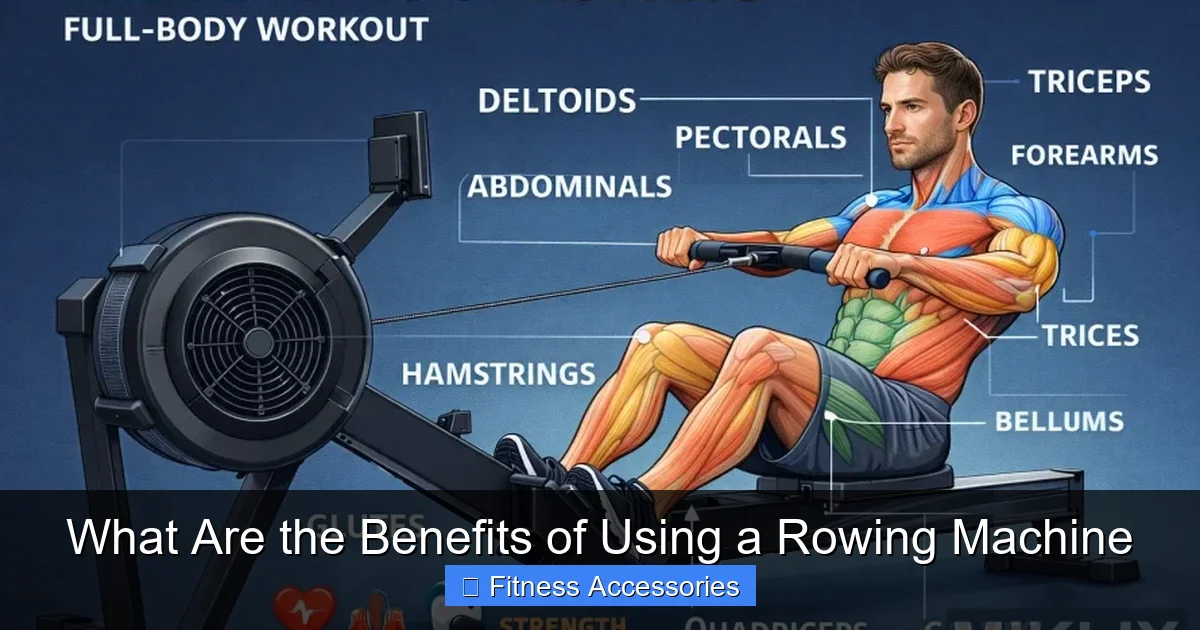
The rowing stroke is broken into two phases: the “catch” and the “drive.” During the catch, you bend at the hips, knees, and elbows, loading the muscles of the legs, glutes, and upper back. As you push off the foot‑plates (the drive), your quadriceps, hamstrings, and glutes fire powerfully. Then you pull the handle, activating the lats, biceps, and forearms. Finally, you reverse the motion, engaging the core to stabilize.
Visual guide about What Are the Benefits of Using a Rowing Machine
Image source: miklix.com
Because each part of the stroke recruits a different set of muscles, you end up training the entire body in a single session. This is especially valuable for people with limited workout time.
Practical Tip: Focus on Technique First
- Start with a light resistance and perfect the sequence: legs → core → arms → reverse.
- Use a mirror or record yourself to check posture; a straight back and engaged core prevent injury.
2. Cardiovascular Health: Heart‑Smart, Joint‑Friendly Cardio
Why Rowing Improves Heart and Lung Function
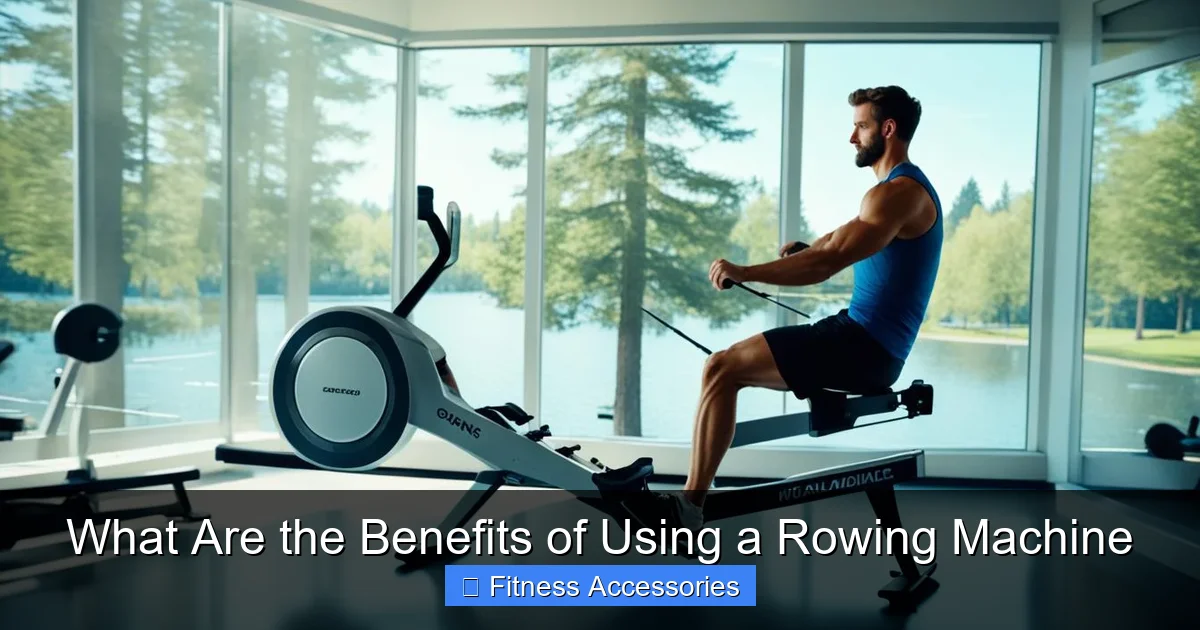
Rowing is an aerobic exercise that raises heart rate while maintaining a steady breathing pattern. Studies show that 30 minutes of moderate rowing can improve VO₂ max (the gold standard for cardio fitness) by up to 15 %. The steady rhythm also trains the respiratory muscles, making everyday activities feel easier.
Visual guide about What Are the Benefits of Using a Rowing Machine
Image source: therowingexpert.com
Low‑Impact Advantage
Unlike running, the rowing motion keeps your feet planted and your joints moving through a smooth glide. This reduces the impact forces that can cause shin splints, knee pain, or hip irritation. For seniors, rehab patients, or anyone with joint concerns, rowing offers a safe way to get a solid cardio session.
Practical Tip: Use Interval Training for a Bigger Boost
- Try 1‑minute sprint rows followed by 2‑minute easy rows. Repeat 8–10 times.
- Intervals raise heart rate quickly, improve endurance, and keep workouts interesting.
3. Calorie Burning & Weight Management
How Many Calories Can You Burn?
A 155‑lb person can burn roughly 500 calories in a 45‑minute moderate rowing session. The exact number depends on resistance level, stroke rate, and body weight, but the average range is 400–800 calories per hour. This makes rowing one of the most efficient calorie‑torching activities for its perceived effort.

Visual guide about What Are the Benefits of Using a Rowing Machine
Image source: fitandme.com
Why It Beats Some Other Cardio Options
Because rowing works both upper and lower body simultaneously, you expend more energy than you would with a treadmill walk or a stationary bike that isolates only the legs. The added muscle activation also triggers a higher after‑burn effect (EPOC), meaning you continue to burn calories after the workout ends.
Practical Tip: Track Your Progress
- Most modern rowers have built‑in monitors that display calories, distance, and stroke rate.
- Set weekly calorie‑burn goals and adjust resistance or duration to meet them.
4. Strength Building & Muscular Endurance
Developing Power Without Heavy Weights
The resistance on a rowing machine can be set to simulate anything from a gentle paddle to a heavy drag race. As you increase resistance, your muscles must generate more force, leading to strength gains in the legs, back, and arms. Over time, you’ll notice improved performance in other activities like hiking, lifting, or even swimming.
Core Stability: The Hidden Benefit
During the drive, the core acts as the bridge between the lower and upper body. Consistent rowing trains the transverse abdominis, obliques, and lower back, giving you a stronger, more stable torso. This translates to better posture and reduced lower‑back pain.
Practical Tip: Mix Power and Endurance Sets
- Do 5 sets of 500‑meter “power rows” at high resistance, focusing on strong leg drive.
- Follow with a 10‑minute steady‑state row at moderate resistance for endurance.
5. Mental Health & Stress Relief
The Meditative Rhythm of Rowing
The repetitive pull‑and‑release pattern can be surprisingly soothing. Many athletes describe a “flow state” where thoughts quiet and focus sharpens. This mental immersion helps lower cortisol levels, the hormone linked to stress.
Boosting Mood Through Endorphins
Like any vigorous exercise, rowing triggers the release of endorphins—natural mood‑lifting chemicals. A 30‑minute rowing session can leave you feeling energized and more positive for the rest of the day.
Practical Tip: Pair Rowing with Music or Podcasts
- Create a playlist with a steady beat (120–130 BPM) to match your stroke rate.
- Alternatively, listen to an engaging podcast to keep the mind occupied while you row.
6. Convenience and Accessibility at Home
Space‑Saving Designs
Modern rowing machines come in various forms—air, magnetic, hydraulic, and water‑resistance models. Many fold vertically or have a sliding design, allowing them to fit in closets, under beds, or in small apartments.
Cost‑Effectiveness Over Time
Gym memberships can cost $40–$70 per month. A quality rower, priced between $300 and $1,200, becomes a one‑time investment that pays for itself after a few months of regular use.
Practical Tip: Choose the Right Type for Your Needs
- Air resistance: Provides a realistic, progressive feel; great for high‑intensity work.
- Magnetic: Quiet, smooth, ideal for shared spaces.
- Water resistance: Mimics the sound and feel of rowing on water; excellent for those who love the authentic experience.
Conclusion: Rowing Toward a Healthier, Stronger You
The benefits of using a rowing machine go far beyond a simple cardio workout. From full‑body conditioning and joint‑friendly heart health to calorie burning, strength building, and mental well‑being, rowing offers a comprehensive fitness solution that fits into almost any lifestyle. Its compact footprint, scalable resistance, and low‑impact nature make it a smart choice for beginners, athletes, and anyone in between.
Start with short, technique‑focused sessions, track your progress, and gradually increase intensity. In just a few weeks, you’ll likely notice stronger muscles, better stamina, and a clearer mind. So, roll out that mat, hop onto the rower, and let the rhythm guide you toward your fitness goals.
Frequently Asked Questions
Is rowing suitable for beginners?
Yes. Rowing machines have adjustable resistance, and you can start with low intensity while focusing on proper form. Most models include beginner programs to guide you.
How many times a week should I use a rowing machine?
Aiming for 3–5 sessions per week, each lasting 20–45 minutes, provides a balanced mix of cardio and strength benefits without overtraining.
Will rowing help me lose belly fat?
Rowing burns a high number of calories and engages core muscles, which can reduce overall body fat, including the abdominal area, when combined with a healthy diet.
Do I need any special equipment besides the rower?
All you really need is comfortable clothing and supportive shoes. A mat can protect flooring, and a water bottle helps stay hydrated.
Can rowing improve my posture?
Yes. The rowing motion strengthens the back, shoulders, and core, all of which support an upright posture and reduce slouching.
Is rowing safe for people with knee problems?
Because the motion is low‑impact and the legs push against a smooth glide, rowing is often recommended for those with knee issues, provided they use proper technique and moderate resistance.

Similar Posts