T Bone Medium Rare Temp
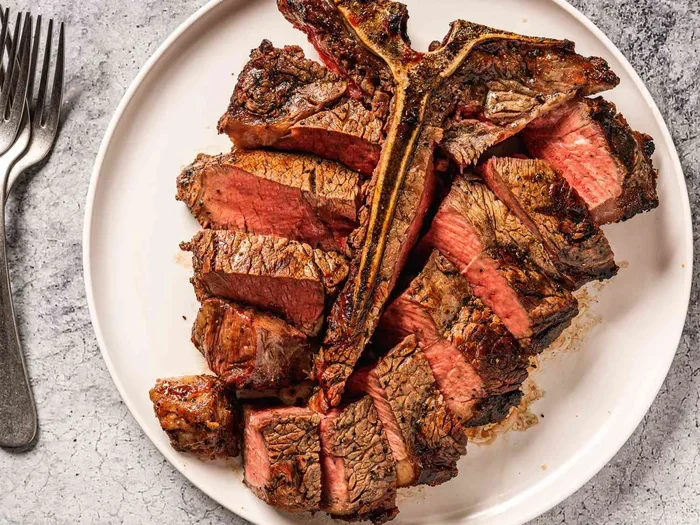
The ideal T bone medium rare temp is 130°F (54°C) at the center. This temperature delivers a tender, juicy steak with a warm pink center and a beautifully seared crust. Whether you grill, pan-sear, or broil, hitting the right T bone steak temperature is the key to restaurant-quality results at home.
Key Takeaways
- Target Temp: A T bone steak medium rare should reach 130°F internally before resting.
- Resting Matters: Always let your steak rest for 5-8 minutes after cooking to lock in juices.
- Use a Thermometer: A reliable meat thermometer is the only way to guarantee perfect doneness.
- Sear First: A hot sear creates flavor through the Maillard reaction without overcooking the inside.
- Thickness Matters: Thicker cuts need lower heat and more time to reach the right temp evenly.
- Avoid Common Mistakes: Pressing the steak, cutting too early, and skipping the rest are top errors.
📑 Table of Contents
- What Is the Perfect T Bone Medium Rare Temp?
- How to Cook T Bone Steak to Medium Rare
- Tools You Need for Perfect Steak Temperatures
- Common Mistakes That Ruin T Bone Steak
- Understanding Steak Doneness Levels
- Pro Tips for Restaurant-Quality T Bone Steak
- Pairing Your Perfectly Cooked T Bone
- Frequently Asked Questions
What Is the Perfect T Bone Medium Rare Temp?
There is nothing quite like a perfectly cooked T bone steak. The blend of tenderloin and strip loin gives you two textures in one cut. But getting that perfect T bone medium rare temp right can feel tricky.
The sweet spot for medium rare is 130°F (54°C) measured at the thickest part of the steak. At this temperature, the meat stays juicy with a warm pink center. The outside develops a beautiful crust without drying out the interior.
Many home cooks guess the temperature by touch or time. But those methods are unreliable. A digital instant-read thermometer takes all the guesswork out. You simply insert it into the thickest part, avoiding the bone, and wait for the reading.
The USDA recommends cooking beef to at least 145°F for safety. However, many steak lovers prefer the medium rare range of 130-135°F. At this temp, the steak is safe to eat when properly sourced and handled. The key is using fresh, quality beef from a trusted butcher.
Why 130°F Is the Gold Standard
At 130°F, the protein fibers in the steak are just starting to tighten. The fat has begun to render, adding richness and flavor. The myoglobin in the meat keeps its red color, giving you that classic pink center.
If you cook past 140°F, the steak moves into medium territory. The juices start to release, and the meat becomes firmer. By 150°F, you are firmly in well-done land. The steak loses much of its tenderness and flavor.
This is why the T bone steak temperature matters so much. A few degrees make a huge difference in texture and taste.
How to Cook T Bone Steak to Medium Rare
Cooking a T bone to medium rare is simpler than most people think. The method you choose depends on your equipment and preference. Here are the three most popular approaches.
Grilling Your T Bone
Grilling gives the steak smoky flavor and great char marks. Start by preheating your grill to high heat. You want those grates screaming hot, around 450-500°F.
Season your steak generously with salt and pepper at least 30 minutes before cooking. This draws out moisture, which dissolves the salt and creates a natural crust. Some people like to add garlic powder, smoked paprika, or a touch of brown sugar for extra flavor.
Place the steak on the hot grill for about 3-4 minutes per side. Flip only once. Use tongs, never a fork, to avoid losing juices. Check the internal temp with your thermometer after each flip.
Once the steak hits 125-130°F, pull it off the grill. It will continue to rise in temperature during resting. This is called carryover cooking, and it is essential to understand.
Pan-Searing for a Perfect Crust
Pan-searing works beautifully for T bone steaks that are at least 1.5 inches thick. Use a cast iron skillet or heavy stainless steel pan. These retain heat better than nonstick pans.
Heat your pan over high heat until it is almost smoking. Add a high-smoke-point oil like avocado oil or clarified butter. Place the steak in the pan and resist the urge to move it. Let it sear undisturbed for 3-4 minutes.
Flip the steak and add a tablespoon of butter, two crushed garlic cloves, and fresh thyme sprigs. Baste the steak with the melted butter for another 2-3 minutes. This adds incredible flavor and helps cook the edges evenly.
Pull the steak when it reaches 125-130°F internally. Let it rest on a warm plate for at least 5 minutes before slicing.
Broiling in the Oven
Broiling is a great option when you do not have access to a grill. Position your oven rack about 4-6 inches from the broiler element. Preheat the broiler on high for at least 10 minutes.
Place the seasoned steak on a broiler pan or wire rack set over a baking sheet. Broil for 4-5 minutes per side, checking the temp frequently. Because the heat source is so close, broiling can be unforgiving. Watch your steak carefully to avoid burning.
Remove the steak at 125-130°F and let it rest before serving.
Tools You Need for Perfect Steak Temperatures
You do not need a lot of equipment to cook a great T bone steak. But having the right tools makes a big difference in consistency.
- Instant-Read Thermometer: This is the single most important tool. A good thermometer takes readings in 2-3 seconds and is accurate to within 1°F. Look for models with a thin probe that slides easily into the meat.
- Cast Iron Skillet: Cast iron holds heat incredibly well and creates an even sear. It also transitions from stovetop to oven with ease.
- Tongs: Long-handled tongs let you flip the steak without piercing it. Every time you poke a steak with a fork, you lose valuable juices.
- Wire Rack: A wire rack allows air to circulate around the steak during resting. This prevents the bottom from getting soggy.
- Timer: While time is not as reliable as temperature, a timer helps you track cooking duration, especially when you are learning.
Skip the cheap bimetal thermometers. They are slow and often inaccurate. Investing in a good instant-read or leave-in probe thermometer pays off every time you cook steak.
Common Mistakes That Ruin T Bone Steak
Even experienced cooks make mistakes with steak. Here are the most common errors and how to avoid them.
Not Letting the Steak Come to Room Temperature
Taking your steak straight from the fridge to a hot grill or pan creates uneven cooking. The outside overcooks while the center stays cold. Pull your steak out 30-45 minutes before cooking. This lets it warm up evenly, which leads to a more consistent T bone steak temperature from edge to center.
Skipping the Rest Period
This is the most overlooked step in steak cooking. When you cut into a hot steak immediately, all those delicious juices run out onto the cutting board. The steak looks dry and tastes less flavorful.
Let your steak rest for at least 5-8 minutes after cooking. Tent it loosely with aluminum foil to keep it warm. During this time, the juices redistribute throughout the meat. When you finally cut in, every bite is moist and tender.
Pressing Down on the Steak
Never press a steak with a spatula while it cooks. You might think you are getting better grill marks or faster cooking. In reality, you are squeezing out all the flavorful juices. Let the steak cook untouched on each side.
Cooking from Frozen
While cooking a frozen steak can work in some recipes, it makes it very hard to hit the right T bone medium rare temp. The outside overcooks before the center thaws. For best results, always cook from thawed steak that has been in the fridge overnight.
Using the Wrong Cut Thickness
Thin T bone steaks under 1 inch thick are nearly impossible to cook to medium rare without overcooking the edges. Aim for steaks that are at least 1.5 inches thick. This gives you a bigger margin of error and more room for a perfect crust without drying out the center.
Understanding Steak Doneness Levels
Knowing what each doneness level looks like and feels like helps you communicate your preferences and adjust your cooking.
| Doneness | Internal Temp | Feel When Pressed | Center Color |
|---|---|---|---|
| Rare | 120-125°F | Very soft, squishy | Cold red center |
| Medium Rare | 130-135°F | Soft with slight give | Warm pink center |
| Medium | 140-145°F | Firm with some give | Pink center |
| Medium Well | 150-155°F | Firm with little give | Slight pink hint |
| Well Done | 160°F+ | Very firm | No pink, gray-brown |
For most steak enthusiasts, medium rare is the ideal balance of flavor, juiciness, and tenderness. The T bone medium rare temp of 130°F hits that sweet spot perfectly.
Pro Tips for Restaurant-Quality T Bone Steak
Here are some expert tips that separate a good steak from a great one.
- Dry Brine Overnight: Salt your steak and leave it uncovered in the fridge overnight. This draws out moisture, which gets reabsorbed along with the salt. The result is a deeper flavor and a crispier crust.
- Pat Dry Before Cooking: Moisture on the surface of the steak creates steam instead of a sear. Always pat the steak thoroughly dry with paper towels before seasoning and cooking.
- Let the Pan Heat Up: A hot pan is non-negotiable for a good sear. If the pan is not hot enough, the steak will steam rather than sear. You should hear a loud sizzle the moment the steak hits the pan.
- Use Compound Butter: After resting, top your steak with a dollop of compound butter made with garlic, herbs, and a pinch of flaky sea salt. It adds richness and a finishing touch of flavor.
- Slice Against the Grain: When serving, always cut against the direction of the muscle fibers. This shortens the fibers and makes each bite more tender.
Pairing Your Perfectly Cooked T Bone
A great T bone steak deserves great sides. Here are some classic pairings that complement the rich, beefy flavor of a medium rare steak.
- Creamy Mashed Potatoes: The smooth, buttery texture pairs perfectly with a juicy steak.
- Grilled Asparagus: Adds a fresh, slightly charred contrast to the richness of the meat.
- Caesar Salad: The crisp romaine and tangy dressing cut through the heaviness of the steak.
- Roasted Garlic Butter Mushrooms: Earthy mushrooms with garlic butter are a steak lover’s dream.
- Red Wine Reduction: A simple pan sauce made from the steak juices and a splash of red wine elevates the whole dish.
For drinks, a bold red wine like Cabernet Sauvignon or Malbec complements T bone beautifully. The tannins in the wine balance the richness of the beef.
Frequently Asked Questions
What is the safe internal temperature for T bone steak?
The USDA recommends cooking beef steaks to an internal temperature of 145°F for food safety. However, many steak lovers prefer the medium rare range of 130-135°F, which is safe when using fresh, properly handled beef. Always source your meat from reputable suppliers and cook it immediately after removing from the fridge.
Can you eat T bone steak at medium rare?
Yes, medium rare is widely considered the ideal doneness for T bone steak. At 130°F, the steak is juicy, tender, and safe to eat when prepared with fresh, quality beef. The warm pink center provides the best balance of flavor and texture.
How long should I rest my T bone steak?
Rest your T bone steak for at least 5 to 8 minutes after cooking. This allows the juices to redistribute throughout the meat, resulting in a more flavorful and moist bite. Tent the steak loosely with foil to keep it warm during resting.
What temperature should I pull my steak at for medium rare?
Pull your steak off the heat at 125-130°F. The temperature will rise by 5-10 degrees during resting, a process called carryover cooking. This ensures your final internal temp lands right at the 130°F sweet spot for medium rare.
Does the bone affect the cooking temperature of a T bone?
Yes, the bone can affect heat distribution. The bone conducts heat differently than the surrounding meat, which can create slightly uneven cooking. To account for this, check the temperature in multiple spots and aim for 130°F at the thickest part away from the bone.
What is the best way to check steak doneness without a thermometer?
The finger test is the oldest method. Touch the tip of your thumb to each finger and compare the firmness of the muscle at the base of your thumb to the firmness of the steak. Rare feels like touching your thumb to your index finger, while medium rare feels like touching it to your middle finger. However, a thermometer is always more accurate and reliable.
Mastering the T bone medium rare temp is one of the most rewarding skills in the kitchen. With the right temperature, a quality cut, and a little patience, you can enjoy steakhouse-quality results at home every single time.
Remember to use a thermometer, let your steak rest, and never rush the process. The perfect T bone steak is worth the wait. Now go fire up that grill or preheat that skillet, and cook the steak of your dreams.
For those who enjoy exploring different cooking techniques, you might also want to check out how to do T bar rows with a barbell for a great upper body workout to balance out all that delicious steak eating. And if you are curious about the differences between similar cooking methods, which is better T bar row or barbell row offers some interesting comparisons. Finally, for fitness enthusiasts who want to keep their gym equipment in top shape, how to disassemble Nordictrack T 65 S treadmill is a handy guide for maintenance.