
Fermented Foods
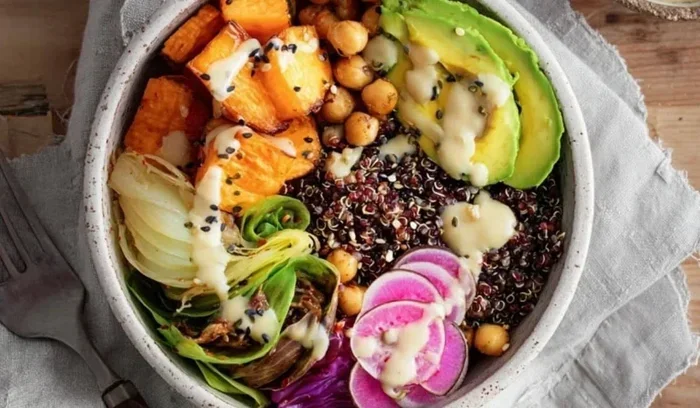
Fermented foods are packed with probiotics and healthy bacteria that support gut health, digestion, and immunity. This guide covers the top types, benefits, and simple ways to add fermented foods to your daily meals. Learn how these ancient foods can boost your wellness today.
Have you ever wondered why your grandparents always had a jar of pickled vegetables in the pantry? The answer is simple. Fermented foods have been a staple in diets around the world for thousands of years. Today, science backs up what our ancestors knew all along. These foods are incredibly good for your health. They are packed with probiotics, live cultures, and beneficial bacteria that support your gut and your whole body.
So what exactly are fermented foods? In short, they are foods that have been through a natural process where bacteria or yeast break down sugars. This process creates a tangy, flavorful product full of healthy bacteria. Think of yogurt, sauerkraut, kimchi, kombucha, and miso. Each one offers unique benefits for your gut health and beyond.
In this guide, we will explore everything you need to know about fermented foods. You will learn about the health benefits, the different types available, and how to add them to your daily meals. We will also cover common mistakes and tips for getting the most out of these probiotic-rich foods. Let us dive in.
Key Takeaways
- Fermented foods support gut health: They are rich in probiotics that help balance your gut microbiome and improve digestion.
- Many types to choose from: From kimchi and sauerkraut to yogurt and kombucha, there is a fermented food for everyone.
- Easy to add to your diet: Start with small portions and gradually increase your intake for the best results.
- Homemade options are best: Making fermented foods at home gives you control over ingredients and live culture count.
- Watch for added sugars: Store-bought products may contain hidden sugars that reduce the probiotic benefits.
- Consistency matters: Eating fermented foods regularly helps maintain a healthy gut flora over time.
📑 Table of Contents
What Are Fermented Foods?
How the Fermentation Process Works
Fermentation is a natural process that has been used for centuries to preserve food. During fermentation, microorganisms like bacteria and yeast convert sugars into alcohol or acids. This creates an environment where beneficial bacteria thrive. The result is a food that is rich in probiotics and live cultures.
The fermentation process is simple but fascinating. You start with a base ingredient like cabbage, milk, or soybeans. Then you add salt or a starter culture. The good bacteria begin to work, breaking down sugars and producing lactic acid. This acid gives fermented foods their signature tangy flavor. It also acts as a natural preservative, keeping the food safe to eat for longer.
There are different types of fermentation. Lacto-fermentation is the most common for vegetables. It uses Lactobacillus bacteria to produce lactic acid. Alcoholic fermentation is used for drinks like kombucha and kefir. Each type creates a unique product with its own health benefits.
Why Fermentation Has Been Around for Thousands of Years
Before refrigerators existed, people needed ways to preserve food. Fermentation was the answer. Ancient civilizations in China, Korea, Egypt, and Greece all practiced fermentation. They discovered that fermented foods lasted longer and tasted great. Over time, they also noticed that these foods made them feel healthier.
Today, fermentation is still going strong. People around the world enjoy cultured foods as part of their daily diet. From Korean kimchi to German sauerkraut, these foods connect us to our culinary roots. They also remind us that some of the best foods are the simplest ones.
Top Health Benefits of Fermented Foods
Better Gut Health and Digestion
The biggest reason people eat fermented foods is for gut health. These foods are loaded with probiotics, which are live beneficial bacteria. When you eat them, these bacteria join the community of microorganisms in your gut. This is called your gut microbiome, and it plays a huge role in your overall health.
A healthy gut microbiome helps you digest food more efficiently. It breaks down nutrients and helps your body absorb vitamins and minerals. If you struggle with bloating, gas, or irregular digestion, adding fermented foods may help. The healthy bacteria in these foods can restore balance to your gut flora.
Studies show that probiotics found in fermented foods can help with conditions like irritable bowel syndrome and inflammatory bowel disease. They can also reduce diarrhea caused by antibiotics. Your digestive system works better when it has a diverse mix of good bacteria.
Stronger Immune System
Did you know that about 70% of your immune system is in your gut? This is why gut health is so important for immunity. Fermented foods support your immune system by promoting a healthy gut lining. They also help fight off harmful bacteria that can make you sick.
When your gut microbiome is balanced, your body is better equipped to fight infections. The healthy bacteria in fermented foods stimulate the production of immune cells. They also help reduce inflammation throughout your body. This can lower your risk of chronic diseases over time.
Regular consumption of probiotic-rich foods has been linked to fewer colds and respiratory infections. It can also help with allergic reactions and autoimmune conditions. A strong immune system starts in the gut, and fermented foods are one of the best ways to support it.
Improved Nutrient Absorption
Eating healthy food is only half the battle. Your body also needs to absorb the nutrients properly. Fermented foods can help with this. The fermentation process breaks down complex compounds and makes vitamins more bioavailable. This means your body can absorb and use them more easily.
For example, fermented dairy products contain more calcium and B vitamins than their non-fermented counterparts. Fermented vegetables may have higher levels of certain antioxidants. The bacteria in these foods also produce digestive enzymes that help break down food in your stomach. This leads to better nutrient uptake overall.
Quick Tips
- Start with one serving of fermented foods per day.
- Pair them with meals for better digestion.
- Choose products with live and active cultures.
- Store fermented foods in the refrigerator to preserve probiotics.
Popular Types of Fermented Foods
There are many different kinds of fermented foods available. Each one offers unique flavors and health benefits. Here are some of the most popular options you can find today.
Fermented Vegetables
Fermented vegetables are some of the simplest and most affordable fermented foods you can make at home. Sauerkraut is made from cabbage and salt. It is crunchy, tangy, and full of probiotics. Kimchi is a Korean version that includes spices like gochugaru and garlic. Both are excellent sources of healthy bacteria and digestive enzymes.
Other fermented vegetables include pickled cucumbers, fermented carrots, and kimchi-style radishes. These foods are easy to prepare and can last for months when stored properly. They make great side dishes or toppings for sandwiches and bowls.
Fermented Dairy Products
Yogurt is probably the most well-known fermented dairy product. It is made by adding live bacterial cultures to milk. Look for yogurt that says “contains live and active cultures” on the label. Greek yogurt is a great option because it is high in protein and probiotics.
Kefir is another fermented dairy product that is similar to a drinkable yogurt. It has a tangy taste and is packed with a diverse range of bacteria and yeasts. Cottage cheese and some aged cheeses like gouda and cheddar also contain live cultures. These cultured foods are excellent for gut health.
Fermented Drinks
Kombucha is a fermented tea drink that has gained a lot of popularity in recent years. It is made by adding a symbiotic culture of bacteria and yeast to sweetened tea. The result is a fizzy, tangy drink full of probiotics and organic acids.
Water kefir is another great option for those who avoid dairy. It is made by fermenting sugar water with kefir grains. The result is a lightly sweet, probiotic-rich drink. Miso soup, made from fermented soybeans, is also a popular and nutritious choice. These fermented drinks are a refreshing way to get your daily dose of healthy bacteria.
| Fermented Food | Main Ingredient | Key Benefit |
|---|---|---|
| Sauerkraut | Cabbage | Rich in fiber and probiotics |
| Kimchi | Napa cabbage, spices | Supports digestion and immunity |
| Yogurt | Milk | Good source of calcium and protein |
| Kombucha | Tea, sugar | Rich in antioxidants and probiotics |
| Miso | Soybeans | Contains vitamins B and K |
| Kefir | Milk | High in diverse probiotic strains |
Other Fermented Foods Worth Trying
Do not stop at the basics. There are many other fermented foods that are worth exploring. Tempeh is a fermented soybean product from Indonesia. It has a nutty flavor and is a great meat alternative. Natto is another fermented soybean dish that is popular in Japan. It is rich in vitamin K2 and has a unique sticky texture.
Fermented condiments like fish sauce, soy sauce, and vinegar also add flavor and probiotics to your meals. Even sourdough bread is a fermented food because the dough undergoes natural fermentation. The variety of fermented foods available means there is something for every palate and dietary preference.
How to Add Fermented Foods to Your Diet
Start Small and Build Up
If you are new to fermented foods, start slowly. Your gut needs time to adjust to the new bacteria. Begin with a small serving once a day. This could be a few spoonfuls of yogurt or a small side of sauerkraut. Over a few weeks, you can increase the amount gradually.
Pay attention to how your body responds. Some people experience mild bloating or gas when they first start eating fermented foods. This is normal and usually goes away within a few days. If symptoms persist, reduce your intake and consult a healthcare professional.
Best Times to Eat Fermented Foods
The best time to eat fermented foods is with a meal. This helps the probiotics survive the acidic environment of your stomach. Breakfast is a great time to add yogurt or kefir to your morning routine. Lunch or dinner is perfect for a side of fermented vegetables or a bowl of miso soup.
Try to include fermented foods at least once or twice a day for the best results. Consistency is key when it comes to building a healthy gut microbiome. Make it a habit, and your digestive system will thank you.
Simple Ways to Include Fermented Foods Daily
- Add a scoop of sauerkraut to your sandwich or salad.
- Drink a small glass of kombucha with lunch.
- Top your morning toast with yogurt and fruit.
- Use miso paste to make a quick and savory soup.
- Snack on a small portion of kimchi as a side dish.
- Swap regular vinegar for apple cider vinegar in dressings.
Expert Insights
Nutrition experts recommend eating a variety of fermented foods to get a wide range of probiotic strains. Different foods contain different types of bacteria, so mixing it up gives your gut the best diversity. Aim for at least two or three different fermented foods each week.
Homemade vs Store-Bought Fermented Foods
What to Look for on Labels
When buying fermented foods from the store, reading labels is essential. Not all products are created equal. Many commercial brands are pasteurized, which kills the beneficial bacteria. Look for products that say “raw,” “unpasteurized,” or “contains live cultures.” These will have the most probiotic benefits.
Also check the ingredient list. Avoid products with added sugars, artificial flavors, or preservatives. The best fermented foods have short ingredient lists. For example, real sauerkraut should only contain cabbage, salt, and water. The fewer the ingredients, the better the product usually is.
Tips for Making Fermented Foods at Home
Making fermented foods at home is easier than you might think. All you need is a base ingredient, salt, and patience. Start with a simple recipe like homemade sauerkraut. Shred a head of cabbage, mix it with salt, and pack it into a jar. Let it sit at room temperature for about a week. That is it!
Home fermentation gives you full control over the process. You can choose organic ingredients and avoid additives. Homemade fermented foods also tend to have more live cultures than store-bought versions. Plus, it is a fun and rewarding hobby that can save you money.
Make sure to use clean equipment and follow food safety guidelines. Keep your fermentation vessels submerged in water if using an airlock system. Store your finished products in the refrigerator to slow down the fermentation process and keep the probiotics alive.
Common Mistakes to Avoid with Fermented Foods
Buying the Wrong Products
One of the biggest mistakes people make is buying the wrong fermented foods at the store. Many pickles, olives, and fermented vegetables on grocery shelves are not actually fermented. They are simply pickled in vinegar, which does not contain live probiotics. Always look for products that mention natural fermentation or live cultures on the label.
Another mistake is choosing flavored yogurts that are loaded with sugar. Sugar feeds harmful bacteria in your gut and can undo the benefits of probiotics. Stick to plain, unsweetened versions and add your own fruit or honey for flavor.
Eating Too Much Too Fast
While fermented foods are healthy, eating too much too quickly can cause digestive discomfort. Your gut microbiome needs time to adjust to new bacteria. If you suddenly eat large amounts of fermented foods, you may experience bloating, gas, or stomach cramps.
Start with small portions and increase gradually over several weeks. This gives your body time to adapt. If you have a compromised immune system or a serious health condition, talk to your doctor before making big changes to your diet.
Key Takeaways
- Read labels carefully: Choose unpasteurized products with live cultures for the best probiotic benefits.
- Avoid added sugars: They can reduce the effectiveness of the healthy bacteria in fermented foods.
- Introduce fermented foods slowly: Give your gut time to adjust and avoid digestive discomfort.
- Make your own when possible: Homemade fermented foods are often more potent and cost-effective.
Final Thoughts
Fermented foods are one of the simplest and most effective ways to support your health. They are rich in probiotics, healthy bacteria, and digestive enzymes that benefit your gut and your immune system. Whether you choose store-bought options or make your own at home, adding these foods to your diet is a smart move for your overall wellness.
The beauty of fermented foods is that they come in many forms. You can enjoy them as a side dish, a drink, or even a main ingredient in your meals. The key is to be consistent and start small. Over time, you will notice improvements in your digestion, energy levels, and overall health.
So why not give it a try? Pick up a jar of sauerkraut, grab some yogurt, or brew your own kombucha. Your gut will thank you. Fermented foods are not just a trend. They are a time-tested way to nourish your body and feel your best every day.
Frequently Asked Questions
What are the best fermented foods for beginners?
Yogurt, sauerkraut, and kimchi are the best fermented foods for beginners. They are easy to find in most grocery stores and have a mild, approachable taste. Start with small servings and see how your body responds before trying more adventurous options like natto or water kefir.
Can fermented foods help with weight loss?
Fermented foods can support weight loss indirectly by improving gut health and digestion. A healthy gut microbiome helps regulate appetite and metabolism. While they are not a magic solution on their own, they work best when combined with a balanced diet and regular exercise.
Are fermented foods safe for everyone?
Most people can safely enjoy fermented foods. However, those with compromised immune systems or histamine intolerance should be cautious. Some fermented foods are high in histamines, which can cause reactions in sensitive individuals. Always consult your doctor if you have concerns or existing health conditions.
How long do homemade fermented foods last?
Homemade fermented foods can last for several months when stored in the refrigerator. The cold temperature slows down the fermentation process and keeps the probiotics alive. Sauerkraut and kimchi typically last for three to six months, while homemade yogurt should be consumed within two weeks for the best probiotic content.
Do fermented foods contain alcohol?
Some fermented foods and drinks do contain small amounts of alcohol, but the levels are very low. Kombucha, for example, contains trace amounts of alcohol, usually less than 0.5%. This is not enough to cause any intoxicating effects. Most fermented foods like yogurt, sauerkraut, and kimchi contain no alcohol at all.
Can I eat fermented foods every day?
Yes, eating fermented foods every day is generally safe and beneficial for most people. Daily consumption helps maintain a healthy and diverse gut microbiome. Just start with small portions and listen to your body. Consistency is more important than quantity when it comes to fermented foods.


