Beef Tenderloin Roasting Time Chart
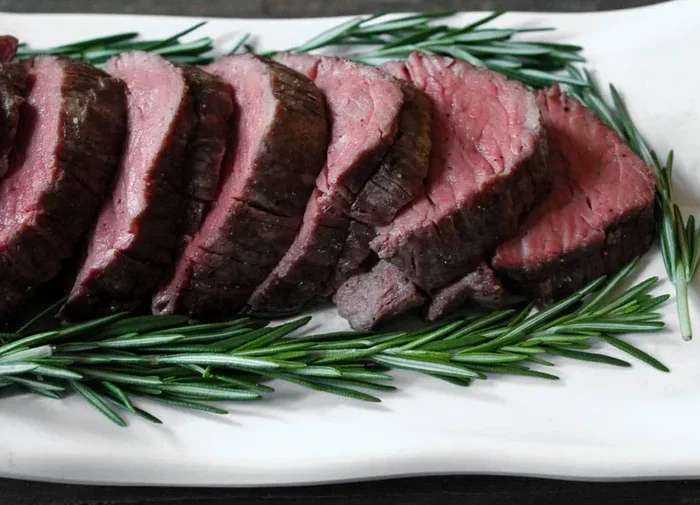
Our beef tenderloin roasting time chart gives you exact cook times for every weight. You will learn the right oven temperature, internal temps for each doneness, and step-by-step roasting tips. Whether you are a beginner or a seasoned cook, this guide ensures a juicy, flavorful beef tenderloin every time.
Roasting a beef tenderloin can feel intimidating. There are so many variables to consider. Weight, oven temperature, and desired doneness all play a role. But here is the good news. A solid beef tenderloin roasting time chart takes all the guesswork out of the process. You simply match your roast weight to the recommended time and temperature. The result is a perfectly cooked roast every single time.
Whether you are preparing a holiday dinner or a simple weeknight meal, knowing your roasting time is essential. A beef tenderloin roast is one of the most elegant cuts of beef you can serve. It is lean, tender, and incredibly flavorful when cooked right. But because it is lean, it can also dry out quickly if you are not careful. That is exactly why having a reliable time chart matters so much.
Key Takeaways
- Roasting time varies by weight: A 2-3 lb tenderloin takes about 25-35 minutes at 425°F.
- Use a meat thermometer: Internal temperature is the most reliable way to gauge doneness.
- Rest your roast: Letting the beef tenderloin rest for 10-15 minutes keeps juices locked in.
- Sear first for better flavor: A quick sear before roasting creates a beautiful crust.
- Avoid overcooking: Pull the roast 5°F below your target temp, as carryover cooking continues.
- Follow the chart closely: Times differ based on roast size, oven type, and desired doneness.
📑 Table of Contents
- Understanding Beef Tenderloin Cuts and Sizes
- Beef Tenderloin Roasting Time Chart by Weight
- Internal Temperatures for Perfect Doneness
- Step-by-Step Roasting Instructions
- Tips for a Juicy Beef Tenderloin Roast
- Common Mistakes to Avoid
- Pairing Your Roast with Sides
- Storing and Reheating Leftover Roast Beef
- Conclusion
Understanding Beef Tenderloin Cuts and Sizes
Before you dive into the chart, it helps to understand what you are working with. A beef tenderloin is a long, narrow cut from the loin primal. It is one of the most tender cuts of beef available. The whole tenderloin can weigh anywhere from 4 to 8 pounds. Most roasters buy it in smaller portions. Common sizes include 1.5 pounds, 2 pounds, 3 pounds, and 4 pounds.
The size of your roast directly affects the cooking time. A smaller roast cooks faster and needs closer attention. A larger roast takes longer but is more forgiving. Here is a quick breakdown of common beef tenderloin roast sizes:
- 1.5 lb roast: Serves 2-3 people. Quick cook time, about 20-25 minutes.
- 2 lb roast: Serves 3-4 people. Cooks in roughly 25-30 minutes.
- 3 lb roast: Serves 4-6 people. Expect about 30-35 minutes.
- 4 lb roast: Serves 6-8 people. Plan for 35-45 minutes.
- Whole tenderloin (6-8 lb): Serves 8-12 people. Takes 45-60 minutes.
Knowing your beef cut size helps you plan the rest of your meal. You will know exactly when to put the roast in the oven and when to start your sides.
Beef Tenderloin Roasting Time Chart by Weight
This is the heart of the guide. The chart below gives you estimated roasting times based on weight and oven temperature. Always use a meat thermometer for the most accurate results.
Roasting Time Chart at 425°F (220°C)
- 1.5 lb roast: 20-25 minutes for medium-rare
- 2 lb roast: 25-30 minutes for medium-rare
- 3 lb roast: 30-35 minutes for medium-rare
- 4 lb roast: 35-45 minutes for medium-rare
- 6 lb roast: 45-55 minutes for medium-rare
Roasting Time Chart at 375°F (190°C)
- 1.5 lb roast: 25-30 minutes for medium-rare
- 2 lb roast: 30-35 minutes for medium-rare
- 3 lb roast: 35-40 minutes for medium-rare
- 4 lb roast: 40-50 minutes for medium-rare
Lower temperatures take longer but can give you more even cooking. Higher temperatures cook faster but require closer monitoring. Choose the temperature that fits your schedule and comfort level.
Many cooks wonder about the best time to start their roast. Timing matters a lot when planning a meal. Just like knowing when is the best time to buy a treadmill depends on sales and needs, the best time to start roasting depends on when you want to serve dinner. Plan ahead so your roast comes out perfectly timed.
Internal Temperatures for Perfect Doneness
Time is only one part of the equation. Internal temperature is the real key to perfect beef doneness. Every oven is different. Even the same roast can cook at different rates depending on your oven’s accuracy. This is why a reliable meat thermometer is non-negotiable.
Target Internal Temperatures
- Rare: 120-125°F (49-52°C)
- Medium-Rare: 130-135°F (54-57°C)
- Medium: 135-145°F (57-63°C)
- Medium-Well: 145-155°F (63-68°C)
- Well-Done: 155°F+ (68°C+)
Most people prefer medium-rare for beef tenderloin. This is the sweet spot where the meat is juicy, pink in the center, and full of flavor. A medium-rare beef roast has the best texture and tenderness. If you prefer your roast more done, simply cook it a few minutes longer.
Remember that carryover cooking happens after you pull the roast from the oven. The internal temperature will rise 5-10 degrees during the rest period. So if you want medium-rare at 135°F, pull the roast at 125-130°F. This is one of the most important tips for any roast beef recipe.
Step-by-Step Roasting Instructions
Now that you have your times and temperatures, let us walk through the actual process. Follow these steps for a show-stopping beef tenderloin roast.
Step 1: Prep the Beef
Remove the beef tenderloin from the refrigerator 30-60 minutes before cooking. Let it come to room temperature. This helps the roast cook more evenly. Pat it dry with paper towels. Season generously with salt, pepper, and any herbs you like. Garlic, rosemary, and thyme all work beautifully with tenderloin.
Step 2: Sear the Roast
Heat a cast-iron skillet or oven-safe pan over high heat. Add a high-smoke-point oil like avocado or grapeseed. Sear the roast on all sides until browned. This should take about 2-3 minutes per side. Searing locks in juices and creates a flavorful crust. It is a step you do not want to skip.
Step 3: Roast in the Oven
Transfer the seared roast to a roasting pan or wire rack set inside a sheet pan. Place it in your preheated oven. Use the chart above to estimate your cook time. Set a timer for the lower end of the range. Start checking the internal temperature early. You can always cook it a little longer, but you cannot undo overcooking.
Step 4: Rest the Roast
Once the roast hits your target temperature, pull it from the oven. Tent it loosely with aluminum foil. Let it rest for 10-15 minutes. During this time, the juices redistribute throughout the meat. Cutting too early releases those juices onto the cutting board instead of keeping them in the slice. Resting is what separates a good roast from a great one.
While your roast is resting, you have a perfect window to prep sides or set the table. It is also a great time to check out how to make time go faster on a treadmill if you are balancing meal prep with your workout routine. The key is to use that waiting time wisely.
Tips for a Juicy Beef Tenderloin Roast
Even with the perfect time chart, small details can make or break your roast. Here are expert tips to ensure the best results every time.
- Always use a meat thermometer: This is the single most important tool for roasting beef. Do not rely on time alone.
- Do not skip the sear: A good sear adds depth of flavor that you cannot get any other way.
- Use a wire rack: It allows hot air to circulate around the roast for even cooking.
- Season generously: Beef tenderloin is lean and benefits from a strong seasoning layer.
- Let the meat rest: As mentioned above, resting is critical for juicy slices.
- Know your oven: Ovens can vary by 10-25 degrees. Get to know yours and adjust accordingly.
- Slice against the grain: This makes each slice more tender and easier to chew.
If you are new to roasting beef, start with a smaller cut. A 2-pound roast is forgiving and hard to mess up. Once you nail the technique, you can work your way up to larger roasts. The beauty of this beef preparation method is that it is simpler than most people think.
Common Mistakes to Avoid
Even experienced cooks can slip up when roasting beef tenderloin. Here are the most common mistakes and how to avoid them.
- Cooking from cold: Never put a cold roast straight into the oven. It will cook unevenly. Always bring it to room temperature first.
- Skipping the thermometer: Relying on time alone is a gamble. Every oven is different. A kitchen thermometer removes all doubt.
- Overcooking: Pull the roast early and let carryover cooking do the rest. Overcooked tenderloin becomes dry and tough fast.
- Cutting too soon: Resist the urge to slice right away. Give the meat its full rest time.
- Using the wrong pan: A dark, heavy pan absorbs more heat and can scorch the bottom. Use a light-colored roasting pan or a wire rack.
- Not preheating the oven: Always preheat. Putting food in a cold oven throws off your timing and cooking results.
Avoiding these mistakes will instantly improve your beef roast results. You will notice a big difference in both flavor and texture.
Pairing Your Roast with Sides
A great beef tenderloin roast deserves great sides. Classic pairings include roasted potatoes, grilled asparagus, and a rich red wine sauce. For a lighter option, try a fresh garden salad with a tangy vinaigrette. Garlic mashed potatoes are always a crowd-pleaser. The richness of the beef pairs beautifully with creamy, starchy sides.
Planning your sides around the roast time is smart cooking. Start your sides so they are ready when the beef comes off the heat. A well-planned meal flows smoothly from oven to table.
Storing and Reheating Leftover Roast Beef
If you have leftovers, store them properly to enjoy them later. Let the roast cool to room temperature within two hours of cooking. Wrap it tightly in plastic wrap or foil. Store it in the refrigerator for up to 3-4 days. For longer storage, slice the roast and freeze it in airtight bags for up to 3 months.
To reheat, use a low oven temperature around 250°F. Cover the slices with foil to keep them moist. Add a splash of beef broth to prevent drying out. Reheat gently and slowly. This preserves the tenderness that made the roast great in the first place.
Conclusion
Roasting a beef tenderloin does not have to be complicated. With the right beef tenderloin roasting time chart, a meat thermometer, and a little patience, you can serve a restaurant-quality roast at home. The key is understanding your roast weight, choosing the right oven temperature, and hitting the correct internal temperature for your preferred doneness.
Always remember to let your roast rest. This simple step makes a huge difference in juiciness. Avoid the common mistakes outlined above, and you will be well on your way to beef tenderloin perfection. Whether you are a beginner or a seasoned home cook, these tips will help you roast beef with confidence every time.
Now it is your turn. Grab a beef tenderloin, fire up your oven, and put this guide to work. You will be amazed at how easy it is to achieve a perfect roast. Happy cooking.
Frequently Asked Questions
How long does it take to roast a 3 lb beef tenderloin?
At 425°F, a 3 lb beef tenderloin roast takes about 30-35 minutes for medium-rare. Always use a meat thermometer to check the internal temperature. Pull the roast at 125-130°F and let it rest for carryover cooking.
What is the best temperature to roast beef tenderloin?
425°F is the most popular oven temperature for roasting beef tenderloin. It gives a nice sear on the outside while cooking the inside evenly. Some cooks prefer 375°F for a slower, more gentle roast.
How do I know when my beef tenderloin is done?
The only reliable way is with a meat thermometer. Check the internal temperature in the thickest part of the roast. For medium-rare, aim for 130-135°F. Remember that the temperature will rise a few degrees during resting.
Should I cover beef tenderloin with foil while roasting?
No, do not cover the roast during cooking. Leaving it uncovered allows the heat to circulate and creates a nice browned crust. You should only cover it with foil during the resting period.
How long should I let the roast rest before slicing?
Let your beef tenderloin rest for 10-15 minutes after pulling it from the oven. Tent it loosely with foil during this time. Resting allows the juices to redistribute, resulting in a much juicier and more flavorful roast.
Can I roast a frozen beef tenderloin?
It is not recommended to roast a frozen tenderloin. Cooking from frozen leads to uneven cooking and a much longer roast time. Always thaw the meat in the refrigerator overnight before roasting for the best results.