How Long to Boil Eggs
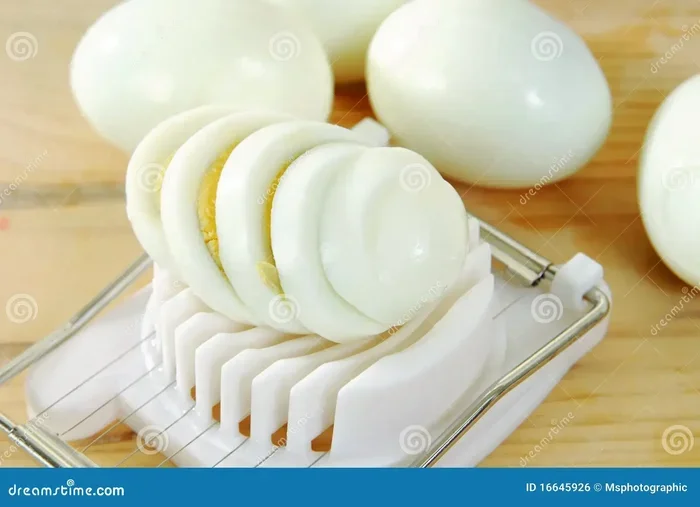
Knowing how long to boil eggs is the single most important factor in getting perfect results every time. Whether you prefer soft, medium, or hard boiled eggs, precise timing and the right technique make all the difference. This guide walks you through exact cooking times, easy peeling tricks, and pro tips for consistently great eggs.
Key Takeaways
- Soft boiled eggs take 4-6 minutes: Runny yolks are ideal for dipping toast or eating straight from the shell.
- Medium boiled eggs need 7-9 minutes: A slightly jammy center works great for salads and snacks.
- Hard boiled eggs require 10-12 minutes: Fully set yolks are perfect for meal prep, deviled eggs, and snacks.
- Always start with cold water: This ensures even cooking and reduces the chance of cracking.
- An ice bath is essential: It stops the cooking process and makes peeling a breeze.
- Fresh eggs are harder to peel: Use eggs that are 7-10 days old for the easiest peeling experience.
📑 Table of Contents
- How Long to Boil Eggs: The Complete Guide to Perfect Results
- Why Timing Matters So Much
- How Long to Boil Eggs by Desired Doneness
- The Best Methods for Boiling Eggs
- How to Peel Boiled Eggs Without Frustration
- Common Mistakes When Boiling Eggs
- How to Store Boiled Eggs Safely
- How Long to Boil Eggs for Different Recipes
- Tools That Make Boiling Eggs Easier
- Frequently Asked Questions About Boiling Eggs
How Long to Boil Eggs: The Complete Guide to Perfect Results
Boiling eggs seems simple. You drop them in hot water and wait. But anyone who has ended up with a gray-green yolk or an egg that tastes rubbery knows the truth. How long to boil eggs depends on what kind of result you want. The difference between a perfect soft boil and an overcooked hard boil can be just a minute or two.
This guide gives you exact times, clear steps, and practical tips that actually work. Whether you are making breakfast for one or prepping a week of snacks, you will find everything you need right here. No guesswork. No frustration. Just perfectly cooked eggs every single time.
Why Timing Matters So Much
Eggs cook fast. Really fast. A few seconds can change the texture of the yolk from liquid to creamy to dry and chalky. Understanding egg boiling time helps you avoid the most common mistakes people make in the kitchen.
When you boil eggs, the heat sets the proteins in a specific order. The whites cook first, then the yolk. The longer the egg stays in hot water, the more the yolk firms up. This is why timing is everything. Even 30 seconds can make a noticeable difference in the final result.
Here is a quick look at what different times produce:
- 4 minutes: Very soft yolk, completely runny white. Best for dipping.
- 6 minutes: Jammy, slightly thick yolk. A crowd favorite.
- 8 minutes: Creamy, semi-firm yolk. Great for slicing.
- 10 minutes: Fully set yolk, tender texture. The sweet spot for hard boiled.
- 12 minutes: Fully hard boiled. Good for meal prep but risk of green ring.
The Science Behind the Shell
Egg whites are mostly protein and water. When heat hits them, the proteins unfold and bond together. This is what turns a clear liquid into a solid white. The yolk behaves differently. It contains fats and emulsifiers that give it a creamy texture when cooked just right.
The temperature of the water also plays a role. A rolling boil cooks the egg faster and more aggressively. A gentle simmer gives you more control. Most experts agree that starting with cold water and bringing it to a boil together gives the most even results. This method lets the egg heat up gradually, which reduces cracking and ensures the yolk and white finish at the same time.
How Long to Boil Eggs by Desired Doneness
This is the section you have been waiting for. Below, we break down the exact times for each level of doneness. These times assume large eggs taken straight from the refrigerator. Adjust slightly for extra-large or extra-small eggs.
Soft Boiled Eggs (4 to 6 Minutes)
Soft boiled eggs are a breakfast staple in many countries. The white is fully set, but the yolk stays liquid. You eat them in an egg cup, tap off the top, and scoop out the warm, runny center with a spoon.
For a very runny yolk, set your timer for 4 minutes. For a slightly thicker but still flowing yolk, go with 5 or 6 minutes. The white should be completely opaque and firm. The yolk will jiggle slightly when you shake the egg gently.
Soft boiled eggs pair beautifully with toast soldiers, salted vegetables, or a simple sprinkle of pepper and sea salt. They are quick to make and feel like a treat every time.
Medium Boiled Eggs (7 to 9 Minutes)
A medium boiled egg hits the sweet spot between runny and firm. The yolk is thick and creamy but not completely solid. It is perfect for slicing onto a salad or chopping into a grain bowl.
At 7 minutes, the yolk will be mostly set with a slightly soft center. By 9 minutes, it is almost fully firm with just a hint of creaminess. Many people consider 8 minutes the ideal medium boil time for large eggs.
Medium boiled eggs work wonderfully in Japanese-style rice bowls, noodle soups, and bento boxes. Their creamy yolk adds richness to any dish without overwhelming it.
Hard Boiled Eggs (10 to 12 Minutes)
Hard boiled eggs are the most popular style for meal prep and snacking. The yolk is fully set, firm, and easy to slice or mash. They last up to a week in the refrigerator, making them a go-to protein for busy people.
For perfectly hard boiled eggs, aim for 10 to 11 minutes. Going past 12 minutes increases the risk of a green-gray ring forming around the yolk. That ring is harmless but not appetizing. It happens when iron in the yolk reacts with sulfur in the white during prolonged cooking.
Hard boiled eggs are incredibly versatile. Make egg salad, chop them for a quick protein boost, pickle them, or slice them onto avocado toast. They are one of the most convenient foods you can prepare in bulk.
The Best Methods for Boiling Eggs
Not all boiling methods are created equal. The way you start the eggs and manage the heat affects the final texture and ease of peeling. Here are the two most popular approaches.
Method 1: Starting Cold Water
Place your eggs in a single layer at the bottom of a saucepan. Cover them with cold water by about one inch. Bring the water to a rolling boil over medium-high heat. Once boiling, reduce the heat to a gentle simmer and start your timer.
This method is gentle and even. It gives the egg time to heat through gradually, which means fewer cracks and more consistent results. Most professional cooks and food scientists prefer this approach.
After the timer goes off, immediately transfer the eggs to an ice bath. Let them sit for at least 10 minutes before peeling. The cold shock stops the cooking and helps the membrane separate from the shell.
Method 2: The Steam Method
Bring about an inch of water to a boil in a pot. Place a steamer basket inside. Add your eggs to the basket, cover with a lid, and steam them for the desired time. This method uses slightly higher temperatures and can produce a cleaner peel.
Many people find steamed eggs easier to peel than boiled ones. The steam heats the shell and membrane more evenly, which helps them release from the egg white. If you struggle with peeling, the steam method is worth trying.
Method 3: The Hot Start Method
Bring a pot of water to a full boil first, then gently lower the eggs in with a spoon or slotted strainer. This method cooks the eggs faster and is useful when you need a large batch quickly.
The hot start method works well for hard boiled eggs specifically. Because the eggs hit the hot water immediately, the whites set faster, which helps them hold together better. You may need to add 30 seconds to your usual time when using this method.
How to Peel Boiled Eggs Without Frustration
Peeling boiled eggs can be annoying. Shell bits stick to the white, and you end up with a pitted surface. But there are proven tricks that make peeling almost effortless.
First, use older eggs. Fresh eggs have a lower pH, which causes the inner membrane to cling tightly to the shell. Eggs that are 7 to 10 days old peel much more easily. If you buy eggs fresh, let them sit in the fridge for a week before boiling them.
Second, always use an ice bath. The rapid cooling creates a vacuum effect between the shell and the egg white. This makes the shell slide off in large pieces instead of tiny frustrating bits.
Third, crack the egg all over before peeling. Gently roll it on the counter to create tiny cracks across the entire surface. Then peel under running water. The water gets under the membrane and helps lift the shell away cleanly.
Fourth, add a teaspoon of baking soda or vinegar to the boiling water. This raises the pH of the water, which loosens the membrane. It is a small change that can make a big difference.
Quick Tips for Easy Peeling
- Use eggs that are at least one week old.
- Cool eggs completely in an ice bath before peeling.
- Peel under a stream of cool running water.
- Add baking soda to the boiling water for extra help.
- Roll the egg gently on the counter to crack the shell evenly.
- Start peeling from the wider end where the air pocket is.
Common Mistakes When Boiling Eggs
Even experienced cooks make mistakes with eggs. Here are the most common errors and how to avoid them.
Overcooking the Eggs
This is the number one mistake. Leaving eggs in hot water for too long turns the yolk dry and chalky. It also creates that unappetizing green ring around the yolk. Set a timer and be disciplined. When the timer goes off, move the eggs to an ice bath immediately.
Not Using Enough Water
If the water level is too low, the eggs may not be fully covered. This leads to uneven cooking. The top of the egg might be undercooked while the bottom is overcooked. Always use enough water to cover the eggs by at least one inch.
Boiling Too Vigorously
A hard boil can cause the eggs to bounce around in the pot. This leads to cracking and uneven cooking. Once the water reaches a boil, reduce the heat to a gentle simmer. The eggs should barely move in the water.
Skipping the Rest Time
After boiling, eggs continue to cook from residual heat. This is called carryover cooking. If you take a hard boiled egg out of the hot water and peel it right away, the yolk may be slightly more done than you expected. Letting the eggs rest in the ice bath for at least 10 minutes prevents this.
Using the Wrong Size Pot
Crowding the pot leads to uneven cooking and cracked shells. Give each egg enough room so they are not stacked on top of each other. A single layer works best. If you need to cook a large batch, use a bigger pot or boil in multiple rounds.
How to Store Boiled Eggs Safely
Once your eggs are cooked and peeled (or unpeeled), proper storage keeps them fresh and safe to eat. The USDA recommends using boiled eggs within one week of cooking.
Store eggs in a sealed container in the refrigerator. If the eggs are still in their shells, they can be kept as-is. If you have already peeled them, place them in a container of water and change the water daily, or store them in a sealed bag with a damp paper towel.
Never leave boiled eggs at room temperature for more than two hours. The cooked egg white is a perfect breeding ground for bacteria once it cools below safe temperatures. When in doubt, throw it out.
How Long to Boil Eggs for Different Recipes
The ideal boil time changes depending on what you are making. Here is a quick reference guide for popular recipes.
- Egg Salad: Hard boil for 10 minutes. You want fully set yolks that mash smoothly.
- Deviled Eggs: Hard boil for 11 minutes. Slightly longer cooking makes them easier to handle and fill.
- Soy Sauce Eggs (Japanese Style): Hard boil for 10 minutes, then soak in the marinade for 4 to 12 hours.
- Egg Drop Soup: Use soft or medium boiled eggs, cracked into the broth at the last minute.
- Ramen Topping: Soft boil for 6 minutes for a jammy, runny yolk that mixes into the broth beautifully.
- Pickled Eggs: Hard boil for 12 minutes, then soak in pickling brine for at least 24 hours.
Having a mental map of egg cooking time by recipe saves you a lot of trial and error. Keep this guide bookmarked and refer back to it whenever you need a refresher.
Tools That Make Boiling Eggs Easier
You do not need fancy equipment to boil eggs well. But a few simple tools can improve your results significantly.
A good egg timer is invaluable. You can use a simple kitchen timer on your phone or invest in a magnetic timer that sticks to the pot. Some people prefer egg timers that change color to show doneness. These are fun and functional.
A slotted spoon makes transferring eggs to and from the pot much safer than using a fork. A steamer basket works great for the steam method. And a container with a lid is essential for storing eggs in the fridge without them absorbing odors from other foods.
If you boil eggs often, consider getting an electric egg cooker. These devices take the guesswork out of timing entirely. You add water, place the eggs, and press a button. The cooker stops automatically when the eggs reach your chosen doneness. They are affordable and surprisingly consistent.
Frequently Asked Questions About Boiling Eggs
Can I boil eggs without a timer?
You can, but a timer removes all guesswork. Boiling eggs without a timer often leads to inconsistent results. Even a simple phone timer works perfectly. The difference between a great egg and an overcooked one can be as little as 30 seconds, so timing matters more than most people realize.
Why do some eggs float when boiling?
Older eggs float because they lose moisture over time, which creates a larger air pocket inside. Fresh eggs sink to the bottom. A floating egg is still safe to eat, but it may be easier to peel. If you want perfectly even cooking, use eggs that sink and lay flat on the bottom of the pot.
Is it better to peel boiled eggs right away or wait?
Wait at least 10 minutes before peeling. The ice bath needs time to cool the egg completely and create separation between the shell and the white. However, do not wait more than a few hours. Peeled eggs should be eaten within a day for the best texture and safety.
How do I get the green ring off my hard boiled eggs?
The green ring is caused by overcooking and cannot be removed once it forms. The best approach is prevention. Stick to the recommended times, use an ice bath immediately after cooking, and avoid leaving eggs in hot water for too long. The green ring is harmless but affects taste and appearance.
Can I boil eggs in an Instant Pot?
Yes. For hard boiled eggs in an Instant Pot, use 1 cup of water with a trivet, set the pressure to high for 5 minutes, and let the pressure release naturally for 5 minutes. Then transfer to an ice bath. The result is consistently creamy and easy to peel eggs every time.
Do I need to add salt or vinegar to the water?
It is not strictly necessary, but it helps. Salt raises the boiling point slightly and may help the white set faster. Vinegar lowers the pH, which can make the shell easier to peel. Adding a teaspoon of either to the water is a small step that can make a noticeable difference in your results.