Rowing machines engage both upper and lower body muscles, making them one of the most efficient full‑body cardio tools. They boost strength, endurance, and calorie burn while being low‑impact and adaptable to any fitness level. Read on to see how to maximize your rowing workouts for total‑body fitness.
Key Takeaways
- Whole‑body engagement: Rowing works legs, core, back, shoulders, and arms in a single motion.
- Cardio + strength: It blends aerobic conditioning with resistance training for balanced fitness.
- Low‑impact on joints: Smooth sliding motion reduces stress on knees and hips.
- Calorie‑burn efficiency: You can torch 400‑800 calories per hour depending on intensity.
- Scalable intensity: Adjust resistance, stroke rate, and technique to suit beginners to elite athletes.
- Improves posture: Strengthens the posterior chain, helping counteract desk‑bound slouch.
- Versatile workouts: From steady‑state rows to interval sprints and strength‑focused drills.
📑 Table of Contents
- Introduction: Why Rowing Is a Hot Topic in Fitness
- How Rowing Works: The Biomechanics of a Stroke
- Cardiovascular Benefits: Rowing as Efficient Cardio
- Strength and Muscular Development: More Than Just Cardio
- Low‑Impact Nature: Protecting Joints While Building Power
- Design Variations: Choosing the Right Rowing Machine for Full‑Body Gains
- Practical Tips to Maximize Your Full‑Body Row
- Conclusion: Rowing Delivers the Full‑Body Promise—and Then Some
Introduction: Why Rowing Is a Hot Topic in Fitness
When you think of a full‑body workout, images of dumbbells, kettlebells, or a hectic gym circuit often pop up. Yet, there’s a sleek piece of equipment that quietly delivers a total‑body session without the clutter: the rowing machine. Whether you call it an ergometer, indoor rower, or simply “the rower,” this device has been a staple in elite rowing clubs for decades and is now a favorite in home gyms worldwide.
So, does a rowing machine give a full‑body workout? The short answer is a resounding yes. The longer answer dives into how each muscle group is activated, how the cardio component blends with resistance, and what you can do to get the most out of every stroke. Let’s pull the handle and explore the science, the benefits, and the practical tips that turn a simple row into a powerhouse workout.
How Rowing Works: The Biomechanics of a Stroke
1. The Four Phases of a Row
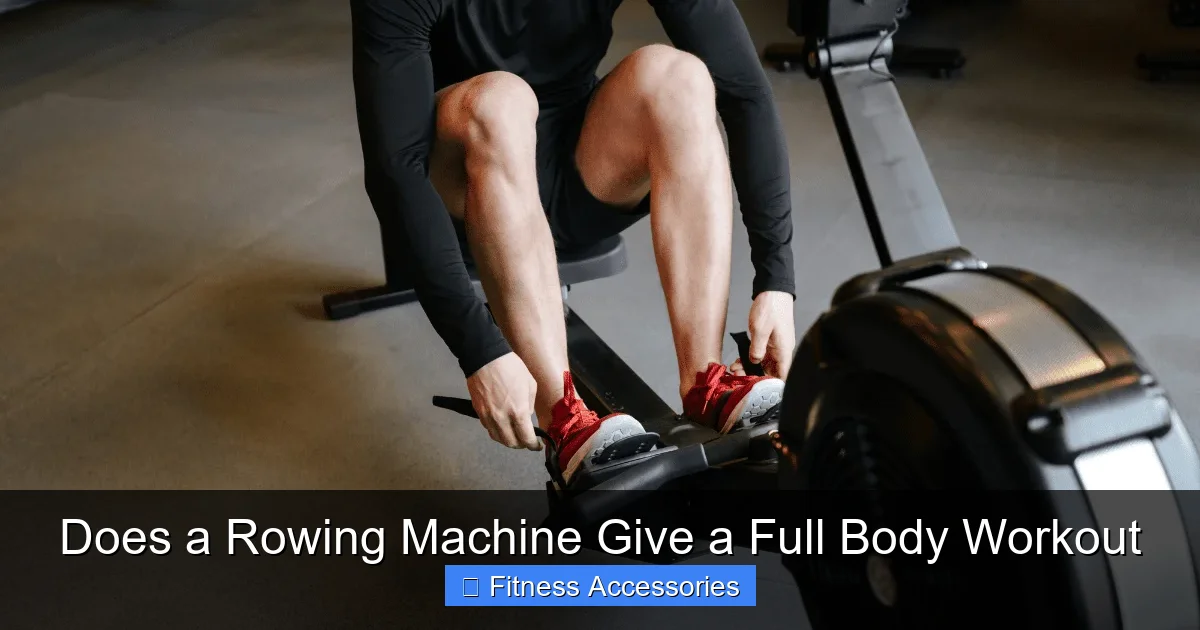
Every rowing stroke can be broken down into four distinct phases: the catch, the drive, the finish, and the recovery. Understanding these phases helps you see which muscles fire and why technique matters.
Visual guide about Does a Rowing Machine Give a Full Body Workout
Image source: rowinggeek.com
- Catch: You sit tall, shins vertical, arms extended, and core engaged. This sets up the stretch‑shortening cycle for the legs.
- Drive: Push through the heels, extend the knees, then lean back slightly while pulling the handle to the chest. This is the power phase.
- Finish: Legs are straight, hips slightly hinged, and elbows bent. The handle rests just below the ribs.
- Recovery: Reverse the motion—arms extend, torso leans forward, knees bend—returning to the catch.
2. Muscles Activated in Each Phase
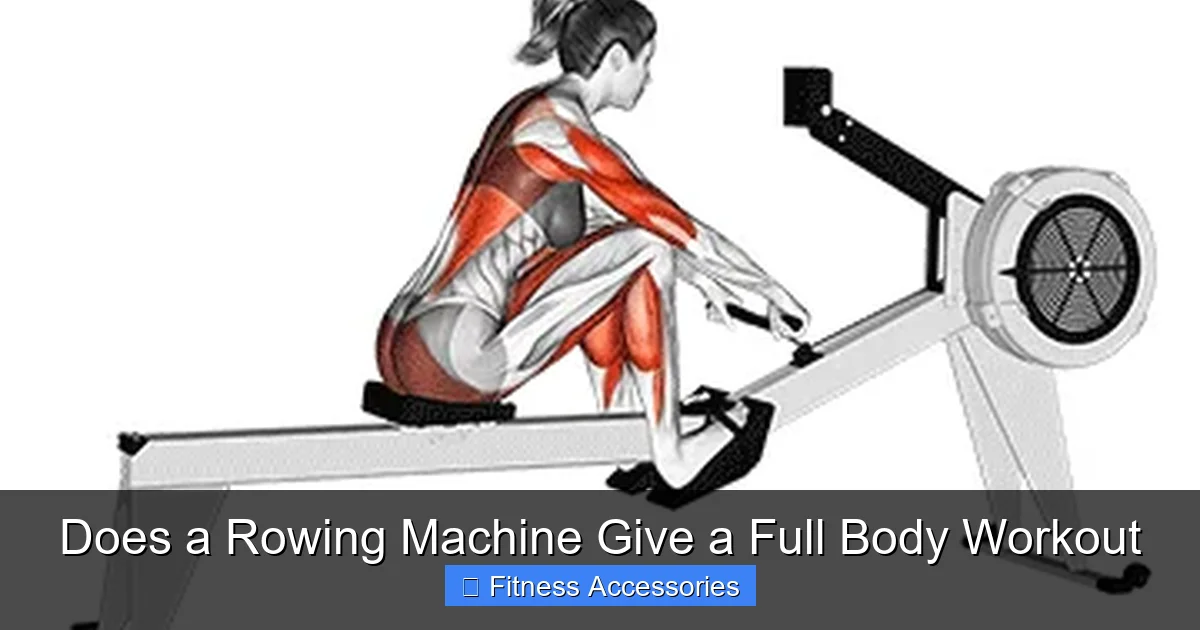
Here’s a quick map of the primary muscles working during a complete stroke:
- Legs (Quadriceps, Hamstrings, Glutes): Provide ~60% of the power during the drive.
- Core (Rectus Abdominis, Obliques, Erector Spinae): Stabilize the spine and transfer force from legs to upper body.
- Back (Latissimus Dorsi, Rhomboids, Trapezius): Pull the handle and keep shoulders down.
- Arms (Biceps, Forearms): Finish the pull and control the handle.
- Shoulders (Deltoids): Assist in the pull and keep the grip stable.
Cardiovascular Benefits: Rowing as Efficient Cardio
High Calorie Burn in Less Time
Because rowing engages large muscle groups simultaneously, it spikes heart rate quickly. Studies show that a 155‑lb person can burn roughly 520 calories in a 45‑minute moderate row, comparable to running 5 miles but with less joint impact.
Visual guide about Does a Rowing Machine Give a Full Body Workout
Image source: fitnessprogramer.com
Improves Aerobic and Anaerobic Capacity
By varying stroke rate and resistance, you can train both aerobic endurance (steady‑state rows) and anaerobic power (short sprints). This dual benefit is rare among cardio machines, which often specialize in one zone.
Strength and Muscular Development: More Than Just Cardio
Resistance Built Into the Row
Most modern rowers use either a magnetic, air, or water flywheel that creates adjustable resistance. Turning up the damper or resistance level forces muscles to work harder, essentially turning the machine into a full‑body strength trainer.
Progressive Overload Made Simple
Because you control the resistance and can track meters, strokes per minute (SPM), and power output (watts), it’s easy to apply progressive overload—key for building strength. Add 5 seconds to your interval, increase damper by one notch, or aim for 10 more meters each session.
Low‑Impact Nature: Protecting Joints While Building Power
Why Rowing Is Gentle on Knees and Hips
The sliding seat and fluid‑like motion keep impact forces low. Unlike running, there’s no repeated heel‑strike; the force travels through the legs in a smooth, controlled push.
Ideal for Rehab and Cross‑Training
Physical therapists often prescribe rowing to patients recovering from lower‑body injuries because it strengthens muscles without stressing joints. Athletes from cycling, swimming, and even weightlifting use rows to balance muscle development and improve cardiovascular fitness.
Design Variations: Choosing the Right Rowing Machine for Full‑Body Gains
Air Rowers (e.g., Concept2)
Air rowers generate resistance based on how fast you pull the handle. They feel natural, get louder with intensity, and are popular in gyms.
Magnetic Rowers
Magnetic resistance is quiet and can be set to a specific level, making them great for home use where noise matters.
Water Rowers
Water rowers mimic the feel of rowing on a lake. The resistance builds gradually, providing a smooth, rhythmic experience.
Key Features to Look For
- Performance Monitor: Displays stroke rate, distance, and power.
- Adjustable Foot Straps: Secure your feet for efficient power transfer.
- Seat Comfort: Padded seats reduce pressure during long sessions.
- Build Quality: Steel frames and sturdy rails last longer.
Practical Tips to Maximize Your Full‑Body Row
1. Master the Technique First
Before you chase speed, spend a week perfecting the catch‑drive‑finish‑recovery sequence. A bad form wastes energy and can lead to lower back strain.
2. Use Interval Training
Try a 30‑second sprint followed by 60‑second easy row. Repeat 8‑10 times. This boosts both cardio and muscular power.
3. Incorporate Strength Drills
During the recovery, add a “pause” at the catch for 2 seconds. This forces the core to stay tight and teaches control.
4. Track Your Metrics
Log distance, time, and average watts each session. Small weekly improvements add up and keep motivation high.
5. Combine With Complementary Exercises
Pair rowing with bodyweight moves like push‑ups, planks, or squats on alternate days to cover any muscle gaps.
Conclusion: Rowing Delivers the Full‑Body Promise—and Then Some
If you’re hunting for a single piece of equipment that can give you cardio, strength, low‑impact movement, and functional fitness, the rowing machine checks every box. By engaging the legs, core, back, shoulders, and arms in a coordinated, fluid motion, it truly offers a full‑body workout. The key to unlocking its full potential lies in mastering technique, adjusting resistance, and mixing up your training formats.
Whether you’re a busy professional, a seasoned athlete, or someone recovering from an injury, a rower can fit into your routine and deliver results. So, grab that handle, set your damper, and start rowing your way to a stronger, fitter, and more balanced body.
Frequently Asked Questions
Does rowing work the upper body as much as the lower body?
While the legs provide the majority of power, the pull phase engages the back, shoulders, and arms, giving a solid upper‑body workout. You’ll feel both regions working together.
How many calories can I burn on a rowing machine?
Calories burned depend on weight, intensity, and duration. On average, a 155‑lb person burns about 400‑600 calories in a 30‑minute moderate row.
Is rowing suitable for beginners?
Yes. Start with low resistance and focus on technique. As you become comfortable, gradually increase intensity and add intervals.
Can rowing help improve my posture?
Absolutely. Rowing strengthens the posterior chain—glutes, hamstrings, and upper back—which counteracts the forward‑hunched posture common from desk work.
What’s the difference between air and magnetic rowers?
Air rowers create resistance based on how fast you pull, offering a dynamic feel, while magnetic rowers provide smooth, quieter, and preset resistance levels.
How often should I row to see full‑body results?
Aim for 3‑4 sessions per week, 20‑45 minutes each. Mix steady‑state rows with interval or strength‑focused workouts for balanced gains.