Rigatoni Pasta The Ultimate Guide to Cooking It Perfectly
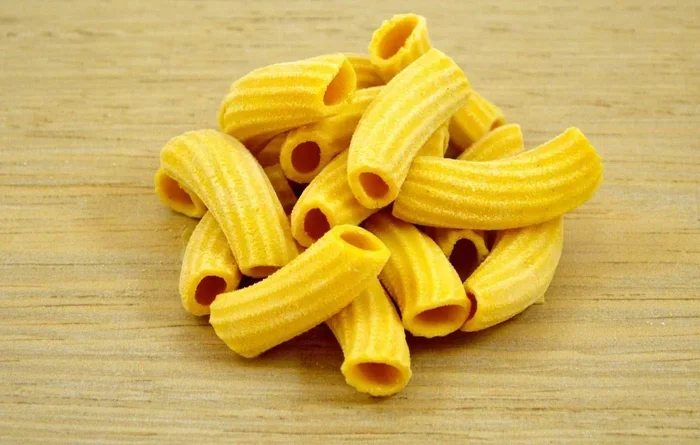
Rigatoni pasta is one of the most versatile and satisfying pasta shapes you can cook. This guide teaches you everything from how to cook rigatoni to pairing it with the best sauces. Whether you are a beginner or a home cook, you will master rigatoni pasta in no time.
Key Takeaways
- Cook rigatoni al dente: Always test pasta 1-2 minutes before the package time for the best texture.
- Use the right sauce: Rigatoni’s ridges and tubes trap chunky sauces like meat ragù and cheese sauces perfectly.
- Save pasta water: It is your secret weapon for thickening sauces and binding baked rigatoni dishes.
- Don’t rinse your pasta: Rinsing removes starch and makes sauces slide right off.
- Bake at the right temperature: 375°F is ideal for golden, bubbly baked rigatoni every time.
- Season as you go: Taste your food at every stage for a perfectly seasoned dish.
📑 Table of Contents
What Is Rigatoni Pasta?
Rigatoni pasta is a large, tube-shaped pasta with ridged outer surfaces. The name comes from the Italian word “rigato,” which means lined or grooved. These ridges are not just for looks. They actually grab onto sauces and keep every bite full of flavor.
You will usually find rigatoni made from durum wheat semolina. It is a staple in Southern Italian cooking. The tubes are about one inch in diameter and have slightly squared-off ends. This makes them sturdier than many other pasta shapes. They hold up well to hearty sauces and long cooking times.
Compared to penne or ziti, rigatoni has a wider opening. This means more sauce gets inside the tube. That is why it is a favorite for baked dishes and rich ragùs. If you have never cooked with it before, you are in for a treat.
Why Rigatoni Is So Popular
- Sauce retention: The ridges and tubes lock in sauce.
- Versatility: It works with nearly any sauce or recipe.
- Texture: It offers a satisfying, chewy bite.
- Comfort food factor: Baked rigatoni is pure comfort.
Rigatoni belongs to the broader family of Italian pasta shapes. There are over 350 recognized pasta shapes worldwide. Each one serves a purpose. Rigatoni’s purpose is to carry thick, chunky sauces. That is its superpower.
How to Cook Rigatoni Pasta Perfectly
Cooking rigatoni pasta correctly makes a huge difference. A few simple steps will take your dish from ordinary to restaurant quality. Let us walk through it step by step.
Step 1: Boil Plenty of Water
Use at least four cups of water per pound of pasta. Crowded pasta sticks together and cooks unevenly. A big pot gives every piece room to move. Add a generous splash of salt. The water should taste like the sea. This is your only chance to season the pasta from the inside out.
Step 2: Add the Pasta
Drop the rigatoni into the boiling water gently. Stir immediately with a wooden spoon. This prevents sticking. Do not add oil to the water. It actually makes the sauce slide off the pasta later.
Step 3: Time It Right
Most rigatoni cooks in 8 to 12 minutes. But here is the real secret. Start testing 2 minutes before the package directions say. You want al dente texture. That means the pasta is cooked through but still has a slight firmness at the center. It will also finish cooking in the sauce or the oven.
Step 4: Save the Pasta Water
Before draining, scoop out at least one cup of pasta cooking water. This starchy liquid is liquid gold. It helps thicken sauces and binds ingredients together in baked dishes. You will thank yourself later.
Step 5: Drain and Serve
Drain the pasta but do not rinse it. The starch on the surface helps sauce cling to every piece. Toss the rigatoni directly into your warm sauce. Let it simmer together for one to two minutes. This marries the flavors beautifully.
Quick Tips for Cooking Rigatoni
- Always use a large pot with lots of water.
- Stir the pasta within the first minute of cooking.
- Test for doneness a couple of minutes early.
- Never rinse rigatoni after draining.
- Toss the pasta in sauce right away.
Common Mistakes When Cooking Rigatoni
- Too little water: This causes clumping and uneven cooking.
- Overcooking: Mushy rigatoni falls apart in baked dishes.
- Skipping the pasta water: You lose your best thickening tool.
- Rinsing the pasta: This strips away the starch that holds sauce.
- Cold sauce with hot pasta: Always warm your sauce first.
Expert Insight: Chef Maria Bastianini, a Roman pasta specialist, recommends always finishing rigatoni in the sauce. She says, “The last two minutes in the pan are where magic happens. The pasta absorbs flavor and the starch thickens everything.” This small step makes a big impact on your final dish.
The Best Sauces for Rigatoni
Not every sauce works equally well with every pasta shape. Rigatoni has specific qualities that make certain sauces shine. The ridges catch small bits of ingredients. The tubes capture liquid and creamy sauces. Here are the best pairings.
Meat Ragù (Bolognese Style)
This is the classic match. A slow-cooked meat sauce with ground beef, pork, or sausage pairs beautifully with rigatoni. The ridges trap the tiny bits of meat. The tubes fill with rich, savory juice. It is a match made in heaven.
Cheese Sauces
Rigatoni is the star of baked rigatoni dishes. A creamy béchamel or melted mozzarella pairs perfectly. The cheese flows into the tubes and browns on top. This creates that irresistible crispy, gooey layer everyone loves.
Vegetable-Based Sauces
Roasted eggplant, mushrooms, or peppers all work wonderfully. The chunky texture of these sauces clings to the ridged surface. Add some ricotta or parmesan and you have a fantastic vegetarian dinner.
Light Olive Oil and Garlic Sauces
You can keep it simple too. A quick aglio e olio with chili flakes and fresh parsley works if you prefer lighter meals. Just make sure to toss the pasta well so every piece gets coated.
Comparison Table: Best Sauces for Rigatoni
| Sauce Type | Best For | Pairing Score |
|---|---|---|
| Meat Ragù | Classic comfort food | 10/10 |
| Cheese Sauce | Baked dishes | 10/10 |
| Vegetable Sauce | Light, healthy meals | 9/10 |
| Aglio e Olio | Quick weeknight dinners | 7/10 |
| Pesto | Fresh, herby flavor | 8/10 |
Rigatoni vs Penne: What Is the Difference?
Many people confuse rigatoni and penne. They are both tube-shaped, but there are key differences. Rigatoni is larger and wider. It has square-cut ends and prominent ridges. Penne is smaller, usually has diagonally cut ends, and can be smooth or ridged. Rigatoni holds more sauce inside its wider tubes. Penne is better for lighter sauces. Both are great. They just serve different purposes on the plate.
How to Make Baked Rigatoni
Baked rigatoni is probably the most popular way to enjoy this pasta. It is easy to prepare and feeds a crowd. The best part is that it tastes even better reheated the next day. Here is a simple method that always works.
Ingredients You Will Need
- 1 pound rigatoni pasta
- 2 cups of your favorite sauce (meat or cheese based)
- 1 cup ricotta cheese
- 1 cup shredded mozzarella
- Half a cup of parmesan
- 2 tablespoons chopped fresh basil or parsley
- Salt and pepper to taste
Step-by-Step Instructions
Preheat your oven to 375°F. Cook the rigatoni until just shy of al dente. It will finish cooking in the oven. Mix the ricotta, half the mozzarella, and the parmesan in a bowl. Combine the cooked pasta with the sauce in a large bowl. Add the cheese mixture and stir well. Pour everything into a greased 9×13 baking dish. Top with remaining mozzarella. Bake for 25 minutes until bubbly and golden. Let it rest for 5 minutes before serving. Sprinkle with fresh herbs.
Expert Insight: The Science Behind Baked Pasta
Food scientist Dr. Harold McGee explains that starch from the pasta cooking water creates a creamy binder when baked. This is why saving that water matters. It thickens the sauce naturally without adding heavy cream. The cheese melts into pockets between the tubes, creating contrasting textures. That crispy top layer comes from the Maillard reaction. It happens when proteins and sugars meet high heat. Understanding this helps you troubleshoot if your bake ever goes wrong.
Quick Tip: For extra crispy edges, bake uncovered for the last 10 minutes. Use a broiler for 2 minutes at the end for a golden-brown top. Just watch it closely to avoid burning.
Rigatoni Pasta Nutrition and Health Benefits
Pasta lovers often worry about carbs. But rigatoni pasta can be part of a balanced diet. Let us look at what you actually get in a serving.
Nutritional Breakdown
A standard serving of cooked rigatoni (about one cup) contains roughly 200 calories. It provides 7 grams of protein and 43 grams of carbohydrates. It is low in fat, especially before you add sauce. Whole wheat versions offer more fiber and a slightly nutty flavor. They also have a lower glycemic index than refined versions.
Health Benefits of Including Pasta
- Energy source: Complex carbs provide sustained fuel.
- Low sodium: Plain pasta is naturally low in salt.
- Micronutrients: It contains B vitamins and iron.
- Satiety: Pasta keeps you full longer than many alternatives.
- Versatile pairing: Pair it with vegetables and lean protein for a balanced meal.
Key Takeaway: The health value depends largely on what you pair with your rigatoni pasta. A vegetable-rich baked rigatoni with olive oil is very different from a heavy, butter-laden dish. Choose your sauces wisely and you can enjoy pasta regularly as part of a healthy lifestyle.
Rigatoni Pasta Recipes for Every Occasion
One of the best things about rigatoni is how adaptable it is. You can make it work for weeknight dinners, holiday feasts, and everything in between. Here are a few rigatoni recipe ideas to inspire you.
Weeknight Rigatoni with Sausage and Peppers
Brown Italian sausage in a skillet. Add sliced bell peppers and onions. Toss in cooked rigatoni with a splash of pasta water. Finish with parmesan and fresh parsley. This whole meal takes about 25 minutes. It is hearty and satisfying without much effort.
Rigatoni with Roasted Vegetables and Goat Cheese
Roast zucchini, cherry tomatoes, and red onion at 425°F for 20 minutes. Toss with cooked rigatoni and crumbled goat cheese. Drizzle with olive oil and add fresh basil. This is a perfect pasta dinner idea for warm evenings.
Holiday Baked Rigatoni with Meat and Cheese
This is your showstopper. Layer cooked rigatoni with sausage ragù, ricotta, and mozzarella. Add a layer of sliced hard-boiled eggs if you want an old-school Italian touch. Bake until golden. This dish brings people to the table.
Quick Rigatoni with Tomato and Basil
For the simplest dinner, heat canned crushed tomatoes with garlic and olive oil. Toss with rigatoni and torn fresh basil. Add a pinch of red pepper flakes. This takes 15 minutes and tastes amazing. Sometimes simple is best.
Common Mistakes When Preparing Rigatoni Dishes
- Overcomplicating things: Rigatoni does not need a fancy recipe to taste great.
- Using bland sauce: Season your sauce well. Taste it before combining with pasta.
- Skipping the resting time: Let baked rigatoni rest before cutting. This helps it set.
- Forgetting garnishes: A sprinkle of fresh herbs or grated cheese elevates the dish instantly.
- Not adjusting salt levels: Cheese and cured meats add salt. Adjust your seasoning accordingly.
Tips for Storing and Reheating Rigatoni
Leftover rigatoni is common and welcome. Here is how to keep it tasting great.
- Refrigerate within two hours: Do not leave cooked pasta out at room temperature for long.
- Store in airtight containers: This prevents drying out and absorbing fridge odors.
- Reheat with a splash of water: Add a little pasta water or broth when reheating. This restores moisture.
- Oven for baked dishes: Cover with foil and reheat at 350°F for 15-20 minutes.
- Avoid the microwave if possible: It often dries out pasta unevenly. The oven or stovetop works better.
Pro Tip: Baked rigatoni actually tastes better the next day. The flavors meld overnight. Reheat it in the oven uncovered for extra crispiness on top.
Conclusion
Rigatoni pasta is a kitchen essential for good reason. Its ridged tubes catch sauces, its sturdy shape handles any cooking method, and it works with virtually any flavor profile. Now you know how to cook it perfectly, which sauces pair best, and how to build show-stopping baked dishes. You also understand the nutrition behind this beloved Italian pasta and how to avoid the most common pitfalls.
The real secret to great rigatoni is simple. Cook it just right, save that pasta water, season as you go, and taste before serving. Apply these tips and your rigatoni pasta will be restaurant-quality every single time. Grab a box, fire up your stove, and start cooking. You have everything you need now. Happy eating!
Frequently Asked Questions
What is the best way to cook rigatoni pasta?
Boil rigatoni in plenty of salted water until just shy of al dente. Start testing 2 minutes before the package time. Save some pasta water before draining. Toss the pasta directly into warm sauce and let it finish cooking together for the best flavor.
Can you bake rigatoni pasta without pre-boiling it?
Yes, you can, but it will take longer to cook in the oven. Use extra liquid and sauce because the pasta absorbs more moisture. Pre-boiling it until just shy of al dente is still the recommended method for the best texture and even cooking.
What is the difference between rigatoni and penne pasta?
Rigatoni is larger with square-cut ends and pronounced ridges. Penne is smaller with diagonally cut ends and can be smooth or ridged. Rigatoni holds more sauce inside its wider tubes, while penne works well with lighter sauces.
Is rigatoni pasta healthy?
Plain rigatoni provides complex carbohydrates, protein, and B vitamins. The health value depends on your sauce and toppings. Pair it with vegetables, lean protein, and olive oil for a balanced meal. Whole wheat versions offer more fiber.
How do I make baked rigatoni not dry out?
Use enough sauce and a splash of pasta cooking water before baking. The starch in the water thickens everything and keeps it moist. Cover with foil for most of the baking time and uncover only at the end for a golden top.
What sauces go best with rigatoni pasta?
Meat ragù, cheese sauces, and roasted vegetable sauces are the top choices. The ridges and tubes of rigatoni are designed to hold chunky, rich sauces. Lighter options like aglio e olio or pesto also work well for quick weeknight meals.