Beef Tenderloin Minutes Per Pound The Ultimate Guide
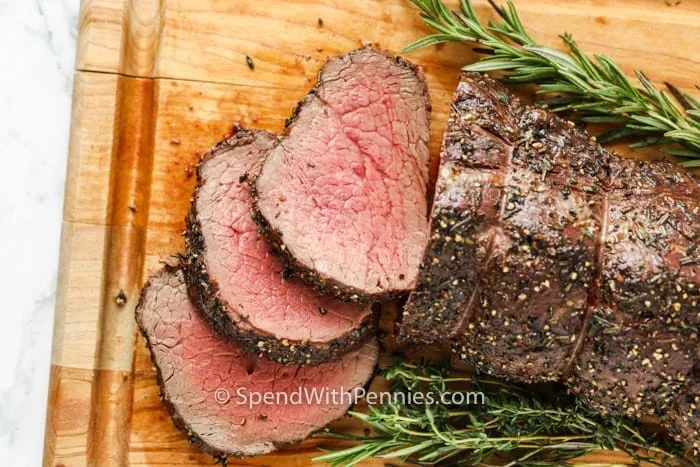
Beef tenderloin minutes per pound depends on your cooking method, desired doneness, and roast size. This guide breaks down exact timing for oven roasting, grilling, and sous vide so you get perfectly cooked beef tenderloin every single time. Whether you are a beginner or a seasoned home chef, you will find the beef tenderloin cooking time per pound details you need right here.
Beef tenderloin is one of the most prized cuts of meat you can prepare at home. It is lean, incredibly tender, and delivers a restaurant-quality experience right on your dinner table. But cooking it perfectly requires understanding beef tenderloin minutes per pound and how different factors change the timing.
Whether you are planning a special Sunday dinner or prepping meals for the week, knowing the right beef tenderloin cooking time per pound saves you from overcooking or serving something tough. This guide walks you through everything from basic timing to advanced techniques. You will learn how weight, method, and temperature all work together to produce a stunning roast every time.
Let us dive into the details so you can cook beef tenderloin with total confidence. No more guessing. No more dry, disappointing roasts. Just clear, practical guidance that works.
Key Takeaways
- Oven roasting typically takes about 20-25 minutes per pound at 425°F for medium-rare doneness.
- Internal temperature is the most reliable way to check doneness, not just time alone.
- Searing first creates a flavorful crust while keeping the inside moist and tender.
- Resting the roast for 10-15 minutes after cooking lets juices redistribute evenly.
- Grilling and sous vide offer different timing approaches worth exploring for varied results.
- Pairing beef tenderloin with balanced exercise and nutrition supports a healthy, active lifestyle.
📑 Table of Contents
- What Is Beef Tenderloin and Why Does Cooking Time Matter
- Beef Tenderloin Minutes Per Pound by Cooking Method
- Internal Temperature Guide for Perfect Doneness
- Tips for Perfect Beef Tenderloin Every Time
- Pairing Beef Tenderloin with a Healthy Lifestyle
- Common Mistakes to Avoid When Cooking Beef Tenderloin
- How to Store and Reheat Leftover Beef Tenderloin
- Frequently Asked Questions
What Is Beef Tenderloin and Why Does Cooking Time Matter
Beef tenderloin comes from the loin section of the cow. It is a long, narrow muscle that does very little work during the animal’s life. Because of this, it stays exceptionally tender and mild in flavor. This is the same cut used for filet mignon steaks.
But here is the thing. Because tenderloin is so lean, it has very little fat to protect it during cooking. This means timing matters even more than with fattier cuts. A few extra minutes can turn a juicy, perfect roast into something dry and disappointing.
Understanding Weight and Thickness
When people talk about beef tenderloin minutes per pound, they are usually referring to a whole roast. Whole tenderloins can range from 2 pounds to over 8 pounds. The weight directly affects how long the heat needs to penetrate to the center.
A thicker roast takes longer than a thinner one, even if they weigh the same. This is why many chefs pay attention to both weight and diameter. A 4-pound roast that is 4 inches wide cooks differently than a 4-pound roast that is 6 inches wide.
For most home cooks, a good rule of thumb is to estimate based on weight alone. But always use a meat thermometer to confirm doneness. Timing gives you a starting point, but temperature gives you certainty.
Beef Tenderloin Minutes Per Pound by Cooking Method
Different cooking methods change the beef tenderloin cooking time per pound significantly. Here is a breakdown of the most popular methods and what you can expect.
Oven Roasting
Oven roasting is the most common way to cook beef tenderloin. It gives you even heat and a beautiful crust when done right.
- At 425°F: Plan for about 20 to 25 minutes per pound for medium-rare.
- At 375°F: Expect closer to 25 to 30 minutes per pound.
- At 350°F: Allow 30 to 35 minutes per pound for a slower, more forgiving cook.
The higher the temperature, the faster the cook, but the less margin for error. Many cooks prefer the 425°F method because it creates a great sear on the outside while keeping the inside perfectly pink.
Start by searing the roast on all sides in a hot skillet with a little oil. Then transfer it to a roasting pan and put it in the oven. This two-step approach gives you the best of both worlds.
Grilling
Grilling beef tenderloin adds a smoky flavor that is hard to beat. But grilling requires more attention because the heat source is direct and can vary.
For grilling, plan for about 15 to 20 minutes per pound over medium-high indirect heat. If you sear it first over direct heat for 2 to 3 minutes per side, you reduce the total grill time. The key is to keep the lid closed as much as possible to maintain steady heat.
A beef tenderloin roast on the grill benefits from a two-zone setup. This means having one side of the grill hot for searing and the other side cooler for gentle roasting. It gives you control and flexibility.
Sous Vide
Sous vide cooking is becoming increasingly popular for beef tenderloin. It involves vacuum-sealing the meat and cooking it in a precisely controlled water bath.
For sous vide, you cook the tenderloin at your target temperature for a long time. A 2-pound roast might take 2 to 3 hours at 130°F for medium-rare. The beauty of sous vide is that it is nearly impossible to overcook. The meat comes out perfectly edge-to-edge every time.
After the sous vide bath, you should still sear the roast in a hot pan for about 1 minute per side. This adds the crust and color that makes the dish look and taste incredible.
Slow Cooking
Slow cooking is another option, though it is less common for tenderloin because the cut is already so tender. Slow cooking works best for tougher cuts. But if you want to use a slow cooker, plan for 4 to 6 hours on low for a 3 to 4 pound roast.
Slow-cooked tenderloin can become a bit mushy compared to other methods. Many cooks prefer roasting or grilling to preserve the firm yet buttery texture that makes tenderloin special.
Internal Temperature Guide for Perfect Doneness
Time per pound gives you a general idea, but internal temperature is the real key to perfect beef tenderloin. Every oven, grill, and slow cooker runs a little differently. Temperature removes all guesswork.
| Doneness | Internal Temperature | Description |
|---|---|---|
| Rare | 120°F – 125°F | Very red center, cool to the touch |
| Medium Rare | 130°F – 135°F | Warm red center, most recommended |
| Medium | 140°F – 145°F | Pink center, slightly firmer |
| Medium Well | 150°F – 155°F | Slight pink hint, mostly gray |
| Well Done | 160°F+ | No pink, fully cooked through |
Remember to pull the roast off the heat 5 degrees before your target temperature. The internal temperature will rise 5 to 10 degrees during resting. This carryover cooking is essential to getting it right.
For the best results with beef tenderloin minutes per pound, use an instant-read thermometer. Insert it into the thickest part of the roast, away from any bone or fat. You will get a much more accurate reading this way.
Tips for Perfect Beef Tenderloin Every Time
Cooking a great beef tenderloin is not just about timing. A few extra steps make a huge difference in the final result. Here are some tips that experienced cooks swear by.
Bring the Meat to Room Temperature First
Take your beef tenderloin out of the refrigerator 30 to 45 minutes before cooking. This lets the meat warm up evenly, so it cooks more uniformly. A cold roast going into a hot oven leads to uneven doneness, with the outside overcooked before the center reaches temperature.
Season Generously
Salt the roast at least 1 hour before cooking, or even the night before. Salt draws out moisture, which then gets reabsorbed and seasons the meat deeply. A simple blend of salt, black pepper, garlic powder, and fresh herbs works beautifully.
Do Not Skip the Sear
Searing creates the Maillard reaction, which is that beautiful brown crust full of flavor. Use a very hot skillet with a high-smoke-point oil like avocado or grapeseed. Sear for about 1 to 2 minutes per side until you get a deep golden-brown color.
Rest the Roast Properly
After cooking, let the beef tenderloin rest for at least 10 to 15 minutes before slicing. This allows the juices to redistribute throughout the meat. If you cut too early, all those juices run out onto the cutting board instead of staying in the roast.
Cover the roast loosely with aluminum foil during resting. This keeps it warm without trapping too much steam, which could soften the crust.
Slice Against the Grain
When it is time to serve, always slice against the grain. This shortens the muscle fibers and makes each bite more tender and easier to chew. Use a sharp knife and cut at a slight angle for the best results.
Pairing Beef Tenderloin with a Healthy Lifestyle
Cooking a great beef tenderloin fits perfectly into a balanced, health-conscious lifestyle. Lean cuts like tenderloin provide high-quality protein without excessive saturated fat. This makes them a smart choice for those who focus on nutrition and fitness.
If you are someone who stays active through regular exercise, pairing a protein-rich meal like beef tenderloin with your routine supports muscle recovery and overall wellness. For example, many people enjoy a post-workout meal that includes lean beef alongside vegetables and whole grains.
Some fitness enthusiasts combine their nutrition planning with cardio routines. Activities like rowing machine workouts offer excellent calorie burn while building endurance. A balanced approach that includes both strength-building protein and cardiovascular exercise creates a well-rounded healthy lifestyle.
Similarly, those who enjoy 30 minutes of treadmill cardio can feel confident that a perfectly cooked beef tenderloin dinner fits their nutritional goals. The key is balance and knowing how to prepare lean meats without overcomplicating things.
Just as starting a new fitness journey begins with choosing the right starting kettlebell weight, cooking beef tenderloin starts with understanding the basics of time and temperature. Small, informed decisions lead to the best outcomes in both fitness and the kitchen.
Common Mistakes to Avoid When Cooking Beef Tenderloin
Even experienced cooks sometimes make mistakes with beef tenderloin. Knowing what to avoid helps you skip the frustration and get better results from the start.
Overcooking by Relying Only on Time
Time estimates for beef tenderloin minutes per pound are guidelines, not exact rules. Every oven has hot spots. Every roast starts at a different temperature. Always use a meat thermometer and trust the numbers, not the clock.
Skipping the Rest Period
Cutting into a roast immediately after cooking is one of the most common mistakes. The juices need time to settle. Skipping the rest means losing flavor and moisture right when it matters most.
Cooking from Cold
Putting a refrigerator-cold roast directly into a hot oven creates uneven cooking. The outside overcooks while the center struggles to reach temperature. Always let the meat temper at room temperature first.
Using Too High a Heat for Too Long
High heat is great for searing, but keeping it at maximum the entire cook dries out the tenderloin. Start hot, then reduce to a moderate temperature for the bulk of the cooking time.
Not Letting the Roast Reach Room Temperature Before Seasoning
Seasoning a cold roast means the salt sits on the surface and does not penetrate deeply. Give the salt time to work its magic by applying it well in advance or letting the meat warm up first.
How to Store and Reheat Leftover Beef Tenderloin
If you have leftovers from your beef tenderloin roast, proper storage keeps the meat delicious for days. Let the roast cool to room temperature within two hours of cooking. Wrap it tightly in plastic wrap or store it in an airtight container.
Refrigerated leftover tenderloin stays good for 3 to 4 days. For longer storage, wrap it well and freeze it for up to 3 months. When reheating, use a low oven temperature around 250°F and cover the meat with foil to prevent it from drying out.
Sliced leftover tenderloin makes excellent sandwiches, salads, and stir-fries the next day. Do not let any of that perfectly cooked beef tenderloin go to waste.
Frequently Asked Questions
How long does it take to cook a 2-pound beef tenderloin per pound?
A 2-pound beef tenderloin roasted at 425°F takes approximately 40 to 50 minutes total, which is about 20 to 25 minutes per pound for medium-rare doneness. Always use a meat thermometer to confirm the internal temperature reaches 130°F to 135°F for the best results. Remember to account for carryover cooking after pulling the roast from the oven.
What is the best temperature for beef tenderloin minutes per pound calculations?
425°F is the most popular temperature for roasting beef tenderloin because it creates a great sear while cooking the meat evenly. If you prefer a slower, more forgiving cook, 375°F works well at about 25 to 30 minutes per pound. The key is consistency and using a thermometer to monitor doneness throughout the process.
Can you overcook beef tenderloin even if you follow the minutes per pound rule?
Yes, absolutely. Ovens vary, roasts differ in shape and thickness, and starting temperature matters. The minutes per pound guideline is a helpful starting point, but internal temperature is the only reliable indicator of doneness. Pull the roast 5 degrees before your target temp and let it rest to finish cooking naturally.
How does beef tenderloin compare to other cuts in terms of cooking time per pound?
Beef tenderloin cooks faster than tougher cuts like chuck roast or brisket because it is naturally tender and lean. A chuck roast might need 3 to 4 hours, while tenderloin finishes in 45 minutes to an hour depending on size. The low fat content means tenderloin has less margin for error, so keep a close eye on temperature.
Should I cover beef tenderloin while roasting in the oven?
No, you should not cover beef tenderloin while roasting. Leaving it uncovered allows the heat to circulate freely around the roast, creating an even crust and proper browning. Covering traps steam and can make the outside soggy. If the top is browning too quickly, tent loosely with foil for the last 10 to 15 minutes only.
What is the best way to check if beef tenderloin is done without a thermometer?
The most reliable method without a thermometer is the touch test. Press the center of the roast with your finger. Rare feels soft and squishy, medium-rare has a slight give with firmness, and well done feels very firm. However, this method takes practice and is less accurate than using an instant-read thermometer. We strongly recommend investing in a good thermometer for consistent results.