How to Cook Pork Tenderloin The Easy Foolproof Method
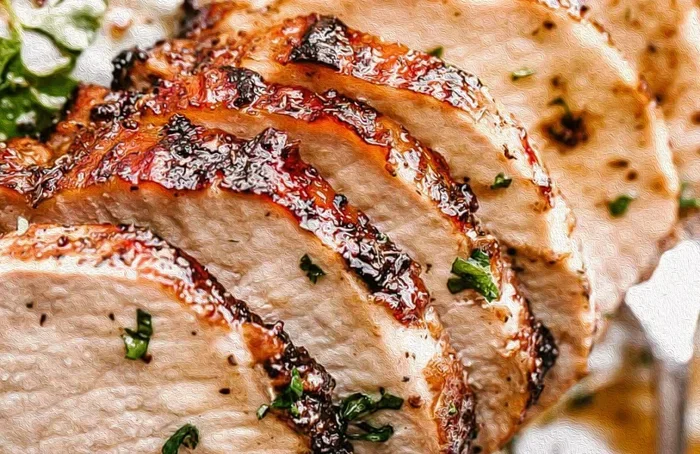
Discover the easiest way to cook pork tenderloin with this foolproof method. You’ll learn how to season, sear, and roast pork tenderloin to juicy perfection every time. This simple guide covers timing, temperature, and pro tips for a delicious meal.
There’s something special about a perfectly cooked pork tenderloin. It’s juicy, tender, and incredibly easy to make. Whether you’re a beginner or a seasoned home cook, learning how to cook pork tenderloin the right way changes everything. This method is simple, reliable, and gives you restaurant-quality results every single time. You’ll wonder why you ever overcooked pork tenderloin before.
The secret to a great pork tenderloin isn’t complicated. It comes down to a few key steps done right. Proper seasoning, the right cooking temperature, and letting the meat rest all make a huge difference. In this guide, we walk you through every step of how to cook pork tenderloin without any stress. By the end, you’ll have a foolproof method you can trust for your next dinner.
Key Takeaways
- Pork tenderloin is fast and forgiving: It cooks in about 20 to 30 minutes and is hard to mess up with the right method.
- Always use a meat thermometer: Pull the pork tenderloin at 140°F and let it rest to reach the safe 145°F internal temp.
- Resting is non-negotiable: Let the meat sit for at least 5 minutes so juices redistribute and the result stays juicy.
- Seasoning is simple but powerful: Salt, pepper, garlic, and smoked paprika create a flavorful base that works every time.
- Multiple cooking methods work great: Oven-roasting, pan-searing, and grilling all produce excellent pork tenderloin results.
- Avoid overcooking at all costs: Overcooked pork tenderloin turns dry and tough very quickly.
- Try different flavor profiles: Herb-crusted, Asian-inspired, and smoky BBQ variations keep this dish exciting week after week.
📑 Table of Contents
- What Is Pork Tenderloin and Why It’s So Great
- How to Prep Your Pork Tenderloin
- The Best Cooking Methods for Pork Tenderloin
- Internal Temperature and Timing
- Resting and Slicing Your Pork Tenderloin
- Flavor Variations and Seasoning Ideas
- Common Mistakes to Avoid
- Serving Suggestions and Meal Ideas
- Conclusion
What Is Pork Tenderloin and Why It’s So Great
Pork tenderloin is a long, thin cut of meat from the muscle along the spine. It’s one of the most tender cuts you can buy. Unlike tougher cuts that need slow cooking, pork tenderloin cooks quickly and stays juicy when you handle it right.
Here’s why pork tenderloin is a favorite for weeknight dinners and simple pork dinner planning:
- Fast cooking time – It cooks in about 20 to 30 minutes
- Very forgiving – Hard to mess up with the right method
- Versatile – Works with many flavors and seasoning profiles
- Healthy option – Lean meat with high protein content
- Feeds a crowd – One tenderloin serves 4 to 6 people easily
Many people avoid cooking pork tenderloin because they fear drying it out. But with this method, that worry disappears. The key is knowing the internal temperature and not overcooking it. This foolproof approach takes all the guesswork out of the equation.
How to Prep Your Pork Tenderloin
Trimming and Cleaning
Start by removing the silverskin from the surface. This tough membrane can cause the meat to curl while cooking. Use a sharp knife to gently slide under it and peel it away. Pat the tenderloin dry with paper towels. Dry meat sears better and gets a nicer crispy pork tenderloin crust on the outside.
Seasoning Your Pork Tenderloin
Seasoning is where the flavor really starts. A simple blend of salt, pepper, garlic powder, and smoked paprika works wonders. Rub the pork tenderloin seasoning all over the meat, making sure to cover every side evenly.
For a deeper flavor, let the seasoned tenderloin sit in the fridge for 30 minutes or up to overnight. This gives the spices time to penetrate the meat. A simple marinade with olive oil, herbs, and a splash of apple cider vinegar also works beautifully as a marinade pork tenderloin option.
Some cooks like to sear their pork before roasting. This creates a flavorful crust on the outside. If you choose to sear, do it on high heat for about 2 minutes per side. This step is optional but adds great texture to your pork tenderloin roast.
The Best Cooking Methods for Pork Tenderloin
Oven-Roasted Pork Tenderloin
Roasting in the oven is the most popular way to cook pork tenderloin. Preheat your oven to 400°F. Place the seasoned tenderloin in a baking dish or on a lined sheet pan. Roast for about 20 to 25 minutes, or until the internal temperature reaches 145°F.
This method is hands-off and easy to manage. You can roast vegetables alongside the pork tenderloin for a complete meal. Asparagus, potatoes, and carrots all work great in the same pan. Oven-baked pork tenderloin is the go-to method for most home cooks because it requires minimal effort and delivers consistent results.
Pan-Seared and Finished in the Oven
This two-step method gives you a crispy outside and a juicy inside. Heat a skillet over medium-high heat with a little oil. Sear the pork tenderloin for 2 to 3 minutes on each side until golden brown. Then transfer the skillet to a 400°F oven and roast for 15 to 20 minutes.
The sear locks in moisture and builds flavor. This pan-seared pork tenderloin technique is a great choice if you want a restaurant-style finish at home. The crust from searing adds a satisfying texture that plain roasting can’t match.
Grilled Pork Tenderloin
Grilling adds a smoky flavor that many people love. Preheat your grill to medium-high heat. Sear the tenderloin over direct heat for a few minutes on each side. Then move it to indirect heat and close the lid. Cook for about 15 to 25 minutes total, turning occasionally.
Grilled pork tenderloin pairs well with a simple chimichurri or a squeeze of fresh lemon. It’s perfect for summer cookouts and backyard gatherings. This method gives you a tender pork recipe with a wonderful smoky depth.
Internal Temperature and Timing
Getting the internal temperature right is the most important part of how to cook pork tenderloin. The USDA recommends cooking pork to an internal temperature of 145°F. This gives you a safe, pink center pork that stays juicy and tender.
Use a meat thermometer for accuracy. Insert it into the thickest part of the tenderloin. Avoid touching the bone or the pan, as this can give a false reading. These pork tenderloin tips might seem small, but they make a big difference in your final result.
Here’s a quick reference for cooking times:
- Oven at 400°F: 20 to 25 minutes for a 1 to 1.5 pound tenderloin
- Pan-sear plus oven: 15 to 20 minutes total cooking time
- Grill: 15 to 25 minutes depending on heat level
Remember that the pork tenderloin continues cooking after you remove it from the heat. This is called carryover cooking. The temperature can rise 5 to 10 degrees during resting. Pull the meat off the heat at 140°F and let it rest. It will reach the perfect 145°F on its own. This is one of the most important pork tenderloin tips for juicy results.
Overcooking is the number one mistake people make with pork tenderloin. It turns dry and tough very quickly. A meat thermometer is your best friend here. It removes all the guesswork and gives you confidence every time you cook pork tenderloin.
Resting and Slicing Your Pork Tenderloin
Resting the meat is just as important as cooking it properly. Let the pork tenderloin sit on a cutting board for at least 5 minutes. This allows the juices to redistribute throughout the meat. If you cut too early, the juices run out and the meat dries up. Always rest your pork tenderloin before slicing.
When it’s time to slice, use a sharp knife. Cut against the grain for the most tender results. Slice into rounds about half an inch thick. Serve immediately for the best flavor and texture. Properly slicing your pork tenderloin makes each bite enjoyable and tender.
Leftover pork tenderloin makes great meals the next day. It works well in sandwiches, salads, or stir-fries. Store leftovers in an airtight container in the fridge for up to 3 days. This makes it an excellent choice for meal prep and simple weeknight dinners.
Flavor Variations and Seasoning Ideas
One of the best things about pork tenderloin is how adaptable it is. You can change the flavors to match any cuisine or mood. Here are some easy variations to try:
Herb-Crusted Pork Tenderloin
Mix fresh rosemary, thyme, and minced garlic with olive oil and Dijon mustard. Spread this paste over the tenderloin before roasting. The herbs create a fragrant, flavorful crust that pairs perfectly with roasted potatoes. This herb-crusted pork tenderloin is a crowd-pleaser at any dinner table.
Asian-Inspired Pork Tenderloin
Marinate the tenderloin in soy sauce, sesame oil, ginger, and honey. Grill or roast as usual. Top with sliced scallions and sesame seeds for a fresh finish. This version works great over rice or noodles and brings a whole new flavor dimension to your easy pork recipe rotation.
Smoky BBQ Pork Tenderloin
Coat the tenderloin with your favorite BBQ rub. Slow-roast at 375°F for a slightly longer cook. Brush with BBQ sauce in the last 5 minutes of cooking. Serve with coleslaw and cornbread for a classic BBQ dinner that everyone will love.
Mediterranean Style
Use olive oil, lemon juice, oregano, and sun-dried tomatoes. This bright and fresh flavor profile pairs wonderfully with a side salad or roasted vegetables. It’s light, healthy, and full of vibrant taste.
Common Mistakes to Avoid
Even with a simple recipe, mistakes can happen. Here are the most common ones to watch out for when learning how to cook pork tenderloin:
- Skipping the rest: Cutting too early dries out the meat and wastes all your hard work
- Overcooking: Always use a meat thermometer to check doneness accurately
- Not drying the surface: Wet meat doesn’t sear properly and misses that crispy crust
- Crowding the pan: Give the meat space for even browning and proper searing
- Using a dull knife: This tears the meat instead of slicing cleanly through the tenderloin
Avoiding these mistakes will help you achieve perfect results every time. A little attention to detail goes a long way with pork tenderloin. Once you get the hang of it, you’ll never go back to overcooked, dry meat again.
Serving Suggestions and Meal Ideas
Pork tenderloin pairs well with many sides. Here are some ideas to build a complete meal around your cooked pork tenderloin:
- Roasted root vegetables – carrots, parsnips, and sweet potatoes
- Garlic mashed potatoes – a classic comfort pairing
- Fresh green salad – light and refreshing
- Sautéed green beans – simple and healthy
- Creamy polenta – rich and satisfying
For a quick weeknight meal, slice the pork tenderloin and serve it over a bed of greens with a simple vinaigrette. It’s fast, healthy, and delicious. This tender pork recipe fits into any meal plan and works for casual dinners or special occasions alike.
Conclusion
Learning how to cook pork tenderloin doesn’t have to be intimidating. With the right method, a little seasoning, and attention to temperature, you get a restaurant-quality meal at home. This foolproof approach works every time and gives you juicy, flavorful results that your whole family will love.
Start with a good quality tenderloin, season it well, and cook it to the right temperature. Let it rest before slicing, and serve it with your favorite sides. Soon you’ll be making pork tenderloin as a regular part of your meal rotation. It’s simple, delicious, and sure to become a family favorite that you’ll make again and again.
Frequently Asked Questions
What is the best internal temperature for pork tenderloin?
The USDA recommends cooking pork tenderloin to an internal temperature of 145°F. Use a meat thermometer to check the thickest part of the meat. This temperature gives you a safe, slightly pink center that stays juicy and tender every time.
How long does it take to cook pork tenderloin in the oven?
At 400°F, a 1 to 1.5 pound pork tenderloin takes about 20 to 25 minutes to cook. The exact time depends on the size of your tenderloin and your oven. Always use a meat thermometer to check for doneness rather than relying on time alone.
Should I cover pork tenderloin with foil while cooking?
Generally, you don’t need to cover pork tenderloin with foil. Cooking it uncovered allows the outside to develop a nice crust. If the outside is browning too quickly, you can loosely tent it with foil for the last few minutes of cooking to prevent burning.
Can I cook pork tenderloin in a slow cooker?
Yes, you can cook pork tenderloin in a slow cooker, but it’s not the recommended method. Slow cooking can make the meat a bit mushy since tenderloin is already very tender. Roasting or pan-searing gives you better texture and more flavor in the final dish.
How do I know if my pork tenderloin is done without a thermometer?
The easiest way is to check the color. A cooked pork tenderloin should have a slight pink center with white juices running out. You can also press the meat with your finger. It should feel firm but still slightly springy. A meat thermometer is always the most accurate method though.
What’s the difference between pork tenderloin and pork loin?
Pork tenderloin is a smaller, more tender cut from beneath the spine. Pork loin is a larger, flatter cut that can be boneless or bone-in. Tenderloin cooks faster and stays more tender, while pork loin works better for slow-roasting or braising methods.