How to Cook Beef Tenderloin Steaks in a Cast Iron Skillet

Cooking beef tenderloin steaks in a cast iron skillet is the easiest way to achieve a golden, restaurant-quality sear at home. This guide walks you through seasoning, searing, basting, and resting your steak so it comes out perfectly juicy every time. With the right technique and a hot skillet, you can master beef tenderloin steaks in under 20 minutes.
Key Takeaways
- Use a cast iron skillet: It retains heat better than any other pan, giving you a superior sear on your beef tenderloin steaks.
- Bring steak to room temperature first: This ensures even cooking from edge to center and reduces cooking time.
- Sear on high heat, then finish in the oven: This two-step method creates a perfect crust while keeping the inside tender.
- Baste with butter and herbs: This adds rich flavor and helps cook the top of the steak evenly.
- Rest your steak before cutting: Resting lets the juices redistribute, keeping your steak moist and flavorful.
- Use a meat thermometer: It removes the guesswork and helps you hit the exact doneness you want.
- Season simply and generously: Salt, pepper, and garlic are all you need for a standout steak.
📑 Table of Contents
- How to Cook Beef Tenderloin Steaks in a Cast Iron Skillet
- Why Cast Iron Skillet Is Best for Beef Tenderloin Steaks
- Choosing the Right Beef Tenderloin Steaks
- Preparing Your Beef Tenderloin Steaks
- Cooking Beef Tenderloin Steaks in the Skillet
- Resting and Serving Your Steak
- Pairing Your Steak with Sides and Sauces
- Final Thoughts on Cooking Beef Tenderloin Steaks
How to Cook Beef Tenderloin Steaks in a Cast Iron Skillet
There is nothing quite like a perfectly cooked beef tenderloin steak. The outside is crispy and browned, while the inside stays juicy and tender. A cast iron skillet makes this possible every single time. You do not need fancy equipment or years of experience. All you need is a hot pan, good seasoning, and a little patience. In this guide, we will walk you through every step of cooking beef tenderloin steaks in a skillet so you can enjoy restaurant-quality results right at home.
Many home cooks avoid cooking steak because they worry about messing it up. But here is the truth. A cast iron skillet is the most forgiving and effective tool you can use. It holds heat incredibly well, which means it gives you a beautiful crust without overcooking the inside. Whether you are a beginner or a seasoned cook, this method will change the way you prepare steak forever. Let us get into it.
Why Cast Iron Skillet Is Best for Beef Tenderloin Steaks
You might wonder why we keep saying cast iron. The answer is simple. Cast iron skillets distribute heat evenly across the entire surface. They also retain heat extremely well, which is exactly what you need when searing a hot steak. Other pans, like nonstick or thin aluminum, simply cannot match the heat performance of cast iron.
Another big advantage is that cast iron can go from stovetop to oven seamlessly. This is important because the best way to cook a thick steak is to sear it on the stove and then finish it in the oven. You also get a natural nonstick surface once your skillet is properly seasoned. That means your steak releases easily and develops a gorgeous crust. If you want to learn more about using a skillet for other cooking tasks, check out our guide on how to pack a yoga mat in a suitcase for travel-friendly fitness gear storage tips.
Heat Retention and the Maillard Reaction
The secret behind a great steak crust is the Maillard reaction. This is a chemical reaction that happens when amino acids and sugars in the meat react under high heat. It creates those complex, savory flavors and deep brown colors that make steak so delicious. Cast iron holds enough heat to trigger this reaction immediately when the steak hits the pan. A thinner pan would lose too much heat, and the steak would steam instead of sear.
Choosing the Right Beef Tenderloin Steaks
Not all beef tenderloin steaks are created equal. The cut, thickness, and quality of the meat all matter a lot. When shopping, look for steaks that are at least one and a half inches thick. Thicker steaks are much easier to cook evenly because you get a good sear on the outside without overcooking the inside. Thinner steaks can dry out quickly, and that is the last thing you want.
Choose beef that has good marbling. Marbling refers to the thin lines of fat running through the meat. This fat melts during cooking and keeps the steak juicy and flavorful. USDA Prime or Choice grades are excellent choices for skillet cooking. If you can, buy from a trusted butcher or a quality grocery store. Fresh is always better than frozen, but frozen steaks can work well too if you thaw them properly in the fridge overnight.
How Thick Should Your Steak Be?
One and a half to two inches is the sweet spot. At this thickness, you can get a deep brown crust and a perfect medium-rare center without burning the outside. If your steak is thinner than one inch, you will need to watch it very closely because it cooks fast. For best results, ask your butcher to cut your steaks to the right thickness, or learn how to trim and portion at home.
Preparing Your Beef Tenderloin Steaks
Preparation is where the magic begins. Taking the time to prep your steak properly makes a huge difference in the final result. Do not skip these steps, even if you are in a hurry.
Step 1: Bring the Steak to Room Temperature
Take your steak out of the fridge about 30 to 45 minutes before cooking. Let it sit on the counter at room temperature. This is a crucial step. A cold steak hitting a hot pan will cook unevenly. The outside will overcook while the inside stays cold. By bringing the steak closer to room temperature, you ensure more even cooking throughout. Pat the steak dry with paper towels before seasoning. Moisture is the enemy of a good sear, so remove as much surface moisture as possible.
Step 2: Season Generously
Keep it simple. Kosher salt and freshly cracked black pepper are all you really need for a great steak. Generous means generous. Do not be shy with the salt. It draws out moisture at first, but then it dissolves and gets reabsorbed, seasoning the meat from the inside out. Some cooks like to add garlic powder or smoked paprika for extra depth. That is fine, but do not overcomplicate it. The beef tenderloin is already tender and flavorful on its own.
For a more advanced approach, try a dry brine. Salt your steak generously and place it uncovered on a wire rack in the fridge for a few hours or overnight. This draws out moisture, which then gets reabsorbed, seasoning the meat deeply and creating a drier surface for an even better sear. It is a game changer.
Cooking Beef Tenderloin Steaks in the Skillet
This is the part everyone is waiting for. The actual cooking. Follow these steps carefully, and you will be amazed at the results.
Step 1: Preheat the Skillet
Place your cast iron skillet on the stove over high heat. Let it get ripping hot. We are talking about a pan that is almost smoking slightly. This is important because you want the steak to sear immediately on contact. A hot pan also prevents the meat from sticking. Add a high smoke point oil like avocado oil or grapeseed oil. Do not use olive oil for this because it has a low smoke point and will burn at the temperatures you need.
Step 2: Sear the Steak
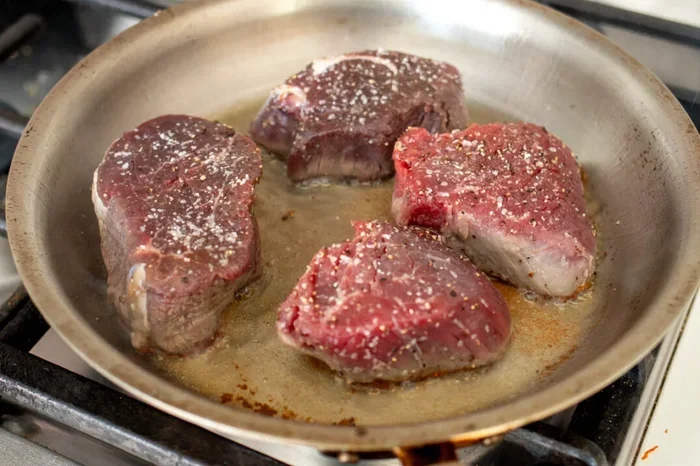
Gently place the steak in the skillet. You should hear a loud sizzle right away. If you do not, your pan is not hot enough. Let the steak cook without moving it for about three to four minutes. This allows a deep brown crust to form. Resist the urge to poke, prod, or flip too early. Trust the process. After the first side is deeply browned, flip the steak using tongs.
Step 3: Add Butter and Herbs for Basting
Once you flip the steak, add a tablespoon of butter, a few crushed garlic cloves, and fresh thyme or rosemary to the skillet. As the butter melts and begins to foam, tilt the skillet slightly and use a spoon to baste the steak repeatedly. This means scooping up the melted butter and pouring it over the steak. Basting cooks the top of the steak gently and adds incredible flavor and richness. This is the technique that separates a good steak from a great one.
Step 4: Finish in the Oven (Optional but Recommended)
If your steak is thicker than one and a half inches, transfer the skillet to a preheated oven at 400 degrees Fahrenheit. This helps cook the center evenly without burning the outside. For a medium-rare steak, cook for about four to six minutes in the oven. Use a meat thermometer to check the internal temperature. For medium-rare, aim for 130 to 135 degrees Fahrenheit. For medium, aim for 140 to 145 degrees Fahrenheit. Remember, the temperature will rise a few degrees as the steak rests.
Resting and Serving Your Steak
Resting is not optional. It is essential. When you take the steak off the heat, place it on a cutting board and let it rest for at least five to eight minutes. During this time, the juices inside the steak redistribute. If you cut into it right away, all those juices will run out onto the board, and your steak will be dry and less flavorful. Tent the steak loosely with aluminum foil to keep it warm while it rests.
After resting, slice against the grain for the most tender bite. Serve immediately with your favorite sides. A simple chimichurri, a dollop of herb butter, or just a sprinkle of flaky salt can elevate the dish even further.
Common Mistakes to Avoid
Even experienced cooks make mistakes sometimes. Here are a few to watch out for:
- Not drying the steak before cooking: Surface moisture creates steam, which prevents a good sear.
- Using a cold pan: A cold or lukewarm pan will cause the steak to stew instead of sear.
- Overcrowding the skillet: Cook one steak at a time, or at most two if your skillet is large enough. Overcrowding drops the temperature and leads to uneven cooking.
- Skipping the rest: Cutting too early releases all the juices and dries out your steak.
- Using the wrong oil: Oils with low smoke points will burn and create off-flavors. Stick with avocado oil or grapeseed oil.
Pairing Your Steak with Sides and Sauces
A great steak deserves great sides. Roasted garlic mashed potatoes are a classic pairing that never disappoints. Grilled asparagus, roasted broccoli, or a simple mixed green salad all work beautifully. For a lighter option, try sautéed spinach with a squeeze of lemon.
As for sauces, a compound butter made with softened butter, minced garlic, and fresh herbs is incredibly easy to make and adds a luxurious touch. A classic peppercorn sauce or a red wine reduction also pairs wonderfully. But honestly, a perfectly cooked beef tenderloin steak needs very little extra. A good quality flaky salt on top after resting is sometimes all it takes.
Cooking a great steak at home is one of the most rewarding things you can do in the kitchen. Once you nail this cast iron skillet method, you will never go back to ordering out. Practice makes perfect, and every steak you cook teaches you something new. So fire up your skillet, grab a good cut of beef tenderloin, and enjoy the process.
If you are also looking to stay active and balance your steak dinners with a good fitness routine, you might want to explore how to get in shape on a treadmill for a great cardio workout at home. For those living in smaller spaces, you can also check out how to have a treadmill in an apartment for practical tips on fitting fitness equipment into tight spaces.
Final Thoughts on Cooking Beef Tenderloin Steaks
Cooking beef tenderloin steaks in a cast iron skillet is one of the most satisfying things you can do in the kitchen. It is simple, fast, and produces incredible results. The key is to use high heat, dry the steak well, season generously, and give it the time it needs to rest before serving. Once you master this technique, you will cook amazing steaks every single time. So grab your cast iron skillet, pick up a beautiful cut of beef tenderloin, and get cooking. Your taste buds will thank you.
Frequently Asked Questions
Can I use a nonstick skillet instead of cast iron?
You can, but cast iron is far superior for searing steak. Nonstick pans cannot handle the high heat needed for a proper crust, and they do not provide the same even heat distribution. Cast iron also adds a small amount of iron to your food, which some people appreciate. If you only have a nonstick pan, use it on medium-high heat and be careful not to overheat it.
How long should I cook a 1.5-inch beef tenderloin steak in a skillet?
For a 1.5-inch steak, sear each side for about 3 to 4 minutes on the stovetop. Then transfer to a 400°F oven for 4 to 6 minutes for medium-rare. Total cooking time is roughly 10 to 14 minutes. Always use a meat thermometer to check the internal temperature for the best results.
What is the best oil to use for searing steak in cast iron?
Avocado oil and grapeseed oil are the best choices because they have high smoke points, typically above 400°F. This means they can handle the extreme heat of a cast iron skillet without burning or smoking. Avoid olive oil and butter for the initial sear, as they have lower smoke points and will burn easily.
Should I marinate my beef tenderloin steak before cooking?
Marinating is not necessary for beef tenderloin because it is already a tender and naturally flavorful cut. In fact, marinating can mask the natural beef flavor. A simple seasoning of salt, pepper, and garlic is all you need. If you do want to marinate, keep it to 30 minutes or less to avoid changing the texture of the meat.
How do I know when my steak is done without a meat thermometer?
You can use the finger test method. Press the center of the steak with your finger. A rare steak feels soft and squishy. Medium-rare feels springy with a slight give. Medium feels firm with some give. Well-done feels very firm. This method takes practice, so we strongly recommend using a meat thermometer for accuracy until you get comfortable with the touch test.
Can I cook frozen beef tenderloin steaks in a cast iron skillet?
Yes, but it is not recommended for best results. Frozen steaks will take much longer to cook, and the outside will overcook before the inside reaches temperature. If you must cook from frozen, use low heat first to thaw the steak gradually, then increase the heat for searing. For the best sear and even cooking, always thaw your steak in the fridge overnight before cooking.
=== CONCLUSION ===
Mastering how to cook beef tenderloin steaks in a cast iron skillet is a skill worth developing. The combination of high heat, proper seasoning, and patient resting creates a steak that is crispy on the outside and perfectly juicy on the inside. Follow the steps in this guide, avoid the common mistakes, and you will serve steak that rivals any restaurant. Keep practicing, experiment with different seasonings, and most importantly, enjoy the process. A great steak dinner is one of life’s simple pleasures, and now you know exactly how to make it happen at home.