Is Jump Rope Good Cardio for Weight Loss
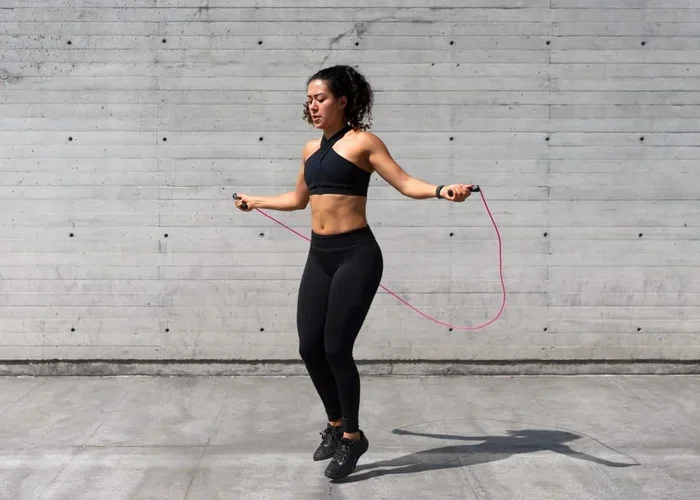
Yes, jump rope is excellent cardio for weight loss. It burns calories fast, boosts your metabolism, and works your entire body in a short time. This guide covers everything you need to know about using jump rope for weight loss, from calorie burn to the best routines.
If you are looking for a simple, affordable way to lose weight, you might have heard about jump rope cardio. But is jump rope actually good cardio for weight loss? The short answer is a strong yes. Jump rope is one of the most efficient exercises you can do. It burns a ton of calories, improves your heart health, and tones your entire body.
Whether you are a complete beginner or a fitness enthusiast, adding a skipping rope to your routine can transform your results. You do not need a gym membership. You do not need expensive equipment. All you need is a rope and a small space. In this article, we will dive deep into why jump rope is such a powerful tool for weight loss, how many calories it burns, and how to get started safely.
Many people wonder about jump rope vs running for weight loss. Both are great options. But jump rope often wins when it comes to time efficiency and joint-friendly impact. Let us explore exactly why this simple exercise has become a favorite among those who want to shed extra pounds.
Key Takeaways
- Jump rope burns serious calories: A 30-minute session can torch 300-500+ calories depending on intensity.
- It is a full body workout: Rope jumping engages your legs, core, arms, and shoulders simultaneously.
- It boosts your metabolic rate: The afterburn effect keeps burning calories long after your workout ends.
- It is time efficient: Even 15-20 minutes of jump rope cardio can deliver real weight loss results.
- It is easy on your joints: Compared to running, jump rope is lower impact when done correctly.
- Consistency matters most: Pairing jump rope with a healthy diet gives the best weight loss outcomes.
- The right technique prevents injury: Proper form and the correct rope length make all the difference.
📑 Table of Contents
- Why Jump Rope Is One of the Best Cardio Exercises for Weight Loss
- Jump Rope vs Other Cardio Exercises for Weight Loss
- How to Start Jump Rope for Weight Loss
- Common Mistakes to Avoid When Jumping Rope for Weight Loss
- Expert Tips to Maximize Weight Loss with Jump Rope
- Is Jump Rope Good Cardio for Weight Loss? The Bottom Line
Why Jump Rope Is One of the Best Cardio Exercises for Weight Loss
Jump rope cardio is not just a boxer’s warm-up trick. It is a proven method for burning fat and improving cardiovascular fitness. When you pick up a rope, you are signing up for a workout that challenges nearly every muscle group in your body.
What makes rope jumping so effective for weight management? First, it raises your heart rate quickly. Your heart pumps blood faster, which means your body uses more energy. Second, it is a full body workout. Your legs push off the ground, your core stabilizes your torso, and your arms turn the rope. That means more muscles working at once, which equals more calories burned.
Third, jump rope is incredibly time efficient. You can get a serious workout in just 15 to 20 minutes. For busy people, this is a game changer. You do not need to spend an hour on a treadmill when a short jump rope session can deliver similar or even better results.
Calorie Burn: How Many Calories Does Jump Rope Actually Burn?
The number of calories you burn depends on your weight, intensity level, and workout duration. On average, a person weighing around 155 pounds can burn approximately 300 to 400 calories in just 30 minutes of moderate jump rope exercise. At higher intensities, that number can climb to 500 or more calories in the same timeframe.
Compare that to other popular exercises like walking on a treadmill or using a stationary bike. Jump rope typically burns more calories per minute. It is one of the reasons why so many people are turning to jump rope for weight loss as their go-to exercise.
Here is a quick comparison of estimated calories burned in 30 minutes for a 155-pound person:
- Jump Rope (moderate): 300-400 calories
- Running (6 mph): 300-350 calories
- Jump Rope (high intensity): 450-500+ calories
- Cycling (moderate): 250-300 calories
- Walking (3.5 mph): 150-175 calories
As you can see, jump rope cardio holds its own against running and far exceeds lower intensity activities. The key is to maintain a consistent pace and challenge yourself over time.
The Afterburn Effect: Why Jump Rope Keeps Burning Fat
One of the biggest advantages of jump rope for weight loss is something called excess post-exercise oxygen consumption, or EPOC for short. This is often called the afterburn effect. After a intense jump rope session, your body continues to burn calories at an elevated rate for hours.
This happens because your body needs to recover. It is replenishing oxygen, repairing muscles, and returning to its resting state. All of this requires energy, which means you keep burning fat even after you stop jumping. This is especially true when you incorporate high intensity intervals into your routine.
So not only are you burning calories during your workout, but you are also boosting your metabolic rate for the rest of the day. That is a huge advantage for anyone focused on fat burning and weight loss.
Jump Rope vs Other Cardio Exercises for Weight Loss
Not all cardio exercises are created equal. Some burn more calories. Some are easier on your joints. And some are simply more convenient. Let us compare jump rope to a few other popular options.
Jump Rope vs Running for Weight Loss
Running is one of the most popular forms of cardio. It burns calories and improves heart health. But it also puts significant stress on your knees, ankles, and hips. Over time, this can lead to joint pain or injury, especially for beginners or those carrying extra weight.
Jump rope offers a similar calorie burn with less impact on your joints. Because you are jumping on the balls of your feet and your shoes absorb most of the shock, the stress on your knees is significantly reduced. This makes jump rope a better option for people who want to lose weight without risking injury.
Both exercises are excellent for cardiovascular fitness. But if you are looking for a lower impact alternative that still delivers powerful results, jump rope is the clear winner.
Jump Rope vs Rowing Machine for Weight Loss
The rowing machine is another great cardio option. It works your upper and lower body and is very low impact. However, a rowing machine takes up a lot of space and costs more money than a jump rope.
With a jump rope, you can work out anywhere. Your backyard, a park, a small apartment room. The portability and affordability of a skipping rope make it one of the most accessible tools for weight loss. If you want to compare these two options in detail, check out our guide on how good a rowing machine is for weight loss.
Jump Rope vs Exercise Bike for Weight Loss
An exercise bike is a solid choice for low impact cardio. But it primarily targets your lower body. A jump rope, on the other hand, engages your arms, shoulders, core, and legs all at once. This means you get a more complete workout in less time.
If you are interested in exploring other equipment options, you might also want to read about how good an exercise bike is for weight loss to make an informed decision.
How to Start Jump Rope for Weight Loss
Starting a jump rope routine is easy, but doing it the right way matters. Poor form can lead to sore joints or frustration. Here is a step by step guide to help you begin your journey with jump rope cardio.
Step 1: Choose the Right Rope
Not all jump ropes are the same. A rope that is too long will drag on the ground. A rope that is too short will trip you up. The right length matters a lot. Stand on the middle of the rope with one foot and pull the handles up. The handles should reach your armpits.
If you are unsure about sizing, you can read our guide on what is a good length for a jump rope. For beginners, a basic beaded rope is a great choice. It is durable, easy to control, and affordable.
Step 2: Master the Basic Bounce
Before you try fancy moves, learn the basic bounce. Keep your feet close together. Jump just a few inches off the ground. Use your wrists to turn the rope, not your arms. Keep your elbows close to your sides.
Start with 30 seconds of jumping, followed by 30 seconds of rest. Repeat for 5 minutes. As you get more comfortable, increase the duration and reduce rest periods. The goal is to build endurance training gradually.
Step 3: Build a Consistent Routine
Consistency is the secret sauce of weight loss. Aim for at least 3 to 4 jump rope sessions per week. Start with 10 to 15 minutes and work your way up to 20 to 30 minutes over several weeks.
For a structured plan, you might want to check out our article on how long you should jump rope for weight loss. It provides a detailed breakdown of workout durations for different fitness levels.
Step 4: Add Intensity Over Time
Once the basic bounce feels easy, it is time to level up. Try alternating between fast jumps and slow jumps. Add single unders, double unders, or criss cross patterns. These variations increase your exercise intensity and challenge your coordination.
You can also try interval training. Jump as fast as you can for 30 seconds, then rest for 15 seconds. Repeat for 10 rounds. This type of HIIT workout is incredibly effective for burning fat and boosting your metabolic rate.
Common Mistakes to Avoid When Jumping Rope for Weight Loss
Even though jump rope is simple, many people make mistakes that slow their progress or cause injury. Here are the most common ones to watch out for.
- Jumping too high: You only need a few inches of clearance. Jumping too high wastes energy and puts extra stress on your joints.
- Using the wrong rope length: A poorly sized rope will slow you down and cause frustration. Make sure you get the right fit.
- Ignoring your posture: Keep your back straight, your core tight, and your shoulders relaxed. Slouching leads to back pain over time.
- Skipping warm ups: Always warm up for 3 to 5 minutes before jumping. Light jogging or dynamic stretches prepare your body.
- Doing too much too soon: Jumping for an hour on day one is a recipe for sore calves and burnout. Build up gradually.
- Wearing the wrong shoes: Use cushioned athletic shoes with good arch support. Jumping barefoot or in flat shoes increases your risk of injury.
Avoiding these mistakes will keep you safe and help you get the most out of every session. Remember, exercise consistency is more important than intensity in the beginning. Build the habit first, then push harder.
Expert Tips to Maximize Weight Loss with Jump Rope
Want to get the most out of your jump rope cardio sessions? Here are some expert backed tips that can accelerate your weight loss results.
Combine Jump Rope with Strength Training
While jump rope is fantastic for burning calories, adding strength training to your routine can take your results to the next level. Strength exercises build lean muscle mass, which increases your resting metabolic rate. This means you burn more calories even when you are not working out.
Try alternating jump rope days with strength training days. For example, jump rope on Monday, Wednesday, and Friday. Do bodyweight exercises like squats, push ups, and lunges on Tuesday and Thursday. This combination is one of the most effective strategies for body composition improvement.
Pair Jump Rope with a Healthy Diet
No exercise routine can outpace a poor diet. To lose weight, you need to create a calorie deficit. This means burning more calories than you consume. Jump rope helps you burn calories, but what you eat matters just as much.
Focus on whole foods. Eat plenty of vegetables, lean proteins, and healthy fats. Reduce processed foods, sugary drinks, and excess snacking. When you combine a balanced diet with regular jump rope for weight loss workouts, the results speak for themselves.
Track Your Progress
Tracking your workouts helps you stay motivated. Use a simple notebook or a fitness app to record how long you jumped, how many rounds you completed, and how you felt. Over time, you will see your endurance improve and your cardiovascular fitness increase.
Setting small goals also keeps you accountable. Try to add one extra minute to your session each week. Or aim to reduce your rest periods by 5 seconds. These small wins add up to big results over time.
Stay Hydrated and Rest Well
Your body recovers and burns fat during rest, not during exercise. Make sure you are drinking enough water throughout the day. Aim for at least 8 glasses of water, more on intense workout days. And get 7 to 9 hours of quality sleep each night. Rest is when your muscles repair and your fitness goals become reality.
Is Jump Rope Good Cardio for Weight Loss? The Bottom Line
So, is jump rope good cardio for weight loss? Without a doubt, yes. It is one of the most efficient, accessible, and enjoyable ways to burn calories and shed unwanted fat. Whether you are a complete beginner or a seasoned athlete, a simple skipping rope can deliver incredible results.
Jump rope burns more calories per minute than many traditional cardio exercises. It works your entire body. It is easy on your joints. And it fits into even the busiest schedule. All you need is 15 to 30 minutes a few times per week, and you are well on your way to reaching your weight loss goals.
The key is consistency. Show up, do your sessions, and trust the process. Pair your workouts with a healthy diet and good sleep habits, and you will see the scale move in the right direction. Jump rope is not just a childhood playground activity. It is a serious tool for fitness and fat burning.
Start small, stay consistent, and watch your cardiovascular fitness and body composition improve with every session. Your rope is waiting. All you have to do is pick it up and start jumping.
Frequently Asked Questions
Is jump rope good cardio for weight loss for beginners?
Absolutely. Jump rope is one of the best cardio exercises for beginners who want to lose weight. You can start with just 5 to 10 minutes a day and gradually increase the duration as your fitness improves. The key is to stay consistent and focus on proper form from the start.
How many minutes of jump rope should I do to lose weight?
For effective weight loss, aim for at least 15 to 30 minutes of jump rope per session, 3 to 5 times per week. If you are a beginner, start with shorter intervals and build up over time. Consistency matters more than intensity in the early stages.
Can jumping rope reduce belly fat?
Jump rope is a full body exercise that helps burn overall body fat, including belly fat. However, spot reduction is not possible. To lose belly fat, you need to combine jump rope cardio with a healthy diet and a consistent workout routine. The fat loss will come from your entire body, including your midsection.
Is jump rope better than running for weight loss?
Both are excellent for weight loss, but jump rope often has the edge. It burns a similar number of calories as running while being easier on your joints. It is also more time efficient and portable. If you want to compare them in detail, check out our article on is running or jump rope better for weight loss.
What type of jump rope is best for weight loss?
A basic beaded rope is ideal for beginners. It is durable, easy to control, and affordable. As you progress, you can try speed ropes or weighted ropes for added intensity. For more guidance on choosing the right rope, read our article on what is the best jump rope for weight loss.
How often should I jump rope to see weight loss results?
Most people start seeing noticeable results within 4 to 6 weeks of consistent jump rope training, done 3 to 5 times per week. Combine your sessions with a balanced diet and proper rest for the best outcomes. Remember, sustainable weight loss comes from long term lifestyle changes, not quick fixes.