Is It Ok to Jump Rope While Pregnant

Jumping rope while pregnant can be safe and beneficial for many women, but it depends on your fitness level and trimester. This guide covers the health benefits, potential risks, and expert-backed tips to help you decide if jump rope exercise during pregnancy is right for you. Always consult your doctor before starting or continuing any prenatal workout routine.
Staying active during pregnancy is one of the best things you can do for your body and your baby. But when you love jump rope workouts, questions naturally arise. Is it still okay to pick up that rope when you’re expecting? The short answer is: it depends.
Many women who were regular jump rope exercisers before pregnancy wonder if they need to hang up their rope for nine months. Others are curious about starting a new prenatal exercise routine and wonder if jumping rope fits the bill. The truth is that exercise during pregnancy looks different for everyone. What works for one mom-to-be might not work for another.
This article dives deep into the safety, benefits, risks, and practical tips for jumping rope while pregnant. We’ll cover each trimester, share expert insights, and help you make an informed decision about your pregnancy fitness routine. Whether you’re a seasoned jumper or just curious, you’ll find valuable guidance here.
Key Takeaways
- Jump rope can be safe during early pregnancy: If you were already jumping rope before getting pregnant, you may continue with modifications.
- Trimester matters a lot: Most experts recommend stopping or reducing jump rope intensity as pregnancy progresses, especially in the second and third trimesters.
- Benefits include cardiovascular fitness and mood improvement: Jump rope exercise can help maintain heart health and reduce pregnancy stress.
- Watch for warning signs: Dizziness, shortness of breath, and pelvic pressure are signals to stop immediately.
- Low-impact alternatives exist: If jump rope feels too intense, consider pregnancy-safe exercises like walking, swimming, or the elliptical.
- Consult your healthcare provider first: Every pregnancy is unique, so professional medical advice is essential before continuing any prenatal fitness routine.
📑 Table of Contents
- Can You Jump Rope While Pregnant?
- Benefits of Jump Rope During Pregnancy
- Risks and Precautions to Consider
- Jump Rope Safety by Trimester
- How to Modify Jump Rope Workouts During Pregnancy
- Alternatives to Jump Rope During Pregnancy
- Expert Insights on Jump Rope and Pregnancy
- Common Mistakes Women Make When Exercising While Pregnant
- When to Absolutely Avoid Jump Rope During Pregnancy
- Key Takeaways
- Conclusion
Can You Jump Rope While Pregnant?
The short answer is yes, for many women. Jump rope exercise during pregnancy can be safe, especially in the first trimester. However, as your body changes, you may need to adjust your routine or switch to lower-impact alternatives. The key is listening to your body and staying informed.
Women who were already comfortable with jump rope workouts before conception generally have an easier time continuing. Your body is already adapted to the impact and coordination demands. But if you’re new to jumping rope, pregnancy might not be the best time to start a high-impact routine.
Why Doctors Approve Moderate Exercise During Pregnancy
The American College of Obstetricians and Gynecologists (ACOG) recommends at least 150 minutes of moderate-intensity exercise per week during pregnancy. Activities like brisk walking, swimming, and yes, even light jump rope, can fall under this category. The benefits of staying active during pregnancy are well-documented and significant.
Moderate exercise helps manage weight gain, improves sleep quality, reduces back pain, and boosts mood. It also prepares your body for labor and delivery by building endurance and strengthening your cardiovascular system. Jump rope can be a time-efficient way to hit your fitness goals while expecting.
Benefits of Jump Rope During Pregnancy
Jumping rope isn’t just a fun childhood activity. When done safely, it offers a range of health benefits that can support a healthy pregnancy. Here are some of the top advantages:
Cardiovascular Fitness
Jump rope exercise gets your heart pumping, which improves cardiovascular endurance. During pregnancy, your blood volume increases by up to 50 percent. A strong heart helps your body handle this extra demand more efficiently. Better cardiovascular fitness also means more energy throughout the day and improved stamina during labor.
Weight Management
Maintaining a healthy weight gain during pregnancy is important for both mom and baby. Jump rope is a high-calorie-burning exercise that can help you stay within recommended weight gain ranges. A 155-pound woman can burn roughly 300 calories in just 30 minutes of moderate jump rope sessions. This makes it one of the most efficient pregnancy workout options available.
Mood and Mental Health
Pregnancy hormones can take a toll on your mental health. Exercise releases endorphins, which are natural mood boosters. Many women find that a jump rope session helps reduce stress, anxiety, and even symptoms of prenatal depression. It’s a quick way to feel energized and positive, even on tough days.
Coordination and Balance
Jumping rope requires coordination, timing, and balance. During pregnancy, your center of gravity shifts, which can throw off your equilibrium. Light jump rope practice can help you maintain and even improve your coordination. This translates to better overall body awareness as your belly grows.
Risks and Precautions to Consider
While jump rope can be beneficial, it’s not without risks during pregnancy. Understanding these risks helps you make safer choices and avoid complications.
Impact on Joints and Pelvic Floor
During pregnancy, your body produces a hormone called relaxin, which loosens your ligaments and joints. This is great for preparing your body for childbirth, but it also makes your joints more vulnerable to strain. Jump rope is a high-impact activity that puts stress on your knees, ankles, and hips. The repetitive bouncing can also put pressure on your pelvic floor muscles, which already bear extra weight during pregnancy.
Balance Challenges
As your pregnancy progresses, your growing belly shifts your center of gravity. This makes falls more likely. Jumping rope requires quick movements and precise footwork. The risk of tripping or losing balance increases, especially in the second and third trimesters.
Overheating and Dehydration
Pregnant women are more prone to overheating. Jump rope is an intense cardio exercise that raises your core body temperature quickly. If you jump rope in a warm room or outdoors on a hot day, you risk overheating, which can be dangerous for your baby. Always stay hydrated and exercise in a cool environment.
Warning Signs to Stop Immediately
Pay close attention to your body. Stop jumping rope and contact your healthcare provider if you experience any of the following:
- Dizziness or lightheadedness
- Shortness of breath that doesn’t resolve with rest
- Pelvic pressure or pain
- Vaginal bleeding or fluid leakage
- Chest pain or palpitations
- Headaches or vision changes
- Calf pain or swelling
- Decreased fetal movement
Jump Rope Safety by Trimester
Your pregnancy journey changes dramatically across three trimesters. What feels comfortable in month three might feel very different by month eight. Here’s how to approach jump rope exercise during each stage.
First Trimester (Weeks 1-12)
The first trimester is often the easiest time to continue jump rope workouts if you were already doing them. Many women can maintain their pre-pregnancy routine with minor adjustments. Keep sessions moderate, stay hydrated, and avoid overheating. This is also the time when your body is adjusting to hormonal changes, so listen closely to how you feel.
Second Trimester (Weeks 13-26)
During the second trimester, your body undergoes significant changes. Your balance shifts, your joints loosen, and your energy levels may fluctuate. Some women find they can still jump rope lightly during this period, while others need to reduce intensity or stop altogether. Consider switching to low-impact jump rope techniques, such as side-to-side hops or single-leg steps, to reduce joint stress.
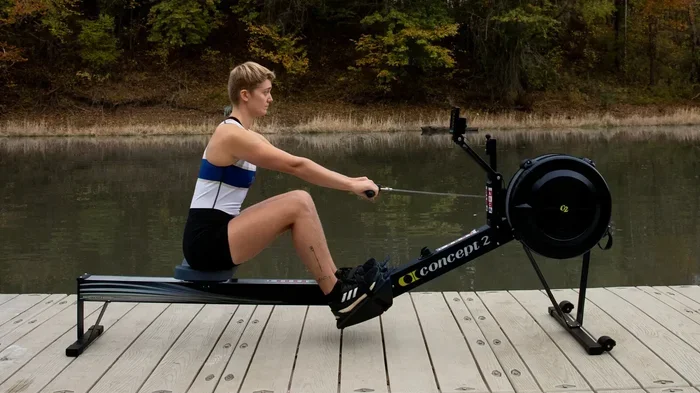
If you’re unsure, compare jump rope to other pregnancy-safe cardio options. Using an elliptical machine or a rowing machine can provide similar cardiovascular benefits with less impact on your joints. Many women find these alternatives more comfortable as their belly grows.
Third Trimester (Weeks 27-40)
The third trimester is generally when most experts recommend stopping high-impact exercises like jump rope. Your body is carrying significant extra weight, your balance is compromised, and your joints are at their loosest. The risk of falling or injuring yourself increases substantially during this stage.
Instead, focus on gentle prenatal exercises like walking, swimming, prenatal yoga, or using a stationary bike. These activities keep you active without putting excessive strain on your body. Staying consistent with light exercise during the third trimester can also improve your postpartum recovery timeline.
How to Modify Jump Rope Workouts During Pregnancy
If you decide to continue jumping rope while pregnant, modifications are essential. Here are practical tips to make your pregnancy workout safer and more comfortable.
Reduce Intensity and Duration
Shorten your sessions to 10-15 minutes instead of your usual 30 minutes. Lower the intensity by jumping at a slower pace. Focus on consistency rather than pushing your limits. A moderate jump rope session that leaves you able to hold a conversation is ideal.
Choose the Right Surface
Jump on a soft, shock-absorbing surface like a rubber mat or wooden floor. Avoid concrete or asphalt, which transmit more impact to your joints. A good jump rope surface makes a big difference in reducing stress on your knees and ankles.
Wear Proper Footwear
Invest in supportive athletic shoes with good cushioning and ankle support. Your feet may swell during pregnancy, so make sure your shoes fit comfortably. Proper footwear reduces the risk of ankle sprains and joint pain.
Use a Weighted Jump Rope With Caution
Some women enjoy using a weighted jump rope for added resistance. However, during pregnancy, the extra weight can strain your shoulders and wrists. If you want to use a weighted rope, opt for a lighter version and keep sessions short. Always prioritize comfort over intensity.
Stay Hydrated and Cool
Drink water before, during, and after your jump rope session. Exercise in a well-ventilated room or outdoors in mild weather. Avoid jumping rope during the hottest part of the day. If you feel too warm, take a break immediately.
Alternatives to Jump Rope During Pregnancy
If jump rope feels too intense or your doctor advises against it, plenty of excellent alternatives exist. These pregnancy-safe exercises offer similar cardiovascular benefits with lower impact.
- Walking: One of the safest and most accessible exercises during pregnancy. A brisk 30-minute walk provides great cardio without joint stress.
- Swimming: The buoyancy of water supports your weight and relieves pressure on your joints. Swimming is often recommended as one of the best pregnancy workouts.
- Elliptical Machine: If you enjoy cardio machines, the elliptical offers a smooth, low-impact motion that mimics running without the jarring impact. Many women continue using the elliptical throughout their pregnancy.
- Stationary Cycling: A stationary bike provides a good cardio workout while keeping you stable and supported. Avoid outdoor cycling, which carries a higher fall risk.
- Prenatal Yoga: Yoga improves flexibility, strength, and relaxation. It’s excellent for managing pregnancy discomforts and preparing your body for labor.
- Strength Training: Light resistance exercises with bands or light weights can maintain muscle tone and strength during pregnancy. Focus on proper form and avoid heavy lifting.
Many of these alternatives also appear in our guides on safe exercise during pregnancy, including our articles on using the rowing machine while pregnant and doing the elliptical while pregnant. These resources can help you build a well-rounded prenatal fitness routine.
Expert Insights on Jump Rope and Pregnancy
We spoke with prenatal fitness experts to get their perspective on jump rope exercise during pregnancy. Here’s what they had to say.
Dr. Sarah Mitchell, OB-GYN: “I encourage my patients to stay active as long as they feel comfortable. Jump rope is fine in early pregnancy for women who were already doing it. But I always tell them to be honest with their bodies. If something feels off, stop and reach out to me.”
Lisa Chen, Certified Prenatal Trainer: “The key with any exercise during pregnancy is modification. You don’t have to quit everything you love, but you do need to adjust. For jump rope, that means shorter sessions, lower impact, and more attention to balance. I also recommend pairing jump rope with pelvic floor exercises to support your body through the changes.”
Most experts agree that moderate exercise during pregnancy benefits both mother and baby. The American College of Obstetricians and Gynecologists supports staying active throughout pregnancy, provided there are no medical contraindications. Always get clearance from your healthcare provider before continuing or starting any exercise program.
Common Mistakes Women Make When Exercising While Pregnant
Avoid these common pitfalls when incorporating jump rope or any exercise into your pregnancy routine:
- Ignoring your body’s signals: Pushing through pain, dizziness, or extreme fatigue is dangerous during pregnancy. Rest when you need to.
- Skipping warm-ups: Cold muscles and joints are more prone to injury, especially when pregnancy hormones make your ligaments loose. Always warm up for at least five minutes before jumping.
- Overtraining: Pregnancy is not the time to set personal records. Keep your workouts moderate and sustainable.
- Neglecting hydration: Dehydration during pregnancy can lead to contractions and other complications. Sip water regularly throughout your workout.
- Exercising alone in risky environments: If you’re jumping rope, make sure you’re in a safe space with no obstacles. Avoid areas where a fall could cause injury.
- Comparing yourself to pre-pregnancy fitness levels: Your body is doing something incredible. Celebrate what it can do now rather than mourning what it used to do.
When to Absolutely Avoid Jump Rope During Pregnancy
There are certain situations where jump rope exercise is not recommended during pregnancy. Always consult your doctor if you have any of the following conditions:
- Placenta previa
- Cervical insufficiency
- Multiple pregnancies (twins, triplets, etc.)
- History of preterm labor
- Preeclampsia or pregnancy-induced hypertension
- Severe anemia
- Any pregnancy complications that require bed rest or reduced activity
Even without these conditions, certain pregnancies are classified as high-risk. In these cases, your healthcare provider may recommend complete rest or only very light activities. Never assume that exercise is safe without professional guidance.
Key Takeaways
- Jump rope can be safe during early pregnancy: If you were already jumping rope before getting pregnant, you may continue with modifications.
- Trimester matters a lot: Most experts recommend stopping or reducing jump rope intensity as pregnancy progresses, especially in the second and third trimesters.
- Benefits include cardiovascular fitness and mood improvement: Jump rope exercise can help maintain heart health and reduce pregnancy stress.
- Watch for warning signs: Dizziness, shortness of breath, and pelvic pressure are signals to stop immediately.
- Low-impact alternatives exist: If jump rope feels too intense, consider pregnancy-safe exercises like walking, swimming, or the elliptical.
- Consult your healthcare provider first: Every pregnancy is unique, so professional medical advice is essential before continuing any prenatal fitness routine.
Conclusion
Is it ok to jump rope while pregnant? For many women, the answer is yes, at least during the early stages of pregnancy. Jump rope exercise offers real benefits including improved cardiovascular health, better mood, and effective weight management. However, safety must always come first. As your pregnancy progresses, be prepared to modify your routine, reduce intensity, or transition to lower-impact alternatives.
The most important step you can take is to have an honest conversation with your healthcare provider. They know your medical history and can give you personalized advice on what’s safe for you and your baby. Trust their guidance, listen to your body, and remember that staying active during pregnancy is about health and well-being, not perfection.
Whether you continue jumping rope, switch to the elliptical, or try a completely different form of exercise, the goal remains the same: a healthy, strong, and happy pregnancy. Keep moving, stay informed, and enjoy this incredible journey.
FAQs
Can I start jump rope if I wasn’t doing it before pregnancy?
If you weren’t jumping rope before getting pregnant, it’s generally not the best time to start a high-impact routine. Your body is undergoing significant changes, and starting something new adds unnecessary risk. Instead, focus on low-impact prenatal exercises like walking or swimming. Always check with your doctor before starting any new exercise program during pregnancy.
How long can I safely jump rope while pregnant?
Keep sessions short and manageable, ideally 10 to 15 minutes for most women. The duration should decrease as your pregnancy progresses. In the first trimester, you may tolerate slightly longer sessions if you feel comfortable. In the second and third trimesters, shorter and gentler sessions are recommended. Always prioritize how you feel over a specific time goal.
Is jump rope safe in the third trimester?
Most healthcare providers recommend stopping high-impact exercises like jump rope in the third trimester. Your balance is compromised, your joints are loose, and the risk of falling increases significantly. Switch to gentler pregnancy-safe exercises such as walking, swimming, or prenatal yoga. Your body will thank you for the extra care during this stage.
Can jump rope cause miscarriage?
There is no scientific evidence that moderate jump rope exercise causes miscarriage in a healthy pregnancy. However, high-impact activities can increase the risk of falling or injury, which could be harmful. If you have a high-risk pregnancy or specific medical concerns, consult your healthcare provider before continuing any vigorous exercise.
What type of jump rope is best for pregnancy?
A lightweight, basic jump rope is usually the best choice during pregnancy. Avoid weighted ropes that put extra strain on your shoulders and wrists. A beaded or cable rope with good rotation can make jumping easier and more comfortable. Choose a rope length that suits your height and adjust as needed throughout your pregnancy.
How does jump rope compare to other cardio exercises during pregnancy?
Jump rope is a high-impact, high-intensity exercise that burns calories efficiently but puts more stress on your joints than low-impact alternatives. Compared to walking, swimming, or using an elliptical machine, jump rope carries a higher risk of joint strain and balance issues during pregnancy. Many women find that switching to lower-impact cardio options in the second and third trimesters provides similar benefits with greater safety and comfort.