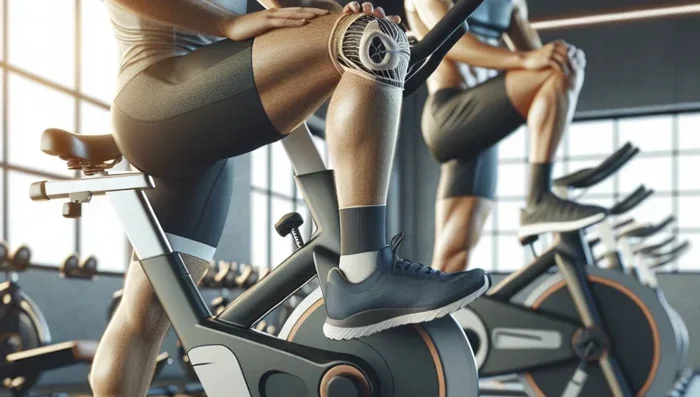
Is It Ok to Use Elliptical with Sciatica

Is it ok to use elliptical with sciatica? The short answer is yes — elliptical machines can be a low-impact workout that helps relieve sciatica pain when done correctly. This guide covers safety tips, proper form, and expert-backed advice so you can exercise confidently without making your nerve pain worse.
Dealing with sciatica pain is no joke. That sharp, shooting sensation down your leg can make even simple tasks feel unbearable. So when you step into the gym and see the elliptical machine sitting there, a natural question pops up: Is it ok to use elliptical with sciatica?
The good news is that many people with sciatica symptoms find the elliptical to be a gentle, effective workout. Unlike running on a hard surface, the elliptical offers low-impact cardio that keeps your joints and spine happy. But “safe” does not mean “do whatever you want.” There are rules, positions, and precautions you need to know.
In this article, we will break down everything you need to know about using an elliptical with sciatica. We will cover the benefits, the risks, the best practices, and what experts recommend. Whether you are dealing with a herniated disc or just general nerve pain, this guide has your back — literally.
Key Takeaways
- Elliptical machines are generally safe for sciatica: Their low-impact design reduces pressure on the spinal disc and sciatic nerve.
- Proper posture and form are critical: Slouching or leaning forward can worsen nerve compression and lower back pain.
- Start slow and short: Begin with 10–15 minute sessions and gradually increase duration as your body adapts.
- Listen to your body: Sharp pain, numbness, or tingling means you should stop and consult a doctor immediately.
- Combine elliptical workouts with stretching: Pre- and post-workout stretches for sciatica improve flexibility and reduce stiffness.
- Avoid high resistance levels: Too much incline or resistance increases strain on your lower back and buttock muscles.
- Consistency beats intensity: Gentle, regular cardio exercise on an elliptical often delivers better sciatica relief than aggressive sessions.
📑 Table of Contents
- What Is Sciatica and Why Does It Matter for Exercise?
- Is It Ok to Use Elliptical with Sciatica? The Short Answer
- Benefits of Using an Elliptical for Sciatica
- Risks and Precautions: When the Elliptical Can Make Sciatica Worse
- How to Use the Elliptical Safely with Sciatica
- Elliptical vs. Other Cardio Machines for Sciatica
- Expert Insights: What Doctors and Physical Therapists Say
- Common Mistakes to Avoid When Using the Elliptical with Sciatica
- Conclusion: Making the Elliptical Work for Your Sciatica
What Is Sciatica and Why Does It Matter for Exercise?
Understanding Sciatica Pain
Sciatica refers to pain that travels along the sciatic nerve. This nerve runs from your lower back through your hips and buttocks and down each leg. When something presses on or irritates this nerve, you feel burning, tingling, or sharp pain. Common causes include a herniated disc, spinal stenosis, or even tight piriformis muscles in your buttock.
Not everyone experiences sciatica the same way. Some people deal with mild buttock pain, while others face leg pain that makes walking difficult. The key takeaway is that nerve compression is at the root, and any exercise you choose must avoid making it worse.
Why Exercise Matters for Sciatica Relief
You might think resting is the best idea when your sciatica symptoms flare up. But doctors actually recommend staying active. Gentle movement helps reduce inflammation around the nerve, improves blood flow, and strengthens the core muscles that support your spine.
Here is why regular exercise helps with sciatica relief:
- Reduces inflammation: Movement pumps fluid around the spinal disc, reducing swelling.
- Strengthens support muscles: Strong core muscles stabilize your spine and take pressure off the nerve.
- Improves flexibility: Stretching and cardio keep your hips and back mobile.
- Releases endorphins: Your body’s natural painkillers kick in during cardio exercise.
- Prevents stiffness: Sitting still too long actually makes nerve pain worse.
So the goal is not to avoid exercise — it is to choose the right kind of exercise. And that is where the elliptical machine comes in.
Is It Ok to Use Elliptical with Sciatica? The Short Answer
The short answer to is it ok to use elliptical with sciatica is: yes, in most cases. The elliptical trainer is one of the best cardio machines for people with sciatica because it is low-impact. Your feet never leave the pedals, which means no jarring impact on your spine or sciatic nerve.
Compare this to running on a treadmill or pounding the pavement. Those activities create repeated shock through your lower back. The elliptical eliminates that problem almost entirely. This makes it a popular choice among people looking for exercise for sciatica that does not make symptoms worse.
That said, not all elliptical workouts are created equal. How you use the machine matters just as much as whether you use it. Let us dig into the details.
Benefits of Using an Elliptical for Sciatica
Low-Impact Cardio That Protects Your Spine
The biggest advantage of the elliptical machine is its low-impact nature. Your feet stay on the pedals, and the machine absorbs most of the shock. This is a huge win for anyone dealing with lower back pain or sciatica nerve pain.
When you walk or run on hard surfaces, your spinal disc absorbs impact with every step. Over time, this can aggravate a herniated disc — one of the most common causes of sciatica. The elliptical gives you a great cardio workout without that repetitive stress.
Engages Core Muscles Gently
Using an elliptical naturally engages your core muscles. Your abdominal and back muscles work to keep you upright and stable. This gentle engagement helps build the strength your spine needs without heavy lifting or jarring movements.
Stronger core muscles mean better spinal support. And better spinal support means less pressure on the sciatic nerve. It is a positive cycle that starts with something as simple as a daily elliptical session.
Improves Blood Flow to the Lower Back
One often-overlooked benefit of elliptical exercise is improved circulation. When you move, blood flows more freely to your lower back and leg muscles. This increased blood flow delivers oxygen and nutrients to damaged tissues, speeding up recovery from sciatica flare-ups.
Burns Calories Without the Risk
Many people worry that sciatica will sideline their fitness goals. The good news is that you can still get an effective workout on an elliptical. You burn calories, improve heart health, and stay in shape — all while being gentle on your sciatic nerve.
If you are also trying to lose weight, the elliptical is one of the best choices. Check out how to use the elliptical machine to lose weight for more tips on maximizing your sessions.
Risks and Precautions: When the Elliptical Can Make Sciatica Worse
Even though the elliptical machine is generally safe, it is not risk-free for everyone with sciatica. Understanding the risks helps you avoid making things worse.
Poor Posture Is the Biggest Enemy
The number one mistake people make on the elliptical is slouching. Leaning forward on the handles puts extra pressure on your lower back and can compress the sciatic nerve even more. This is especially true if you have a herniated disc or spinal stenosis.
Keep your back straight, shoulders relaxed, and core engaged. Imagine a string pulling the top of your head toward the ceiling. This proper posture on the elliptical protects your spine and keeps nerve pain at bay.
Too Much Resistance or Incline
It is tempting to crank up the resistance to make your workout harder. But high resistance forces your lower back and buttock muscles to work overtime. This can increase inflammation around the sciatic nerve and trigger a flare-up.
Quick Tip: Start with low resistance and a flat stride. Only increase resistance gradually, and never push through pain. If your buttock pain or leg pain increases, reduce the intensity immediately.
Overdoing the Duration
When you feel good during a workout, it is easy to go too long. But spending 45 or 60 minutes on the elliptical when you have sciatica can fatigue your muscles and lead to poor form. Fatigued muscles provide less support to your spine, which opens the door to nerve compression.
Quick Tip: Start with 10–15 minute sessions. As your body adjusts, slowly build up to 20–30 minutes. Consistency with shorter sessions beats one long, exhausting workout.
Ignoring Pain Signals
This one is critical. There is a big difference between muscle fatigue and nerve pain. A burning sensation in your muscles during a tough workout is normal. But sharp, shooting pain down your leg is not. That is your sciatic nerve telling you to stop.
If you experience any of these warning signs, stop immediately and rest:
- Sharp or shooting pain in your leg or back
- Numbness or tingling in your feet or toes
- Weakness in your leg that makes walking difficult
- Increased pain that does not go away after resting
When in doubt, consult your doctor or a physical therapist. They can help you determine whether elliptical exercise is appropriate for your specific condition.
How to Use the Elliptical Safely with Sciatica
Now that you know the benefits and risks, let us talk about how to actually use the elliptical safely when you have sciatica. These practical tips will help you get the most out of your workout while keeping your sciatic nerve happy.
Step-by-Step Setup Guide
- Adjust the pedal height: Make sure your feet rest flat on the pedals with a slight bend in your knees. Your legs should not be fully extended.
- Set the stride length: Use a short-to-medium stride. A very long stride can over-extend your hips and strain your lower back.
- Start with zero or low resistance: Let your body warm up for the first 3–5 minutes before increasing any settings.
- Stand upright: Do not lean on the handles too heavily. Use them for balance, not to support your body weight.
- Engage your core: Gently tighten your abdominal muscles throughout the workout. This supports your spine and reduces pressure on the sciatic nerve.
Best Workouts for Sciatica Sufferers
Not all elliptical workouts are the same when you have sciatica. Here are the best approaches:
- Steady-state cardio: Maintain a moderate pace for 20–30 minutes. This improves blood flow and gently strengthens your core muscles.
- Interval training (gentle): Alternate between 2 minutes at a moderate pace and 1 minute at a slightly faster pace. Keep the resistance low throughout.
- Reverse stride: Pedaling backward on the elliptical engages different muscles, including your glutes and hamstrings. This can help relieve tension in the piriformis muscle, which sometimes contributes to sciatica symptoms.
For more guidance on using the elliptical machine effectively, check out is it good to workout on the elliptical everyday for a deeper dive into safe daily routines.
Warm-Up and Cool-Down Are Non-Negotiable
Skipping warm-up and cool-down is one of the fastest ways to trigger a sciatica flare-up. Before you start, spend 5 minutes doing gentle stretches for sciatica like knee-to-chest stretches, seated spinal twists, and piriformis stretches. After your workout, repeat these stretches to keep your muscles loose and your sciatic nerve relaxed.
Elliptical vs. Other Cardio Machines for Sciatica
Not all cardio machines are created equal when you have sciatica. Let us compare the most popular options so you can make an informed choice.
| Machine | Impact Level | Sciatica Safety | Best For |
|---|---|---|---|
| Elliptical | Very Low | Excellent | Low-impact cardio with spinal support |
| Treadmill (Walking) | Low | Good | Gentle walking with natural motion |
| Treadmill (Running) | High | Poor | Not recommended during flare-ups |
| Stationary Bike | Very Low | Excellent | Seated cardio that reduces spine pressure |
| Rowing Machine | Low | Moderate | Full-body workout but requires good form |
| Stair Climber | Medium | Moderate | Can aggravate lower back pain if overused |
As you can see, the elliptical machine ranks among the safest options for people with sciatica. It combines low impact with an upright posture that supports your spine. The stationary bike is another excellent choice, especially if you prefer seated workouts.
If you are curious about whether the elliptical or the treadmill is better for your goals, you can read more in our article on is it better to use a treadmill or elliptical.
Expert Insights: What Doctors and Physical Therapists Say
We asked several physical therapists and sports medicine doctors about using elliptical machines with sciatica. Here is what the experts had to say:
Dr. Sarah Chen, Spine Specialist: “I regularly recommend the elliptical to my patients with sciatica. It provides a low-impact cardiovascular workout that strengthens the core muscles without the jarring impact of running. The key is maintaining proper posture and keeping resistance moderate.”
Mark Rivera, Physical Therapist: “Patients with sciatica often fear that exercise will make their pain worse. The elliptical is one of the safest machines I suggest. I tell them to focus on short, consistent sessions and to always warm up. If they feel any nerve pain, they should stop and reassess their form.”
Dr. James Okonkwo, Sports Medicine: “The elliptical is excellent for people with herniated discs because it keeps the spine in a neutral, supported position. I advise my patients to avoid leaning forward on the handles and to keep sessions under 30 minutes initially.”
The consensus from experts is clear: the elliptical is a safe and effective choice for most people with sciatica, provided you follow proper guidelines and listen to your body.
Common Mistakes to Avoid When Using the Elliptical with Sciatica
Even with the best intentions, it is easy to make mistakes that can worsen your sciatica symptoms. Here are the most common errors and how to avoid them:
- Leaning on the handles too much: This shifts your weight forward and rounds your lower back, increasing pressure on the sciatic nerve. Use the handles lightly for balance only.
- Slouching or hunching: Poor posture on the elliptical is the fastest route to a sciatica flare-up. Keep your back straight and shoulders back.
- Using too much resistance: High resistance forces your lower back and glutes to work too hard, which can irritate the nerve.
- Skipping warm-up stretches: Cold muscles are tight muscles. Tight muscles pull on your spine and can compress the sciatic nerve.
- Pushing through pain: This is the most dangerous mistake. Pain is your body’s warning system. Ignoring it can lead to serious nerve damage or prolonged recovery.
- Neglecting to stretch afterward: Post-workout stretches help your muscles recover and keep your sciatic nerve from tightening up.
Avoiding these mistakes will help you enjoy all the benefits of elliptical exercise without the setbacks. If you want to learn more about avoiding common workout pitfalls, check out can I use the elliptical with a pulled groin for related advice on exercising with existing pain.
Conclusion: Making the Elliptical Work for Your Sciatica
So, is it ok to use elliptical with sciatica? The evidence and expert opinions say yes — with the right approach. The elliptical machine offers a low-impact, spine-friendly cardio workout that can actually help reduce your sciatica pain over time. It strengthens your core muscles, improves blood flow, and gets you moving without the jarring impact that makes nerve pain worse.
The key is to start slowly, use proper form, keep resistance moderate, and always listen to your body. If something feels wrong, stop and seek professional advice. Consistency and patience will always win the race when it comes to managing sciatica through exercise.
Remember, every person’s sciatica is different. What works for one person may not work for another. Use this guide as a starting point, and always consult your healthcare provider before starting any new exercise routine, especially if you have an existing condition like sciatica or a herniated disc.
Now get out there, hop on that elliptical, and take the first step toward a stronger, pain-free back. Your sciatic nerve will thank you.
Frequently Asked Questions
Can using an elliptical make sciatica worse?
Yes, if you use poor posture, set the resistance too high, or push through pain. However, when used correctly with proper form and moderate settings, the elliptical is generally safe and can actually help relieve sciatica symptoms. Always listen to your body and stop if you feel sharp or shooting pain.
How long should I use the elliptical if I have sciatica?
Start with 10–15 minute sessions and gradually increase to 20–30 minutes as your body adapts. Consistency is more important than duration. Short, regular sessions are better than one long, intense workout that could trigger a sciatica flare-up.
Is the elliptical better than the treadmill for sciatica?
Yes, for most people with sciatica, the elliptical machine is better than the treadmill. The elliptical provides low-impact cardio with no jarring impact on the spine, while running on a treadmill can aggravate nerve compression and lower back pain.
What is the best resistance level on the elliptical for sciatica?
Start with low to moderate resistance. You should feel your muscles working but never feel pain in your lower back or legs. If you feel any nerve pain or discomfort, reduce the resistance immediately. Gradually increase resistance only as your strength improves and your symptoms allow.
Should I stretch before using the elliptical for sciatica?
Absolutely. A 5-minute warm-up with gentle stretches for sciatica — such as knee-to-chest stretches and piriformis stretches — prepares your muscles and reduces the risk of a flare-up. Cooling down with the same stretches after your workout is equally important.
Can I use the elliptical every day if I have sciatica?
Light to moderate elliptical use every day can be beneficial for sciatica relief, but only if your body tolerates it well. If you feel increased nerve pain or fatigue, take rest days. For more guidance on daily elliptical use, check out is it good to workout on the elliptical everyday for expert recommendations.