Can You Do Hill Repeats on a Treadmill
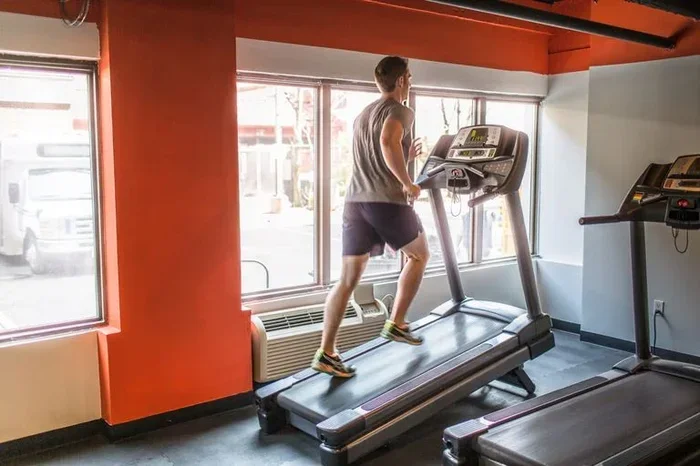
Yes, you can absolutely do hill repeats on a treadmill. This powerful treadmill workout builds leg strength, boosts cardiovascular fitness, and improves your running performance without needing outdoor hills. Whether you are training for a race or just want a challenging cardio workout, treadmill hill repeats deliver serious results.
Can you do hill repeats on a treadmill? The short answer is yes. Hill repeats on a treadmill are one of the most effective ways to build strength, boost endurance, and take your running to the next level. You do not need a mountain or even a hill outside. All you need is a treadmill with an incline feature and the willingness to push yourself.
If you have been stuck in a rut with flat treadmill runs, adding hill repeats can completely change your routine. This type of treadmill workout targets muscles that flat running often ignores. It also mimics the challenge of outdoor running hills without the impact of concrete or uneven terrain. Whether you are training for your next race or just want a tougher cardio workout, treadmill hill repeats are worth your time.
Many runners avoid incline training because they think it is too hard or complicated. But here is the truth. Hill repeats are simple, scalable, and incredibly effective. You can start with gentle slopes and work your way up to steep climbs. The treadmill gives you full control over every variable. That makes it one of the best tools for hill training at any fitness level.
Key Takeaways
- Hill repeats on a treadmill are doable: You can simulate outdoor hill climbing by adjusting your treadmill incline.
- They build serious leg strength: The incline forces your muscles to work harder, especially your glutes and calves.
- Treadmill hill repeats improve endurance: Regular practice boosts your cardiovascular fitness and running stamina.
- You control every variable: Incline, speed, and recovery time are all adjustable to match your fitness level.
- They are joint-friendly: Treadmill running reduces impact compared to outdoor hill running on hard surfaces.
- Proper form matters: Keeping good posture and a natural stride prevents injury during hill repeat sessions.
- Start slow and progress: Beginners should begin with lower inclines and shorter intervals before advancing.
📑 Table of Contents
What Are Hill Repeats on a Treadmill?
Hill repeats are a type of interval training where you alternate between periods of intense effort and recovery. On a treadmill, you simply raise the incline to simulate a hill. You run hard up the “hill” for a set time or distance, then recover at a lower incline or flat surface. You repeat this cycle several times.
This method of incline training is popular among runners who want to improve their strength and speed. Unlike flat running, which mostly targets your calves and shins, hill repeats engage your glutes, hamstrings, and hip flexors more intensely. The result is a more balanced and powerful stride.
How Do Treadmill Hill Repeats Work?
On a treadmill, you set the incline to a percentage that mimics a real hill. A 4 to 6 percent incline feels like a gentle slope. An 8 to 12 percent incline feels steep and challenging. You then run at a pace that feels difficult but sustainable for the work interval. After each effort, you drop the incline back to 1 or 2 percent to recover.
The beauty of treadmill hill repeats is the consistency. Outdoors, hills vary in steepness and surface. On a treadmill, the gradient stays the same throughout. This lets you focus on your effort and form without worrying about uneven ground or traffic.
Benefits of Doing Hill Repeats on a Treadmill
Adding hill repeats to your workout routine brings a wide range of benefits. Here is why so many runners swear by this training method.
Builds Leg Strength and Power
Running on an incline forces your muscles to push harder against gravity. Your glutes, quads, and calves work much more than they do on flat ground. Over time, this builds raw leg strength that translates directly to better running performance. You will notice that flat runs feel easier because your muscles are stronger.
Improves Cardiovascular Fitness
Hill repeats push your heart rate up quickly. The sustained effort during each interval trains your cardiovascular system to deliver oxygen more efficiently. This is why many coaches use incline training as a key part of endurance training programs. Your stamina will improve, and you will be able to run longer without getting tired.
Burns More Calories
Running at an incline burns significantly more calories than flat running. Your body has to work harder to lift your weight against gravity. If your fitness goals include fat loss, hill repeats are a fantastic addition to your routine. They turn a standard treadmill session into a high-intensity calorie burner.
Improves Running Form
When you run uphill, your body naturally adjusts its stride. You lean slightly forward, drive your knees higher, and push off more powerfully with your toes. These adjustments reinforce good running form that carries over to flat and downhill running. Better form means less risk of injury and more efficiency.
Simulates Race Conditions
If you are training for a race with elevation changes, treadmill hill repeats are a great way to prepare. They help your body adapt to the demands of climbing. Many runners who do hill training on a treadmill find that outdoor hills feel more manageable on race day.
How to Do Hill Repeats on a Treadmill
Getting started with hill repeats on a treadmill is straightforward. Follow these steps to design a safe and effective session.
Step 1: Warm Up First
Never jump straight into hill repeats. Start with a 5 to 10 minute warm-up at a flat or slightly inclined pace. This gets your blood flowing and prepares your muscles for the work ahead. A proper warm-up reduces the risk of strains and pulls.
Step 2: Set Your Incline
For beginners, start with a 4 to 5 percent incline. More advanced runners can go up to 8 to 12 percent. The incline should feel challenging but allow you to maintain a controlled stride. If you are struggling to keep your footing, lower the incline slightly.
Step 3: Choose Your Work and Recovery Intervals
Here is a simple framework to follow:
- Work interval: Run hard at your target incline for 30 to 60 seconds.
- Recovery interval: Drop the incline to 1 to 2 percent and jog or walk for 60 to 90 seconds.
- Repetitions: Start with 6 to 8 repeats and build up to 12 or more over time.
You can also use distance-based intervals. For example, run 400 meters at a high incline, then recover for the same distance. This approach works well if you prefer measuring effort by distance rather than time.
Step 4: Cool Down and Stretch
After your last repeat, reduce the incline and jog slowly for 5 minutes. Then spend another 5 to 10 minutes stretching your legs, hips, and lower back. Cooling down helps your muscles recover and reduces soreness the next day.
Common Mistakes to Avoid
Even though hill repeats are effective, they are easy to do wrong. Here are some common mistakes and how to avoid them.
Leaning Too Far Forward
When the incline gets steep, many runners lean forward at the waist. This puts unnecessary strain on your lower back and reduces your efficiency. Keep your torso upright and your shoulders back. Let your legs do the work, not your upper body.
Gripping the Handrails
Some runners grab the handrails when the incline increases. This changes your natural stride and takes your core out of the equation. It also reduces the effectiveness of the workout. Keep your hands on the side rails or swing them naturally at your sides.
Starting Too Intense
Hill repeats are tough. It is tempting to go all out from the first rep. But starting too fast or with too steep an incline leads to burnout and poor form. Begin conservatively and increase the intensity as your body adapts.
Skipping Recovery
The recovery phase is just as important as the work phase. If you do not give your body enough time to rest between repeats, your form will break down. You will also increase your risk of injury. Respect the recovery intervals and use them to catch your breath.
Hill Repeats vs. Other Treadmill Workouts
How do treadmill hill repeats compare to other popular treadmill workouts? Let us look at the key differences.
| Workout Type | Primary Focus | Difficulty Level | Best For |
|---|---|---|---|
| Hill Repeats | Strength and power | High | Runners building leg strength and endurance |
| Tempo Runs | Speed and stamina | Moderate | Runners improving lactate threshold |
| Long Slow Distance | Endurance | Low to Moderate | Beginners and aerobic base building |
| Interval Sprints | Speed and calorie burn | High | Advanced runners and fat loss |
Each type of workout has its place in a well-rounded training plan. If you want to build raw strength and power, hill repeats are hard to beat. If your goal is purely speed training, tempo runs or sprint intervals might be a better fit. Many runners combine hill repeats with other workouts throughout the week for balanced results.
For comparison, a tempo run on a treadmill focuses on maintaining a steady, challenging pace at a flat incline. It does not provide the same strength benefits as hill work. Similarly, if you have ever wondered whether you can do a virtual run or a conqueror challenge on a treadmill, those formats focus more on distance and motivation than on the specific strength benefits of incline training. Each has its value, but hill repeats are uniquely effective for building power.
Tips for Getting the Most Out of Treadmill Hill Repeats
Ready to add hill repeats to your routine? Here are some tips to help you succeed.
- Wear proper running shoes: Good footwear supports your feet and ankles during high-incline running.
- Focus on posture: Keep your head up, shoulders relaxed, and core engaged throughout each interval.
- Use the side rails for safety: If you feel unsteady, quickly grab the side rails. Do not hold onto the front console during active running.
- Progress gradually: Increase incline or repeat count by no more than 10 percent per week.
- Stay hydrated: Incline running causes more sweating. Keep water nearby and sip between intervals.
- Listen to your body: If you feel pain (not just discomfort), stop and rest. Pushing through pain leads to injury.
One of the best things about treadmill hill repeats is that you can tailor them to your current fitness level. A beginner might do 4 repeats at 4 percent incline. An advanced runner might do 12 repeats at 10 percent incline. The key is consistency. Aim to include hill repeats in your running routine once or twice a week, and you will see improvements in strength, speed, and endurance.
If you are also interested in weight loss, hill repeats are a powerful tool. The high effort level drives up your heart rate and burns a significant number of calories. Combined with a balanced diet, treadmill hill repeats can help you shed unwanted weight while building the leg strength needed for better running. Many runners who add incline training to their regimen notice results faster than with flat running alone.
It is also worth noting that treadmill running offers a controlled environment that outdoor running cannot always match. Weather, traffic, and uneven surfaces are non-issues on a treadmill. This makes it easier to focus on your workout routine and get the most out of every session. If you are curious about other treadmill training methods, you might want to explore whether you can train for a marathon on a treadmill or try a beep test on a treadmill to measure your fitness progress.
Conclusion
Hill repeats on a treadmill are a fantastic way to level up your training. They build leg strength, improve cardiovascular fitness, burn calories, and enhance your running performance. Best of all, they are simple to do and easy to customize to your fitness level. Whether you are a beginner or a seasoned runner, adding treadmill hill repeats to your routine will bring real results.
Start with a manageable incline and a few repeats. Focus on good form and proper recovery. Gradually increase the difficulty as your body adapts. Within a few weeks, you will feel stronger, more confident, and more capable on both the treadmill and the road. So crank up that incline, lace up your shoes, and give hill repeats a try. Your legs will thank you.
Frequently Asked Questions
Can beginners do hill repeats on a treadmill?
Yes, beginners can do hill repeats on a treadmill. Start with a low incline of 4 to 5 percent and do 4 to 6 repeats. Focus on maintaining good form rather than speed. As your fitness improves, you can increase the incline and the number of repeats.
How often should I do treadmill hill repeats?
Once or twice a week is ideal for most runners. Hill repeats are intense, so your body needs time to recover between sessions. Doing them too frequently can lead to overuse injuries. Pair them with easier workouts on off days for balanced training.
What incline should I use for treadmill hill repeats?
Beginners should start at 4 to 6 percent incline. Intermediate runners can use 6 to 8 percent. Advanced runners may go up to 10 to 12 percent. The incline should feel challenging but allow you to maintain a controlled, natural stride throughout each repeat.
Are treadmill hill repeats better than outdoor hill running?
Both have benefits. Treadmill hill repeats offer a controlled environment with consistent incline, making them safer and easier to track. Outdoor hill running adds wind resistance and uneven terrain, which builds additional stabilization strength. Using both methods together gives you the best of both worlds.
Can treadmill hill repeats help me lose weight?
Yes, treadmill hill repeats are excellent for weight loss. The incline increases calorie burn significantly compared to flat running. Combined with a healthy diet and consistent routine, hill repeats can help you create the calorie deficit needed to lose weight effectively.
How long should a treadmill hill repeat session last?
A typical session lasts 25 to 40 minutes including warm-up and cool-down. The work intervals usually last 30 to 60 seconds each. If you are new to hill repeats, keep the total session shorter and gradually extend it as your fitness improves.