Is Dumbbell Bench Press the Same as Barbell
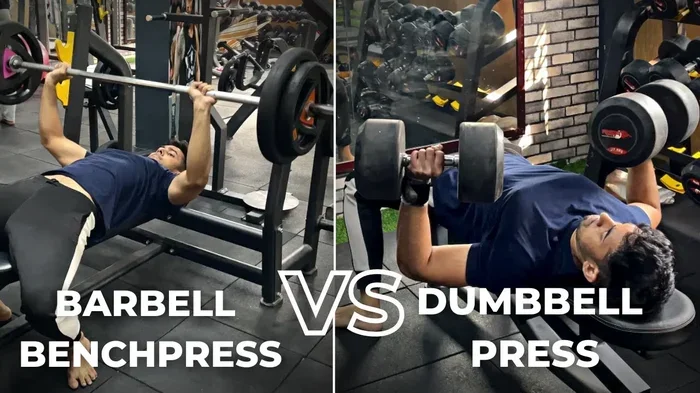
Is dumbbell bench press the same as barbell? No, they are two different bench press variations, but both are fantastic for building a strong upper body. The dumbbell bench press gives you a wider range of motion and better muscle activation, while the barbell bench press lets you push heavier weights and build raw pressing power.
Key Takeaways
- Different exercises: Dumbbell and barbell bench presses are not the same movement. Each targets the chest muscles in slightly different ways.
- Range of motion: The dumbbell bench press offers a deeper stretch and more shoulder freedom, making it better for muscle building.
- Load capacity: The barbell bench press allows you to lift heavier weights, making it ideal for raw strength gains.
- Muscle activation: Dumbbells recruit more stabilizer muscles, while barbells focus more on the prime movers like the pectorals and triceps.
- Both have value: Adding both to your routine can give you the best of both worlds for chest development and strength.
- Form matters: Poor form on either exercise increases injury risk, especially in the shoulders.
- Choose based on goals: Pick the variation that matches your fitness goals, experience level, and any physical limitations.
📑 Table of Contents
What Is the Dumbbell Bench Press?
The dumbbell bench press is a classic chest exercise where you lie flat on a bench and press two dumbbells upward. It is one of the most popular free weight exercises in any strength training routine. You hold a dumbbell in each hand and push them toward the ceiling until your arms are fully extended.
This movement is a compound movement, meaning it works multiple muscle groups at once. Your chest muscles (the pectorals) do the heavy lifting. Your triceps and shoulders also chip in to help you press the weight up. The beauty of this exercise is that it gives your joints more freedom to move naturally.
Why Lifters Love the Dumbbell Bench Press
There are several reasons why this exercise has earned its place in almost every gym routine:
- Natural movement path: Your arms can move at their own angle, which feels more comfortable for most people.
- Greater range of motion: You can lower the dumbbells deeper, giving your chest a better stretch.
- Easy to learn: Beginners often pick up this movement faster than the barbell version.
- Scalable weight: You can start light and increase gradually as you get stronger.
Many lifters also use the dumbbell fly as a companion exercise to further isolate the chest. Together, these movements create a powerful chest workout that builds both size and strength.
What Is the Barbell Bench Press?
The barbell bench press is the king of upper body exercises. You lie on a flat bench and press a loaded barbell upward from the rack. It is the go-to exercise for measuring raw upper body strength in the gym. Almost every serious lifter tracks their barbell bench press numbers over time.
Like the dumbbell version, this is a compound movement. Your pectoral muscles, triceps, and anterior deltoids (front of the shoulders) all work together to press the weight. But the fixed bar path changes how the muscles work together. Your hands stay locked in one position on the bar, which means the movement is more stable but less natural.
Why the Barbell Bench Press Stands Out
- Heavier loads: You can add a lot of weight to the bar, which builds serious pressing power.
- Progressive overload: Adding small plates each week makes it easy to track and improve your strength.
- Stability: The bar stays in a fixed line, reducing the need for balance and stabilization.
- Benchmark exercise: Your bench press number is often seen as a measure of overall upper body strength.
If you are wondering about proper hand placement, check out this helpful guide on where to place hands on barbell for bench press to get the most out of this lift.
Dumbbell vs Barbell Bench Press: Key Differences
So, is dumbbell bench press the same as barbell? Not exactly. While both exercises target the same muscle groups, the way they do it is quite different. Let us break down the key differences so you can understand what each one brings to the table.
Movement and Range of Motion
The dumbbell bench press allows your arms to move freely. You can lower the weights past your chest, creating a deep stretch that hits the chest muscles harder. The barbell version limits how far you can lower the bar because the bar will hit your chest if you go too deep. This means a slightly shorter range of motion overall.
Muscle Activation
Dumbbells require more muscle activation from stabilizer muscles. Your shoulders and upper back have to work harder to keep the weights balanced. The barbell, on the other hand, lets the prime movers (chest, triceps, and front shoulders) handle most of the work since the bar is stable.
Weight Loaded
This is the biggest difference. You can typically bench press about 5-10% more weight with a barbell than with dumbbells. This is because the barbell uses a fixed path and both hands share the load evenly. With dumbbells, each arm must stabilize its own weight, which limits how much total weight you can lift.
If you want to know exactly how much more you can lift, read this detailed comparison on how much more can you barbell bench than dumbbell.
Comparison Table: Dumbbell vs Barbell Bench Press
| Feature | Dumbbell Bench Press | Barbell Bench Press |
|---|---|---|
| Range of Motion | Wider, deeper stretch | Slightly limited |
| Weight Capacity | Lower total load | Higher total load |
| Stabilizer Work | More activation | Less activation |
| Shoulder Stress | More natural, less risky | Higher with heavy loads |
| Best For | Muscle building | Raw strength |
| Ease of Learning | Beginner-friendly | Requires more practice |
Benefits and Best Uses of Each
Benefits of the Dumbbell Bench Press
The dumbbell bench press shines when your goal is building muscle and improving overall shoulder health. Here is why it deserves a spot in your workout:
- Better for hypertrophy: The deeper stretch and greater range of motion lead to more muscle damage, which drives growth.
- Joint-friendly: The natural movement path puts less stress on your shoulder joints compared to heavy barbell pressing.
- Fixes imbalances: Each arm works independently, so one side cannot compensate for the other.
- Versatile: You can easily change the angle (incline, decline, flat) without switching equipment.
For those looking at angled variations, you might want to explore which is better incline dumbbell press or barbell press to decide the best approach for your upper chest.
Benefits of the Barbell Bench Press
The barbell bench press is unmatched for building raw pressing strength. Here is what makes it special:
- Heavy loading: You can add massive amounts of weight to build serious power.
- Easy progressive overload: Adding 2.5 to 5 pounds each week is simple and effective.
- Central nervous system training: Heavy barbell pressing teaches your body to recruit more muscle fibers.
- Measurable progress: Your one-rep max is a clear benchmark you can track over time.
If you are torn between doing both, check out this guide on should I do both dumbbell and barbell bench press for practical advice on combining them.
Quick Tips for Choosing the Right One
- Goal is muscle size? Go with dumbbells first in your workout.
- Goal is max strength? Start with the barbell bench press.
- New to lifting? Master the dumbbell version before moving to heavy barbell work.
- Shoulder pain? Dumbbells are generally easier on the joints.
- Limited equipment? A barbell bench press station can serve multiple purposes.
Which One Is Better for You?
There is no single best answer here. The right choice depends on your goals, experience, and body. Let us walk through different scenarios so you can decide.
Choose Dumbbells If:
- You want to build bigger pectoral development and overall muscle mass.
- You are a beginner who needs a safer, more natural movement pattern.
- You have had shoulder injuries or want to protect your joints.
- You want to work on fixing strength imbalances between your left and right sides.
Choose Barbells If:
- Your primary goal is getting stronger and increasing your one-rep max.
- You are an intermediate or advanced lifter who can handle heavy loads safely.
- You want to track clear, measurable progress week by week.
- You are training for sports or activities that require explosive pressing power.
Choose Both If:
Honestly, the best approach for most people is to use both. You can do dumbbell bench press earlier in your workout to target the muscles with a full range of motion. Then finish with barbell bench press to build raw strength on the compound lift. This combination gives you the benefits of both worlds. For more on this approach, see our article on is it better to do dumbbell bench or barbell.
Common Mistakes to Avoid
No matter which variation you choose, poor form can lead to injuries and poor results. Here are the most common mistakes lifters make:
Mistake 1: Flaring Elbows Too Wide
Many people bring their elbows out to the sides on the way down. This puts a lot of stress on the shoulder joint. Instead, keep your elbows at about a 45-degree angle from your body. This protects your shoulders and keeps the tension on your chest.
Mistake 2: Bouncing the Bar Off the Chest
Some lifters use momentum by letting the bar bounce off their chest. This is dangerous and defeats the purpose of the exercise. Control the weight through the full range of motion every single rep.
Mistake 3: Not Using a Spotter
When lifting heavy on the barbell bench press, always have someone nearby to help if you fail a rep. Getting pinned under a loaded barbell is no joke. Use safety pins or a rack if you are training alone.
Mistake 4: Ignoring the Eccentric Phase
The lowering portion of the lift (the eccentric phase) is just as important as the pressing part. Lower the weight slowly and under control. This builds more muscle and makes you stronger over time.
Mistake 5: Lifting Your Feet Off the Floor
Your feet should stay flat on the floor the entire time. Lifting them off reduces your stability and takes away the leg drive that helps you press heavier weights. A strong base is essential for weight lifting safety.
Expert Tips for Getting the Most Out of Your Bench Press
Want to take your bench press to the next level? Here are some proven strategies from experienced lifters and coaches:
Warm Up Properly Before Every Session
Never jump straight into heavy sets. Start with light dumbbell presses to get your shoulders ready. Then do a few warm-up sets with an empty barbell. Gradually add weight until you reach your working sets. This simple routine can prevent injuries and improve your performance.
Focus on the Mind-Muscle Connection
Do not just push the weight up. Think about squeezing your chest muscles through the entire movement. Research shows that focusing on the target muscles improves muscle activation and leads to better gains. This is especially important with dumbbell bench press work.
Vary Your Angles
Your chest is a fan-shaped muscle. To develop it fully, you need to hit it from different angles. Add incline and decline variations to your routine. Even a slight change in bench angle can make a big difference in your chest workout results.
Train Both Push and Pull
Building strong upper body strength is not just about pressing. You also need to balance your pushing exercises with pulling movements like rows. A strong back supports healthier shoulders and improves your bench press numbers over time.
Rest Enough Between Sets
For heavy compound lifts like the barbell bench press, rest 2 to 3 minutes between sets. For lighter dumbbell work, 60 to 90 seconds is usually enough. Proper rest lets your muscles recover so you can perform at your best on every rep.
Be Patient With Your Progress
Building a powerful bench press takes time. Do not expect to hit a new one-rep max every week. Focus on consistent training, proper nutrition, and quality sleep. The results will come if you put in the work.
Conclusion
So, is dumbbell bench press the same as barbell? Now you know the answer. They are two different exercises that share the same goal: building a stronger, bigger chest. The dumbbell bench press gives you more freedom of motion and is easier on your joints. The barbell bench press lets you lift heavier and build raw pressing strength.
Both are valuable tools in your strength training arsenal. The best approach for most lifters is to include both in their routine. Use dumbbells for muscle building and joint health. Use the barbell for raw strength and progressive overload. Together, they create a balanced chest workout that delivers real results.
Start with the variation that fits your current goals and fitness level. Focus on good form. Be consistent. And remember, every rep you do is one step closer to a stronger upper body. Now get to the gym and make it happen.
Frequently Asked Questions
Is it better to do dumbbell or barbell bench press?
It depends on your goals. If you want to build muscle size, the dumbbell bench press is slightly better because of its longer range of motion. If you want to get stronger and lift heavier weights, the barbell bench press is the better choice. Many lifters do both for the best results.
Can you build the same chest muscle with dumbbells and barbells?
Yes, both exercises target the same primary muscles, mainly the pectorals, triceps, and front shoulders. However, dumbbells tend to activate more stabilizer muscles and provide a deeper chest stretch, while barbells allow for heavier loading on the prime movers.
Why can you lift more weight with a barbell than dumbbells?
A barbell lets both hands share the load along a fixed path, which is more efficient. Your body does not need to waste energy stabilizing each weight separately. This allows you to lift more total weight on the barbell compared to dumbbells.
Is the dumbbell bench press safer for beginners?
Generally, yes. The dumbbell bench press has a more natural movement path and is more forgiving on the shoulders. Beginners can learn proper form with lighter dumbbells before moving to heavier barbell work. Using a barbell bench press with heavy weight requires more experience and technique.
Should I replace barbell bench press with dumbbell bench press?
No, it is not necessary to replace one with the other. Each offers unique benefits. The barbell bench press is essential for building maximum strength, while the dumbbell version is excellent for muscle growth and shoulder health. Using both together gives you a more complete training program.
How often should I train the bench press each week?
Training the bench press 1 to 2 times per week is usually enough for most people. Make sure you have at least 48 to 72 hours of rest between sessions for proper recovery. Pairing it with a solid chest workout plan and good nutrition will help you see consistent progress.