How Much Does a Standard Olympic Barbell Weigh
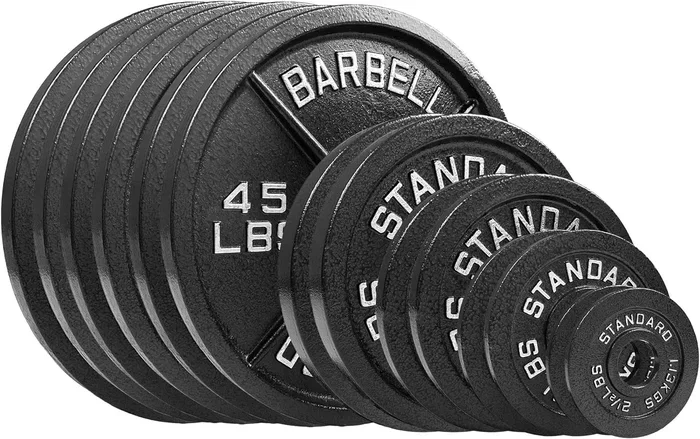
A standard Olympic barbell weighs 20 kilograms (44 pounds) and measures 2.2 meters in length. This barbell is the gold standard for Olympic weightlifting, powerlifting, and general strength training. Understanding its weight, dimensions, and specifications helps you train smarter and track your progress accurately.
If you have ever walked into a gym and stared at a barbell wondering, “How much does a standard Olympic barbell weigh?” you are not alone. This is one of the most common questions beginners ask. The answer shapes how you plan your workouts, track your lifts, and compare your strength over time.
A standard Olympic barbell weighs 20 kilograms, which is about 44 pounds. This is the unloaded weight of the bar itself before you add any plates. But there is more to know than just the number. The bar’s diameter, length, whip, and sleeve rotation all matter for your training. Let us break it all down so you can walk into any gym or order the right equipment with confidence.
Key Takeaways
- Standard Weight: A standard Olympic barbell weighs 20 kg or 44 lbs unloaded.
- Key Dimensions: It measures 2.2 meters long with a 28-29mm shaft diameter.
- Whip and Sleeve Rotation: Olympic barbells feature sleeve rotation and controlled whip for Olympic lifts.
- Capacity Matters: Most Olympic barbells support 1,000 to 1,500 pounds of total weight.
- Differences Exist: Men’s and women’s Olympic barbells differ in weight, length, and diameter.
- Know Your Bar: Always check the barbell weight at the gym before loading plates for accurate tracking.
📑 Table of Contents
- What Is a Standard Olympic Barbell?
- Olympic Barbell vs Standard Barbell: What Is the Difference?
- How Much Does the Olympic Barbell Weigh in Different Units?
- What Affects Olympic Barbell Weight and Performance?
- How to Choose the Right Olympic Barbell
- Common Mistakes People Make With Barbell Weight
- Quick Tips for Tracking Barbell Weight
- Final Thoughts
What Is a Standard Olympic Barbell?
The Olympic barbell is a specific type of weightlifting bar designed for competitive and recreational Olympic weightlifting. It differs from standard barbells in several important ways. The 20 kg barbell is the universal standard used in international competitions and most commercial gyms.
Here are the key features that define a standard Olympic barbell:
- Weight: 20 kg (44 lbs) for the men’s version.
- Length: 2.2 meters (about 7.2 feet).
- Shaft Diameter: 28 to 29 mm.
- Sleeve Diameter: 50 mm.
- Sleeve Length: 16 inches per side.
- Knurling: Center knurling for grip and control.
- Tensile Strength: Typically 190,000 to 210,000 PSI.
These specs are not random. They are carefully engineered to meet international weightlifting standards. Every detail serves a purpose in performance, safety, and consistency across competitions and gyms.
Why the 20 kg Standard Matters
The 20 kg standard exists so lifters worldwide train and compete on the same equipment. When you know your bar weighs exactly 20 kg, you can accurately calculate your total lift weight. This matters for personal records, programming, and comparing your strength with others. Without a standard weight, tracking progress would be a mess.
Olympic Barbell vs Standard Barbell: What Is the Difference?
Many people confuse Olympic barbells with standard barbells. They look similar but serve different purposes. The standard 1 inch barbell is lighter and thinner, while the Olympic barbell is heavier and built for serious lifting.
Here is a quick comparison:
- Olympic Barbell: 20 kg, 28-29mm shaft, 50mm sleeves, designed for Olympic lifts like snatches and cleans.
- Standard Barbell: Typically 10-15 kg, 25mm shaft, 1-inch sleeves, used for general fitness and beginner workouts.
The Olympic barbell also features sleeve rotation, which allows the plates to spin freely. This reduces wrist torque during explosive movements. A standard barbell usually lacks this feature. If you are serious about weightlifting or powerlifting, the Olympic barbell is the right choice.
You might also encounter the women’s Olympic barbell, which weighs 15 kg (33 lbs) and has a thinner shaft of 25 mm. This is designed for smaller hands and lighter loading. Knowing these differences helps you choose the right equipment for your body and goals.
How Much Does the Olympic Barbell Weigh in Different Units?
Weight can be confusing because different countries use different units. Here is how the standard Olympic barbell weight breaks down:
- Kilograms: 20 kg
- Pounds: 44 lbs
- Ounces: 704 oz
- Grams: 20,000 g
Most gyms in the United States label weights in pounds, so knowing that the bar itself is 44 lbs helps you calculate your total lift. For example, if you load 135 lbs on each side, your total is 135 + 135 + 44 = 314 lbs. Simple math once you know the bar weight.
For those who prefer metric, knowing the barbell weight in kg is essential. Most international competitions and European gyms use kilograms exclusively. The 20 kg standard makes programming and tracking seamless across borders.
What Affects Olympic Barbell Weight and Performance?
Not all Olympic barbells are exactly the same. Several factors influence the weight and performance characteristics of a barbell. Understanding these helps you choose the right bar for your needs.
Tensile Strength
Tensile strength measures how much force the bar can handle before breaking. A high-quality Olympic barbell has a tensile strength of 190,000 PSI or higher. This means it can handle heavy loads without permanently bending or snapping. Budget bars may have lower tensile strength, which affects durability and safety.
Sleeve Rotation and Knurling
The sleeves are the parts of the bar where you load weight plates. On an Olympic barbell, the sleeves rotate freely to reduce stress on your wrists during fast movements. The knurling, which is the textured pattern on the shaft, gives you a secure grip. Center knurling helps prevent the bar from sliding on your back during squats.
Bar Whip
Bar whip refers to how much the bar bends under load. Olympic barbells are designed with a specific whip profile that aids in dynamic lifts like the clean and jerk. Too much whip makes the bar unstable. Too little whip makes it stiff and less responsive. The right balance depends on your lifting style and training goals.
How to Choose the Right Olympic Barbell
Choosing the right barbell depends on your experience level, training goals, and budget. Here are some practical tips to guide your decision.
Consider Your Lifting Style
Are you focused on Olympic weightlifting, powerlifting, or general strength training? Each style benefits from a slightly different barbell. Olympic lifters need bars with aggressive knurling and good sleeve rotation. Powerlifters prefer stiffer bars with less whip. General lifters can use a versatile bar that balances both features.
Check the Barbell Weight Capacity
Every barbell has a maximum weight capacity. Most standard Olympic barbells can hold between 1,000 and 1,500 pounds. This includes the bar weight plus all the plates. Always check the manufacturer’s specifications before loading heavy weights. Exceeding the capacity can damage the bar or cause injury.
Budget vs Quality
A quality Olympic barbell is an investment. Budget bars under $200 may warp or lose sleeve rotation over time. Mid-range bars between $300 and $500 offer excellent performance for home gyms. Competition-grade bars cost $500 and up but deliver the precision and durability needed for serious lifting. If you are unsure, start with a mid-range bar and upgrade later.
Common Mistakes People Make With Barbell Weight
Even experienced lifters sometimes make mistakes when it comes to barbell weight. Here are a few to avoid.
- Forgetting the Bar Weight: Always add the bar weight to your plates. Forgetting the 44 lbs leads to inaccurate totals.
- Using the Wrong Bar: A standard 1-inch barbell weighs less than an Olympic barbell. Mixing them up skews your numbers.
- Ignoring Barbell Wear: Over time, bars can bend or wear down. This affects the actual weight and performance. Inspect your bar regularly.
- Assuming All Gym Bars Are the Same: Different gyms use different bars. The weight can vary slightly. Always verify if you are tracking precise numbers.
If you want to double-check the weight of the barbell at your gym, you can ask the staff or look for a label on the equipment. Many commercial gyms list bar specifications near the weight rack. Knowing the exact weight helps you program your workouts accurately.
Quick Tips for Tracking Barbell Weight
Here are some quick tips to make tracking barbell weight effortless:
- Write Down the Bar Weight: Keep a note in your training log with the exact weight of your barbell.
- Use a Scale: If you train at home, weigh the bar on a bathroom scale before loading plates.
- Check Manufacturer Specs: When buying a barbell, the weight is always listed in the product details.
- Factor in Collars: Weight plate collars add 1 to 5 lbs total. Include them in your calculations for precision.
- Train at the Same Gym: Using the same gym and barbell ensures consistent tracking over time.
These small habits make a big difference over months and years of training. Accurate tracking leads to better programming and faster progress.
Final Thoughts
The standard Olympic barbell weighs 20 kg or 44 lbs, and that number is the foundation of every calculation you make in the weight room. From choosing the right equipment to tracking your personal records, knowing the bar weight is essential. Whether you are a beginner just starting out or an experienced lifter chasing a new PR, this knowledge never stops being useful.
Remember that barbells come in different shapes, sizes, and weights. The Olympic barbell is the most widely used and recognized standard worldwide. Understanding its specifications gives you an edge in training, competition, and equipment selection. Next time you step up to the bar, you will know exactly what you are lifting and why it matters.
Take this information, apply it to your next workout, and watch your training become more precise and effective. The standard Olympic barbell is a powerful tool, and knowing its weight is the first step to using it like a pro.
Frequently Asked Questions
How much does a standard Olympic barbell weigh in pounds?
A standard Olympic barbell weighs 44 pounds unloaded. This is the weight of the bar itself before you add any weight plates. It is equivalent to 20 kilograms, which is the international standard for Olympic weightlifting bars.
Is a standard Olympic barbell the same as a regular barbell?
No, they are different. A standard Olympic barbell weighs 20 kg and has a 28-29mm shaft with rotating sleeves. A regular standard barbell is typically lighter, around 10-15 lbs, and uses a 1-inch diameter sleeve. Olympic barbells are built for competitive weightlifting and heavy training.
What is the weight capacity of a standard Olympic barbell?
Most standard Olympic barbells can hold between 1,000 and 1,500 pounds of total weight. This includes the bar weight plus all loaded plates. Always check the manufacturer’s specifications to confirm the exact capacity of your specific barbell model.
Do Olympic barbells weigh the same for men and women?
No, they differ. The men’s Olympic barbell weighs 20 kg (44 lbs), while the women’s Olympic barbell weighs 15 kg (33 lbs). The women’s bar also has a thinner shaft diameter of 25 mm for better grip with smaller hands.
Why does the barbell weight matter for tracking lifts?
The barbell weight matters because it is part of your total lift weight. If you forget to include the 44 lbs of the bar, your recorded numbers will be inaccurate. This affects your progress tracking, programming, and ability to compare lifts over time or with other lifters.
Can I use an Olympic barbell at home for general strength training?
Absolutely. Olympic barbells are versatile and work great for home gyms. They handle squats, deadlifts, presses, and rows effectively. Just make sure you have compatible weight plates with 2-inch holes and enough floor space for the 7.2-foot length of the bar.