How to Make Your Yoga Mat Less Slippery
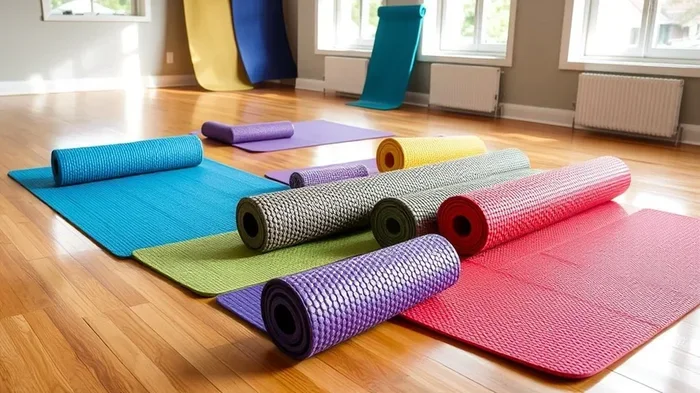
Learn how to make your yoga mat less slippery with simple, effective methods. This guide covers DIY grip sprays, cleaning tricks, and natural solutions to stop slipping during your practice.
Finding out how to make your yoga mat less slippery can transform your entire practice. A sticky mat gives you confidence, prevents injuries, and lets you focus on your breath. When your hands and feet slide around, you waste energy and get frustrated. This guide gives you simple, proven methods that work right away. You will learn DIY sprays, cleaning hacks, and smart habits to keep your mat grippy for years.
Slipping on a yoga mat is a common problem, especially if you sweat a lot or practice hot yoga. The good news is that you do not need expensive products. Many solutions use items already in your kitchen. I will walk you through each step in plain language. By the end, you will know exactly how to fix a slippery mat and how to stop it from happening again.
If you have a brand new mat, check out How To Make A New Yoga Mat Less Slippery for targeted tips on breaking it in. For a complete prevention plan, you can also read How To Stop Your Yoga Mat From Being Slippery. Those guides pair perfectly with the methods below.
Let us start with the science behind a slippery mat. Understanding why your mat loses grip helps you choose the right fix. Dirt, oils, and moisture build up on the surface over time. Even a new mat can feel slick because of factory residues. The goal is to create texture and traction without damaging the material.
Key Takeaways
- Use a grip spray or towel trick to instantly improve traction.
- Clean your mat regularly with natural ingredients like baking soda and essential oils.
- Choose the right yoga mat for your sweat level and practice style.
- Prevent slipping on carpet with a non-slip base or towel underneath.
- Maintain your mat’s grip with proper storage and drying.
- Replace your mat when it loses texture to avoid injuries.
📑 Table of Contents
Why Your Yoga Mat Becomes Slippery
The Science Behind Slipping
Yoga mat surfaces are designed to be slightly tacky. When you use them, body oils and sweat mix with dust and dirt. This film acts like a lubricant. Your hands and feet glide instead of gripping. The same thing happens when you use a mat on a smooth floor. The mat slides underneath you, making everything unstable.
Different materials react differently. PVC mats often feel slippery when new. Rubber mats can become slick if they are not cleaned properly. TPE mats tend to hold moisture longer. Knowing your mat type helps you pick the best solution.
Common Culprits
- Sweat buildup: Salt and oils from your skin coat the mat.
- Dirt and dust: Outdoor particles create a slippery layer.
- Residue from cleaners: Harsh chemicals leave a slick film.
- Worn-out texture: Over time, the surface becomes smooth.
- Wrong mat type: Some mats simply lack grip for heavy sweaters.
To stop hands from slipping, you need to address both the mat and your skin. A good grip starts with a clean surface.
How To Make Your Yoga Mat Less Slippery With Household Items
The Towel Trick
The simplest way to add instant grip is to use a towel. You can place a thin hand towel over the top of your mat. The fabric creates friction that keeps your hands and feet from sliding. This works great for hot yoga or anyone who sweats heavily.
You can also dampen the towel slightly. A little moisture helps the towel cling to the mat. Just make sure the towel is not soaking wet, or it will bunch up. This method is perfect if you do not want to make a spray.
Grip-Enhancing Sprays
A DIY grip spray is one of the most effective tools. You can make one with water and a few drops of essential oil. Lavender or tea tree oil adds a pleasant scent and natural stickiness. Spray it lightly on your mat before you start.
Another option is to mix water with a small amount of salt. The salt crystals create micro-texture on the surface. Let it dry completely before you unroll the mat. This trick works well on rubber and TPE mats. It is cheap, fast, and very effective.
Quick Tips
- Always spray your mat lightly. Too much moisture makes it worse.
- Let the mat dry completely before rolling it up.
- Test any spray on a small corner first to ensure it does not damage the material.
DIY Yoga Mat Cleaner Recipes
Keeping your mat clean is the best long-term way to maintain grip. A dirty mat loses its texture fast. Here are three easy recipes you can make at home.
| Recipe | Ingredients | How To Use |
|---|---|---|
| Baking Soda Spray | 1 cup water, 1 tablespoon baking soda | Shake well, spray on mat, wipe with a damp cloth. |
| Essential Oil Cleaner | 1 cup water, 10 drops tea tree oil, 5 drops lavender | Mix in a spray bottle, mist lightly, air dry. |
| Vinegar Solution | 1 cup water, 1/4 cup white vinegar | Spray, let sit for 2 minutes, wipe off with a towel. |
Each cleaner removes oil and odor without leaving a sticky residue. The baking soda solution is especially good for deep cleaning. It neutralizes acids from sweat and lifts dirt. The essential oil blend adds a light grip and a calming scent.
If you want a more thorough cleaning, you can also read How To Clean A Yoga Mat With Baking Soda for extra details. For a refreshing mist, try How To Make Yoga Mat Spray With Essential Oils.
Preventing Slipping During Hot Yoga
Hot yoga amplifies every slipping problem. The heat melts the oils on your skin and turns them into a slick layer. You need a different strategy for this intense practice.
Towel Placement
Place a yoga towel over your mat before class. Choose a towel with rubber dots on the bottom. These dots grip the mat, so the towel does not slide around either. You can also dampen the towel slightly to boost traction.
Foot Positioning
Focus on pressing your feet into the mat with your full weight. Spread your toes wide to increase the contact area. When you transition between poses, move your feet deliberately. Avoid quick, sliding steps. Slow, controlled movements keep you stable.
For more advice on keeping your hands steady, check out How To Keep Hands From Slipping On Yoga Mat. That guide covers hand placement and grip techniques in depth.
Maintaining Your Mat’s Grip Over Time
Cleaning Routine
Make a habit of wiping your mat after every session. A quick wipe with a damp cloth removes sweat and oils before they build up. Once a week, do a deeper clean with one of the recipes above. Let the mat dry completely in the air before you roll it up.
Storage Tips
- Never store a damp mat in a closed bag. Moisture breeds bacteria and breaks down the material.
- Roll your mat with the top side facing out to preserve the texture.
- Keep the mat in a cool, dry place away from direct sunlight.
- Use a mat bag with ventilation holes for airflow.
Proper storage extends the life of your mat and keeps the grip consistent. A well-maintained mat feels almost sticky, even after months of use.
Common Mistakes That Cause Slipping
- Using too much cleaner: Residue creates a slippery film.
- Skipping the wipe-down: Oils accumulate fast and ruin traction.
- Rolling the mat up wet: This traps moisture and encourages mold.
- Ignoring the floor surface: A slippery floor makes the mat slide too.
Expert Insight
“Grip is not just about the mat. It is about the whole system: your skin, the mat surface, and the floor. If one part is slippery, the whole practice suffers.” – Yoga instructor, 15 years of experience.
When to Replace Your Yoga Mat
Signs of Wear
Even with the best care, mats eventually lose their grip. Look for these warning signs:
- The surface feels smooth and shiny in spots.
- You slip more often even after cleaning.
- The mat has permanent stains or odors that will not come out.
- The edges are peeling or curling.
If you notice these issues, it is time for a new mat. A worn-out mat can cause injuries because you cannot hold poses securely.
Choosing a New Mat
When buying a new mat, look for words like slip-resistant and high-traction. Mats with closed-cell surfaces are easier to clean and less likely to absorb sweat. If you are a heavy sweater, choose a mat with a textured top layer. Brands often list the intended use, such as hot yoga or gentle stretching.
To learn more about mat thickness and grip, you can visit How Thick Does A Yoga Mat Need To Be. That guide helps you balance cushioning with stability.
Key Takeaways
- Clean your mat after every use to remove oil and sweat buildup.
- Use DIY grip sprays like baking soda or essential oil mixtures for instant traction.
- The towel trick is the fastest way to stop slipping during a session.
- Store your mat properly to preserve its texture and prevent moisture damage.
- Replace your mat when the surface becomes smooth and you can no longer grip it.
Now you know exactly how to make your yoga mat less slippery. A grippy mat makes every pose safer and more enjoyable. You can focus on your breath and alignment instead of worrying about sliding. Try these methods today and feel the difference in your next practice.
Frequently Asked Questions
Why does my new yoga mat feel slippery?
New mats often have a factory coating that reduces grip. The surface needs time to develop its natural texture. You can speed this up by cleaning the mat with a baking soda solution and using it regularly. Breaking in a new mat also helps it become less slippery over time.
What is the best homemade yoga mat grip spray?
The best homemade spray combines water, a few drops of tea tree oil, and a pinch of salt. Shake it well and mist lightly on the mat. The salt adds texture while the essential oil creates a light tacky layer. Let it dry before you start your practice.
How often should I clean my yoga mat to prevent slipping?
Wipe your mat after every session with a damp cloth. Do a deeper clean with a DIY spray once a week. If you practice hot yoga, clean it after every session because sweat builds up fast. Regular cleaning removes the oils that cause slipping.
Can I use a towel to stop my yoga mat from sliding on the floor?
Yes, placing a non-slip towel or a yoga towel with rubber dots underneath your mat works very well. It creates a barrier between the mat and the floor. This prevents the mat from sliding and gives you a stable base for your poses.
Is it safe to use essential oils on a yoga mat?
Yes, essential oils like tea tree and lavender are safe in small amounts. They add a pleasant scent and a light grip. Always dilute them in water and test on a small area first. Avoid oils that can stain or leave a greasy residue.
When should I stop trying to fix my mat and buy a new one?
If the mat surface is completely smooth, has permanent odors, or you slip even after cleaning, it is time for a replacement. A worn-out mat cannot be fixed. Investing in a new high-traction mat improves your safety and practice quality.