Is a Rowing Machine Low Impact on Knees
A rowing machine is generally low impact on knees, making it a safe choice for people with joint concerns. The smooth gliding motion reduces stress on knee joints compared to running or jumping. Proper rowing machine low impact on knees technique is the key to avoiding pain and getting the most from your workout.
When you search for a rowing machine low impact on knees, you want answers you can trust. Maybe your knees hurt after running. Maybe your doctor told you to avoid high-impact exercises. Or maybe you are just curious about whether indoor rowing is safe for your joints. Whatever the reason, you are in the right place.
A rowing machine offers one of the best low impact cardio workouts you can do. It engages your legs, arms, and core without pounding your joints. Many people with knee problems turn to rowing because it feels smooth and controlled. But does that mean it is completely safe for everyone? Let us break it down.
In this guide, we will explore how a rowing machine affects your knees. You will learn about proper rowing form, common knee issues, and how rowing compares to other machines. By the end, you will know exactly whether a rowing machine is right for your knee joint health. Let us get into it.
Key Takeaways
- Rowing is gentle on knees: The seated, gliding motion minimizes joint stress and makes it a knee-friendly cardio option.
- Proper form is essential: Using correct rowing technique prevents knee pain and maximizes the benefits of a low impact exercise.
- Rowing beats high-impact machines: Compared to treadmills, a rowing machine puts far less force on your knee joints.
- Anyone can benefit: From seniors to athletes, a joint friendly workout on a rowing machine supports knee joint health.
- Start slow and progress: Adjusting resistance setting and workout intensity helps you build strength without straining your knees.
📑 Table of Contents
- Understanding What Low Impact Means for Your Knees
- How a Rowing Machine Works and Its Effect on Knees
- Common Knee Problems and Rowing
- Proper Form to Protect Your Knees
- Rowing Machine vs Other Cardio Machines for Knee Health
- Who Should Avoid or Be Cautious With Rowing
- Tips for a Knee-Friendly Rowing Workout
- Conclusion
Understanding What Low Impact Means for Your Knees
Before we dive into rowing, let us talk about what “low impact” actually means. When we say an exercise is low impact, we mean it puts less stress on your joints. Your feet stay connected to a surface, or there is no jumping involved. This reduces the force that travels through your knees with every movement.
Running, jumping, and plyometrics are high impact. Each step sends a shock through your knee joints. Over time, this can cause pain or worsen existing conditions. A low impact exercise like rowing removes that shock. Your body stays seated, and the motion is smooth and circular.
This is why so many people look for a rowing machine low impact on knees option. Whether you are recovering from an injury or just want to protect your joints long term, rowing fits the bill. It gives you a great cardio machine experience without the wear and tear on your knees.
Why Low Impact Matters for Joint Health
Your knees carry your entire body weight all day. Every step you take creates force equal to about 1.5 times your body weight. Now imagine doing that repeatedly on a hard surface. That is what running does to your knees. Over months and years, this adds up.
Low impact exercises like rowing cut that force dramatically. You are seated, so your knees absorb less weight. The sliding seat and smooth resistance create a fluid motion that is easy on your joints. This makes rowing an excellent choice for knee rehabilitation and long-term joint friendly workout planning.
How a Rowing Machine Works and Its Effect on Knees
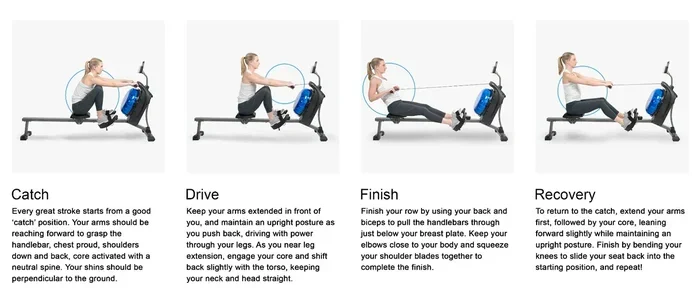
To understand why rowing is gentle on knees, you need to know how the movement works. A rowing stroke has two main parts: the drive and the recovery. During the drive, you push off with your legs and pull with your arms. During the recovery, you slide forward and prepare for the next stroke.
Your knees bend and straighten throughout this process. But the movement is controlled and rhythmic. There is no sudden jolting or pounding. The machine’s resistance is smooth, which means your knee joints move through a comfortable range of motion.
The Rowing Stroke and Knee Movement
During the drive phase, your legs extend fully. Your knees go from a bent position to a straight position. This is similar to a leg press, but much gentler. The sliding seat moves back smoothly, and your feet stay planted on the footplates.
During the recovery, your knees bend again as you slide forward. This is a slow, controlled motion. There is no impact or jarring. The entire rowing stroke flows from one phase to the next without sudden stops or starts.
This is a big reason why indoor rowing is so popular among people with knee concerns. The motion mimics real rowing on water, which is naturally smooth. You get a powerful full body workout without the stress that comes from running or jumping.
Resistance Settings and Knee Stress
Most rowing machines let you adjust the resistance. This is often controlled by a damper setting, which regulates how much air flows into the flywheel. A higher setting means more resistance. A lower setting means less.
Here is the key point: higher resistance does not automatically mean more knee stress. The resistance in rowing is about pulling and pushing effort, not about loading your joints directly. However, if you use too much resistance with poor form, you might strain your knees. So keep the resistance at a level where you can maintain good rowing technique.
For most people, a moderate resistance setting works great. It gives you a solid workout intensity without overloading your knees. If you are new to rowing, start light and increase gradually. Your knees will thank you.
Common Knee Problems and Rowing
Many people with knee issues wonder if rowing is safe for them. The good news is that rowing is often recommended by physical therapists. But it is not a one-size-fits-all answer. Let us look at some common knee problems and how rowing fits in.
If you have ongoing knee pain, you should talk to your doctor before starting any new exercise program. This is especially true if you have a rowing machine knee pain history or a recent injury. A professional can tell you whether rowing is appropriate for your specific situation.
Patellofemoral Pain Syndrome
Patellofemoral pain syndrome, also known as runner’s knee, causes pain around or behind the kneecap. It is common in people who do a lot of running or squatting. The pain often gets worse when you climb stairs or sit for long periods.
Rowing can actually help with this condition. The smooth, low impact motion strengthens the muscles around your knee without irritating the joint. However, you need to make sure your rowing form is correct. If your knees cave inward during the drive, it can make the pain worse. Keep your knees tracking in line with your toes.
People with this condition often find that rowing is much easier on their knees than running. If you are dealing with anterior knee pain, rowing might be the cardio machine you have been looking for.
Meniscus Tears and Rowing
A meniscus tear is a common knee injury that affects the cartilage in your knee. It can cause pain, swelling, and stiffness. Recovery from a meniscus tear often involves knee rehabilitation exercises that are gentle and controlled.
Rowing can be a great part of a rehabilitation program. The low impact motion helps you maintain fitness while your knee heals. But you need to be careful. If you have a recent meniscus tear, check with your doctor or physical therapist first. They can guide you on the right resistance setting and workout intensity for your recovery stage.
For those recovering from knee surgery, rowing is often introduced early in the rehab process. The seated position and smooth motion make it one of the safest cardio machines for post-surgery knee joint health. Just be sure to follow your therapist’s advice.
When Rowing Might Not Be Right for Your Knees
While rowing is gentle on most knees, there are situations where it might not be the best choice. If you have a fresh knee injury with swelling and sharp pain, skip the rowing machine for now. Let your body heal first. You can always come back to rowing once the acute pain subsides.
Also, if you have certain types of arthritis that cause severe inflammation, rowing might aggravate your symptoms during flare-ups. Listen to your body. If something feels wrong, stop and rest. For most people though, a joint friendly workout like rowing is not only safe but beneficial for long-term knee health.
If you are unsure, check out our guide on can you use a rowing machine with bad knees for more detailed advice on this topic.
Proper Form to Protect Your Knees
Good form is the single most important factor in keeping your knees safe on a rowing machine. Even the best low impact exercise can cause pain if you do it wrong. The good news is that proper rowing technique is not hard to learn. Once you get the hang of it, your knees will stay happy and healthy.
Foot Placement and Alignment
Start with your feet securely strapped into the footplates. The strap should go across the balls of your feet, not your toes. Your heels should be centered on the footplate. This gives you a stable base for the drive phase.
Keep your knees aligned with your toes throughout the stroke. If your knees drift inward or outward, it puts extra stress on the joint. Think about pushing straight back, not pushing outward. Proper alignment is one of the easiest ways to prevent rowing machine knee pain.
Drive and Recovery Phases
During the drive, push with your legs first. Then lean back slightly. Finally, pull the handle toward your lower chest. This sequence matters a lot. If you use your upper body too early, your knees compensate, which can lead to strain.
During the recovery, slide forward slowly. Let your arms extend, then lean forward slightly, and finally bend your knees. The recovery should be about twice as long as the drive. This slow, controlled pace keeps the workout intensity manageable for your joints.
Think of the stroke as a smooth, continuous flow. There should be no jerky movements or sudden bursts of effort. If you keep the motion fluid, your knees will experience very little stress. This is what makes a rowing machine low impact on knees so effective for people of all fitness levels.
Common Form Mistakes That Hurt Knees
One of the biggest mistakes is overloading the legs at the catch. The catch is the starting position where your knees are bent and your shins are vertical. If you push too hard at this point, you can strain the front of your knee.
Another mistake is letting your knees collapse inward. This is called knee valgus, and it puts uneven pressure on the joint. Focus on keeping your knees tracking over your toes. A simple cue is to push your knees outward slightly as you drive.
Finally, avoid using too much resistance too soon. Many beginners crank up the damper setting and then struggle to maintain proper form. Start with a light setting. Focus on technique first. You can always increase resistance as your strength and form improve.
Rowing Machine vs Other Cardio Machines for Knee Health
How does a rowing machine compare to other popular cardio machines? This is a great question, especially if you are trying to decide which machine is best for your knees. Let us look at the main options.
| Machine | Impact Level | Knee Stress | Best For |
|---|---|---|---|
| Rowing Machine | Low | Minimal | Full body, joint friendly workout |
| Treadmill | High | High | Running, bone density |
| Exercise Bike | Low | Low to Moderate | Seated cardio, beginners |
| Elliptical | Low | Low | Full body, smooth motion |
As you can see, the rowing machine ranks very well for knee health. It offers a low impact exercise that works your entire body. Unlike a treadmill, there is no pounding. Unlike a bike, there is no repetitive knee flexion under load.
If you want to learn more about how rowing compares to other machines, check out our article on is a rowing machine better than an exercise bike for a detailed comparison.
Rowing vs Treadmill
A treadmill is one of the most popular cardio machines, but it is tough on knees. Every stride sends impact forces through your ankles, knees, and hips. Over a 30-minute run, your knees absorb thousands of these impacts. For people with knee issues, this can be a problem.
Rowing eliminates this impact entirely. You are seated, and the motion is smooth. You get a similar or even better calorie burn without the joint stress. This is why so many people switch from a treadmill to a rowing machine when they have knee concerns.
Rowing vs Exercise Bike
An exercise bike is also low impact, which makes it a good alternative to running. But cycling involves repetitive knee bending under resistance. Over long sessions, this can irritate certain knee conditions.
Rowing offers a more varied motion. Your knees bend and straighten in a natural pattern without repetitive loading. The seat is also more supportive than a bike seat, which reduces pressure on your knees and hips. Both are great options, but rowing has the edge for overall knee joint health.
Who Should Avoid or Be Cautious With Rowing
Most people can safely use a rowing machine. But there are some situations where extra caution is needed. If you have a recent knee surgery, wait until your doctor clears you for exercise. If you have severe arthritis, stick to very light resistance and short sessions.
People with meniscus injuries should be especially careful during the drive phase. The force on your knees increases as you extend your legs. Keep the resistance low and focus on a full, controlled range of motion. If anything feels sharp or painful, stop immediately.
For those recovering from injury, rowing can be a fantastic tool for knee rehabilitation. The adjustable resistance lets you start very gently and build up over time. Just remember that recovery takes patience. Do not rush back to high intensity too quickly.
If you are new to rowing or returning from a knee injury, consider working with a trainer at your gym. They can check your rowing form and make sure you are using the machine correctly. A few sessions with a professional can save you from months of rowing machine knee pain.
Tips for a Knee-Friendly Rowing Workout
Now that you know the basics, let us look at practical tips for keeping your knees safe while rowing. These simple steps will help you get the most from your workouts without putting your joints at risk.
First, always warm up before you row. Spend five to ten minutes doing gentle stretches and easy strokes. This gets blood flowing to your knee joints and prepares your muscles for the workout. Cold, stiff joints are more prone to injury.
Second, focus on your rowing technique above all else. Do not chase speed or resistance at the expense of good form. A smooth, controlled stroke at a lower intensity is far better than a jerky, high-resistance stroke that strains your knees.
Third, limit your session length when you are starting out. Begin with 10 to 15 minutes and gradually increase as your fitness improves. For guidance on session length, check out our article on how long should you row on a rowing machine to find the right duration for your goals.
Fourth, cool down after every session. Gentle stretching for your quads, hamstrings, and calves helps your knees recover. It also reduces stiffness the next day. A proper cool-down is one of the most overlooked parts of any low impact cardio routine.
Fifth, listen to your body. Some muscle soreness is normal, especially when you are new to rowing. But sharp or persistent knee pain is not. If your knees hurt during or after rowing, take a break and reassess your form and resistance settings.
Finally, vary your workouts. Do not row at the same intensity every day. Mix in easy sessions with harder ones. This gives your knees time to recover between workouts. It also keeps your training balanced and sustainable over the long term.
For a well-rounded fitness routine, you might also enjoy our article on is a rowing machine a good full body workout to see how rowing engages your entire body.
Conclusion
A rowing machine low impact on knees is one of the best investments you can make for your fitness and joint health. The smooth, gliding motion gives you a powerful workout without the pounding that damages your knees. Whether you are recovering from an injury, managing arthritis, or just looking for a safer alternative to running, rowing delivers.
The key is proper form and smart progression. Start with low resistance, focus on technique, and build up gradually. Pay attention to what your body tells you. If you do these things, you can enjoy all the benefits of indoor rowing for years to come.
Rowing is not just safe for your knees. It is one of the most joint-friendly cardio machines you can use. It strengthens the muscles around your knees, improves flexibility, and supports long-term knee joint health. So grab a seat, adjust the resistance, and start rowing your way to healthier knees today.
Frequently Asked Questions
Is a rowing machine bad for your knees?
No, a rowing machine is generally not bad for your knees. In fact, it is considered a low impact exercise that is gentle on joints. The smooth, gliding motion reduces stress on your knee joints compared to running or jumping. However, using poor form or too much resistance can lead to discomfort, so always prioritize proper technique.
Can rowing cause knee pain?
Rowing can cause knee pain if your form is incorrect or if you use too much resistance too soon. Common issues include knees caving inward during the drive or pushing too hard at the catch. With proper rowing technique and gradual progression, most people experience no knee pain at all.
Is rowing good for knee rehabilitation?
Yes, rowing is often recommended for knee rehabilitation. The low impact, controlled motion helps strengthen the muscles around the knee without irritating the joint. It is a great way to maintain fitness during recovery. Always consult your doctor or physical therapist before starting rowing after a knee injury or surgery.
How long should you row on a rowing machine if you have knee issues?
Start with short sessions of 10 to 15 minutes and gradually increase as your knees adapt. For a detailed guide on session length, you can refer to our article on how long you should row on a rowing machine. Listen to your body and take breaks if you feel any discomfort.
What is the best rowing machine setting for people with bad knees?
A low to moderate resistance setting is best for people with bad knees. This keeps the workout intensity manageable while still providing a good workout. Avoid high resistance settings until your strength and form are well established. The goal is a smooth, controlled stroke without joint strain.
How does a rowing machine compare to a treadmill for knee health?
A rowing machine is much easier on your knees than a treadmill. Running on a treadmill creates repeated impact forces that travel through your knee joints. Rowing is a seated, low impact cardio exercise with no jarring movements. For anyone with knee concerns, rowing is the safer choice.