Can I Take Dumbbells on a Carry On
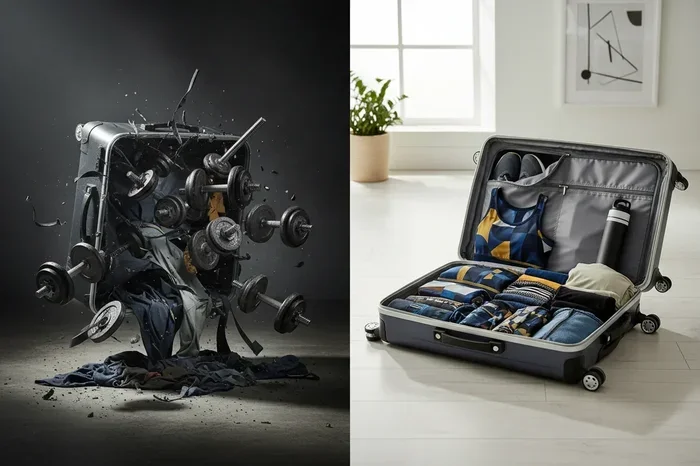
So, can I take dumbbells on a carry on? The short answer is: it depends on the airline and the size of your dumbbells. Most carriers allow small, portable workout equipment in your carry-on bag, but oversized or heavy weights may need to go in checked luggage. This guide covers every rule, tip, and workaround you need.
Key Takeaways
- Airline policies vary: Each carrier has its own rules about carrying dumbbells onboard, so always check before you fly.
- Size and weight matter: Small adjustable or foldable dumbbells usually pass as carry-on items, while bulky iron weights often do not.
- TSA guidelines help: The TSA generally permits dumbbells in both carry-on and checked bags, but final decisions rest with the airline.
- Alternatives exist: If you cannot bring dumbbells, resistance bands, suspension trainers, and other compact gear are great substitutes.
- Packing smart is key: Using a quality gym bag and protective covers keeps your equipment and other belongings safe during travel.
- Checked luggage is a backup: When carry-on isn’t an option, securely packing dumbbells in checked bags prevents damage and fees.
📑 Table of Contents
- Can I Take Dumbbells On A Carry On? The Full Breakdown
- Understanding Airline Rules for Carrying Dumbbells
- TSA Guidelines for Traveling with Dumbbells
- Best Types of Dumbbells for Carry-On Travel
- How to Pack Dumbbells Safely in Your Carry-On
- What to Do If You Can’t Bring Dumbbells Onboard
- Common Mistakes When Traveling with Dumbbells
- Quick Tips for Flying with Dumbbells
- Final Thoughts on Traveling with Dumbbells
Can I Take Dumbbells On A Carry On? The Full Breakdown
Traveling with your fitness gear can feel like a puzzle. You want to stay on top of your travel workout routine, but you also don’t want to deal with airline hassles. That’s exactly why so many people search for answers to the question: can I take dumbbells on a carry on?
The truth is, there’s no single answer that works for every flight. Your carry-on luggage allowance depends on the airline, the destination, and the type of dumbbells you plan to bring. Some carriers welcome small fitness equipment, while others treat weights as oversized items. This guide breaks down every rule, gives you practical tips, and helps you figure out the best way to bring your dumbbells on your next trip.
Whether you’re a frequent flyer or heading off on a vacation, knowing the rules ahead of time saves stress at the airport. Let’s get into it.
Understanding Airline Rules for Carrying Dumbbells
Why Airlines Have Restrictions on Weights
Airlines care about two main things: weight limits and passenger safety. Carry-on bins have strict weight and size caps. A heavy dumbbell can push your bag over the limit and create safety issues during turbulence. That’s why many carriers treat free weights differently from everyday items like clothing or toiletries.
Keep in mind that airline regulations are not the same as TSA rules. The Transportation Security Administration screens your bags, but the airline itself decides what you can bring onboard in your cabin baggage. Sometimes these rules overlap, but often they don’t.
How Different Airlines Handle Dumbbells
Here’s a general look at how major carriers approach this issue:
- Budget airlines tend to be strict. They often limit carry-on weight to around 15-22 pounds total. A single dumbbell could eat into that allowance quickly.
- Full-service carriers are sometimes more flexible, especially in premium cabins where overhead space is generous.
- International airlines vary widely. Some follow IATA (International Air Transport Association) guidelines, while others set their own policies.
The safest move? Visit your airline’s website or call customer service before your flight. Ask specifically about portable workout equipment and whether dumbbells are allowed in your cabin baggage.
TSA Guidelines for Traveling with Dumbbells
What the TSA Actually Says
Good news: the TSA does not explicitly ban dumbbells. According to the TSA rules on their website, you can pack dumbbells in both carry-on and checked luggage. They classify free weights as permitted items, not prohibited ones.
However, the TSA’s approval doesn’t override the airline’s policy. Think of the TSA as the security checkpoint layer. The airline’s hand luggage restrictions are a separate layer on top. Both need to be satisfied for you to board with your dumbbells.
Screening Process at the Airport
When your bag goes through the X-ray machine, the operator will see the dumbbells inside. They may pull your bag for a closer look. This doesn’t mean they’ll confiscate your gear. It just means you might need to explain what the item is.
Here are a few tips to speed up the screening:
- Keep dumbbells in a clear, easily visible part of your bag.
- Use a dedicated gym bag that clearly looks like fitness equipment storage.
- Be ready to remove the dumbbells from your bag if asked.
For more details on what passes airport security, you can check out what you can use as a substitute for dumbbells if traveling with weights becomes too complicated.
Best Types of Dumbbells for Carry-On Travel
Adjustable Dumbbells
Adjustable dumbbells are the gold standard for travelers. They replace a whole rack of fixed weights with a single compact unit. Many models weigh between 5 and 15 pounds, which fits comfortably within most carry-on weight limits. Models with quick-change plates are especially easy to pack.
Foldable and Collapsible Dumbbells
These dumbbells fold in half, reducing their footprint significantly. They usually weigh under 10 pounds and fit inside a carry-on luggage compartment without taking up much space. They’re not as durable as traditional iron dumbbells, but they work great for travel workouts.
Neoprene or Vinyl Coated Dumbbells
These are lighter, softer, and less likely to damage your bag. They typically come in the 1-10 pound range. Many travelers prefer them because they’re gentle on airplane seats and overhead bin surfaces.
What to Avoid
Heavy cast-iron dumbbells over 20 pounds are tough to bring onboard. They push your bag over weight limits and take up too much space. Chrome or steel dumbbells with sharp edges can also scratch other items in your bag. Stick to lighter, more compact options whenever possible.
If you want to get the most out of your travel gear, consider pairing your dumbbells with a full routine. You can explore whether you can get a good workout with just dumbbells to plan effective sessions while traveling.
How to Pack Dumbbells Safely in Your Carry-On
Choosing the Right Gym Bag
A regular suitcase won’t cut it. You need a gym bag designed to hold equipment. Look for bags with padded compartments, reinforced zippers, and water-resistant material. A good duffel or fitness backpack works wonders for keeping your dumbbells and other belongings secure.
Protecting Your Dumbbells and Your Bag
Dumbbells can scratch surfaces and break fragile items inside your bag. Here’s how to prevent that:
- Wrap the dumbbells in a towel or clothing before placing them in your bag.
- Use a rubberized or padded dumbbell carrier if your model supports one.
- Position the weights near the bottom and center of the bag for balance.
- Keep fragile items like electronics far away from the weights.
Distributing Weight Evenly
If you’re using a backpack-style gym bag, place the dumbbells close to your back. This keeps the center of gravity low and makes the bag easier to carry. For duffel bags, lay the dumbbells flat and distribute them across the width of the bag.
What to Do If You Can’t Bring Dumbbells Onboard
Using Dumbbell Alternatives
Sometimes the airline says no, or your bag is simply too heavy. Don’t worry. There are plenty of dumbbell alternatives that fit easily in a carry-on:
- Resistance bands: Lightweight, inexpensive, and surprisingly effective for strength training.
- Suspension trainers: A compact strap system that uses your body weight for resistance.
- Kettlebell travel models: Some come in foldable or adjustable versions that meet carry-on limits.
- Bodyweight tools: Push-up handles, ankle weights, and grip strengtheners are all travel-friendly.
You might also want to check if you can get a full body workout with dumbbells to make the most of even a small pair during your trip.
Packing Dumbbells in Checked Luggage
If your airline won’t allow dumbbells in the cabin, checked luggage becomes your best friend. Here’s how to do it right:
- Wrap each dumbbell in a cloth or bubble wrap to prevent scratches.
- Place them in the center of your suitcase, surrounded by soft items like shirts and towels.
- Use a hard-shell suitcase if possible, especially for heavy iron dumbbells.
- Check your airline’s checked baggage weight limit. Exceeding it can lead to expensive fees.
Buying Equipment at Your Destination
Another option is to skip bringing dumbbells altogether. Many cities have fitness equipment stores, and you can often find affordable adjustable sets. Some hotels even offer in-room workout gear or have partnerships with nearby gyms. This is especially practical for longer trips where you’d want varied weight options anyway.
Common Mistakes When Traveling with Dumbbells
Ignoring Airline Policies
This is the number one mistake travelers make. They assume the TSA allows dumbbells, so the airline must too. Remember: TSA approval and airline carry-on policies are two different things. Always verify directly with your carrier.
Overpacking With Heavy Weights
It’s easy to load up a bag with multiple heavy dumbbells and exceed the carry-on limit. A single 20-pound dumbbell combined with a 15-pound bag could push you well over a 30-pound limit. Weigh your bag at home before heading to the airport.
Failing to Protect Other Items
Dumbbells can crush laptops, break toiletries, and tear clothing. Pack thoughtfully. Use separate compartments or bags for delicate items, and cushion your weights properly.
Not Checking Return Trip Rules
Some travelers research the outbound flight but forget the return. Different airlines or routes may have different policies. Double-check both legs of your journey to avoid surprises.
Quick Tips for Flying with Dumbbells
Here are some fast, actionable tips to make your experience smoother:
- Weigh your fully packed bag before leaving home. Most airlines post their carry-on weight limits on their website.
- Bring a small luggage scale. They’re cheap and save you from unexpected fees.
- Keep your dumbbell purchase receipt handy. If security questions arise, it’s clear proof of purchase.
- Use a gym bag with wheels if your dumbbells are on the heavier side. Rolling luggage avoids the overhead bin entirely.
- Arrive at the airport early. Extra time at the security checkpoint gives you room to handle any questions about your equipment.
- Consider a travel workout routine that pairs dumbbells with bodyweight exercises, so you don’t rely entirely on heavy equipment.
Final Thoughts on Traveling with Dumbbells
So, can I take dumbbells on a carry on? Yes, you absolutely can in many cases. The key is knowing your airline’s specific rules, choosing the right type of dumbbell, and packing smartly. Portable workout equipment like adjustable or foldable dumbbells fits easily within most carry-on limits and keeps your fitness goals on track while traveling.
If cabin space or weight limits don’t allow it, you always have options. Checked luggage, resistance bands, or even buying gear at your destination are all workable solutions. The important thing is to plan ahead so you’re not scrambling at the airport.
Staying active on the road doesn’t require a fully stocked gym. A small set of dumbbells, a resistance band, and a bit of creativity are often enough to keep your travel fitness routine going strong. Pack smart, check the rules, and enjoy your trip knowing your workout plan is ready to go.
Frequently Asked Questions
Can I take 10-pound dumbbells on a carry-on flight?
Generally, yes. A 10-pound dumbbell fits within most carry-on weight limits, which typically range from 15 to 22 pounds for the entire bag. However, you still need to account for the weight of your bag itself and all other items inside. Always check your specific airline’s policy before flying.
Are adjustable dumbbells allowed in cabin baggage?
Yes, adjustable dumbbells are usually allowed in cabin baggage as long as they meet the airline’s carry-on size and weight restrictions. They are one of the best options for travelers because they replace multiple weights with a single compact piece of equipment.
Do I need to declare dumbbells at airport security?
You don’t need to proactively declare them unless the TSA officer asks. However, when your bag goes through the X-ray machine, the operator will likely notice the weights and may request to inspect them. Having your dumbbells easily accessible in your bag speeds up this process.
Can I bring dumbbells on an international flight?
It depends on the airline and country. International carriers follow different cabin baggage policies than domestic ones. You should check the specific airline’s rules and any local regulations at your destination before packing dumbbells in your carry-on.
What happens if my dumbbells are confiscated at the airport?
This is rare but possible if your bag exceeds weight or size limits. In most cases, airline staff will ask you to repack the dumbbells into checked luggage. If you have no checked bag, you may need to check the dumbbells as oversized luggage or leave them at the airport.
What are the best dumbbell alternatives for traveling?
Resistance bands, suspension trainers, and foldable kettlebells are excellent alternatives. They are lightweight, compact, and easily fit inside any carry-on bag. Pair them with bodyweight exercises for an effective travel workout routine that requires minimal space and equipment.