How to Load a Barbell on the Floor

Learning how to load a barbell on the floor correctly is the foundation of safe and effective strength training. Proper loading protects your back, ensures balanced weight distribution, and sets you up for successful lifts every single time. This guide walks you through each step of loading a barbell on the floor so you can train with confidence and avoid costly mistakes.
Key Takeaways
- Inspect the barbell sleeves: Ensure smooth rotation before loading plates for safe floor lifts.
- Load plates evenly on both sides: Balance prevents bar wobble and injury during floor presses.
- Use proper loading technique: Slide plates onto sleeves carefully to avoid damaging the floor or bar.
- Secure plates with clamps: Lock every plate tightly so they won’t shift during your lift.
- Choose a flat, stable surface: Load the barbell on a level floor to maintain balance.
- Master the floor loading sequence: Start with the heaviest plates on the inside for optimal leverage.
📑 Table of Contents
- Why Proper Barbell Loading Matters
- Understanding Your Barbell and Weight Plates
- Step-by-Step Guide on How to Load a Barbell on the Floor
- Common Mistakes When Loading a Barbell on the Floor
- Tips for Safe and Efficient Barbell Loading
- Comparison: Loading Methods for Different Barbell Exercises
- How Barbell Loading Connects to Your Overall Routine
- Key Takeaways
Why Proper Barbell Loading Matters
Loading a barbell on the floor might seem simple at first glance. But there is a lot more to it than just stacking plates and picking up the bar. How to load a barbell on the floor correctly can mean the difference between a smooth workout and an injury that sidelines you for weeks.
When you set up your barbell properly on the floor, you create a stable foundation for every rep. Poor loading leads to uneven weight distribution, wobbly setups, and wasted energy. Barbell loading technique affects your form, your safety, and your results. Whether you are preparing for deadlifts, bent-over rows, or floor presses, the way you place your plates matters more than most people realize.
Think about the last time you saw someone struggle at the gym because their barbell was loaded unevenly. Maybe the plates were too close to one end, or the clips were missing. These small mistakes add up fast. Learning the right way to load your barbell saves time, protects your body, and helps you get the most out of every session.
Understanding Your Barbell and Weight Plates
Before you start loading, you need to know what you are working with. Not all barbells and plates are the same. Understanding your equipment is the first step toward loading like a pro.
Types of Barbells
A standard Olympic barbell weighs about 45 pounds (20 kg) and is 7 feet long. Barbell weight can vary depending on the type. Women’s barbells are typically 35 pounds. Hex bars, trap bars, and specialty bars each have their own weight specifications. How much does a barbell weigh at the gym is a common question, and the answer depends on the bar type you are using.
Types of Weight Plates
Weight plates come in several varieties:
- Standard plates (1.25 to 25 lbs each)
- Olympic plates (2.5 to 45 lbs each)
- Fractional plates (0.5 to 2.5 lbs for micro-loading)
- Bumper plates (designed for dropping from height)
Using the right plates for your barbell ensures a balanced and secure load. Always check that your plates fit the barbell sleeve diameter before loading.
Step-by-Step Guide on How to Load a Barbell on the Floor
Now let us walk through the actual process. How to load a barbell on the floor follows a clear sequence once you know the steps. Here is a detailed breakdown.
Step 1: Clear Your Workspace
Start by clearing the area around you. Make sure the floor is clean and free of obstacles. You want at least 6 feet of space in front and behind the barbell. A cluttered space increases the risk of accidents and makes loading frustrating.
Step 2: Place the Barbell on the Floor
Lay the barbell flat on the ground. The knurling (the textured grip section) should face up if you are preparing for exercises like barbell rows or floor presses. A straight barbell on the floor gives you a solid base to start from.
Step 3: Load the Plates Evenly
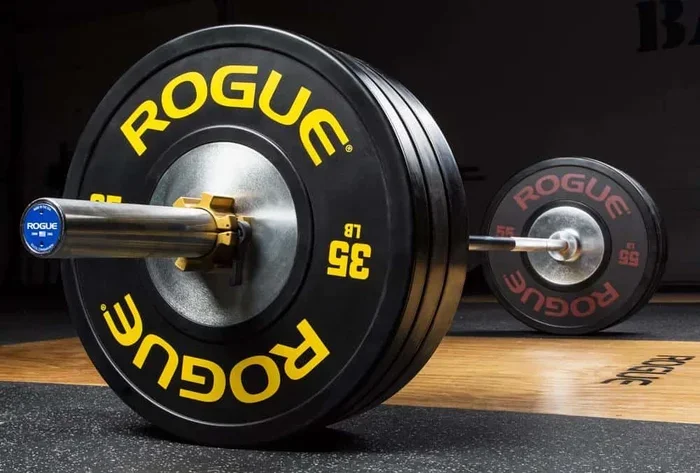
This is where precision matters. Slide plates onto each sleeve of the barbell in matching pairs. For example, if you want 135 lbs total, place two 45 lb plates on one side and two 45 lb plates on the other. Weight plate placement should be symmetrical on both ends of the barbell.
Follow this sequence for proper loading:
- Place the heaviest plates first, close to the collars
- Add smaller plates next, working outward
- Use fractional plates for fine-tuning your total weight
- Secure each plate with a barbell clip or lock
If you need to add weight to a barbell without plates, consider using chain attachments or band systems. These alternatives work well for progressive overload without traditional plates.
Step 4: Secure the Plates
Never skip the clips. Barbell clips or collars keep the plates from sliding during your lift. A loose plate mid-rep is dangerous and can throw off your balance. Spend the extra five seconds to clip everything down.
Step 5: Verify Your Setup
Stand back and look at your barbell from the side. Are both sides the same height? Do the plates sit flush against each other? Give the bar a gentle shake to test stability. This quick check takes just a few seconds and prevents a lot of headaches.
Common Mistakes When Loading a Barbell on the Floor
Even experienced lifters make mistakes when loading a barbell. Here are the most common errors and how to avoid them.
Uneven Plate Loading
One of the biggest mistakes is loading plates unevenly. Maybe you add 45 lbs to the left side but only 35 lbs to the right. This creates an imbalance that throws off your form and increases injury risk. Always double-check that both sides match before you lift.
Skipping the Clips
It is tempting to skip the collars, especially when you are in a rush. But loose plates can shift during a lift, causing the bar to rotate or tilt. Loading a barbell safely always includes securing the plates with clips or locks.
Placing Plates Too Far Out
Some people slide the plates all the way to the ends of the sleeves. This makes the barbell unstable and harder to grip. Keep the plates close to the collars for a more balanced and manageable setup.
Not Checking the Barbell Weight
Before you load any plates, know the base weight of your barbell. A standard Olympic barbell weighs 45 lbs. Adding two 45 lb plates gives you 135 lbs total. How to put weights on a barbell for squats follows the same principle, and knowing your starting weight helps you calculate accurately.
Tips for Safe and Efficient Barbell Loading
A few simple habits can make your barbell loading routine faster and safer every single time.
Organize Your Plates Before You Start
Stack your plates in the order you need them before you touch the barbell. This saves time and keeps your workflow smooth. Think of it like setting up your tools before starting a project.
Use a Loading Platform or Mat
A rubber loading mat protects your floor and keeps the barbell from sliding around. It also makes it easier to load plates because they stay put while you work.
Ask for a Spot When Loading Heavy Weights
If you are loading plates that are 30 lbs or heavier, consider asking a training partner for help. Loading a 45 lb plate on your own can strain your back, especially when bending repeatedly.
Practice the Deadlift Setup
Since most floor-loaded barbell exercises start from a deadlift position, practicing the setup helps. Learn how to pick up a barbell from the floor with proper form, and your loading routine will feel more natural over time.
Label Your Plates When Possible
If you train at a busy gym, plates can get mixed up. Using colored tape or markers to identify your plates saves confusion and speeds up your loading process.
Comparison: Loading Methods for Different Barbell Exercises
Different floor exercises require different loading approaches. Here is a quick comparison to help you choose the right method.
| Exercise | Typical Load | Plate Arrangement | Key Consideration |
|---|---|---|---|
| Deadlift from Floor | 135 – 405+ lbs | Symmetrical, heavy plates inside | Bar must be close to shins at setup |
| Bent-Over Row | 95 – 225 lbs | Symmetrical, moderate weight | Grip width affects plate clearance |
| Floor Press | 60 – 185 lbs | Symmetrical, lighter plates | Elbows stay on the floor at bottom |
| Barbell Hip Thrust (floor) | 45 – 135 lbs | Symmetrical, moderate weight | Bar sits across hip crease on floor |
| T-Bar Row (floor) | 60 – 200 lbs | Symmetrical, corner-loaded | Requires landmine or corner attachment |
Each exercise has its own loading nuances. The common thread is that proper barbell loading always starts with symmetry and ends with secure plates.
How Barbell Loading Connects to Your Overall Routine
Loading a barbell on the floor is not an isolated task. It connects to your entire workout routine. When you load correctly, your barbell setup flows smoothly into your first rep, your warm-up sets, and your working sets.
For example, if you are preparing for a heavy deadlift session, your floor loading needs to be precise. You need the right total weight, balanced plates, and secure clips. How to hold the barbell for a front squat differs from a deadlift, but the loading process shares the same fundamentals: symmetry, security, and accuracy.
If you train at home with limited equipment, understanding your barbell weight becomes even more important. You might not have a scale to verify total load, so knowing your plate weights by heart helps you load confidently every time.
Another important consideration is the length of a barbell you need for specific exercises. Standard 7-foot bars work for most floor exercises, but shorter bars may be better for home gyms with low ceilings. Make sure your barbell length suits your space before you start loading.
Key Takeaways
How to load a barbell on the floor is a fundamental skill that every lifter should master. Here are the main points to remember:
- Always clear your workspace before loading
- Load plates symmetrically on both sides of the barbell
- Secure every plate with a clip or collar
- Verify your setup before lifting
- Know your barbell base weight for accurate total calculations
- Avoid common mistakes like uneven loading and skipping clips
- Organize your plates beforehand for an efficient workflow
Taking a few extra minutes to load your barbell correctly pays off in better performance, fewer injuries, and more confidence at the gym. Barbell loading might not be the most exciting part of your workout, but it is the foundation everything else is built on. Do it right, and the rest of your session will feel smoother and safer.
Next time you step up to load your barbell on the floor, take a breath, follow the steps, and trust the process. Your body will thank you for it. If you want to learn more about picking up the loaded barbell safely, check out our guide on how to pick up a barbell from the floor for detailed technique tips and safety advice.
Frequently Asked Questions
How To Load A Barbell On The Floor Correctly?
Start by placing the barbell on a flat, clean surface. Slide the desired weight plates onto each sleeve, making sure they are centered and secure. This basic approach keeps your setup stable and ready for your workout.
What Weight Plates Do You Need to Load a Barbell on the Floor?
You need standard Olympic weight plates that match your barbell’s sleeve diameter of 2 inches. Choose plates based on your fitness level and the exercises you plan to perform. Always check the plate weight markings before loading to avoid mistakes.
Is It Safe to Load a Barbell on the Floor?
Yes, loading a barbell on the floor is safe when you follow proper steps. Make sure the floor is level and free of debris that could cause instability. Always secure the plates with clips or locks to prevent them from sliding off during use.
How Do You Load Heavy Plates Onto a Barbell on the Floor?
Bend at your knees and hips, keeping your back straight, to slide heavy plates onto the barbell sleeves. Use your legs to lift the plates rather than your lower back. If the plates are too heavy, ask a training partner for assistance or use a plate loader tool.
What Are Common Mistakes When You Load a Barbell on the Floor?
A common mistake is unevenly distributing the weight on both sides of the barbell. Another error is skipping the use of collar clips, which can lead to plates shifting mid-workout. Always double-check your setup before starting any exercise to stay safe.
Can You Load Any Type of Barbell on the Floor?
Most standard barbells can be loaded on the floor, but Olympic bars work best for floor-based exercises. Power bars and technique bars also handle floor loading well. Avoid using damaged or bent bars, as they can compromise your safety and workout quality.