How to Load a Barbell for Hip Thrust

Loading a barbell for hip thrust is one of the most important steps you can take to build stronger glutes and lift safely. This guide walks you through every detail, from choosing the right weight plates to positioning the barbell correctly on your hips. You will learn proper technique, common mistakes to avoid, and practical tips that work for beginners and lifters alike. Whether you train at home or in a gym, these steps will help you get the most out of every rep.
Key Takeaways
- Proper barbell loading protects your spine and hips by ensuring even weight distribution across your body.
- Start with lighter weights and increase gradually to master your form before going heavy.
- The position of the barbell on your hips makes a huge difference in comfort and muscle activation.
- Using a barbell pad can reduce discomfort and help you push through heavier sets.
- Common loading mistakes like uneven plates or poor alignment can lead to injury and wasted reps.
- Progressive overload is key to continuous gains in your hip thrust training.
📑 Table of Contents
- Why Loading a Barbell for Hip Thrust the Right Way Matters
- Step-by-Step: How to Load a Barbell for Hip Thrust
- How to Choose the Right Weight for Your Hip Thrust
- Common Mistakes When Loading a Barbell for Hip Thrust
- Tips to Improve Your Barbell Hip Thrust Setup
- Final Thoughts on Loading a Barbell for Hip Thrust
Why Loading a Barbell for Hip Thrust the Right Way Matters
The hip thrust is one of the best exercises for building your glutes. But did you know that how you load the barbell can make or break your results? It is not just about piling on weight. The way you set up the barbell affects your comfort, your form, and your safety.
When you load a barbell for hip thrust correctly, you activate the right muscles. Your glutes, hamstrings, and core all work together. This means more power, better muscle growth, and fewer chances of injury. On the flip side, a bad setup can strain your lower back and take the work away from your glutes.
Think of it this way. A building needs a strong foundation. Your hip thrust needs a strong setup. And that starts with how you place the weight on the barbell and how you position the barbell on your body. Every detail counts. This guide will show you exactly how to do it right.
What Happens When You Load the Barbell Wrong
If your barbell is loaded unevenly, it can roll or shift mid-rep. This throws off your balance. You might compensate by using your lower back too much. Over time, this leads to pain and poor results. A proper barbell setup keeps the weight stable and your body aligned.
Another common issue is loading too much weight too soon. This is tempting, especially when you see others lifting heavy. But jumping to heavy loads before your body is ready is a fast track to injury. Always build up step by step.
Step-by-Step: How to Load a Barbell for Hip Thrust
Now let us get into the nitty-gritty. Here is a clear, simple guide on how to load a barbell for hip thrust from start to finish. Follow these steps every time you set up for your working sets.
Step 1: Choose the Right Barbell
Not all barbells are the same. A standard Olympic barbell weighs 45 pounds (20 kg) and is about 7 feet long. This is the most common bar used for hip thrusts. Make sure the barbell is straight and the sleeves rotate smoothly. A stiff or bent barbell can throw off your setup.
If you are training at home, you might use a shorter barbell. That is fine. Just make sure it can handle the weight you plan to lift. Check the barbell weight capacity before you start loading.
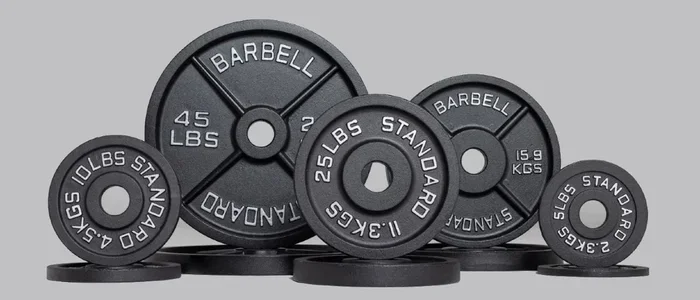
Step 2: Select Your Weight Plates
Choosing the right plates is the next step. Standard bumper plates or iron plates both work well. Start with lighter plates if you are new to the exercise. A common starting point is 10 to 25 pounds on each side.
As you get stronger, you can add more weight. The key is to increase gradually. Add 5 to 10 pounds per side at a time. This gives your body time to adapt and helps you maintain good hip thrust form throughout.
Step 3: Load the Plates Evenly
This step is more important than most people think. You must load the plates equally on both sides of the barbell. Uneven loading causes the bar to tilt. When the bar tilts, it rolls on your hips. This is uncomfortable and unsafe.
Use a mirror or ask a spotter to check your setup. Make sure the plates sit tight against the collars. Loose plates can shift during the lift, which is dangerous. Always secure the collars tightly before you start.
Step 4: Position the Barbell on Your Hips
Once the barbell is loaded, it is time to position it. Lie on your back with your upper back resting against a bench. Roll the barbell so it sits across the crease of your hips. The barbell should feel centered and stable.
If the barbell feels like it is digging into you, you may need a barbell pad for hip thrusts. These pads add cushioning and make heavy sets much more comfortable. A pad also helps distribute the pressure more evenly across your hip flexors.
Step 5: Grip the Barbell and Brace Your Core
Grab the barbell with both hands, palms facing down. Your grip should be shoulder-width apart. Before you lift, take a deep breath and brace your core. This protects your lower back and gives you a stable base.
Drive through your heels and push your hips up toward the ceiling. Squeeze your glutes at the top of the movement. Lower the barbell back down with control. That is one complete rep. Keep your neck neutral and avoid looking up or tucking your chin.
How to Choose the Right Weight for Your Hip Thrust
One of the most asked questions is, how much weight should I put on the barbell? The answer depends on your experience level and your goals. Let us break it down so you can pick the right load every time.
For Beginners
If you are new to hip thrusts, start with just the barbell. That is about 45 pounds. Practice the movement pattern without any extra plates. Focus on feeling your glutes work. Once you can do 3 sets of 10 to 12 reps with perfect form, you can start adding weight.
A good rule of thumb is to add 10 pounds per side each week. Do not rush this process. Building a strong mind-muscle connection with your glutes is just as important as lifting heavy.
For Intermediate Lifters
If you have been doing hip thrusts for a few months, you can handle more load. Start with 50 to 100 pounds total (including the barbell). Focus on controlled reps and full range of motion. Your glutes should feel challenged by the last two reps of each set.
At this level, you can also experiment with different rep ranges. Higher reps (12 to 15) build muscle endurance. Lower reps (6 to 8) build strength and size. Mixing both approaches gives you the best results.
For Advanced Lifters
Advanced lifters can go heavier, but form always comes first. If your hips start to tilt or your lower back takes over, the weight is too much. Drop back and focus on tightening your glutes through the full range of motion.
Advanced lifters should also consider hip thrust progression techniques. These include pause reps, single-leg variations, and slow eccentrics. All of these methods make the exercise harder without simply adding more weight.
Common Mistakes When Loading a Barbell for Hip Thrust
Even experienced lifters make mistakes when setting up their barbell. Here are the most common errors and how to fix them.
Mistake 1: Loading the Plates Unevenly
This is the number one mistake. When one side of the barbell is heavier than the other, the bar tilts. It rolls off center on your hips. This not only reduces the effectiveness of the exercise but also puts unnecessary stress on your joints.
Always double-check both sides before you unrack. Make sure the plates are the same size and weight. Use the same type of plates on each side for the most accurate load.
Mistake 2: Skipping the Barbell Pad
Some people think they do not need a pad. They tough it out. But a barbell pad is not just for comfort. It helps distribute the load across a larger area of your hips. Without a pad, the pressure concentrates on one small spot, which can cause pain and nerve compression.
If you are doing heavy sets, a pad is almost essential. Check out our guide on whether you need a barbell pad for hip thrusts to learn more about the benefits.
Mistake 3: Using Too Much Weight Too Soon
Ego lifting has no place in hip thrust training. Loading the barbell with too much weight too early ruins your form. You end up using momentum instead of muscle. Your glutes do not get the full benefit, and your lower back takes the hit.
Respect the process. Build up your strength gradually. Your glutes will grow faster if you focus on quality reps instead of heavy loads.
Mistake 4: Not Securing the Collars
Loose plates are a safety hazard. During a hip thrust, the barbell moves back and forth. If the plates are not secured, they can slide off mid-rep. This can cause serious injury to you or anyone nearby.
Always use spring collars or clamp collars. Make sure they are tight before every set. This simple habit takes just a few seconds and keeps you safe.
Tips to Improve Your Barbell Hip Thrust Setup
Want to get the most out of your hip thrust sessions? Here are some practical tips that will help you improve your setup and performance.
Use a Mirror or Record Yourself
Setting up in front of a mirror lets you check your barbell alignment. You can see if the barbell is sitting straight and centered. If you do not have a mirror, set up your phone to record a few reps. Watching the playback helps you spot issues you cannot feel in the moment.
Warm Up Before Loading Heavy
Never jump straight to your working weight. Start with a few warm-up sets using just the barbell or very light weight. This prepares your muscles and joints for the heavier load ahead. A good warm-up also helps you practice the movement pattern.
Focus on the Mind-Muscle Connection
The hip thrust is all about your glutes. Think about squeezing your glutes as you drive the barbell up. If you are not feeling your glutes work, check your setup. You may need to adjust your foot position, your hip angle, or the barbell placement on your hips.
Sometimes the issue is not the weight at all. It is about how you are connecting with the movement. Slow down your reps and focus on the squeeze at the top.
Keep Your Feet Planted and Stable
Your feet are the foundation of the hip thrust. Place them flat on the floor, about shoulder-width apart. Your knees should be bent at roughly 90 degrees. Keep your feet planted throughout the entire movement. If your feet lift or shift, your form breaks down.
Final Thoughts on Loading a Barbell for Hip Thrust
Loading a barbell for hip thrust might seem simple, but the details matter. From choosing the right plates to securing the collars, every step plays a role in your safety and results. A proper setup leads to better muscle activation, stronger lifts, and fewer injuries.
Start with the basics. Master the form. Add weight gradually. And never skip the barbell pad if you are going heavy. These habits will serve you well whether you are a beginner or a seasoned lifter. For more detailed setup guidance, check out our article on how to set up barbell hip thrust at the gym for additional tips and techniques.
Remember, the goal is not just to lift heavy. The goal is to lift smart. When you take the time to set up properly, every rep counts. Your glutes will thank you for it. Now get out there and load that barbell the right way.
Frequently Asked Questions
What is the best way to load a barbell for hip thrusts?
The best way is to start with an even load on both sides of the barbell. Use standard weight plates and secure them tightly with collars. Position the barbell across the crease of your hips, and use a pad for comfort. This ensures stable weight distribution and safer lifts.
How much weight should I start with on a barbell hip thrust?
Beginners should start with just the barbell, which weighs about 45 pounds. Focus on mastering the movement before adding extra plates. Once you can perform 3 sets of 10 to 12 reps with perfect form, add 10 pounds per side and progress from there.
Do I need a barbell pad for hip thrusts?
A barbell pad is highly recommended, especially when lifting heavier weights. It cushions the barbell and distributes pressure across your hips more evenly. This reduces discomfort and allows you to focus on your glutes instead of pain. You can learn more about whether a pad is necessary in our detailed guide.
What are the most common mistakes when loading a barbell for hip thrust?
The most common mistakes include loading plates unevenly, skipping the barbell pad, using too much weight too soon, and failing to secure collars. All of these errors can lead to poor form, discomfort, or injury. Always double-check your setup before every set.
Can I do hip thrusts without a bench?
Yes, you can perform hip thrusts without a bench by placing your upper back on the floor. However, a bench allows for a greater range of motion and better hip extension. If you want to try the floor version, check out our guide on how to do hip thrusts without a bench for step-by-step instructions.
How do I know if my barbell weight is too much for hip thrusts?
If your hips tilt, your lower back takes over, or you cannot complete the full range of motion, the weight is likely too much. Other signs include shaky reps, loss of balance, and discomfort in your hips or lower back. Always prioritize proper form over heavy weight.
=== CONCLUSION ===
Loading a barbell for hip thrust does not have to be complicated. Follow the steps outlined in this guide, avoid the common mistakes, and focus on progressive improvement. Your setup is the foundation of every great rep. Take the time to get it right, and you will see the results in your glute strength and development.