How to Clean Yoga Mat at Home 2
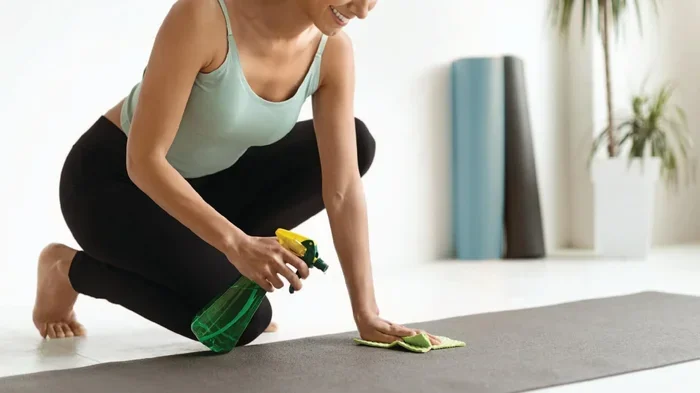
Keeping your yoga mat clean at home is simple and fast when you know the right methods. This guide covers step-by-step techniques using vinegar, baking soda, and gentle soap to deep clean yoga mat surfaces. You will learn how to remove odors, kill germs, and extend your mat’s lifespan with routine mat cleaning care.
Your yoga mat goes through a lot. You sweat on it, stretch on it, and press every part of your body against its surface. Over time, this buildup of sweat, dirt, and bacteria can make your mat smell bad and even affect your skin. That is exactly why learning how to clean yoga mat at home 2 is so important. You do not need fancy products or expensive equipment. A few simple household items and a little time are all you need to keep your mat fresh and hygienic.
In this guide, we walk you through every method you can use to clean a yoga mat in your own bathroom or kitchen. Whether you have a thick TPE mat, a natural rubber mat, or a PVC one, these tips work across different yoga mat material types. We also share yoga mat care habits that will help your mat last longer and stay germ-free. Let us dive in and make your mat sparkle again.
Key Takeaways
- Regular Cleaning Matters: Cleaning your yoga mat after every few uses prevents bacteria buildup and keeps the mat fresh.
- Household Items Work Great: Vinegar, baking soda, and mild dish soap are effective and affordable yoga mat cleaners.
- Deep Cleaning Extends Lifespan: A thorough wash every few weeks removes deep-seated grime and odors that surface wiping misses.
- Proper Drying Is Key: Never roll up a wet yoga mat, as trapped moisture leads to mold and mildew.
- Storage Tips Help Too: Storing your clean mat in a cool, dry place keeps it in great shape for months.
- Avoid Harsh Chemicals: Bleach and strong solvents can damage yoga mat material and cause skin irritation.
- Consistency Beats Intensity: A quick wipe-down routine is better than occasional deep cleans alone.
📑 Table of Contents
- Why Cleaning Your Yoga Mat Matters
- What You Need to Clean a Yoga Mat at Home
- How to Clean Yoga Mat at Home 2: Step-by-Step Methods
- How to Deal with Stubborn Odors and Stains
- How Often Should You Clean Your Yoga Mat?
- Common Mistakes to Avoid When Cleaning Your Yoga Mat
- Expert Tips for Yoga Mat Maintenance
- Final Thoughts on How to Clean Yoga Mat at Home
Why Cleaning Your Yoga Mat Matters
Many people skip yoga mat cleaning because they do not see the dirt. But your mat picks up more than you think. Every session leaves behind sweat, skin cells, and oils. Bacteria and fungi thrive in this warm, moist environment. Without proper yoga mat hygiene, you risk skin rashes, acne, and even fungal infections.
Here is why regular mat cleaning is essential:
- Bacteria Removal: Studies show yoga mats can harbor bacteria like Staphylococcus and E. coli. A proper wash kills these germs.
- Odor Control: That funky smell coming from your mat is bacteria feeding on sweat. Cleaning removes the source of the odor.
- Better Grip: Dirt and oil make your mat slippery. A clean mat gives you better traction during poses.
- Longer Mat Life: Regular upkeep prevents material breakdown. Your mat stays flexible and supportive longer.
- Skin Health: Clean mats reduce the risk of breakouts and irritation, especially during hot yoga sessions.
Think of it this way. You wash your workout clothes after every use. Your mat deserves the same mat cleaning care. A simple home workout hygiene routine makes a huge difference.
What You Need to Clean a Yoga Mat at Home
Before you start, gather a few items from around your house. You do not need to buy anything special. Most of these supplies you probably already have in your kitchen or bathroom.
Basic Cleaning Supplies
- Warm water
- Mild dish soap or castile soap
- White vinegar
- Baking soda
- Spray bottle
- Soft cloth or sponge
- Clean towel
Optional but Helpful Items
- Tea tree oil (natural antifungal)
- Lavender essential oil (for a fresh scent)
- Yoga mat spray bottle (ready-to-use)
- Soft-bristle brush for textured mats
With these supplies ready, you can tackle any level of dirt or smell. The beauty of cleaning a yoga mat at home is that you control exactly what goes on the surface. No harsh chemicals, no mystery ingredients. Just safe, gentle, and effective solutions.
How to Clean Yoga Mat at Home 2: Step-by-Step Methods
Now for the main part. Below are the most effective methods for deep cleaning your yoga mat at home. Each method targets different levels of dirt and odor. Pick the one that fits your needs.
Method 1: The Vinegar and Water Spray
This is the most popular and effective yoga mat cleaner recipe. Vinegar naturally disinfects and cuts through grease. It also neutralizes odors without leaving a strong smell once it dries.
Steps:
- Mix one part white vinegar with two parts warm water in a spray bottle.
- Add 5-10 drops of tea tree oil for extra antifungal power.
- Spray the entire surface of your mat evenly.
- Let it sit for 5-10 minutes.
- Wipe down with a damp soft cloth or sponge.
- Rinse the cloth and wipe again to remove any vinegar residue.
- Hang or lay flat to air dry completely.
If you want a deeper clean, you can also try using vinegar to clean your yoga mat with a longer soak. This method works great for TPE and PVC mats.
Method 2: The Baking Soda Paste
Baking soda is a gentle abrasive and natural deodorizer. It is perfect for mats that have stubborn smells or caked-on grime. This method is especially useful for mat cleaning tips on textured or rubber surfaces.
Steps:
- Mix 2 tablespoons of baking soda with enough water to form a paste.
- Apply the paste to the dirty areas of your mat.
- Gently scrub with a soft sponge or cloth in circular motions.
- Let the paste sit for 10-15 minutes.
- Rinse thoroughly with a damp cloth.
- Pat dry with a clean towel and air dry completely.
For a full breakdown of this method, check out our guide on how to clean a yoga mat with baking soda. It covers ratios and tips for different mat types.
Method 3: The Bathtub Soak
When your mat really needs attention, a bathtub soak does the job. This is the most thorough home workout hygiene method available. It works well for mats that have not been cleaned in a while.
Steps:
- Fill your bathtub with lukewarm water. Do not use hot water, as it can warp certain materials.
- Add a small amount of mild liquid soap or castile soap.
- Submerge your yoga mat fully in the water.
- Let it soak for 15-20 minutes.
- Gently agitate the water or lightly scrub with your hands.
- Drain the soapy water and rinse the mat with clean water.
- Press gently to remove excess water. Do not wring or twist.
- Hang the mat over a railing or lay flat on a dry towel to air dry.
If you want more details on this approach, read our article on how to clean a yoga mat in the bathtub. It includes extra tips for different mat thicknesses and materials.
Method 4: Quick Wipe-Down After Each Use
Not every cleaning session needs to be a deep wash. A quick wipe-down after each practice keeps buildup at bay and makes deep cleans less frequent.
Steps:
- Keep a spray bottle with diluted vinegar water near your practice space.
- After your session, spray the mat lightly.
- Wipe with a damp microfiber cloth.
- Hang the mat to air dry before rolling it up.
This simple habit is the best yoga mat maintenance routine you can build. It takes less than two minutes and keeps your mat in excellent condition.
How to Deal with Stubborn Odors and Stains
Sometimes, regular cleaning is not enough. You might have a mat that smells like a gym locker or has stains that refuse to budge. Here is how to handle the tough stuff.
Removing Stubborn Odors
- Baking Soda Soak: Add half a cup of baking soda to a basin of lukewarm water. Soak your mat for 30 minutes, then rinse and air dry.
- Vinegar Soak: Mix one cup of vinegar into a bathtub of water. Soak for 20 minutes. The acid neutralizes odor-causing bacteria.
- Sunlight: Lay your mat in direct sunlight for a few hours. UV rays naturally kill bacteria and freshen the material.
If odors persist, you may need to repeat the process or consider the age of your mat. Old mats that have not been cleaned properly may hold onto smells permanently.
Removing Stains
- Dirt Stains: Use the baking soda paste method and scrub gently.
- Sweat Stains: Apply a mix of vinegar and water directly to the stain and let it sit for 10 minutes before wiping.
- Makeup or Oil Stains: Use a small amount of mild dish soap on a damp cloth and spot-clean the area.
- Mold or Mildew: Use a solution of one part vinegar to one part water. Spray, let sit for 15 minutes, rinse, and air dry in sunlight.
For mats that get stained frequently from hot yoga or intense sessions, consider cleaning your yoga mat after hot yoga with extra care. Hot yoga mats absorb more sweat and need more frequent deep cleaning.
How Often Should You Clean Your Yoga Mat?
Frequency depends on how often you practice and what type of mat you have. Here is a simple schedule to follow:
- After Every Use: Quick wipe-down with a vinegar spray. This is the minimum effort for yoga mat upkeep.
- Once a Week: Full spray-down and wipe with soapy water. Good for regular practitioners.
- Every 2-4 Weeks: Deep clean using one of the methods above. This prevents long-term buildup.
- After Illness: If you have been sick, give your mat a thorough disinfection. Do not share a mat without cleaning it first.
Following this yoga mat care schedule keeps your mat in top shape and protects your health. Consistency is the secret ingredient. A little effort after each session saves you from big cleaning jobs later.
Common Mistakes to Avoid When Cleaning Your Yoga Mat
Even with good intentions, people make mistakes that damage their mats or reduce cleaning effectiveness. Here are the most common errors to watch out for.
- Using Too Much Water: Saturating your mat can cause water to seep into the core, leading to mold. Always use damp cloths, not soaking wet ones.
- Using Harsh Chemicals: Bleach, ammonia, and strong solvents break down yoga mat material. Stick to mild soap, vinegar, or baking soda.
- Rolling Up a Wet Mat: This traps moisture and creates the perfect environment for bacteria and mold. Always air dry fully before storing.
- Using a Power Washer: The high pressure can tear delicate yoga mat material. Hand cleaning is always the safer choice.
- Skipping the Rinse: Soap residue makes your mat slippery and can irritate your skin. Always rinse after washing.
- Using Hot Water on Rubber Mats: Heat can cause rubber to degrade or become sticky. Always use lukewarm water.
Avoiding these mistakes keeps your mat in great condition and ensures your clean mat at home efforts actually work. When in doubt, less is more. Gentle and consistent beats harsh and infrequent.
Expert Tips for Yoga Mat Maintenance
Beyond cleaning, a few simple habits go a long way in keeping your mat fresh. These fitness mat cleaning tips are from experienced yoga instructors and mat manufacturers.
- Wash Your Hands Before Practice: This reduces the amount of oil and dirt transferred to your mat in the first place.
- Use a Yoga Towel: Placing a towel over your mat during sweaty sessions catches most of the sweat and keeps the mat cleaner longer.
- Store Your Mat Unrolled: If you have the space, store your mat flat or loosely rolled. Tight rolling over time can crack and crease the material.
- Keep It Cool and Dry: Store your mat in a dry area away from direct sunlight when not in use. Heat and humidity accelerate material breakdown.
- Know When to Replace: Even with the best care, mats wear out. If your mat has permanent stains, cracks, or a persistent smell, it is time for a new one.
These small habits complement your cleaning routine and make a noticeable difference. Your mat will feel better, last longer, and give you a safer practice every time you step on it.
Final Thoughts on How to Clean Yoga Mat at Home
Cleaning your yoga mat at home does not have to be complicated or time-consuming. With a few simple supplies and a regular routine, you can keep your mat fresh, hygienic, and in great shape for months or even years. The methods shared in this guide give you everything you need to handle light wipe-downs, deep soaks, and stubborn stains.
Remember that the best yoga mat cleaning approach is the one you actually do consistently. Pick a method that fits your schedule, gather your supplies, and make it a habit. Your body, your mat, and your practice will thank you. Start today, and you will feel the difference in your very next session.
Frequently Asked Questions
Can I use Clorox wipes to clean my yoga mat?
It is best to avoid Clorox wipes on yoga mats. The harsh chemicals can break down the mat material and leave residue that irritates your skin. Stick to gentle solutions like vinegar, baking soda, or mild soap for safe yoga mat cleaning.
How long does it take for a yoga mat to dry after cleaning?
Most yoga mats dry within 1-2 hours when laid flat in a well-ventilated area. Thicker mats may take longer. Always make sure the mat is completely dry before rolling it up to prevent mold and bacteria growth.
Can I use Dawn dish soap to clean my yoga mat?
Yes, Dawn is a mild dish soap that works well for cleaning yoga mats. Use a small amount mixed with warm water and wipe down the mat. Rinse thoroughly to remove any soap residue. You can learn more about using Dawn for yoga mat cleaning in our dedicated guide.
How often should I deep clean my yoga mat?
A deep clean every 2-4 weeks is ideal for most yoga practitioners. If you practice daily or do hot yoga, you may need to deep clean more frequently. Pair deep cleans with quick wipe-downs after each use for the best results.
What is the best way to remove sweat stains from a yoga mat?
A mix of white vinegar and water applied to the stain works best. Let it sit for 10 minutes, then gently wipe with a damp cloth. For stubborn stains, a baking soda paste provides extra cleaning power without damaging the mat.
Should I clean my new yoga mat before first use?
Yes, always clean a new yoga mat before your first practice. Manufacturing residue, chemicals, and packaging odors can be present on new mats. A simple vinegar water spray or mild soap wash removes these and prepares the mat for safe use.