Can You Do Barbell Squats on Smith Machine
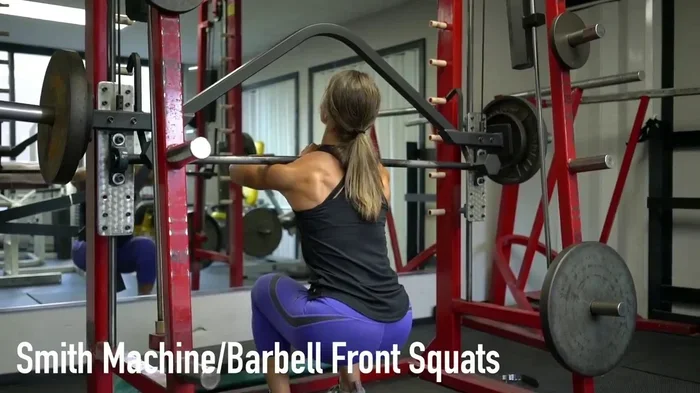
Yes, you can do barbell squats on a Smith machine, but the fixed bar path changes how your muscles work compared to a free-weight squat. The Smith machine provides stability and safety, making it a great option for beginners or those recovering from injuries. However, it also limits natural movement patterns and can place extra stress on your knees and lower back if your form is off. This guide covers everything you need to know about setting up the bar, targeting the right muscles, and avoiding common mistakes.
Barbell squats are one of the most effective exercises for building lower body strength. They target your quads, hamstrings, glutes, and core all at once. But when you step into a gym and see the Smith machine, a natural question comes up: can you do barbell squats on a Smith machine? The short answer is yes. But the longer answer is much more interesting, and it can seriously change how you train.
The Smith machine is one of the most popular pieces of gym equipment. It features a barbell fixed within steel rails, allowing it to move only up and down. This guided path makes squats feel safer and more controlled. Many lifters use the Smith machine for barbell squat variations when they want extra support or when free-weight racks are occupied. But understanding how the machine works and how it differs from a standard squat rack is key to getting the most out of your workouts.
In this article, we break down everything you need to know. From proper setup and form to the muscles worked and common mistakes, you will have a complete guide to performing barbell squats on a Smith machine safely and effectively.
Key Takeaways
- Barbell squats on a Smith machine are possible and effective: They offer a guided bar path that can help beginners learn proper squat mechanics.
- The fixed bar path changes muscle activation: Your quads may work harder while your stabilizer muscles engage less than with free-weight squats.
- Proper setup is critical: Foot placement, bar height, and grip width all affect your squat performance and safety on a Smith machine.
- Common mistakes can lead to injury: Using the wrong foot position or bouncing at the bottom of the squat puts unnecessary stress on your joints.
- The Smith machine bar weight varies: Check how heavy the barbell is on a Smith machine to calculate your total lifted weight accurately.
- Smith machine squats complement free-weight training: They are best used as a supplement to your routine, not a complete replacement for barbell squats.
📑 Table of Contents
- What Is a Smith Machine Barbell Squat?
- Muscles Worked During Smith Machine Barbell Squats
- How to Properly Set Up for Barbell Squats on a Smith Machine
- Benefits of Doing Barbell Squats on a Smith Machine
- Common Mistakes to Avoid
- Smith Machine vs. Free-Weight Barbell Squat: Which Is Better?
- Final Thoughts
What Is a Smith Machine Barbell Squat?
A Smith machine barbell squat is simply a squat performed on a Smith machine instead of a standard squat rack. The barbell is attached to vertical rails, and it slides up and down on a fixed track. This means the bar follows a straight, predetermined path as you squat.
Unlike a free-weight barbell squat where you must balance the weight and control the bar path yourself, the Smith machine removes much of the stabilization demand. Your legs still do the heavy lifting, but your body does not need to work as hard to keep the bar balanced. This makes the movement more accessible for many people.
How Does It Differ from a Free-Weight Squat?
The biggest difference is the bar path. In a free-weight squat, the bar moves in an arc that follows your natural biomechanics. Your body adjusts the bar path instinctively as you descend and ascend. On a Smith machine, the bar is locked into a straight vertical line.
This fixed path can actually force your body into positions it might not naturally choose. For example, the Smith machine may push your knees forward more than they would during a free-weight squat. It can also change how your feet and hips distribute the load. Understanding these differences helps you use the machine more effectively and avoid strain.
Many lifters also notice that the Smith machine feels heavier or lighter than expected. The barbell weight on a Smith machine can vary by model, and some machines have counterbalance systems that reduce the effective weight. This is another important factor to keep in mind when planning your sets.
Muscles Worked During Smith Machine Barbell Squats
The Smith machine barbell squat targets many of the same muscles as a traditional barbell squat. However, the fixed bar path shifts emphasis slightly. Here is a breakdown of the primary and secondary muscles involved.
Primary Muscles
- Quadriceps: The front of your thighs do the bulk of the work, especially as you push back up from the bottom of the squat.
- Glutes: Your glute muscles activate as you extend your hips, particularly when you squat to a deeper position.
- Adductors: The inner thigh muscles help stabilize your legs throughout the movement.
Secondary Muscles
- Hamstrings: These work alongside your quads, though the Smith machine may reduce their involvement slightly compared to free-weight squats.
- Core: Your abdominals and lower back engage to keep your torso upright and stable.
- Calves: Your gastrocnemius and soleus muscles assist at the bottom of the squat, especially if you use a narrow stance.
One thing to note is that the Smith machine reduces the demand on your stabilizer muscles. With a free-weight squat, your body constantly makes small adjustments to keep the bar balanced. The Smith machine removes this need, which means your stabilizers work less. This is not necessarily bad, but it is something to be aware of when designing your leg training routine.
How to Properly Set Up for Barbell Squats on a Smith Machine
Setting up correctly on the Smith machine makes a huge difference in both performance and safety. Taking a few extra minutes to dial in your position will pay off in every rep.
Step 1: Adjust the Bar Height
Set the bar at a height that allows you to unrack it comfortably without bending too far forward or standing on your toes. For most people, the bar should be at about mid-chest height when you stand facing the machine. If you are short or tall, you may need to adjust the starting position slightly.
Step 2: Choose Your Foot Placement
Foot placement is one of the most important variables. Stand with your feet shoulder-width apart or slightly wider. Your toes should point forward or slightly outward. The exact position depends on your body proportions and what feels most natural. A good starting point is to position your feet far enough forward that when you squat down, your knees track over your toes without going too far past them.
Step 3: Set the Bar on Your Back
Position the bar across your upper traps, just like you would with a free-weight barbell squat. Your hands should grip the bar with a shoulder-width or slightly wider grip. Because the Smith machine bar is fixed, you do not need to grip as tightly as you would with a free-weight bar. Keep your shoulders pulled back and your chest up.
Step 4: Unrack and Begin the Movement
Unlock the bar by rotating it on the hooks. Take a step back and plant your feet firmly. Keep your head neutral, your chest up, and your core tight. Slowly lower yourself by bending at your hips and knees. Go down until your thighs are at least parallel to the floor, or deeper if your mobility allows. Push through your heels to return to the starting position.
Quick Setup Tips
- Always warm up your hips and knees before loading the bar.
- Use the machine’s safety stops to set a bottom limit if you are training alone.
- Place a folded towel or pad on the bar if it feels uncomfortable on your shoulders.
- Check that the bar slides smoothly before you start your set.
Benefits of Doing Barbell Squats on a Smith Machine
The Smith machine offers several advantages that make it a valuable tool for many lifters. Here are the main benefits of incorporating barbell squats on a Smith machine into your routine.
1. Increased Safety and Stability
The fixed bar path means you do not have to worry about the bar tipping or shifting under heavy loads. This makes the Smith machine an excellent choice for beginners who are still learning proper squat mechanics. It is also useful when training alone, since the machine’s safeties can catch the bar if you fail a rep.
2. Easier to Target Specific Muscles
Because the bar path is fixed, you can adjust your stance and foot position to shift emphasis onto specific muscles. A wider stance with feet pointed slightly outward places more focus on the inner thighs and glutes. A narrower stance targets the quads more directly. This level of control can be helpful when you want to isolate certain muscle groups.
3. Great for Rehabilitation and Prehab
If you are recovering from a lower body injury, the Smith machine provides a controlled environment to rebuild strength. The guided bar path reduces the risk of awkward movements or imbalances that could cause re-injury. Many physical therapists recommend Smith machine squats as part of a rehabilitation program.
4. Useful When Equipment Is Limited
Not everyone has access to a full squat rack at home. The Smith machine is common in most gyms and provides a solid alternative for performing heavy barbell squats. It is also helpful when all the free-weight racks are occupied during peak hours.
5. Helps Build Confidence
For lifters who feel intimidated by heavy free-weight squats, the Smith machine provides a confidence boost. Knowing that the bar is locked into a safe path allows you to focus more on the movement itself and less on balancing the weight. Over time, this confidence can translate into better performance with free weights as well.
Common Mistakes to Avoid
Even though the Smith machine simplifies the squat movement, it is still easy to make mistakes. Here are the most common errors and how to fix them.
Mistake 1: Placing Feet Too Far Forward
When your feet are positioned too far forward, the bar path forces your knees to travel well past your toes. This places excessive stress on your knee joints and can lead to pain over time. To fix this, start with your feet directly under the bar and adjust from there based on comfort and proper knee tracking.
Mistake 2: Bouncing at the Bottom
Using momentum to bounce out of the bottom of the squat is a common error. This takes the work away from your muscles and transfers it to your tendons and ligaments, increasing injury risk. Instead, pause briefly at the bottom of each rep and then drive up with controlled force.
Mistake 3: Lifting Too Much Weight
The Smith machine can feel deceptively heavy or light depending on the machine’s counterbalance system. Do not assume the weight on the machine’s display is exactly what you are lifting. Start with a conservative weight and focus on perfect form before adding more plates.
Mistake 4: Standing Too Far from the Bar
Some lifters position themselves too far from the bar, which forces them to lean forward excessively. This puts unnecessary strain on your lower back. Keep your body close to the bar throughout the movement, with your feet directly under the barbell.
Mistake 5: Ignoring Your Natural Movement Patterns
The fixed bar path on the Smith machine does not perfectly match your body’s natural squat mechanics. If you feel any pinching, discomfort, or awkwardness, stop and reassess your setup. Your body knows what feels right, and listening to it is one of the best ways to prevent injury.
Smith Machine vs. Free-Weight Barbell Squat: Which Is Better?
Both the Smith machine and the free-weight barbell squat have their place in a well-rounded training program. The best choice depends on your goals, experience level, and individual needs.
Free-weight barbell squats are generally considered the gold standard for lower body strength training. They recruit more stabilizer muscles and promote better overall balance and coordination. If your goal is to build functional strength or improve athletic performance, free-weight squats should be your primary movement.
However, the Smith machine is not inferior. It offers a safer and more controlled environment that is ideal for beginners, those with mobility limitations, or lifters recovering from injury. The Smith machine is also excellent for targeted muscle isolation and high-rep hypertrophy work. Many experienced lifters use both tools in their routines, alternating between free-weight and Smith machine squats to get the best of both worlds.
If you are unsure which option suits you best, consider your experience level and goals. A good approach is to start with the Smith machine to build confidence and proper form, then gradually transition to free-weight squats as your strength and stability improve. You can also check out barbell rows on a Smith machine to see how other compound movements work on this equipment.
Final Thoughts
The Smith machine is a versatile and valuable piece of equipment that can help you perform effective barbell squats safely. Whether you are a beginner learning the movement, an experienced lifter looking for variety, or someone recovering from an injury, barbell squats on a Smith machine can be a great addition to your training program.
The key is to set up properly, focus on controlled movement, and avoid the common mistakes outlined above. Remember that the Smith machine is a tool, and like any tool, it works best when used correctly and with intention. Do not be afraid to experiment with foot placement, stance width, and squat depth to find what works best for your body.
Most importantly, always prioritize form over weight. A perfect rep with lighter weight will always serve you better than a sloppy rep with heavy weight. Keep these tips in mind, stay consistent with your training, and you will see steady progress in your leg strength and overall fitness.
Frequently Asked Questions
Is a Smith machine barbell squat as effective as a free-weight squat?
Smith machine squats are effective but work your muscles slightly differently. The fixed bar path reduces stabilizer muscle activation, meaning your quads and glutes do more of the work while smaller stabilizing muscles engage less. For pure strength and muscle building, both are valuable, but free-weight squats offer more overall functional benefits.
How much does the Smith machine bar weigh?
The bar weight on a Smith machine varies by model. Most standard Smith machine bars weigh between 15 and 25 pounds, though some counterbalanced machines reduce the effective weight further. Always check your specific machine and factor the bar weight into your total lifted weight.
Can beginners safely do barbell squats on a Smith machine?
Absolutely. The Smith machine is one of the best tools for beginners learning the squat movement. The guided bar path provides stability and reduces the risk of losing balance. Start with an empty bar or very light weight, focus on mastering the form, and gradually increase the load over time.
Should I use the Smith machine or free weights for leg day?
A good leg day routine can include both. Use free-weight squats as your primary compound movement for overall strength, and add Smith machine squats for targeted muscle work, higher reps, or as a safer option when training alone. The combination gives you the best of both worlds.
Can Smith machine squats help with knee pain?
They can, but it depends on the cause of the pain. The Smith machine’s fixed path can reduce awkward joint stress and provide a controlled environment for rehabilitation. However, if you place your feet too far forward or use poor form, it can actually make knee pain worse. Consult a physical therapist or trainer before using the Smith machine for knee issues.
What is the best foot placement for Smith machine barbell squats?
The best foot placement varies by body type and goals. A general starting point is shoulder-width apart with feet directly under the bar. To target more quads, move your feet slightly back. To emphasize glutes and hamstrings, try a wider stance with toes pointed slightly outward. Adjust until the movement feels natural and controlled.