How to Do Bent Over Barbell Rows Properly

The bent over barbell row is one of the best exercises for building a strong, well-developed back. This guide covers proper form, muscle targets, and common mistakes so you can train safely and effectively. Whether you are a beginner or intermediate lifter, mastering this movement will transform your upper body strength.
The bent over barbell row is a classic compound exercise that builds a powerful, muscular back. It has been a staple in strength training programs for decades, and for good reason. This movement targets multiple muscle groups at once, making it incredibly efficient for building upper body strength and size.
Many lifters struggle with their rowing form, though. They round their backs, swing the weight, or use too much momentum. These mistakes reduce results and increase injury risk. That is exactly why this guide exists.
Proper bent over barbell row technique ensures you get the most out of every rep. You will learn the correct setup, the muscles you are working, and how to avoid the errors that hold most people back. Whether you are new to weightlifting or looking to refine your form, this guide has you covered.
Key Takeaways
- Perfect Form Matters: Maintaining a flat back and controlled movement is essential for targeting the right muscles and preventing injury.
- Multiple Muscles Work Together: The bent over barbell row engages your lats, rhomboids, traps, and erector spinae for complete back development.
- Grip Width Changes Everything: Adjusting your grip shifts focus between different back muscles and affects your range of motion.
- Avoid These Common Mistakes: Rounding your back, using momentum, and lifting too much weight are the top errors that cause injury.
- Progressive Overload Drives Results: Gradually increasing weight and volume over time ensures continuous strength and muscle gains.
📑 Table of Contents
- Why the Bent Over Barbell Row Deserves a Spot in Your Routine
- Muscles Targeted by the Bent Over Barbell Row
- Step-by-Step Guide to Perfect Bent Over Barbell Row Form
- Common Mistakes That Ruin Your Bent Over Barbell Row
- Variations to Keep Your Back Workouts Fresh
- Programming Tips for the Best Results
- Equipment and Setup Tips
- Expert Insights on Bent Over Barbell Rows
- Frequently Asked Questions
- Final Thoughts
Why the Bent Over Barbell Row Deserves a Spot in Your Routine
The bent over barbell row is not just another back exercise. It is a foundational movement that delivers serious results. Here is why you should consider making it a regular part of your training.
It Hits Multiple Muscles at Once
One of the biggest advantages of the barbell row exercise is its ability to work several muscles simultaneously. The primary target is the latissimus dorsi, the large muscles that give your back its V-shaped look. But the movement does not stop there.
Your rhomboids and middle traps pull your shoulder blades together during each rep. The erector spinae along your spine work hard to keep your torso stable. Even your biceps and forearms get involved as you pull the bar toward your body. This makes the bent over row a fantastic compound exercise for overall back development.
It Builds Functional Strength
Beyond aesthetics, the barbell row builds real-world strength. The pulling motion mimics many everyday and athletic movements. A strong back improves your posture, supports your shoulders, and protects your spine during other lifts like deadlifts and squats.
Many athletes include rowing variations in their programs because the rowing movement strengthens the posterior chain. This chain of muscles runs along the back of your body and plays a key role in nearly every horizontal and vertical pull you perform.
It Supports Muscle Balance
Most people focus heavily on pushing exercises like bench presses. This can create muscle imbalances over time. The bent over row balances out your routine by strengthening the muscles you push against. A balanced physique is not only more attractive but also much healthier for your joints and connective tissues.
Muscles Targeted by the Bent Over Barbell Row
Understanding which muscles work during each rep helps you train with intention. Let us break down the primary and secondary movers involved in this exercise.
Primary Muscles
- Latissimus Dorsi: The large back muscles responsible for the pulling motion. They are the main drivers of every rep.
- Rhomboids: Located between your shoulder blades, these muscles retract your scapulae and improve posture.
- Middle Trapezius: Works alongside the rhomboids to stabilize your shoulder blades during the row.
Secondary Muscles
- Erector Spinae: These muscles run along your spine and keep your torso rigid throughout the movement.
- Rear Deltoids: The back portion of your shoulders assists with the pulling motion, especially at the top of each rep.
- Biceps Brachii: Your biceps act as secondary movers as you pull the bar toward your lower chest.
- Forearms: Your grip muscles work hard to hold the bar, especially with heavier loads.
Knowing which muscles are working helps you feel the muscle activation during each set. If you do not feel your back doing the work, your form likely needs adjustment.
Step-by-Step Guide to Perfect Bent Over Barbell Row Form
Proper form is the single most important factor in the bent over barbell row. Follow these steps carefully to get the most from every rep.
Step 1: Set Up Your Stance
Stand with your feet shoulder-width apart. Your toes should point slightly outward. Bend your knees just slightly, about 15 to 20 degrees. This gives you a stable base and helps protect your lower back.
Keep your weight evenly distributed across your whole foot. Avoid leaning too far forward or backward. Your body should feel balanced and grounded from the start.
Step 2: Hinge at the Hips
This is the most critical part of the setup. Push your hips back while keeping your back straight. Your torso should angle forward at about 45 degrees. Do not drop too low, or you will put excessive strain on your lower back.
Think of it like you are about to close a drawer with your hip. Your chest should be proud and lifted, not rounded. Maintain this bent over row form throughout every single rep.
Step 3: Grip the Bar Correctly
Grab the bar with an overhand grip, palms facing down. Your hands should be slightly wider than shoulder-width apart. A wider grip places more emphasis on your upper back and rear delts. A narrower grip shifts more work to your lats and biceps.
Wrap your thumbs fully around the bar. This full grip prevents the bar from rolling and gives you better control. If you find your forearms tiring quickly, your grip may be too narrow.
Step 4: Pull the Bar to Your Body
Take a deep breath and brace your core. Pull the bar toward your lower chest or upper abdomen, leading with your elbows. Squeeze your shoulder blades together at the top of the movement. Hold this squeeze for a brief moment to maximize muscle activation.
Control the bar as you lower it back to full arm extension. Do not just drop it. The lowering phase is just as important as the pulling phase for building muscle and strength.
Step 5: Repeat with Control
Perform each rep in a smooth, controlled tempo. Avoid jerking or swinging the bar. A good rhythm is about two seconds up and two seconds down. This tempo keeps your back muscles under constant tension and maximizes the effectiveness of each rep.
Common Mistakes That Ruin Your Bent Over Barbell Row
Even experienced lifters make mistakes with this exercise. Recognizing these errors early can save you from injury and wasted effort.
Rounding Your Back
This is the most dangerous mistake you can make. When your spine rounds forward, it places enormous stress on your lumbar discs. Over time, this can lead to serious back injuries.
Always keep your back flat and neutral. If you feel your lower back starting to round, stop the set immediately. It is better to reduce the weight than to risk injury. Check out our guide on how to do barbell rows without hurting your back for more tips on protecting your spine.
Using Momentum to Swing the Weight
Many lifters use a jerking motion to get the bar moving. This turns the exercise into a momentum-based movement rather than a true strength exercise. Your back muscles stop doing the work, and your lower back takes on unnecessary stress.
Reduce the weight until you can control every rep. Focus on squeezing your back muscles at the top of each pull. Quality always beats quantity when it comes to rowing.
Lifting Too Much Weight Too Soon
Ego lifting is a fast track to poor form and injury. If you cannot complete a rep with proper technique, the weight is too heavy. Start with a manageable load and focus on mastering the movement pattern first.
Gradually increase the weight over weeks and months. This approach, known as progressive overload, builds strength safely and effectively over time.
Shrugging Your Shoulders Up
Some lifters unconsciously shrug their shoulders toward their ears during each rep. This shifts tension away from your back muscles and onto your traps in an unhelpful way.
Keep your shoulders pulled down and back throughout the movement. Think about squeezing a pencil between your shoulder blades to maintain proper positioning.
Variations to Keep Your Back Workouts Fresh
The standard bent over barbell row is excellent, but adding variations keeps your muscles guessing and prevents plateaus. Here are some effective alternatives to try.
Pendlay Row
The Pendlay row starts with the bar on the floor each rep. This variation eliminates momentum and forces you to pull from a dead stop. It is a fantastic way to build raw strength and improve your barbell row technique.
T-Bar Row
The T-bar row uses a special landmine attachment or a corner of a room. It allows for a neutral grip, which is easier on the shoulders for many lifters. The angled position also places unique emphasis on your upper back. Check out our detailed guide on how to do T bar rows with a barbell for step-by-step instructions.
Single-Arm Dumbbell Row
If you want to focus on one side at a time, the single-arm dumbbell row is a great option. It helps identify and correct strength imbalances between your left and right sides. You can also use this variation to really focus on the mind-muscle connection with each rep.
For a full breakdown of the dumbbell version, see our article on how to do a bent over row with dumbbells.
Programming Tips for the Best Results
Knowing how to perform the exercise is only half the battle. You also need to train it smartly to see real progress.
Sets and Reps for Different Goals
Your rep range should match your training goal. For strength, aim for 3 to 5 sets of 4 to 6 reps with heavier weight. For muscle building, use 3 to 4 sets of 8 to 12 reps with moderate weight. For endurance and conditioning, try 3 sets of 15 to 20 reps with lighter weight.
Most lifters benefit from training barbell rows 1 to 2 times per week. Allow at least 48 hours of rest between sessions targeting the same muscle groups. This gives your muscles time to recover and grow stronger.
Pair It With the Right Exercises
The bent over barbell row pairs well with exercises that complement your back training. Try pairing it with pull-ups, lat pulldowns, or face pulls for a complete back workout. Avoid pairing it with heavy deadlifts on the same day, as your lower back will already be fatigued.
If you want guidance on how many sets to include in your program, check out our article on how many sets of barbell rows should I do for detailed programming advice.
Warm Up Before You Row
Always warm up your back and shoulders before heavy rowing. A few light sets with an empty bar or very light weight prepares your muscles and joints for the working sets. Dynamic stretches like arm circles and cat-cow movements also help increase blood flow and mobility.
Warming up is especially important for the bent over barbell row because the exercise places significant stress on your lower back. A proper warm-up reduces injury risk and improves performance in your working sets.
Equipment and Setup Tips
You do not need much equipment to perform the bent over barbell row effectively. Here are a few setup tips to get the most from your training.
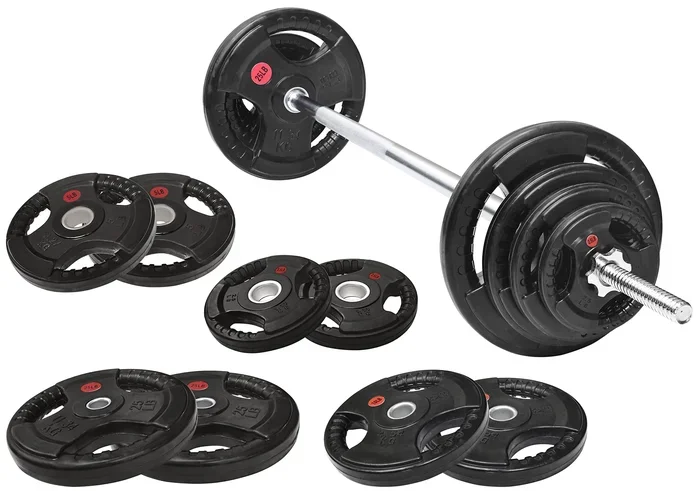
- Barbell: A standard Olympic barbell (45 pounds / 20 kg) works perfectly for most lifters.
- Weight Plates: Start with lighter plates and add weight gradually. Rubber-coated plates are gentler on your floors and quieter.
- Lifting Belt: A belt can help support your lower back during heavy sets, but it should not replace proper bracing technique.
- Flat Shoes: Wear flat-soled shoes like Converse or weightlifting shoes for a stable base. Avoid cushioned running shoes that reduce your grounding.
The right setup makes a noticeable difference in your performance and safety. Take the time to dial in your equipment before adding serious weight to the bar.
Expert Insights on Bent Over Barbell Rows
Experienced coaches and athletes emphasize a few key principles that separate effective rowing from risky rowing. Here is what the experts want you to know.
Focus on the mind-muscle connection. Before each rep, consciously think about squeezing your back muscles. This mental focus dramatically improves muscle activation and results. You are not just pulling a weight. You are training your back to grow stronger.
Keep your elbows close to your body. Flaring your elbows out changes the mechanics of the movement and reduces back muscle engagement. Tuck your elbows in at about a 45-degree angle from your torso for optimal results.
Breathe properly. Inhale at the bottom of each rep and exhale as you pull the bar up. Proper breathing supports your core and maintains intra-abdominal pressure, which protects your spine during heavy sets.
Train your rows with intention. Every set should have a clear purpose. Whether you are building strength, adding muscle, or improving endurance, each rep should be deliberate and controlled.
Frequently Asked Questions
What is the difference between a bent over barbell row and a T-bar row?
The main difference lies in the setup and grip. The bent over barbell row uses a standard overhand grip with the barbell held in your hands while bent over. The T-bar row uses a landmine attachment with a neutral grip and a more upright torso angle. Both are excellent back exercises, but the T-bar row places slightly less stress on the lower back.
How often should I train bent over barbell rows?
Most lifters benefit from training barbell rows 1 to 2 times per week. This allows enough recovery time for your back muscles to repair and grow stronger. If you train rows twice per week, keep the volume moderate on the second session to avoid overtraining.
Can beginners do bent over barbell rows safely?
Yes, beginners can perform the bent over barbell row safely with proper guidance. Start with an empty bar or very light weight and focus entirely on mastering the form. Once you feel confident in your technique, gradually add weight. The bent over row technique is straightforward but demands attention to detail, especially for newcomers.
Should I use an overhand or underhand grip for barbell rows?
An overhand grip is the standard and safest choice for most lifters. It emphasizes the upper back muscles and places less stress on the biceps and shoulders. An underhand grip can be used occasionally to add variety, but it may increase shoulder strain for some people. Stick with the overhand grip as your default for consistent, safe progress.
Why do my lower back muscles hurt after barbell rows?
Lower back pain during barbell rows usually signals poor form. The most common causes are rounding your back, using too much weight, or hyperextending at the top of each rep. Reduce the weight, focus on keeping your back flat, and brace your core firmly. If the pain persists, consult a healthcare professional before continuing the exercise.
Can bent over barbell rows help improve my deadlift?
Absolutely. The bent over barbell row strengthens many of the same muscles used in the deadlift, including your erector spinae, lats, and grip. A strong back provides better stability and support during heavy deadlifts. Including rows in your routine creates a balanced training approach that benefits your overall pulling strength.
Final Thoughts
The bent over barbell row is one of the most effective exercises you can perform for building a strong, muscular back. It works multiple muscle groups, builds functional strength, and creates a balanced physique. But all of these benefits depend on one thing: proper form.
Take the time to learn the correct technique. Avoid the common mistakes that derail most lifters. Use the variations and programming tips in this guide to keep your training fresh and progressive. Every rep you perform with intention brings you closer to a stronger, more confident version of yourself.
Start with lighter weight, focus on your bent over barbell row form, and trust the process. Your back will thank you for it. Now get to the gym and put in the work. Your stronger, more muscular back starts today.