How to Clean Rust Off of a Barbell

Cleaning rust off a barbell is easier than most lifters think. With the right tools like vinegar, baking soda, or a rust dissolver, you can restore your barbell to like-new condition in under an hour. This guide walks you through every method, prevention tip, and maintenance habit to keep your barbell rust-free and performing at its best.
There is nothing more frustrating than grabbing your barbell for a workout only to find it covered in rust. Whether you have a knurled barbell that has been sitting in a humid garage or a chrome barbell that has seen better days, rust is a common problem for weightlifters. The good news is that removing rust from a barbell is straightforward, affordable, and takes less time than you might expect.
In this guide, we will walk you through every method for cleaning rust off a barbell, from simple household solutions to commercial products. We will also cover how to prevent rust from coming back and how to keep your barbell in top shape for decades. Whether you are a casual lifter or a serious competitor, this article has everything you need.
Before we dive in, let us talk about why barbells rust in the first place. Understanding the cause helps you fight it more effectively. Barbells are typically made from steel, iron, or chrome-plated steel. When these metals are exposed to moisture, oxygen, and sweat, a chemical reaction called oxidation occurs. This reaction creates iron oxide, which we know as rust. The knurling on a barbell, while great for grip, creates tiny grooves where moisture can hide and accelerate the rusting process. This is why barbells used in humid environments or left out in the open are especially vulnerable.
Key Takeaways
- White vinegar and baking soda are the most accessible and effective rust removal methods for barbells.
- Regular cleaning after every workout prevents rust from forming in the first place.
- Proper storage in a dry environment is the single biggest factor in barbell longevity.
- WD-40 and mineral oil make excellent protective coatings for your barbell surface.
- Rust on a barbell does not compromise its structural integrity in most cases, but it should still be addressed for hygiene and performance.
- Prevention is always easier than removal, so build a simple maintenance routine.
📑 Table of Contents
Why Rust Forms on Barbells
Rust is not just an aesthetic issue. It can affect your grip, make the barbell feel rough and uncomfortable, and in severe cases, flake off and get into your hands during lifts. Understanding the root causes of rust helps you take the right approach to both removal and prevention.
The Role of Moisture
Moisture is the number one enemy of any steel barbell. When you sweat during a workout, the moisture from your hands combines with the metal surface. Over time, this creates the perfect environment for oxidation. If you do not wipe down your barbell after each session, that moisture sits on the surface and starts the rusting process almost immediately. Even ambient humidity in a room can cause rust over time, especially if the barbell is stored near a window or in an unfinished basement.
Sweat and Salt Buildup
Sweat is not just water. It contains salt and other minerals that are highly corrosive to metal. When sweat evaporates on the surface of a barbell, it leaves behind a residue of salt crystals. These crystals attract more moisture from the air, creating a cycle that accelerates rust formation. This is why athletes who train frequently without cleaning their equipment often notice rust developing faster than casual lifters.
Storage Conditions
Where you store your barbell matters enormously. A barbell left on a rack in a damp garage will rust far faster than one stored in a climate-controlled space. Even the type of rack you use can contribute to rust. Rubber-coated racks can trap moisture against the barbell, creating pockets of humidity that speed up the oxidation process. If possible, store your barbell in a dry area with good air circulation.
How to Assess the Rust on Your Barbell
Not all rust is created equal. Before you start cleaning, it helps to evaluate how bad the rust is so you can choose the right method.
Surface Rust
Surface rust looks like a thin, reddish-brown film on the barbell. It is the most common type and the easiest to remove. If you run your finger across the bar and feel a slight roughness but no deep pitting, you are dealing with surface rust. This type of rust can usually be removed with household items like vinegar, baking soda, or even a simple steel wool pad.
Deep Rust and Pitting
Deep rust appears as dark, rough patches with visible pitting in the metal. This type of rust has been developing for a longer time and requires more aggressive treatment. If your barbell has deep pitting, you may need to use a rust dissolver, a wire brush, or even sandpaper to restore the surface. While deep rust is harder to remove, it is still manageable in most cases. The barbell will not be structurally compromised unless the rust has eaten through the metal entirely, which is extremely rare.
Chrome vs. Bare Steel
The type of barbell you have also affects your approach. Chrome barbells have a protective coating that makes them more resistant to rust, but when rust does form on chrome, it tends to spread under the coating. Bare steel barbells, including black oxide and bare knurled bars, rust more easily but are also easier to treat because the rust sits on the surface rather than hiding under a layer of plating.
Methods for Removing Rust from a Barbell
Now for the part you have been waiting for. Here are the most effective methods for removing rust from a barbell, ranked from simplest to most intensive.
Method 1: Vinegar Soak
White distilled vinegar is one of the most effective and affordable rust removers available. The acetic acid in vinegar dissolves rust without damaging the underlying metal. To use this method, pour white vinegar into a container large enough to submerge the rusted portion of your barbell. Let the barbell soak for two to four hours. After soaking, scrub the surface with a Scotch-Brite pad or steel wool. Rinse thoroughly with water and dry immediately with a clean towel. You may need to repeat the process for stubborn rust spots.
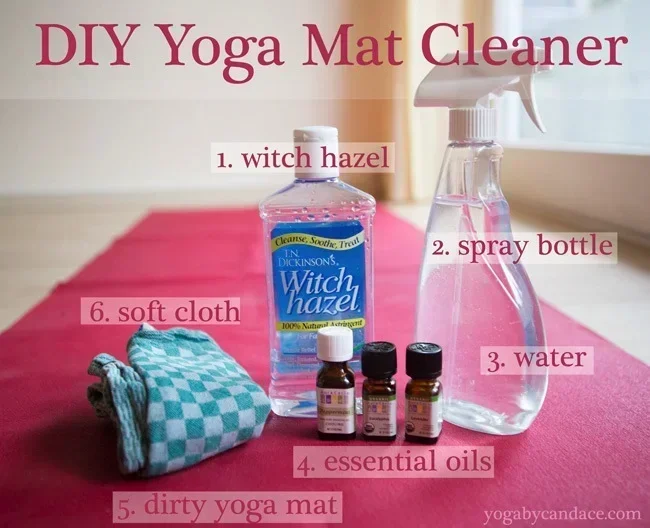
If you are looking for a more thorough cleaning approach that also involves soaking, you might find it helpful to check out how to clean a yoga mat in the bathtub, as the soaking technique shares similar principles for tackling tough grime and buildup.
Method 2: Baking Soda Paste
Baking soda is a gentle abrasive that works well for light to moderate rust. Mix three parts baking soda with one part water to form a thick paste. Apply the paste directly to the rusted areas and let it sit for thirty minutes. Scrub the area with a soft brush or cloth in circular motions. The baking soda will lift the rust without scratching the underlying metal. Rinse with warm water and dry completely. For best results, you can combine baking soda with a small amount of vinegar to create a fizzy reaction that helps break up the rust faster.
Baking soda is also a go-to solution for general cleaning tasks around the gym. If you want to learn more about using baking soda for fitness equipment, you can explore how to clean a yoga mat with baking soda, which covers similar techniques applicable to barbell maintenance.
Method 3: WD-40 and Oil Soak
WD-40 is a penetrating oil that works wonders on rust. Spray a generous amount directly onto the rusted areas and let it sit for at least one hour. For heavy rust, you can soak a rag in WD-40 and wrap it around the affected section overnight. After the soaking period, scrub the rust away with steel wool or a stiff brush. WD-40 not only removes rust but also leaves a protective layer that helps prevent future oxidation. Follow up with a light coat of mineral oil for added protection.
Method 4: Commercial Rust Removers
If household methods are not cutting it, commercial rust removers are a powerful option. Products like Evapo-Rust, Naval Jelly, and Ospho are specifically designed to dissolve rust on metal surfaces. These products are widely available at hardware stores and online. Always follow the manufacturer instructions when using commercial rust removers. Most require you to apply the product, wait a specified time, and then rinse and dry the barbell thoroughly. Commercial removers tend to be more expensive than household options, but they are highly effective for severe rust.
Method 5: Sandpaper and Steel Wool
For deep rust and pitting, physical abrasion is often necessary. Start with coarse-grit sandpaper (around 80 grit) to remove the bulk of the rust. Work your way up to finer grits (220 and above) to smooth the surface. Steel wool is another excellent option, especially for reaching into the knurling grooves where rust loves to hide. Be careful not to remove too much material, as this can affect the barbell’s diameter and knurling pattern. This method works best when combined with a chemical rust remover for the best results.
Preventing Rust on Your Barbell
Removing rust is only half the battle. The real key to a long-lasting barbell is preventing rust from returning. Here are the best practices for keeping your barbell in pristine condition.
Wipe Down After Every Use
This is the single most important habit you can develop. After every workout, take a clean towel and wipe down the entire barbell. Pay special attention to the knurling, where sweat and moisture tend to accumulate. A quick two-minute wipe-down after each session can add years to the life of your barbell. Keep a dedicated gym towel or microfiber cloth near your lifting area to make this habit effortless.
Apply a Protective Coating
After cleaning your barbell, apply a thin layer of protective oil. Mineral oil, camellia oil, and dedicated barbell oils like Burgol are excellent choices. These oils create a barrier between the metal and the air, preventing moisture from reaching the surface. Apply a small amount to a cloth and rub it evenly across the entire barbell, including the sleeves and shaft. Reapply the oil once a week if you train frequently, or after every session if you live in a humid climate.
Store in a Dry Location
Storage location plays a huge role in rust prevention. Avoid storing your barbell in areas with high humidity, such as basements, garages without climate control, or near exterior walls. If you must store your barbell in a humid area, consider using a dehumidifier or a barbell storage rack that allows air circulation. Some lifters also use silica gel packets or rust-inhibiting VCI (volatile corrosion inhibitor) strips placed near their stored equipment.
Use Barbell Collars and Covers
Barbell sleeves are the ends of the bar where you load plates. These areas are especially prone to rust because they are often exposed to moisture from plates and the environment. Consider using barbell sleeve covers or wraps to protect these vulnerable areas. Additionally, using proper barbell collars ensures that plates sit securely and do not slide around, which can scratch the protective coating and expose bare metal to moisture.
Common Mistakes When Cleaning a Barbell
Even with the best intentions, lifters often make mistakes that can damage their barbell or make rust worse. Here are the most common errors to avoid.
Using Harsh Chemicals
Bleach, ammonia, and abrasive household cleaners may seem like strong solutions, but they can damage the finish of your barbell. Bleach, in particular, is highly corrosive to steel and can actually accelerate rust formation. Stick to gentle, metal-safe cleaning solutions like vinegar, baking soda, and dedicated rust removers.
Leaving the Barbell Wet
One of the biggest mistakes is cleaning the barbell and then leaving it wet to air dry. Air drying leaves water droplets on the surface, which immediately begin the rusting process. Always dry your barbell thoroughly with a clean towel after cleaning, paying extra attention to the knurling and any grooves or crevices.
Skipping Regular Maintenance
Many lifters only think about cleaning their barbell when rust has already appeared. By that point, the rust has had time to establish itself and do damage. A regular maintenance routine, even if it is just a quick wipe-down, is far more effective than occasional deep cleaning sessions.
Using Steel Wool on Chrome Barbells
While steel wool is great for bare steel barbells, it can scratch the chrome plating on chrome barbells. Once the chrome is scratched, the exposed steel underneath is even more vulnerable to rust. For chrome barbells, use a softer abrasive like a Scotch-Brite pad or a nylon brush instead.
Expert Tips for Long-Term Barbell Care
Beyond the basics, there are several expert-level habits that serious lifters use to keep their barbells in perfect condition for years.
First, consider applying a thin layer of paste wax to your barbell after cleaning. Paste wax creates a durable protective barrier that lasts longer than oil alone. Apply a thin coat with a soft cloth, buff it out, and your barbell will be ready for months of use without needing reapplication.
Second, if you train with chalk, make sure to brush it off after your session. Chalk may seem harmless, but it absorbs moisture from your hands and holds it against the barbell surface. Regular chalk buildup can create micro-environments where rust thrives. A simple chalk brush or a quick wipe with a dry cloth solves this problem.
Third, inspect your barbell regularly for early signs of rust. Catching surface rust early makes removal much easier and prevents it from developing into deep pitting. A monthly inspection routine takes just a few minutes and can save you from extensive restoration work down the road.
Finally, if you live in a coastal area or a particularly humid climate, consider investing in a rust-resistant barbell or upgrading to a stainless steel or ceramic-coated option. These barbells are designed to withstand harsh environments and require less maintenance than standard steel barbells.
Conclusion
Cleaning rust off a barbell does not have to be a daunting task. With the right methods and a consistent maintenance routine, you can keep your barbell looking and performing like new. Whether you choose vinegar, baking soda, WD-40, or a commercial rust remover, the key is to act quickly when you notice rust forming. Prevention through regular cleaning, proper storage, and protective coatings is always the best strategy. Your barbell is an investment in your fitness journey, and taking care of it ensures it will support your lifts for years to come. Start today, and your future self will thank you every time you pick up that clean, smooth barbell for your next workout.
Frequently Asked Questions
Can rust on a barbell make you sick?
Surface rust on a barbell is not typically harmful to your health, but it can harbor bacteria and grime in the grooves. It is always best to clean rust off your barbell before using it, especially if you have any open cuts or abrasions on your hands. A thorough cleaning removes both the rust and any bacteria that may have accumulated on the surface.
Will rust removal damage my barbell’s knurling?
If done carefully, rust removal should not significantly damage the knurling. However, aggressive methods like heavy sanding or harsh chemical treatments can wear down the knurling pattern over time. Always use the gentlest method that is effective for the level of rust you are dealing with, and avoid applying excessive pressure when scrubbing.
How often should I clean my barbell to prevent rust?
You should wipe down your barbell after every single workout session. A deeper cleaning with vinegar or baking soda should be done at least once a month, or more frequently if you train in a humid environment. Consistency is the most important factor in rust prevention.
Is rust on a barbell a sign that the barbell is unsafe to use?
In most cases, rust does not make a barbell unsafe. Surface rust affects the appearance and grip but does not compromise the structural integrity of the bar. However, if the rust has caused significant pitting or thinning of the metal, it is worth inspecting the barbell carefully. If in doubt, consult the manufacturer or a qualified professional.
What is the best oil to use on a barbell after cleaning?
Mineral oil is the most popular and affordable option for barbell maintenance. Camellia oil is a premium alternative that is widely used in the weightlifting community. WD-40 can also be used as a short-term protective layer, but it is not as long-lasting as dedicated barbell oils. Avoid cooking oils like olive oil or vegetable oil, as they can go rancid and attract dirt.
Can I prevent rust on a barbell without chemicals?
Yes. The most effective chemical-free prevention method is to keep your barbell dry and store it in a low-humidity environment. Wiping it down after every use, using chalk brushes, and applying a thin layer of paste wax are all natural, chemical-free ways to protect your barbell from rust.