Do You Need a Mat Under an Elliptical

Do you need a mat under an elliptical? The short answer is yes — placing a mat under your elliptical machine protects your floors, reduces noise, and improves stability. A proper elliptical mat also absorbs sweat and vibration, keeping your home gym clean and safe. This guide covers everything you need to choose the right workout mat and avoid common mistakes.
You just got your shiny new elliptical machine home. You unbox it, assemble it, and place it right where you want it. Then you hop on for your first workout — and you notice something. The machine rocks slightly. There’s a faint scratching sound against the floor. Sweat drips down and pools on the hardwood beneath you.
Sound familiar? This is exactly why the question do you need a mat under an elliptical comes up so often. The answer is not as simple as “yes” or “no.” It depends on your floor type, your machine, and how seriously you take protecting your home gym. But in most cases, a mat makes a real difference.
A good exercise equipment mat does more than just look nice under your gear. It protects surfaces, reduces noise, and gives your machine a stable base. Whether you have a compact under-desk model or a full-size commercial-grade elliptical, the surface beneath it matters more than most people realize.
Key Takeaways
- Floor Protection: A mat prevents scratches, dents, and damage to hardwood, tile, or laminate floors from your elliptical’s weight and movement.
- Noise Reduction: An elliptical mat dampens vibration and operational noise, making workouts more comfortable for you and your neighbors.
- Stability and Safety: A level, non-slip surface keeps your machine steady during intense cardio sessions, reducing wobble and injury risk.
- Sweat and Moisture Control: Rubber or foam mats absorb sweat drips, protecting your flooring from moisture damage and making cleanup easier.
- Right Size Matters: Choose a mat that extends beyond the elliptical’s footprint on all sides for maximum protection and a clean look.
📑 Table of Contents
- Why You Should Put a Mat Under Your Elliptical
- Do You Actually Need One? It Depends on Your Situation
- Types of Mats That Work Best Under an Elliptical
- How to Choose the Right Size Mat
- Common Mistakes People Make With Elliptical Mats
- Quick Tips for the Best Setup
- How a Mat Compares to Other Floor Protection Options
- Final Thoughts
Why You Should Put a Mat Under Your Elliptical
Let’s start with the big question. Why bother with a mat at all? Your elliptical probably came with rubber feet or pads already attached. So what’s the problem?
The truth is that even the best ellipticals can cause damage over time. The constant pedaling motion creates lateral force. The machine weighs anywhere from 50 to 300 pounds. And during a sweaty cardio session, moisture finds its way to the floor. Without a proper barrier, all of this adds up.
Floor Protection
Hardwood floors are especially vulnerable. The metal feet of an elliptical can scratch the surface over hundreds of workout sessions. Tile and laminate floors can chip or crack under heavy pressure. A gym floor mat acts as a buffer between your machine and the floor, absorbing the impact and preventing permanent damage.
Even carpeted floors benefit. Ellipticals can dent carpet padding and compress fibers over time. A thick rubber mat distributes the weight evenly, preserving your carpet’s shape and cushioning.
Noise and Vibration Control
If you’ve ever used an elliptical early in the morning or late at night, you know the noise can travel. The pedals create a rhythmic tapping or grinding sound. The flywheel generates vibration that travels through the floor and into the rooms below.
A quality elliptical mat dampens both noise and vibration significantly. This is especially important if you live in an apartment or have downstairs neighbors. A mat absorbs the mechanical hum and keeps your workouts neighbor-friendly.
Sweat and Moisture Damage
Let’s talk about sweat. During a hard cardio session, your body produces a lot of it. Some of that sweat drips off your feet and hands onto the floor. Over time, moisture can warp hardwood, stain laminate, or create mold and mildew on carpet.
A waterproof rubber mat or equipment pad catches sweat and prevents it from reaching your flooring. Most mats are easy to wipe down or throw in the wash, making post-workout cleanup a breeze.
Do You Actually Need One? It Depends on Your Situation
Not everyone needs a mat under their elliptical. Your situation might fall into one of these categories. Let’s break it down so you can decide for yourself.
When You Definitely Need a Mat
You should place a mat under your elliptical if any of these apply to you:
- You have hardwood, laminate, or tile floors that are expensive or hard to replace
- You live in an apartment or shared building where noise travels easily
- You sweat heavily during workouts
- Your elliptical weighs over 100 pounds
- Your machine wobbles or rocks on the floor
- You plan to keep the elliptical in one spot for a long time
If these points describe your setup, a mat is not just helpful — it’s essential. Skipping it could lead to costly floor repairs or unhappy neighbors.
When You Might Skip the Mat
On the other hand, you might get away without a mat if:
- Your elliptical sits on thick carpet that already absorbs vibration
- You have a very light machine under 50 pounds
- You use the elliptical infrequently
- You have a dedicated garage or basement floor that’s already protected
Even in these cases, a mat still offers benefits. But the urgency is lower. Think of it as insurance rather than a necessity.
Types of Mats That Work Best Under an Elliptical
Not all mats are created equal. The wrong type can slide around, compress too quickly, or fail to protect your floor. Here are the best options for elliptical placement.
Rubber Floor Mats
Rubber mats are the gold standard for heavy equipment. They are durable, waterproof, and provide excellent vibration dampening. Thick rubber mats (about 1/4 inch or more) handle the weight of most ellipticals without buckling.
Look for mats with a textured, non-slip surface on both sides. This prevents the mat from sliding on the floor and keeps the elliptical from shifting on top of it. Rubber mats are easy to clean and last for years.
EVA Foam Mats
EVA foam mats are lighter and more affordable than rubber. They work well for lighter ellipticals and provide decent shock absorption. However, they may compress over time under heavy machines, so they need replacing more often.
These mats are a good choice if you want something quick and easy to install. They come in interlocking tiles that let you customize the size to fit your machine perfectly.
Cardio Equipment Mats
Some brands sell mats specifically designed for cardio machines. These are pre-sized to fit standard equipment footprints and often include moisture barriers. They tend to be more expensive but are purpose-built for the job.
If you want a clean, professional look in your home gym, a dedicated cardio mat is worth the investment. They also often come with edges that prevent curling and tripping hazards.
How to Choose the Right Size Mat
Size matters more than you might think. A mat that’s too small won’t protect your floor properly. A mat that’s too big looks cluttered and wastes space.
To find the right size, measure your elliptical’s footprint. Include the width and length of the machine at its widest points. Then add at least 6 inches on every side. This buffer zone catches sweat drips and catches any small debris that might get kicked out during workouts.
Also check the mat’s thickness. For most ellipticals, 1/4 inch to 1/2 inch works well. Thicker mats provide more cushioning but may make it harder to get on and off the machine. Find the balance that works for your body and your floor type.
As a general rule, a mat that measures at least 4 feet by 6 feet covers most standard ellipticals comfortably. If you have a compact or under-desk model, you can go smaller. Always measure twice before you buy.
Common Mistakes People Make With Elliptical Mats
Even with the best intentions, people make mistakes when setting up their elliptical mats. Here are the most common ones — and how to avoid them.
Choosing a Mat That’s Too Small
This is the number one mistake. A mat that barely covers the machine’s base leaves floor edges exposed. Sweat still reaches your flooring. The elliptical can still scratch the surrounding area. Always go bigger than you think you need.
Ignoring Mat Thickness
A thin yoga-style mat might look nice, but it won’t do much for a heavy elliptical. The machine’s weight will compress it flat within weeks. You need a mat thick enough to maintain its structure under load. Look for at least 1/4 inch of thickness for most machines.
Skipping the Non-Slip Feature
A mat that slides around on the floor is worse than no mat at all. It can shift during workouts, creating a tripping hazard. Always choose a mat with a rubber or textured bottom that grips the floor securely.
Forgetting to Clean the Mat
Sweat, dust, and dirt build up on mats over time. A dirty mat becomes a breeding ground for bacteria and can even damage your flooring. Wipe your mat down after each use and give it a deep clean once a week with mild soap and water.
Quick Tips for the Best Setup
Here are some fast, practical tips to get the most out of your elliptical mat setup:
- Place the mat before you assemble the machine. It’s much easier to position everything while the elliptical is still in pieces.
- Use a level to check the floor. An uneven floor causes wobble. A mat can help compensate for minor floor imperfections.
- Consider a mat with a moisture channel. Some mats have raised edges that direct sweat to a collection area, keeping your floor drier.
- Check the weight limit of your mat. Most quality mats support 200 to 500 pounds. Make sure yours can handle your elliptical’s weight plus your body weight.
- Pair your mat with proper elliptical maintenance. Regularly tighten bolts, lubricate moving parts, and check for wear. A stable machine on a good mat is the best setup for long-lasting workouts.
For more on how to set up your home gym space efficiently, check out our guide on how much space you need for an elliptical. Proper spacing around your machine works hand-in-hand with a good mat to create a safe, effective workout area.
How a Mat Compares to Other Floor Protection Options
A mat isn’t the only way to protect your floor. Let’s compare a few alternatives so you can make an informed choice.
| Protection Option | Pros | Cons | Best For |
|---|---|---|---|
| Rubber Mat | Durable, waterproof, great vibration dampening | Heavier, can be pricey | Hardwood, tile, and laminate floors |
| EVA Foam Tiles | Affordable, lightweight, customizable size | Compresses over time, less durable | Light ellipticals, budget setups |
| Carpet Pad | Cheap, easy to find | Not waterproof, can stain | Carpeted floors only |
| Cardio-Specific Mat | Purpose-built, clean look, moisture barrier | Expensive, limited sizes | Dedicated home gyms |
For most people, a rubber or EVA mat strikes the best balance between protection, cost, and durability. If you want a premium look, a cardio-specific mat is worth the extra investment.
Using your elliptical regularly is one of the best ways to stay fit. According to our breakdown, an elliptical can burn a significant number of calories per session, making it a worthwhile addition to any home gym. Protecting your investment with a proper mat ensures your machine stays stable and your floors stay pristine for years to come.
Final Thoughts
So do you need a mat under an elliptical? For most home gym setups, the answer is a clear yes. A mat protects your floors, reduces noise, absorbs sweat, and keeps your machine stable. It’s a small investment that pays off in the long run.
The key is choosing the right type and size of mat for your specific situation. Consider your floor type, your machine’s weight, and how often you work out. Take the time to measure and set up properly. Your floors — and your elliptical — will thank you.
Whether you’re a casual exerciser or a dedicated fitness enthusiast, a mat under your elliptical is one of the simplest and smartest upgrades you can make. Start with a quality rubber or EVA mat, place it correctly, and enjoy worry-free workouts knowing your home is protected.
If you’re also curious about how your elliptical compares to other cardio machines, read our article on which is better a treadmill or an elliptical to help you decide what works best for your fitness goals.
Frequently Asked Questions
Can I use a yoga mat under my elliptical?
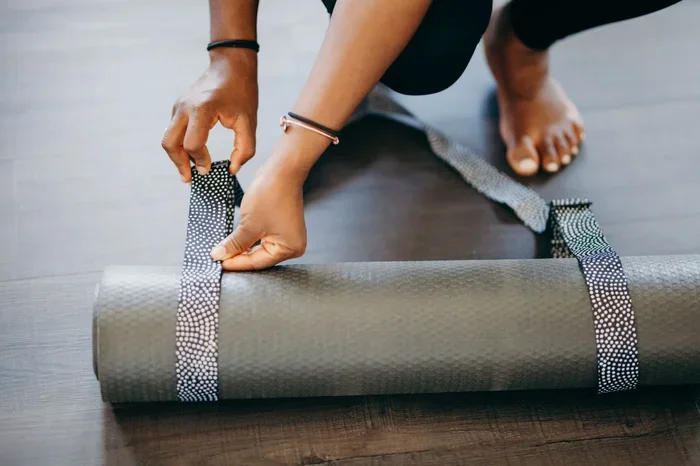
A standard yoga mat is usually too thin and not durable enough for an elliptical. The machine’s weight will compress it quickly, and it won’t provide adequate floor protection or vibration dampening. Use a thicker rubber or EVA mat designed for exercise equipment instead.
What size mat do I need for an elliptical?
Measure your elliptical’s footprint and add at least 6 inches on every side. Most standard ellipticals need a mat that is at least 4 feet by 6 feet. Always check your machine’s dimensions before purchasing a mat to ensure proper coverage.
Will a mat reduce the noise of my elliptical?
Yes, a thick rubber or foam mat significantly reduces both noise and vibration. It absorbs the mechanical sounds from the pedals and flywheel, making your workouts much quieter. This is especially helpful if you exercise in an apartment or shared living space.
How often should I replace my elliptical mat?
A quality rubber mat can last 3 to 5 years with regular use. EVA foam mats may need replacement every 1 to 2 years depending on the machine’s weight. Inspect your mat regularly for compression, tears, or wear, and replace it when it no longer provides adequate protection.
Do I need a mat if my elliptical is on carpet?
A mat is less critical on thick carpet, but it still offers benefits. It prevents the elliptical from denting the carpet padding and distributes weight more evenly. If your carpet is thin or low-pile, a mat becomes more important for floor protection.
Can I use a treadmill mat under my elliptical?
Yes, treadmill mats and elliptical mats are often interchangeable. Both are designed to protect floors from heavy cardio equipment. The key is to match the mat size and thickness to your specific machine’s weight and footprint for the best results.