Why Is Hip Thrust Machine Harder Than Barbell
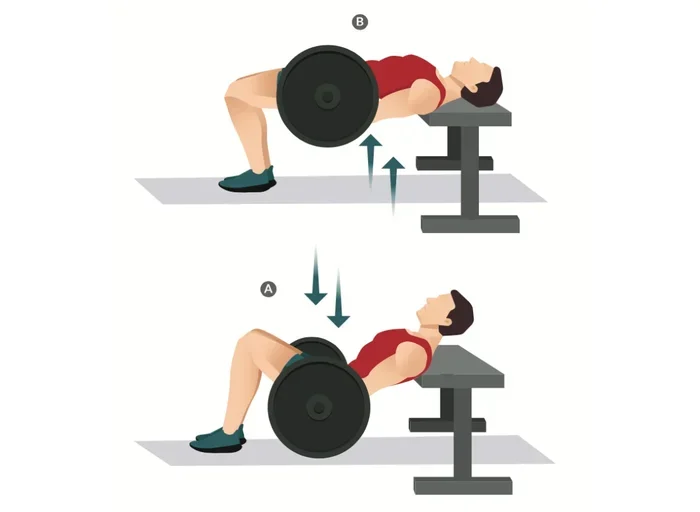
The hip thrust machine can feel harder than a barbell hip thrust because of fixed movement patterns, increased range of motion, and different resistance curves. Many lifters notice that machines isolate the glutes more intensely, while a barbell hip thrust offers more stability and freedom. Understanding these differences helps you choose the right tool for your glute training goals.
If you have ever walked into a gym and tried both a hip thrust machine and a barbell hip thrust, you might have noticed something surprising. The machine version often feels significantly harder. You may wonder why a simple machine feels tougher than just loading a barbell across your hips.
The answer comes down to biomechanics, resistance design, and how each tool targets your muscles. In this article, we break down exactly why the hip thrust machine is harder than a barbell. We also look at what this means for your glute training and how to pick the right option for your goals.
Key Takeaways
- Range of Motion: Hip thrust machines often allow a deeper stretch, making each rep harder on the glutes.
- Resistance Curve: Machines apply variable resistance that matches your strength curve, challenging muscles differently than a free-weight barbell.
- Stabilizer Muscles: Barbell hip thrusts engage more stabilizer muscles, which can make the movement feel easier overall.
- Setup Differences: Proper barbell hip thrust setup is simpler for many lifters compared to adjusting a machine.
- Joint Comfort: Machines reduce lower back strain, which can shift the workload entirely to the glutes.
- Progressive Overload: Both options support progressive overload, but they do so in different ways.
📑 Table of Contents
- What Makes the Hip Thrust Machine Different
- How Resistance Differs Between Machine and Barbell
- Muscle Activation: Machine vs Barbell
- Setup and Comfort Factors
- Lower Back and Joint Impact
- Which Option Should You Choose
- Common Mistakes That Make the Machine Feel Even Harder
- Pro Tips for Getting the Most Out of Both Tools
What Makes the Hip Thrust Machine Different
At first glance, a hip thrust machine and a barbell hip thrust look similar. You are pushing your hips upward against resistance in both cases. But the way the resistance works and how your body moves is quite different.
Fixed Movement Path
A hip thrust machine forces your body to follow a fixed path. This means your hips can only move in one direction. While this sounds like it would make things easier, it actually does the opposite. The machine removes any wiggle room, so every ounce of effort goes straight into the target muscles.
With a barbell hip thrust, your body has more freedom. You can adjust your foot position slightly, shift your weight, or use momentum. These small adjustments can make the lift feel easier, even if you are working just as hard.
Increased Range of Motion
One of the biggest reasons the hip thrust machine feels harder is the range of motion. Most machines allow you to sink lower than you could with a barbell on the floor. This deeper stretch puts more tension on the glutes at the bottom of the movement.
More tension means more work. And more work means a harder exercise. This is why many people report feeling the burn faster on a machine compared to a barbell setup.
How Resistance Differs Between Machine and Barbell
The way resistance is applied plays a huge role in how hard an exercise feels. Let us compare the two.
Variable Resistance on Machines
Hip thrust machines use cams or leverage systems to change the resistance throughout the movement. This is called variable resistance. The machine can make the exercise harder at the point where you are strongest and easier where you are weakest.
This sounds helpful, but it also means the machine can push your muscles harder in ways a barbell cannot. A barbell applies the same gravitational force at every point of the movement. The machine does not work that way.
Constant Resistance with a Barbell
A barbell hip thrust uses constant resistance from gravity. The weight does not change no matter where you are in the movement. This can actually feel easier because the hardest part of the lift (the lockout) is where your muscles are strongest.
On a machine, the resistance might be at its peak right when you need to push through the hardest part. This mismatch can make the machine version feel much tougher.
Muscle Activation: Machine vs Barbell
Which tool activates your glutes more? The answer might surprise you.
Glute Activation on the Machine
Studies on glute activation show that machines can isolate the glutes very effectively. Because the movement path is fixed, there is less chance of other muscles stepping in to help. This means your glutes do all the work.
When your glutes are doing all the work, the exercise feels harder. Your muscles fatigue faster. And that burning sensation comes on sooner than it would with a barbell.
Muscle Recruitment with a Barbell
A barbell hip thrust recruits more muscles than just the glutes. Your hamstrings, lower back, and core all play a role in stabilizing the weight. This shared workload can make the exercise feel more manageable.
Some lifters prefer this because it builds functional strength across multiple muscle groups. But if your goal is pure glute isolation, the machine wins in terms of intensity.
Setup and Comfort Factors
How you set up each exercise also affects how hard it feels. Let us look at the practical side of things.
Barbell Hip Thrust Setup
Setting up a barbell hip thrust requires a bench, a barbell, and a pad. You need to position yourself correctly, make sure the bar is stable, and brace your core. This process takes time and practice.
Once you are set up, though, the movement feels natural for most people. The barbell allows you to find a comfortable foot position and adjust on the fly. This freedom can make the exercise feel less intense, even when the weight is heavy.
For a detailed guide on setting up your barbell hip thrust, check out our step-by-step walkthrough.
Hip Thrust Machine Setup
Hip thrust machines are designed to be adjustable, but they can be tricky to dial in. You need to set the seat height, adjust the pad position, and choose the right resistance. If any of these are off, the exercise can feel awkward or even harder than it needs to be.
When the setup is correct, the machine provides excellent support for your upper back and shoulders. This support means less energy is wasted on stabilization, and more goes directly into the glutes.
Lower Back and Joint Impact
Your lower back plays a big role in how hard an exercise feels. And it also plays a role in which option is safer for you.
Lower Back Strain with a Barbell
With a barbell hip thrust, your lower back has to work hard to keep your spine stable. If your core is weak or your form is off, the lower back can take on more than its fair share of the load. This can make the exercise feel more exhausting overall.
Some lifters experience lower back discomfort after heavy barbell hip thrusts. This is especially common if they are using a lot of weight or doing high reps.
Machine Support Reduces Lower Back Load
Hip thrust machines support your upper body and spine. This means your lower back is less involved in the movement. The result is that your glutes do more of the work, which can feel harder on the target muscles but easier on the joints.
If you have a history of lower back issues, a machine might actually be the better choice. It lets you train your glutes hard without putting extra stress on your spine.
Which Option Should You Choose
Both the hip thrust machine and the barbell hip thrust have their place in a solid training program. Here is how to decide which one to use.
Choose the Machine If
- You want maximum glute isolation and intensity.
- You have lower back issues that limit your tolerance for barbell work.
- You want a deeper range of motion to really stretch the glutes.
- You are training alone and do not have a spotter for heavy barbell work.
Choose the Barbell If
- You want to build functional strength across multiple muscle groups.
- You prefer the freedom of free-weight movements.
- You are training at home and do not have access to a hip thrust machine.
- You want a simpler setup with fewer adjustments.
Many experienced lifters use both tools in their routine. They might do heavy barbell hip thrusts for strength and then finish with machine hip thrusts for a high-intensity glute pump. This combination gives you the best of both worlds.
For alternative exercises that target the same muscles, check out our guide on what you can do instead of a barbell hip thrust if you need variety in your routine.
Common Mistakes That Make the Machine Feel Even Harder
Sometimes the machine feels harder than it should because of mistakes in form or setup. Here are a few to watch out for.
- Setting the resistance too high too soon. Start light and work your way up. The machine can handle heavy weight, but your muscles need time to adapt.
- Rounding the lower back. Keep your spine neutral. If your back rounds, the exercise becomes less effective and more stressful on your spine.
- Not using a full range of motion. Half-reps on a machine waste the benefit of its design. Go deep to get the full stretch and contraction.
- Rushing through reps. Slow and controlled reps on the machine increase time under tension and make the exercise more effective.
Pro Tips for Getting the Most Out of Both Tools
Whether you prefer the machine or the barbell, these tips will help you get better results.
- Focus on the mind-muscle connection. Think about your glutes squeezing with every rep. This simple cue can increase muscle activation on both the machine and barbell.
- Use progressive overload. Add weight or reps over time to keep challenging your muscles. Both tools support this principle well.
- Warm up properly. Do a few lighter sets before going heavy. This prepares your glutes and reduces the risk of injury.
- Pair hip thrusts with other glute exercises. Exercises like barbell hip thrusts work great alongside squats, lunges, and glute bridges for a complete lower body workout.
The hip thrust machine and the barbell hip thrust are both excellent tools for building strong, defined glutes. The machine simply offers a different challenge that many lifters find more intense. Understanding why it feels harder gives you the knowledge to use both tools wisely in your training.
Next time you hit the gym, try both versions back to back. Pay attention to how your glutes feel during each one. You will quickly learn which option pushes your muscles harder and helps you reach your goals faster.
Remember, the best exercise is the one you can do with good form and consistent effort. Whether that is a machine or a barbell, the key is to show up, work hard, and keep progressing.
Frequently Asked Questions
Why does the hip thrust machine feel harder than a barbell?
The machine uses a fixed movement path and variable resistance that challenges your muscles differently than a barbell. It also allows a deeper range of motion, which increases tension on the glutes throughout the entire rep.
Is the hip thrust machine better for glute growth than a barbell?
Both tools can build strong glutes. The machine offers better isolation and a deeper stretch, which can lead to more intense glute activation. The barbell builds functional strength and recruits more stabilizer muscles.
Can I replace barbell hip thrusts with machine hip thrusts entirely?
Yes, you can. Many lifters prefer machines for their glute-focused workouts. However, using both tools together provides variety and targets the muscles from different angles for better overall development.
Are hip thrust machines easier on the lower back than barbells?
Yes, most hip thrust machines provide support for your upper body and spine. This reduces the load on your lower back and shifts more of the work to the glutes.
What weight should I start with on a hip thrust machine?
Start with a weight that allows you to complete 10-12 reps with good form. Focus on feeling your glutes work throughout the entire movement. Increase the weight gradually as you get stronger.
How do I know if I am using the hip thrust machine correctly?
Your feet should be flat on the floor, your upper back should rest firmly against the pad, and your hips should move through a full range of motion. If you feel the exercise mostly in your glutes and not your lower back, your form is on track.