How to Do a Back Squat with Barbell
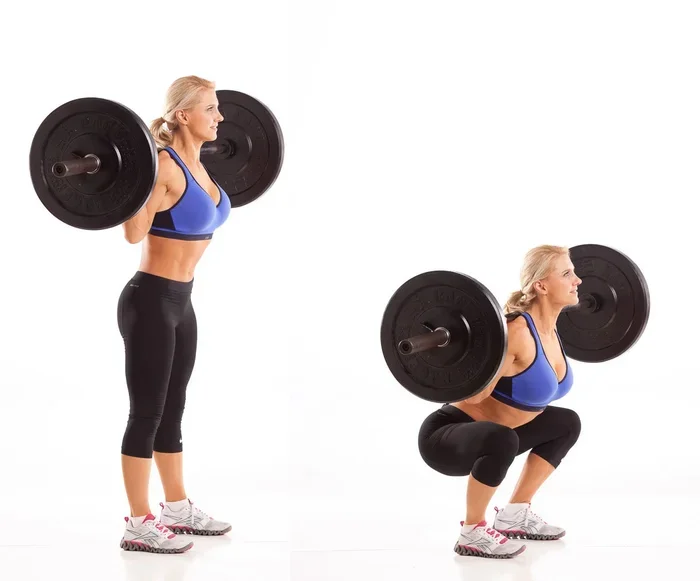
The back squat with barbell is one of the most effective compound exercises for building lower body strength and muscle. This guide walks you through proper form, setup, breathing, and common mistakes so you can squat safely and effectively. Whether you are a beginner or looking to refine your technique, you will find clear, actionable steps to improve your barbell back squat today.
Key Takeaways
- Proper Setup Matters: Correct barbell positioning and weight placement are the foundation of a safe and effective back squat.
- Form Over Weight: Focusing on squat technique prevents injury and maximizes muscle engagement in your legs and core.
- Breathing Is Key: Proper breathing patterns during a back squat protect your spine and boost stability under heavy loads.
- Avoid Common Mistakes: Knees caving, leaning too far forward, and lifting heels are errors that can derail your progress.
- Progressive Overload Works: Gradually increasing weight and volume leads to consistent strength gains over time.
- Warm Up Before Squatting: A proper warm-up primes your joints and muscles for heavy barbell work.
📑 Table of Contents
- How to Do a Back Squat with Barbell
- Why the Back Squat Is a Must-Have Exercise
- How to Set Up for a Back Squat
- Proper Back Squat Form and Technique
- Common Back Squat Mistakes and How to Fix Them
- Muscles Worked During the Back Squat
- Programming Tips for Back Squats
- Quick Tips for a Better Back Squat
- Conclusion
How to Do a Back Squat with Barbell
The back squat with barbell is a foundational movement in strength training. It targets your quads, glutes, hamstrings, and core all at once. Few exercises build as much overall strength and muscle as a properly executed barbell squat. Whether you are training for powerlifting, athletic performance, or general fitness, mastering this lift is essential.
Many people avoid the back squat because it looks intimidating. They worry about injury or improper form. But with the right guidance, anyone can learn to do a barbell back squat safely and effectively. This guide breaks everything down into simple, actionable steps. You will learn how to set up, breathe, and squat with confidence.
The beauty of the back squat lies in its simplicity. You need a barbell, a squat rack, and some weight plates. That is it. No fancy equipment needed. But the results are anything but simple. Let us dive into the details.
Why the Back Squat Is a Must-Have Exercise
The back squat earns its reputation as the king of lower body exercises for good reason. It works multiple muscle groups at the same time, making every rep count more than isolation exercises ever could.
Here is why you should include the back squat with barbell in your routine:
- Full Lower Body Activation: The squat hits your quads, glutes, hamstrings, and calves in one movement.
- Core Strength: Your abs and lower back work hard to keep your torso upright under the bar.
- Hormonal Response: Heavy compound lifts like the squat trigger testosterone and growth hormone release.
- Functional Strength: Squatting builds real-world strength for lifting, carrying, and everyday movements.
- Bone Density: Loading the spine and legs with weight helps build stronger bones over time.
If you are serious about building strength, skipping the back squat is a missed opportunity. It is a movement that pays dividends for years when done correctly.
How to Set Up for a Back Squat
Setup is the most overlooked part of the back squat with barbell. A poor setup leads to poor reps, and poor reps lead to injury or stalled progress. Take your time with this phase.
Step 1: Position the Bar in the Squat Rack
Set the barbell on the squat rack at about chest height. Step under the bar and place it across your upper traps, not your neck. The bar should rest on the meaty part of your upper back. This is called the high-bar position, and it is the most common setup for general lifters.
Some lifters prefer a low-bar position, where the bar sits lower on the rear delts. This shifts more load to the hips and is popular in powerlifting. For now, start with the high-bar position. It is more natural and easier to learn.
Step 2: Add Weight Plates Correctly
Before you unrack, make sure your weights are secure. Proper weight placement prevents plates from sliding or shifting mid-squat. If you are new to loading a barbell, check out our guide on how to put weights on a barbell for squats for detailed instructions. Start with lighter weights until your form is solid.
Step 3: Grip the Bar and Unrack
Grab the bar with both hands, shoulder-width apart or slightly wider. Your grip should be firm but not white-knuckle tight. Squeeze your shoulder blades together to create a stable shelf for the bar. Take a deep breath, brace your core, and unrack the bar by straightening your legs. Step back one or two steps to clear the rack.
For more on proper barbell grip and positioning, you can also read how to hold the barbell for a front squat. While that article focuses on front squats, the grip and upper back engagement principles apply directly to back squats as well.
Proper Back Squat Form and Technique
Now that you are set up, let us walk through the actual movement. Form is everything in a barbell back squat. Do not rush through this section.
The Descent
Stand with your feet shoulder-width apart or slightly wider. Point your toes out about 15 to 30 degrees. Keep your chest up and your eyes forward. Take a breath into your belly and brace your core as if someone is about to punch you in the stomach.
Begin the descent by pushing your hips back first, then bending your knees. Think of sitting back into an invisible chair. Keep your weight distributed across your whole foot, but focus on pressing through your heels. Lower yourself until your hips drop below your knees, or at least to parallel depth.
Your knees should track over your toes, not cave inward. If your knees collapse inward, you are losing tension and risking injury. Focus on driving your knees outward as you descend.
The Ascent
Drive through your heels and midfoot to stand back up. Keep your core braced throughout the entire movement. Do not lean forward excessively as you rise. Your torso angle should stay fairly consistent from bottom to top.
Exhale as you pass the sticking point, which is usually just above parallel. Continue standing tall and squeeze your glutes at the top. Do not hyperextend your lower back at the top of the squat. Simply stand tall and reset for the next rep.
Breathing During the Squat
Breathing correctly during a back squat with barbell is non-negotiable. The Valsalva maneuver is the most common technique. Here is how it works:
- Take a deep breath into your belly before you descend.
- Hold that breath and brace your core as you go down.
- Exhale forcefully once you pass the hardest part of the ascent.
- Take another breath at the top and repeat.
This breathing pattern creates intra-abdominal pressure that stabilizes your spine. It is one of the most important safety mechanisms in heavy squatting.
Common Back Squat Mistakes and How to Fix Them
Even experienced lifters fall into bad habits. Here are the most common mistakes and how to correct them.
- Knees Caving Inward: This is called knee valgus. It puts stress on your knee ligaments. Fix it by focusing on pushing your knees out throughout the movement. Bands around your knees can help train this pattern.
- Leaning Too Far Forward: A forward lean often means weak core muscles or tight hamstrings. Work on your core stability and mobility. Also check that you are not using too much weight too soon.
- Lifting Your Heels: If your heels come off the ground, you are shifting too much weight to your toes. This strains your knees. Focus on keeping your heels planted. Ankle mobility drills can help if tight calves are the cause.
- Rounding Your Lower Back: A rounded back under heavy load is a recipe for injury. Keep your chest up and your back in a neutral position. If you cannot maintain a flat back, the weight is too heavy.
- Partial Reps Only: Many lifters skip full depth to lift more weight. This limits muscle development and creates muscle imbalances. Go to proper depth on every rep.
If you want to squat without neck pain or discomfort, our guide on barbell squats without hurting your neck offers detailed solutions for common neck pain issues during heavy barbell squats.
Muscles Worked During the Back Squat
Understanding which muscles the back squat targets helps you appreciate the exercise even more. It also helps you program your training more effectively.
| Muscle Group | Role in the Squat |
|---|---|
| Quadriceps | Primary driver during the ascent, especially at the bottom of the squat |
| Glutes | Power the hip extension and stabilize the pelvis |
| Hamstrings | Assist with hip extension and control the descent |
| Erector Spinae | Keeps the spine extended and upright under load |
| Core Muscles | Stabilizes the trunk and transfers force from legs to bar |
| Adductors | Helps control knee tracking and hip movement |
| Calves | Stabilizes the ankle and supports the base of the squat |
The back squat with barbell is a full-body exercise disguised as a leg exercise. Your core and upper back work just as hard as your legs to maintain position under the bar. This is why it is so effective for building overall strength.
Programming Tips for Back Squats
Now that you know how to squat with proper form, let us talk about how to program it into your routine.
Rep Ranges and Sets
For strength, aim for 3 to 5 sets of 3 to 6 reps with heavier weight. For muscle building, use 3 to 4 sets of 8 to 12 reps with moderate weight. For endurance and technique practice, do 3 sets of 15 to 20 reps with lighter weight.
Progressive Overload
The key to getting stronger is progressive overload. Add small amounts of weight each week. Even adding 2.5 pounds per session adds up fast over months. Track your workouts so you can see your progress clearly.
Warm-Up Properly
Never jump straight into heavy squats. Start with bodyweight squats or goblet squats to warm up your joints. Then do a few lighter sets with just the barbell. Gradually work up to your working weight. A proper warm-up increases blood flow, improves mobility, and prepares your nervous system for heavy work.
Quick Tips for a Better Back Squat
Here are some quick, actionable tips you can apply right away:
- Wear Squat Shoes: Flat-soled shoes like Converse or dedicated squat shoes give you a stable base.
- Use a Thumbless Grip: This reduces upper back tension and allows you to stay more relaxed under the bar.
- Film Yourself: Recording your squats from the side helps you spot form issues you cannot feel.
- Squat to a Box: Using a box or bench as a depth target ensures consistent full-depth squats.
- Brace Hard: The tighter your core, the safer and stronger your squat will be.
- Rest Between Sets: Give yourself 2 to 3 minutes between heavy sets to recover fully.
These small adjustments can make a big difference in your back squat with barbell performance and safety. Start implementing them today.
Conclusion
The back squat with barbell is one of the best exercises you can do for building strength, muscle, and confidence. It is simple in concept but rich in technique. Master the setup, nail your form, avoid common mistakes, and progress steadily. The rewards are enormous.
Remember, no one becomes a great squatter overnight. It takes practice, patience, and consistency. Start with lighter weights and focus on getting each rep right. As your technique improves, the weight will follow. Trust the process and enjoy the journey of getting stronger with every session.
Now that you have all the tools and knowledge, it is time to step under the bar and put it into action. Your strongest squat is waiting for you.
Frequently Asked Questions
What is the difference between a back squat and a front squat?
The main difference is barbell placement. In a back squat, the bar sits across your upper traps. In a front squat, it rests on the front of your shoulders. Back squats generally allow heavier loads and target the glutes and hamstrings more, while front squats emphasize the quads and upper back.
How deep should I squat with a barbell?
Ideally, you should squat to full depth, where your hips drop below your knees. This is called parallel or below-parallel depth. Full-depth squats maximize muscle engagement and promote better mobility. However, always prioritize proper form over depth, especially when starting out.
Is the back squat safe for beginners?
Yes, the back squat is safe for beginners when performed with proper form and appropriate weight. Start with an empty barbell or very light weight to learn the movement pattern. Consider working with a coach or experienced lifter to check your form early on.
How often should I do barbell back squats?
Most lifters benefit from squatting 2 to 3 times per week. This frequency allows enough stimulus for growth while giving your body adequate recovery time. Adjust based on your goals, training volume, and how your body responds to the exercise.
What weight plates do I need for barbell squats?
Standard iron or bumper plates work for barbell squats. Bumper plates are preferred for heavy squats because they can be dropped safely. Start with lighter plates and gradually add weight as your strength improves. Make sure all plates are securely clamped to the bar.
Can I do back squats without a squat rack?
It is not recommended. A squat rack or power rack provides essential safety supports for heavy barbell work. Without a rack, you risk injury from dropping the bar or struggling to rerack it. Always use proper equipment when squatting with a barbell.