How to Choose the Right Backpack for Travel and Life
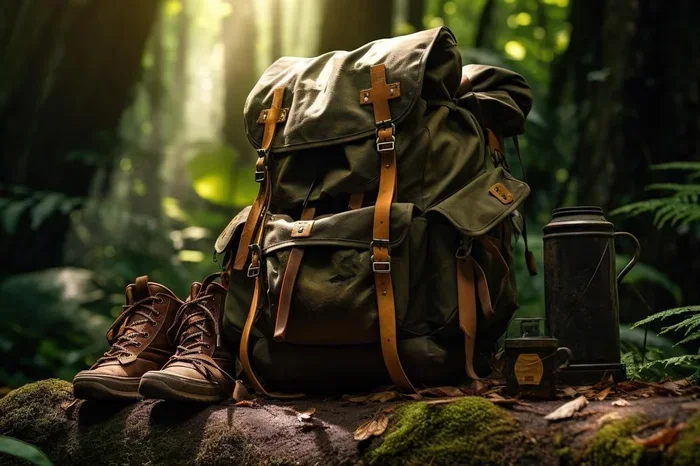
Choosing the right backpack starts with knowing your needs, whether you are packing for a weekend trip or commuting to work every day. The best backpack fits your body comfortably, holds all your essentials, and stands up to daily wear and tear. This guide walks you through size, material, compartments, and comfort features so you can make a confident choice.
Choosing a backpack might seem simple at first glance. You pick a style you like, toss in your stuff, and head out the door. But anyone who has carried a poorly chosen pack on a long hike or a busy travel day knows the struggle. A bad backpack can ruin your experience before you even begin.
That is exactly why learning how to choose a backpack matters so much. The right pack supports your body, organizes your gear, and keeps you comfortable for hours. Whether you are heading off on a weekend adventure or just need a reliable daily carry, this guide covers everything you need to know. Let us break it down step by step.
Key Takeaways
- Right Size Matters: Match your backpack capacity to the length of your trip or daily use.
- Comfort Is Non-Negotiable: Padded straps, hip belts, and breathable back panels make a huge difference.
- Material Determines Durability: Look for water-resistant fabrics like ripstop nylon or Cordura.
- Compartments Keep You Organized: Multiple pockets help you find things fast and pack efficiently.
- Try Before You Buy: Always wear the loaded backpack in-store to test fit and weight distribution.
- Budget Wisely: A quality backpack does not have to break the bank if you know what features matter most.
📑 Table of Contents
Why Choosing the Right Backpack Matters
Your backpack is more than just a bag. It is your mobile home on the trail, your office on the go, and your safety net when everything else feels chaotic. A well-chosen backpack distributes weight evenly across your shoulders and hips, which reduces fatigue and prevents strain.
On the flip side, a backpack that is too heavy, too small, or poorly designed can cause real problems. You might deal with sore shoulders, back pain, or even numbness in your arms. Over time, these issues add up and can keep you from enjoying the activities you love. That is why taking the time to learn how to choose a backpack is one of the best investments you can make.
Beyond comfort, the right backpack also keeps your gear organized and protected. You do not want to be digging through a bottomless pit of stuff when you need your passport or your water bottle. A good pack has smart compartments and easy access so everything stays where it belongs.
How to Choose a Backpack: Key Factors to Consider
When you set out to choose the right backpack, several factors come into play. Let us walk through each one so you know exactly what to look for.
Size and Capacity
Backpack size is measured in liters, and the right capacity depends entirely on what you plan to use it for. A small daypack of 20 to 30 liters works great for quick outings or daily commutes. For overnight trips, aim for 35 to 50 liters. Multi-day adventures call for 50 liters or more.
Here is a quick breakdown to help you decide:
- 15-25 liters: Perfect for day hikes, commuting, or as a carry-on bag.
- 25-40 liters: Great for weekend trips or a full day of hiking with extra gear.
- 40-65 liters: Ideal for multi-day backpacking trips with camping gear.
- 65+ liters: Built for extended expeditions and long-distance trekking.
One common mistake is picking a pack that is too large because it looks cool. A bigger pack means more weight, even when empty. Always match the size to your actual needs.
Fit and Comfort
Fit is arguably the most important factor when you choose a backpack. A beautiful pack with no comfort features will ruin your day fast. Start by looking at the shoulder straps. They should be wide, padded, and adjustable. The top of the strap should sit about two inches below your shoulder point.
Next, check for a hip belt. The hip belt transfers the majority of the pack weight from your shoulders to your hips, which are much stronger. If you are carrying more than 15 pounds, a hip belt is essential. Look for one that wraps around your hip bones and has enough padding to stay comfortable.
The back panel also matters a lot. Mesh-backed panels allow airflow, which keeps you cooler and more comfortable. Some packs have internal frames that contour to your back for a more personalized fit. When you try on a backpack, load it with about 15 pounds of weight and walk around the store for at least five minutes.
Material and Durability
The material of your backpack determines how long it will last and how well it handles the elements. Ripstop nylon is a popular choice because it resists tearing and is lightweight. Cordura is another excellent option known for its rugged durability and abrasion resistance.
For water resistance, look for packs with DWR (Durable Water Repellent) coatings. If you plan to hike in rainy conditions, consider a pack with a rain cover or one made from waterproof materials like TPU-coated fabric. Keep in mind that no backpack is fully waterproof, so use a pack liner or dry bags for valuable electronics.
Also pay attention to the zippers. YKK zippers are the gold standard in the industry. They glide smoothly and rarely break. Reinforced stitching at high-stress points like strap attachments and the bottom panel is another sign of quality construction.
Best Backpack Types for Different Needs
Not all backpacks are created equal, and different types serve different purposes. Understanding the main categories helps you choose a backpack that fits your lifestyle.
Travel Backpacks
Travel backpacks are designed for mobility and versatility. They often feature a clamshell opening that lets you lay the pack flat like a suitcase, which makes packing and unpacking a breeze. Many travel packs also meet carry-on size requirements, so you can skip checking a bag and move through airports faster.
Look for features like a laptop sleeve, compression straps, and lockable zippers. Some travel packs even have a hidden pocket for valuables, which adds a layer of security when you are navigating crowded streets or airports.
Hiking and Backpacking Packs
Hiking packs are built for the trail. They feature structured frames, multiple access points, and gear loops for attaching trekking poles or ice axes. The suspension system in a quality hiking pack is designed to carry heavy loads comfortably over long distances.
If you are new to hiking, start with a simple daypack. As you gain experience and tackle longer trips, you can upgrade to a full backpacking pack with a larger capacity and more advanced features.
Everyday and Commuter Packs
For daily use, you want a pack that looks good and functions well in urban settings. Commuter packs often have dedicated compartments for laptops, tablets, and water bottles. They tend to be more streamlined than hiking packs and focus on organization and style.
A good commuter pack should also be comfortable to carry for extended periods, especially if you are walking or biking to work. Padded straps and a breathable back panel make a big difference during your daily routine.
How to Size a Backpack for Travel
Sizing a backpack correctly is one of the most overlooked aspects of choosing a backpack. Many people buy a pack based on looks alone and end up frustrated with the fit. Here is how to get it right.
First, measure your torso length. This is the distance from the base of your neck (the C7 vertebra) down to your hip bone. Most quality backpacks come in small, medium, and large sizes based on torso length. A pack that does not match your torso will either gap at the shoulders or press uncomfortably into your lower back.
Second, consider your body type. Some brands offer packs designed specifically for shorter or taller torso lengths. Do not assume a medium fits everyone. If you are between sizes, many brands offer adjustable torso systems that let you fine-tune the fit.
Finally, think about what you will carry. If you are a minimalist traveler who packs light, a 30-liter pack might be perfect. If you like to bring everything including a change of shoes and a full toiletry kit, you may need 40 liters or more. The goal is to find a pack that fits your body and holds exactly what you need without excess bulk.
Material and Durability: What to Look For
The material of your backpack plays a huge role in how long it lasts and how well it performs in different conditions. Let us break down the most common materials you will encounter.
Nylon is the most widely used fabric in backpack construction. It is lightweight, strong, and dries quickly. High-denier nylon (like 420D or 600D) offers more durability but adds a bit of weight. Polyester is another common option that resists UV degradation better than nylon, making it a great choice for packs you will use outdoors in sunny conditions.
For premium durability, Cordura fabric is hard to beat. It is used in military and tactical packs and can withstand serious abrasion. However, Cordura packs tend to be heavier and more expensive than standard nylon options.
If you care about sustainability, several brands now offer backpacks made from recycled materials like recycled PET bottles or reclaimed nylon. These options perform just as well as traditional fabrics while reducing environmental impact.
When evaluating material quality, run your hand over the fabric. A good pack feels dense and sturdy, not thin or flimsy. Check the seams for double or triple stitching, and test the zippers by opening and closing them several times. These small details make a big difference in longevity.
Final Tips for Choosing Your Perfect Backpack
Now that you know the key factors, here are some practical tips to help you make the best decision.
First, always try on a backpack with weight in it. An empty pack can feel great, but once you load it up with your gear, the fit changes dramatically. Walk around, bend forward, and reach for things on the top and bottom pockets. If anything feels uncomfortable, keep looking.
Second, think about how you will use the pack most of the time. A backpack that works great for hiking might look out of place at a business meeting, and vice versa. The best backpack for you is the one that fits your primary use case while still being versatile enough for other situations.
Third, do not overlook the small details. A sternum strap stabilizes the load and prevents the shoulder straps from sliding. A chest strap with a whistle is a great safety feature for outdoor adventures. Reflective elements improve visibility if you are walking or biking at night. These features might seem minor, but they add up to a much better experience over time.
Fourth, consider your budget honestly. A quality backpack does not have to cost a fortune, but extremely cheap packs often use low-grade materials and poor stitching that will fall apart within months. Set a realistic budget based on how often you will use the pack and what features are most important to you. If you are serious about fitness travel, you might also want to explore how to pack a kettlebell for weight loss in your travel gear, since some fitness-focused travelers need extra space for compact equipment.
Finally, remember that the best backpack is the one you actually use. Do not get lost in endless comparisons and reviews. Once you find a pack that fits well, feels comfortable, and meets your needs, trust your instincts and commit to it. A good backpack becomes a trusted companion on every journey, whether that journey is a cross-country flight or a quick walk to the grocery store.
When you are ready to upgrade your home fitness setup after returning from your travels, you can explore our guide on how to choose a treadmill for home use to continue building your healthy routine. And just like learning how to move a folding treadmill like a pro requires smart packing and planning, choosing the right backpack is all about thoughtful preparation and knowing what matters most to you.
Take your time, do your research, and invest in a pack that will serve you well for years to come. Your back, your shoulders, and your travel experiences will thank you.
Frequently Asked Questions
What size backpack should I choose for a weekend trip?
For a weekend trip, a backpack between 30 and 40 liters is usually the sweet spot. This size gives you enough room for clothes, toiletries, and essentials without being too bulky. Make sure the pack fits your torso length and has padded straps for comfort.
How do I know if a backpack fits me properly?
A properly fitting backpack should sit about two inches below your shoulder blades and rest on your hip bones, not your waist. The shoulder straps should be snug but not tight, and the hip belt should wrap comfortably around your hips. Always try on a loaded pack before buying.
What material is best for a travel backpack?
Ripstop nylon and Cordura are two of the best materials for travel backpacks. They are lightweight, durable, and resistant to tears and abrasion. Look for packs with DWR coatings for water resistance, and always use a rain cover or dry bags in wet conditions.
Can I use a hiking backpack for everyday commuting?
Yes, you can, but hiking packs tend to be bulkier and more focused on function than style. If you plan to use your backpack daily in urban settings, a commuter-specific pack might be a better fit. It will look more polished and often have better organization for tech and work essentials.
How much should I spend on a good backpack?
A quality backpack typically ranges from $80 to $250 depending on size and features. You do not need to spend a fortune, but avoid ultra-cheap options that use thin materials and weak stitching. Invest in a pack from a reputable brand with good warranties and proven durability.
What features are essential in a carry-on backpack?
For carry-on use, look for a pack that meets airline size requirements (usually under 22 x 14 x 9 inches). Key features include a laptop sleeve, lockable zippers, multiple compartments for organization, and a clamshell opening for easy packing. Comfort features like padded straps and a breathable back panel are also important for long travel days.
=== CONCLUSION ===
Learning how to choose a backpack is one of the simplest yet most impactful decisions you can make for your travel and daily life. The right pack fits your body, carries your gear comfortably, and keeps you organized no matter where you go. From size and material to compartments and comfort features, every detail matters when you are making your choice.
Take the time to try on packs, load them with weight, and walk around before you commit. Pay attention to the small features that make a big difference, like hip belts, sternum straps, and quality zippers. And remember, the best backpack is the one that matches your specific needs and feels good to wear.
Whether you are planning your next adventure or just looking for a reliable daily carry, use the tips in this guide to make a confident choice. A great backpack is an investment in your comfort, your organization, and your overall experience. Choose wisely, and your pack will carry you through every journey ahead.