Filet Mignon Temperature Chart PDF for Perfect Steaks
Our filet mignon temperature chart PDF gives you exact internal temperatures for every level of steak doneness. You will learn how to cook a perfect filet mignon using simple tools and easy steps. Whether you grill, pan-sear, or use sous vide, this guide has you covered with clear, actionable advice.
Key Takeaways
- Know Your Temps: A filet mignon temperature chart PDF shows exact internal temperatures for rare, medium rare, medium, and well done steaks.
- Use a Meat Thermometer: The single best tool for achieving perfect steak doneness every single time.
- Rest Your Steak: Letting the steak rest for 5-10 minutes keeps juices locked inside for a tender bite.
- Multiple Cooking Methods: Grilling, pan-searing, oven-baking, and sous vide all work great with the right temperature targets.
- Avoid Common Mistakes: Overcooking, skipping the rest, and not calibrating your thermometer are the top errors home cooks make.
- Download and Print: A PDF chart is easy to save, print, and keep handy in your kitchen for every cookout.
📑 Table of Contents
- Why Temperature Control Makes or Breaks Your Filet Mignon
- The Filet Mignon Temperature Chart You Can Print
- How to Use the PDF Chart for Best Results
- Best Cooking Methods for Filet Mignon
- Common Mistakes That Ruin Filet Mignon
- How to Save and Print Your Temperature Chart PDF
- Quick Tips for Perfect Filet Mignon Every Time
- Expert Insight: What Butchers Know About Filet Mignon
- Conclusion
Why Temperature Control Makes or Breaks Your Filet Mignon
Filet mignon is one of the most tender cuts of beef you can buy. But even the best cut will turn tough and dry if you cook it at the wrong internal temperature. That is why a filet mignon temperature chart PDF is such a game changer for home cooks.
Many people guess when their steak is done. They press on the meat or cut into it to check. Both of these habits let precious juices escape. The result? A steak that tastes good but could be so much better. A simple steak doneness chart removes all the guesswork.
When you know the exact steak temperatures for each level of doneness, you gain confidence in the kitchen. You stop worrying and start enjoying the process. A printed filet mignon temperature chart PDF sits right next to your grill or stove, ready whenever you need it.
The truth is, cooking steak is not about luck. It is about science. Meat proteins change at specific temperatures. Fat renders at certain heat levels. And the beef doneness levels each have a narrow temperature window that separates perfect from overcooked.
The Filet Mignon Temperature Chart You Can Print
A good filet mignon temperature chart PDF covers all the standard levels of doneness. Here is what you will find inside a reliable chart. You can print this out and tape it inside a kitchen cabinet for easy access.
Internal Temperatures for Each Doneness Level
The chart below shows target internal steak temperatures measured with a meat thermometer inserted into the thickest part of the steak. Remember, the temperature will rise a few degrees after you pull the steak off the heat. This is called carryover cooking.
| Doneness Level | Pull Temp (F) | Final Temp After Rest (F) | Feel Description |
|---|---|---|---|
| Rare | 120-125°F | 125-130°F | Cool red center, very soft |
| Medium Rare | 125-130°F | 130-135°F | Warm red center, soft |
| Medium | 130-135°F | 135-140°F | Warm pink center, firm |
| Medium Well | 135-140°F | 140-145°F | Slightly pink center, firm |
| Well Done | 145-150°F | 150-155°F | Little to no pink, firm |
Most steak lovers prefer medium rare filet mignon. At this optimal steak temperature, the meat stays juicy and tender while developing a rich beef flavor. The center is warm and red, which is the sweet spot for this premium cut.
If you like your steak more done, aim for medium rather than going beyond. Filet mignon has less fat than other steaks like ribeye or strip loin. That means it dries out faster when pushed past medium. A perfect steak temperature chart helps you stay in the zone where the meat tastes its best.
How to Use the PDF Chart for Best Results
Downloading and using a filet mignon temperature chart PDF is simple. But there are a few steps that make the difference between good steak and great steak. Follow these tips every time you cook.
Step 1: Get a Good Meat Thermometer
A digital instant-read thermometer is the most important tool for cooking steak. Dial thermometers are slow and less accurate. A digital probe gives you a reading in seconds. Look for one that reads between 100°F and 200°F with an accuracy of plus or minus 1 degree.
Some people ask, “Can I just use a timer?” No. Cook times vary based on steak thickness, starting temperature, and heat source. The meat thermometer is the only reliable way to know your grilling temperatures are right.
Step 2: Check the Temp at the Right Spot
Insert the thermometer into the thickest part of the steak. Avoid touching bone or fat. Those areas conduct heat differently and will give false readings. Take the reading from the center of the meat for the most accurate filet mignon internal temp.
Step 3: Account for Carryover Cooking
When you pull your steak off the heat, the temperature keeps rising. This happens because the outer layers are hotter than the center. The heat slowly moves inward. For a medium rare filet mignon, pull the steak at 125°F and let it rest. It will reach 130°F to 135°F on its own.
Step 4: Let the Steak Rest
Resting is not optional. A steak rest time of 5 to 10 minutes lets the juices redistribute throughout the meat. If you cut into it right away, those juices run out onto the plate instead of staying in the steak. Use your PDF steak doneness chart to time the pull, then set a timer for resting.
Best Cooking Methods for Filet Mignon
Filet mignon is a versatile cut. You can cook it on a grill, in a cast iron skillet, in the oven, or even with sous vide. Each method works best when paired with the right cooking temperatures. Here is how to use your filet mignon temperature chart PDF with each method.
Grilling Filet Mignon
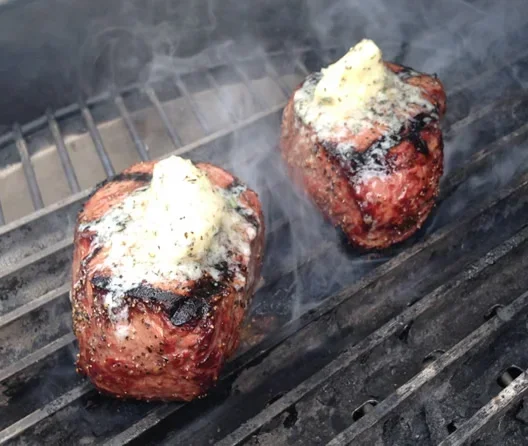
Grilling gives filet mignon a beautiful char and smoky flavor. Preheat your grill to high heat for searing, then move the steak to a cooler zone for indirect cooking. Use a grilling temperature guide to know when to flip and when to pull the steak.
For a 1-inch thick filet, sear for 2-3 minutes per side over direct high heat. Then move to indirect heat until you reach your target internal steak temperature. A reverse sear steak method also works well for thicker cuts.
Pan-Searing in Cast Iron
A cast iron skillet is the best tool for pan-searing filet mignon at home. Preheat the pan until it is smoking hot. Add a high smoke point oil like avocado oil. Sear the steak for 2-3 minutes per side to build a crust.
Then finish in a 400°F oven for 4-6 minutes depending on thickness. This method gives you great control over the oven-baked steak temperature. Use your meat thermometer to check the internal temp before pulling it out.
Sous Vide for Precision
Sous vide cooking uses a water bath set to a precise temperature. This method gives you the most consistent results. Set your water bath to 130°F for medium rare and cook the steak for 1-2 hours. Then sear it in a hot cast iron skillet for 30 seconds per side.
With sous vide, you never have to worry about overshooting the ideal steak doneness. The water bath holds the exact target steak temperature the entire time. This is why many steak lovers consider sous vide the best method for filet mignon.
Common Mistakes That Ruin Filet Mignon
Even experienced cooks make mistakes. But knowing what to avoid saves you from a ruined steak. Here are the most common errors and how to fix them using your filet mignon temperature chart PDF.
Starting with a Cold Steak
Never cook a steak straight from the fridge. The cold center takes much longer to reach the target steak internal temperature. This means the outside overcooks while waiting for the center to catch up. Take the steak out 30-45 minutes before cooking to let it come to room temperature.
Not Seasoning Properly
Salt draws moisture out of the meat. If you salt too early, the surface gets wet and does not sear well. Season your filet mignon with salt and pepper just before cooking. This gives you a dry surface that browns beautifully in a hot pan or on a grill.
Skipping the Rest
Cutting into a steak right after cooking is the fastest way to lose all those juices. The resting steak time is just as important as the cooking time. Use your PDF steak temperature guide to plan the pull time, then let the steak sit undisturbed on a warm plate.
Using a Dirty Thermometer
A dirty thermometer gives false readings. Always clean your probe between checks. Also, make sure the thermometer is calibrated. You can test it by inserting it into a glass of ice water. It should read 32°F. If not, adjust or replace it.
How to Save and Print Your Temperature Chart PDF
Once you download a filet mignon temperature chart PDF, keep it somewhere you can find it easily. Here are a few ideas for making the most of your chart.
- Print it and laminate it. Kitchen environments are messy. Lamination protects the chart from grease and spills.
- Save it to your phone. Keep the PDF in a kitchen folder on your phone for quick access while cooking outdoors.
- Share it with friends. A great steak guide makes a helpful gift for anyone who loves grilling.
- Post it on your fridge. A visible chart reminds you of the right cooking temperatures every time you prep a steak.
A filet mignon temperature chart PDF is a small file that delivers big results. It takes seconds to download and can save you from many disappointing meals. Keep one for every season of grilling and you will always have a reference point for the perfect steak temperature.
Quick Tips for Perfect Filet Mignon Every Time
Here are some fast tips to pair with your filet mignon temperature chart PDF:
- Buy quality meat. Look for USDA Prime or Choice grades. The marbling makes a huge difference in flavor and texture.
- Pat the steak dry. Moisture on the surface prevents a good sear. Use paper towels to dry the meat before seasoning.
- Preheat your pan or grill. A hot surface creates a flavorful crust through the Maillard reaction. Do not add the steak to a cold pan.
- Flip only once. Let each side develop a crust before flipping. Multiple flips prevent proper browning.
- Add butter and herbs at the end. Basting the steak with garlic butter in the last minute adds richness and aroma.
- Slice against the grain. This shortens the muscle fibers and makes each bite more tender.
Expert Insight: What Butchers Know About Filet Mignon
Professional butchers will tell you that filet mignon is a lean cut. That means it has less internal fat to keep it moist during cooking. This is exactly why temperature control matters so much. A medium rare filet mignon at 130°F to 135°F retains the most moisture while still being safe and delicious.
Butchers also recommend not going past medium well for filet mignon. At that point, the lean meat starts to lose its signature tenderness. If you prefer more done steaks, consider choosing a fattier cut like a ribeye instead. But with the right steak temperatures and a good filet mignon temperature chart PDF, you can enjoy this classic cut at its absolute best.
The reverse sear method is another favorite among pros. You start the steak in a low oven at 250°F and cook it slowly until it reaches 110°F to 115°F internally. Then you sear it hard in a cast iron skillet for 60 seconds per side. This gives you an even pink edge to edge with a perfect crust. It is a technique worth trying once you have your PDF steak doneness chart handy.
Conclusion
A filet mignon temperature chart PDF is one of the simplest tools you can add to your kitchen. It gives you clear, reliable internal temperature targets for every level of steak doneness. From rare to well done, the chart removes guesswork and builds your confidence as a cook.
Use it alongside a good meat thermometer, proper resting time, and the right cooking method. You will notice a big difference in every steak you prepare. The perfect steak temperature is always within reach when you have the right guide at hand.
Download your chart, print it out, and keep it where you cook. Soon, checking the grilling temperatures and beef doneness levels will become second nature. You will serve restaurant-quality filet mignon at every dinner and surprise everyone at the next cookout.
Remember, the best steak is the one cooked to your exact preference. And with a filet mignon temperature chart PDF, you will hit that target every single time.
Frequently Asked Questions
What is the best internal temperature for filet mignon?
The best temperature for most people is 130°F to 135°F, which is medium rare. At this range, the steak stays juicy and tender with a warm red center. Use a meat thermometer to check the thickest part of the steak for the most accurate reading.
Can I use a filet mignon temperature chart PDF for other steaks?
Yes, absolutely. While the chart is designed for filet mignon, the steak doneness levels apply to most beef steaks. Thicker cuts like ribeye or New York strip may need slightly different cook times, but the internal temperatures remain the same.
How long should I rest my filet mignon after cooking?
Rest your steak for 5 to 10 minutes after pulling it off the heat. This lets the juices redistribute and the carryover cooking finish raising the internal temperature. A shorter rest works for thinner steaks, while thicker cuts benefit from a longer rest.
Is medium well filet mignon still tender?
Filet mignon can become dry past medium because it has less fat than other cuts. Medium well at 140°F to 145°F is still edible but will be less juicy than medium rare. For the best texture, stay between rare and medium when cooking filet mignon.
Do I need a PDF chart if I have a smartphone app?
A filet mignon temperature chart PDF works even without internet access, which is helpful when you are grilling outdoors. It is also easy to print and share with others. Apps are great, but a printed chart never runs out of battery at the wrong moment.
What thickness of filet mignon is best for grilling?
A 1.5-inch to 2-inch thick filet mignon works best for grilling. Thinner steaks cook too fast and are hard to control with grilling temperatures. Thicker cuts give you more room for error and allow for a great sear without overcooking the center.