How to Cook the Perfect Medium Rare Steak Every Time
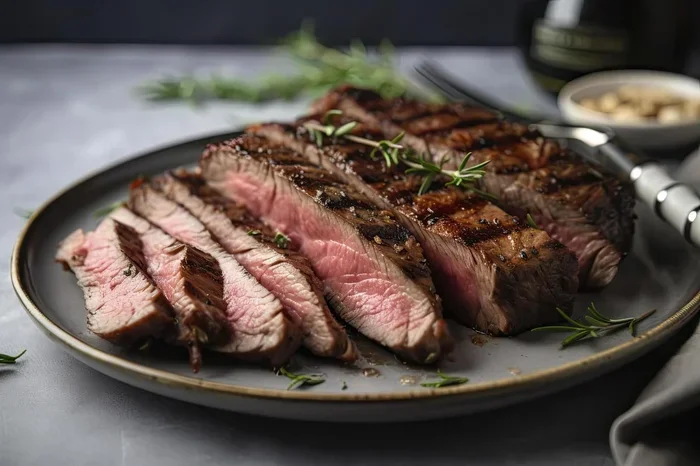
A perfect medium rare steak hits an internal temperature of 130 to 135°F, giving you a warm pink center, a rich crust, and maximum juiciness. This guide walks you through every step, from choosing the right cut and seasoning to searing, oven-finishing, and resting your steak. Follow our tips and you will never overcook a steak again.
There is something magical about a perfectly cooked medium rare steak. The moment you cut into it and see that warm pink center glow, you know you have done something right. Whether you are grilling on a summer evening or cooking a weeknight dinner on a cast iron skillet, mastering the medium rare steak opens up a whole world of flavor.
The secret is not magic — it is technique. A great beef steak comes down to a few simple principles: the right temperature, the right tools, and a little patience. This guide breaks it all down into easy steps you can follow right away. You do not need to be a professional chef to cook a juicy steak that impresses everyone at the table.
We will start with the basics of what medium rare actually means, then move into the tools you need, the step-by-step cooking process, and the mistakes that trip people up. By the end, you will have everything you need to cook a tender steak that rivals any steakhouse. Let us get started.
Key Takeaways
- Target 130 to 135°F: This is the sweet spot for a medium rare steak that is juicy, tender, and full of flavor.
- Use a meat thermometer: Never guess the internal temperature — a simple thermometer takes the guesswork out of cooking.
- Rest your steak for 5 to 10 minutes: Letting the steak rest allows juices to redistribute, giving you a more tender result.
- Preheat your pan or grill: A hot surface is essential for building a great steak crust through the Maillard reaction.
- Try the reverse sear: This reverse sear method gives you an even pink center with a beautiful crust.
- Choose the right cut: Ribeye steak and filet mignon are both excellent choices for cooking medium rare.
- Avoid common mistakes: Skipping the rest, using a cold pan, or cutting too early are the top errors to avoid.
📑 Table of Contents
What Is a Medium Rare Steak?
A medium rare steak is a cut of beef cooked to an internal temperature of 130 to 135 degrees Fahrenheit before resting. At this steak doneness level, the outside is seared brown and crispy, while the center remains warm and pink. This is widely considered the ideal steak doneness for most beef cuts because it balances flavor, juiciness, and texture perfectly.
The Science Behind the Pink Center
When you cook a beef steak, the heat causes the proteins in the meat to change. At lower temperatures, the meat stays soft and retains moisture. As the temperature rises past 140 degrees, the proteins start squeezing out water, which is why a well done steak tends to be dry and tough. A medium rare steak sits right in the sweet spot where the meat is cooked enough to develop flavor but still holds onto its natural juices.
The steak crust you get from searing is a completely different process. It comes from the Maillard reaction, which is a chemical reaction between amino acids and sugars on the surface of the meat. This reaction creates hundreds of new flavor compounds. That is why a great steak crust tastes so rich and complex. The crust and the pink center work together to make a medium rare steak so satisfying.
What Does Medium Rare Look Like?
A medium rare steak has a dark brown sear on the outside and a warm pink to reddish-pink center. When you press it with your finger, it feels soft but has slight resistance in the middle. If you cut into it, you will see a distinct pink band surrounding the center. The juices should be red, not clear. This visual and tactile guide helps you confirm your steak doneness even before you check the temperature.
Why Medium Rare Is the Best Doneness for Steak
People have strong opinions about how they like their steak cooked. But when it comes to flavor, texture, and juiciness, medium rare stands out as the best choice for most cuts. Here is why so many steak lovers and chefs agree that medium rare is the gold standard.
Flavor and Juiciness
A juicy steak starts with not overcooking the meat. At medium rare, the fat inside the steak has had enough heat to render and baste the meat from within, but the muscle fibers have not tightened enough to push out all the moisture. The result is a tender steak that bursts with beefy flavor in every bite. A well done steak, by contrast, loses a significant amount of its natural juice content.
The fat marbling in cuts like a ribeye steak really shines at medium rare. The intramuscular fat melts into the meat, adding richness and depth of flavor that you simply cannot get from a more well-done cook. This is why a great grilling steak or pan-seared filet mignon tastes best when served medium rare.
Steak Doneness Comparison
Not sure how medium rare compares to other levels of doneness? Here is a quick look at how different steak doneness levels stack up. This table shows the internal temperature, the color, and the texture you can expect at each level.
| Doneness | Internal Temperature | Center Color | Texture |
|---|---|---|---|
| Rare | 120 to 125°F | Red and cool | Very soft, raw feel |
| Medium Rare | 130 to 135°F | Warm pink | Soft with slight resistance |
| Medium | 140 to 145°F | Pink | Firmer, some juice loss |
| Medium Well | 150 to 155°F | Slightly pink | Firm, less juicy |
| Well Done | 160°F and above | Gray-brown throughout | Tough, dry |
As you can see, medium rare sits at the perfect balance point. It is cooked enough to be safe and flavorful but not so much that the meat loses its juiciness. For most beef steak cuts, this is the sweet spot that delivers the best eating experience.
Tools and Equipment You Need
Cooking a perfect medium rare steak does not require fancy equipment, but having the right tools makes a big difference. Here is what you need to get started.
Essential Equipment
- Cast iron skillet: A heavy cast iron pan holds heat beautifully and gives you an even, powerful sear. This is the best pan for cooking medium rare steak on the stovetop.
- Meat thermometer: This is the single most important tool for consistent results. A meat thermometer takes the guesswork out of steak temperature and ensures you hit 130 to 135°F every time.
- Tongs: You need a good pair of tongs to flip the steak without piercing it. Piercing the meat lets juices escape, which dries out your juicy steak.
- Wire rack: If you are using the reverse sear method, a wire rack placed over a baking sheet allows hot air to circulate around the steak evenly.
Optional but Helpful Tools
- Oven-safe pan: If your skillet is oven-safe, you can sear on the stovetop and finish in the oven without transferring the steak.
- Sous vide setup: For ultra-precise steak doneness, a sous vide steak method lets you hold the exact internal temperature for as long as you want before searing.
- Instant-read thermometer: A fast-reading digital thermometer gives you results in seconds and is perfect for checking the steak temperature at the end of cooking.
You do not need all of these tools to cook a great medium rare steak. But a cast iron skillet and a meat thermometer are the two items that will have the biggest impact on your results. Invest in those two, and you are well on your way.
Step-by-Step Guide to Cooking a Medium Rare Steak
Now for the part you have been waiting for — actually cooking the steak. Follow these steps carefully and you will pull off a flawless medium rare steak every time. This method works for both stovetop searing and oven-finishing, and it also applies to grilling steak with slight adjustments.
Step 1: Choose and Prep Your Steak
Start with a good-quality beef steak that is at least one inch thick. Thicker cuts give you more room for error and make it easier to get a perfect pink center without overcooking the edges. Great choices include a ribeye steak, a filet mignon, or a New York strip.
Take the steak out of the fridge 30 to 45 minutes before cooking. Letting it come to room temperature helps it cook more evenly. Pat the steak dry with paper towels — moisture on the surface creates steam instead of a good sear. Then season generously with steak seasoning, coarse salt, and freshly cracked black pepper.
Step 2: Preheat Your Pan or Grill
Place your cast iron skillet over high heat for several minutes until it is smoking hot. A hot pan is essential for building a great steak crust. If you are grilling, preheat your grill to high heat and clean the grates well. A hot surface sears the outside quickly, locking in juices and creating that beautiful brown crust.
Add a high-smoke-point oil like avocado oil or grapeseed oil to the pan. Do not use olive oil for high-heat searing — it burns too easily. Let the oil shimmer before adding the steak.
Step 3: Sear the Steak
Place the steak in the pan and resist the urge to move it. Let it sear undisturbed for 3 to 4 minutes on the first side. You will know it is ready to flip when the steak releases easily from the pan. If it sticks, it needs more time. Flip and sear the other side for another 3 to 4 minutes.
For extra flavor, add a tablespoon of butter, a few crushed garlic cloves, and fresh thyme sprigs to the pan during the last minute of searing. Tilt the pan slightly and spoon the butter baste over the steak repeatedly. This butter baste technique adds richness and helps build an incredible steak crust.
Step 4: Finish in the Oven (Optional but Recommended)
After searing both sides, transfer the skillet to a preheated oven set to 400 degrees Fahrenheit. This reverse sear approach or a combination sear helps cook the center evenly without burning the outside. For a medium rare steak, roast for about 4 to 6 minutes, depending on thickness.
Use your meat thermometer to check the internal temperature. You want 130 to 135°F at the thickest part. Remember that the temperature will rise a few degrees while the steak rests, so pulling it off at 125 to 130°F is perfectly fine. This is called carryover cooking, and it is an important concept for getting the right steak doneness.
Step 5: Rest the Steak
This is the step most people skip, and it is the one that makes the biggest difference. Transfer the steak to a cutting board and let it rest for 5 to 10 minutes. During this steak rest time, the juices inside the meat redistribute and settle. If you cut into it right away, those juices run out onto the board instead of staying in the steak.
Loosely tent the steak with aluminum foil during resting. You do not need to wrap it tightly — you just want to keep it warm while allowing steam to escape slightly. After resting, your tender steak will be juicy, flavorful, and perfectly medium rare from edge to center.
Quick Tips for Success
- Always pat the steak dry before seasoning. A dry surface sears better.
- Do not overcrowd the pan. Cook one steak at a time for the best steak crust.
- Let the pan reheat between steaks if cooking more than one.
- Use a meat thermometer — it is the only way to know for sure.
- Account for carryover cooking by pulling the steak off a few degrees early.
Common Mistakes to Avoid
Even experienced cooks make mistakes when preparing a medium rare steak. Knowing what to avoid saves you from dry, overcooked, or underseasoned results. Here are the most common errors and how to fix them.
Skipping the Rest
This is the number one mistake people make. Cutting into a hot steak immediately causes all the juices to run out, leaving you with a tender steak that is actually quite dry on the plate. Always let your steak rest for at least 5 minutes. If you are cooking a thick ribeye steak, give it a full 10 minutes.
Using a Cold Pan
A lukewarm pan does not sear — it steams. The steak ends up gray and rubbery instead of having a beautiful brown steak crust. Make sure your pan is ripping hot before the steak hits the surface. You should hear a loud sizzle the moment the meat touches the pan. If you do not, the pan is not hot enough.
Not Using a Meat Thermometer
Timing is helpful, but it is not reliable on its own. Every beef steak is different in thickness, starting temperature, and fat content. A meat thermometer removes all guesswork and gives you precision. It is a small investment that transforms your cooking results.
Cutting Into the Steak to Check Doneness
Poking a knife or fork into the steak to see if it is done releases precious juices and disrupts the cooking process. Use a meat thermometer instead, or learn to judge by touch. The firmness of the meat compared to the feel of your palm is a surprisingly reliable guide.
Over-Salting Too Early
Salt draws moisture out of the meat. If you salt too far in advance, the surface becomes wet and steaming instead of dry and searing-ready. Salt your steak about 40 minutes before cooking, or right before it goes in the pan. Both approaches work well.
Neglecting the Reverse Sear
For thick cuts, starting low and slow in the oven and finishing with a hot sear gives you the most even pink center. Skipping this method and trying to cook a thick steak entirely on the stovetop often leads to an overcooked edge with a raw center. The reverse sear solves this problem elegantly.
Expert Tips for the Perfect Steak
Once you have the basics down, these advanced tips will take your medium rare steak to the next level. Professional chefs use these techniques to deliver consistent, restaurant-quality results at home.
The Reverse Sear Method
The reverse sear is a two-step process where you cook the steak low and slow in the oven first, then finish with a hot sear. Start by placing the seasoned steak on a wire rack in a 250-degree oven until the internal temperature reaches about 115 to 120°F. Then remove it and sear in a smoking-hot cast iron skillet for 1 to 2 minutes per side.
This method gives you the most even steak doneness from edge to edge. There is no gray band of overcooked meat between the crust and the center. The result is a juicy steak with a uniform pink center and a deeply caramelized steak crust. The reverse sear works especially well for thick cuts of ribeye steak or filet mignon that are at least 1.5 inches thick.
Butter Basting for Extra Richness
Butter basting is a simple technique that adds incredible flavor to your medium rare steak. After flipping the steak during the sear, add butter, garlic, and fresh herbs to the pan. Tilt the pan slightly and use a spoon to scoop up the melted butter, then pour it over the steak repeatedly.
The butter fries the top of the steak while it rests on the pan, creating a second layer of steak crust. The garlic and herbs infuse the butter with aromatic flavor that soaks into the meat. This technique is especially effective when finishing a grilling steak or a thick beef steak on the stovetop.
Sous Vide for Precision
If you want absolute control over your steak temperature, try the sous vide steak method. Seal the seasoned steak in a vacuum bag and cook it in a water bath set to exactly 130°F for 1 to 2 hours. This guarantees a perfect medium rare edge-to-edge.
After the sous vide cook, remove the steak, pat it dry, and sear it in a blazing hot pan for 30 to 60 seconds per side. The steak crust you get from this final sear is outstanding because the surface is completely dry. This method is foolproof and perfect for entertaining when you want to cook multiple steaks at the exact same doneness.
Choosing the Right Cut for Medium Rare
Not all cuts are created equal when it comes to medium rare. Some steaks are naturally more tender and flavorful at this steak doneness level. A ribeye steak is a top choice because its generous marbling melts into the meat at medium rare, creating incredible richness. A filet mignon is leaner but exceptionally tender, and it cooks beautifully medium rare without drying out.
Other great options include a New York strip, a T-bone steak, and a porterhouse. These cuts have a good balance of tenderness and beefy flavor that shines at medium rare. Avoid very lean cuts like a bottom round for this cook — they tend to become tough without the protection of marbling.
Seasoning Strategies
A great steak seasoning enhances the natural flavor of the beef without overpowering it. Keep it simple: coarse salt, black pepper, and maybe a touch of garlic powder or smoked paprika. The quality of the beef should be the star. If you are using a cast iron skillet for searing, the seasoning on the surface caramelizes beautifully and contributes to the steak crust.
Some cooks prefer a dry brine, where they salt the steak and let it sit uncovered in the fridge for several hours or overnight. This draws out moisture, which then gets reabsorbed into the meat, seasoning it deeply and creating a drier surface for an even better sear. A dry-brined beef steak develops a superior steak crust compared to one seasoned right before cooking.
Conclusion
Cooking a perfect medium rare steak is easier than you think, and the results are worth every bit of effort. With the right steak temperature target of 130 to 135°F, a hot pan, a reliable meat thermometer, and a proper steak rest time, you can consistently deliver a juicy steak with a beautiful pink center and a mouthwatering steak crust.
Remember to avoid the common mistakes like skipping the rest, using a cold pan, or cutting into the steak too early. Choose a well-marbled cut like a ribeye steak or filet mignon, season it simply, and let the quality of the beef speak for itself. Whether you prefer the stovetop method, the reverse sear, or a sous vide steak approach, the principles remain the same — heat, timing, and patience.
Now that you have all the tools and knowledge, it is time to fire up the pan and cook your next medium rare steak. You will be amazed at how a little technique transforms a simple cut of beef into a meal that feels truly special. Happy cooking, and enjoy every bite of your perfectly medium rare steak.
Frequently Asked Questions
What temperature should a medium rare steak be?
A medium rare steak should reach an internal temperature of 130 to 135 degrees Fahrenheit before resting. After resting, the carryover cooking will raise the temperature by about 5 degrees, bringing it to the ideal range of 135 to 140°F. Always use a meat thermometer for the most accurate reading.
How long should I cook a medium rare steak on each side?
For a steak that is about one inch thick, sear for 3 to 4 minutes on each side in a hot cast iron skillet. Thicker steaks may need 4 to 5 minutes per side, or you can use the reverse sear method by finishing in a 400-degree oven for 4 to 6 minutes after searing both sides.
Can I use a grill to cook a medium rare steak?
Absolutely. Grilling steak works wonderfully for medium rare. Preheat your grill to high heat, sear the steak for 3 to 4 minutes per side, then move it to a cooler part of the grill or close the lid to finish cooking. Check the internal temperature with a meat thermometer to make sure you hit 130 to 135°F.
Is it safe to eat a medium rare steak?
Yes, a medium rare steak is safe to eat. The internal temperature of 130°F is well above the safe minimum for whole cuts of beef. The high heat of searing kills bacteria on the surface, and the interior of a solid cut of beef is inherently low-risk for pathogens. This is different from ground beef, which should be cooked to a higher temperature.
What is the best cut of beef for a medium rare steak?
A ribeye steak and a filet mignon are both excellent choices. The ribeye has rich marbling that melts beautifully at medium rare, while the filet mignon is naturally tender and cooks evenly. Other great options include New York strip, T-bone, and porterhouse steaks.
Why is my steak tough even when cooked medium rare?
A tender steak depends on more than just temperature. Using a low-quality cut, not letting the steak come to room temperature before cooking, or skipping the rest can all lead to toughness. Always choose well-marbled cuts, allow proper steak rest time of 5 to 10 minutes, and use a sharp knife to slice against the grain for the best texture.
=== META DESCRIPTION ===
Learn how to cook a perfect medium rare steak with easy tips, temperatures, and techniques for a juicy, tender result every time.